
In the vast landscape of the global coffee industry, Starbucks occupies a unique position not merely as a purveyor of caffeine, but as a masterclass in operational branding and consumer psychology. While the term “handcrafted” is frequently tossed around in marketing copy, its application within the Starbucks ecosystem serves as a sophisticated strategic pillar. Understanding what defines a “handcrafted drink” in this context is essential for grasping how the company maintains its premium market position while scaling at an industrial level. It is a deliberate intersection of operational process, brand positioning, and the commodification of the “barista experience.”

The Strategic Definition of Handcrafted
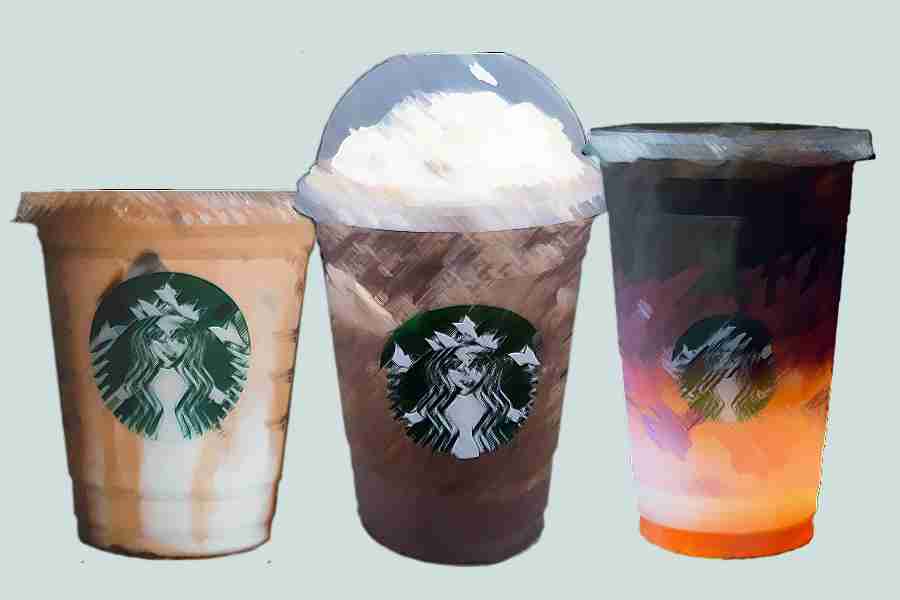
At its core, a Starbucks handcrafted drink is defined by its departure from automated, batch-brewed processes. While a standard drip coffee is dispensed from a machine, a handcrafted beverage requires a sequence of manual interventions—steaming milk, pulling espresso shots, mixing syrups, or layering cold foam—performed by a human barista. From a brand strategy perspective, this distinction is vital. It creates a perceived value gap between a “commodity” cup of coffee and an “experience-based” beverage.
The Marketing Psychology of Craft
The label “handcrafted” functions as a signaling mechanism. It tells the consumer that the beverage justifies a premium price point because it involves labor, precision, and a degree of personalization. By branding their beverages as handcrafted, Starbucks successfully insulates itself from the pricing pressures faced by convenience store coffee providers. The consumer is not paying for the raw cost of ingredients; they are paying for the “craft” of the preparation. This narrative is a cornerstone of their brand identity, transforming a simple transaction into a service-oriented interaction.
Operational Consistency as a Brand Pillar
A significant challenge for any global brand is maintaining consistency. When you market a product as “handcrafted,” you inherently invite the risk of variability. Starbucks mitigates this through rigorous standardization. Their operational framework turns the craft into a series of repeatable, measurable steps. Whether you order a Vanilla Latte in Tokyo, London, or New York, the expectation is that the “hand” of the barista follows the exact same sequence of micro-tasks. This is the synthesis of mass-production efficiency with the illusion of artisanal craftsmanship.
The Role of Personalization in Brand Equity
The true genius of the handcrafted drink model lies in the limitless potential for customization. This is where Starbucks transcends the traditional role of a cafe and enters the realm of a personalization platform. Every handcrafted beverage serves as a canvas for the customer’s identity, a concept known in marketing as “co-creation.”
The “Co-Creation” Effect
When a customer specifies a drink with three pumps of sugar-free vanilla, almond milk, and an extra shot of ristretto, they are participating in the creation of the product. This active involvement increases the customer’s emotional investment in the brand. Because the drink is “handcrafted” to their specific, complex instructions, the resulting beverage feels proprietary. This personalization strategy is a powerful retention tool; it creates a psychological barrier to switching to competitors who offer more rigid, standardized menus.

Leveraging Data for Product Innovation
The digital infrastructure surrounding handcrafted drinks—specifically the Starbucks mobile app—is a data-gathering engine. Every modification requested during the handcrafted process is tracked and analyzed. This allows the brand to identify emerging trends (such as the rise of cold foam or dairy alternatives) long before they reach the mainstream market. By allowing customers to “handcraft” their drinks via the app, Starbucks essentially uses its customer base as a massive R&D laboratory. This constant feedback loop ensures that the brand remains culturally relevant, as the “handcrafted” menu is constantly evolving based on aggregate consumer preferences.
The Barista as a Brand Ambassador
In the Starbucks brand strategy, the barista is not just an employee; they are the primary point of physical brand delivery. The term “handcrafted” is fundamentally tied to the presence of the barista. This creates a human connection in an increasingly digital world, which is a powerful differentiator for a massive corporate entity.
The Performance of Service
The act of crafting a drink is a choreographed performance. The steam wand hiss, the deliberate pouring of milk, and the labeling of the cup are all sensory cues that reinforce the brand promise. This performative aspect is crucial for building brand loyalty. When a barista writes a name on a cup and hands over a drink that was made “just for you,” it fosters a sense of community and recognition. This elevates the brand from a faceless corporation to a series of local touchpoints, even within a high-traffic urban environment.
Managing Brand Identity in High-Volume Environments
Maintaining the “handcrafted” branding in high-volume environments requires immense discipline. As drive-thru demand and mobile ordering increase, the pressure on the barista to maintain speed without sacrificing the “craft” aesthetic is immense. Starbucks manages this by investing heavily in high-end equipment—such as the Mastrena II espresso machines—that automate the most labor-intensive parts of the process while still allowing the barista to “finish” the drink manually. By investing in technology that enhances the perception of craft, they ensure that operational efficiency does not cannibalize the premium brand identity.
Scalability and the Future of the Handcrafted Model
Can a mass-market brand maintain the “handcrafted” label indefinitely? As the company explores new ways to automate beverage production to handle mobile-order volume, the definition of “handcrafted” is under constant pressure. The brand’s future success depends on its ability to balance the technical requirement of speed with the emotional requirement of the “handcrafted” promise.
Balancing Automation and Artistry
The introduction of advanced automated cold-foam blenders and new delivery systems represents the next frontier of the handcrafted strategy. These tools are designed to handle complex, multi-layered drinks that would otherwise be too slow to produce manually. The strategic shift here is moving from “human-led crafting” to “tech-enabled crafting.” The challenge for Starbucks will be ensuring that this shift does not strip away the premium allure of the beverage. If the process becomes too automated, the marketing term “handcrafted” loses its credibility and, by extension, its ability to command a premium price.
Protecting the Premium Niche
Ultimately, the “handcrafted” label is the shield that protects Starbucks from the commoditization of coffee. As long as they can successfully frame their beverages as a collaborative, expert-led process, they remain in a category of their own. The brand does not compete on price with fast-food coffee; it competes on the promise of an elevated, custom experience. By continuing to innovate their menu through the lens of personalization, and by ensuring that the barista remains the focal point of the store experience, Starbucks will continue to leverage the “handcrafted” concept as a primary driver of its long-term brand equity and market dominance.
In conclusion, a Starbucks handcrafted drink is less about the physical cup of liquid and more about the strategic narrative of value, personalization, and brand consistency. It is a sophisticated application of brand psychology that turns a simple daily habit into a high-margin, customer-centric experience. For the consumer, it is a custom beverage; for the brand, it is the cornerstone of a multi-billion dollar competitive advantage.
aViewFromTheCave is a participant in the Amazon Services LLC Associates Program, an affiliate advertising program designed to provide a means for sites to earn advertising fees by advertising and linking to Amazon.com. Amazon, the Amazon logo, AmazonSupply, and the AmazonSupply logo are trademarks of Amazon.com, Inc. or its affiliates. As an Amazon Associate we earn affiliate commissions from qualifying purchases.