
The allure of untouched powder, the serene silence of a snow-covered wilderness, and the challenge of earning your turns away from crowded resorts – these are the dreams that fuel countless backcountry enthusiasts. For snowboarders, accessing this pristine terrain has historically presented a unique logistical puzzle. While skiers could simply attach skins to their skis and ascend, snowboarders faced a more cumbersome choice: strap their board to a backpack and slog through deep snow in snowshoes, or opt for a multi-day hike. This fundamental challenge spurred innovation, leading to the development of a revolutionary piece of equipment that bridges the gap between ascent and descent: the split snowboard. More than just a board cut in half, the split snowboard represents a sophisticated blend of engineering and design, offering a technological gateway to the untamed backcountry.

The Evolution of Backcountry Access for Snowboarders
The desire to explore beyond the lift lines is as old as snowsports themselves. However, the unique design of a snowboard, optimized for descent, made ascents incredibly inefficient. Understanding the limitations of traditional gear provides crucial context for appreciating the ingenuity of the split snowboard.
The Limitations of Traditional Snowboarding
A conventional snowboard is a single, rigid platform designed to be ridden sideways down a slope. Its width, lack of independent edge control, and fixed foot positions make walking uphill in deep snow an arduous task. Snowshoeing, while effective for ascent, required carrying the heavy snowboard on a backpack, often leading to an unbalanced load and considerable fatigue. This “post-holing” method limited range, added significant effort, and often left riders exhausted before they even reached their desired descent point. The alternative, breaking trail on a solid board, was even less practical, sinking riders deep into the snow with every step. The need for a more efficient, integrated solution was paramount for snowboarders seeking the freedom of the backcountry.
The Appeal of Untracked Powder and Remote Terrain
The ultimate reward for any snow enthusiast is the experience of carving through fresh, untracked powder. Away from the resorts, the snow remains pristine longer, the terrain is more varied, and the connection with nature is profound. Backcountry exploration offers solitude, a sense of accomplishment, and access to breathtaking views and challenging lines that resort boundaries simply cannot offer. However, this freedom comes with a significant demand for self-sufficiency, specialized gear, and a thorough understanding of avalanche safety. The split snowboard emerged as the pivotal technological advancement that truly opened up this world to a wider segment of the snowboarding community, transforming a challenging expedition into a more accessible and enjoyable adventure.
Deconstructing the Split Snowboard: A Dual-Purpose Design Marvel
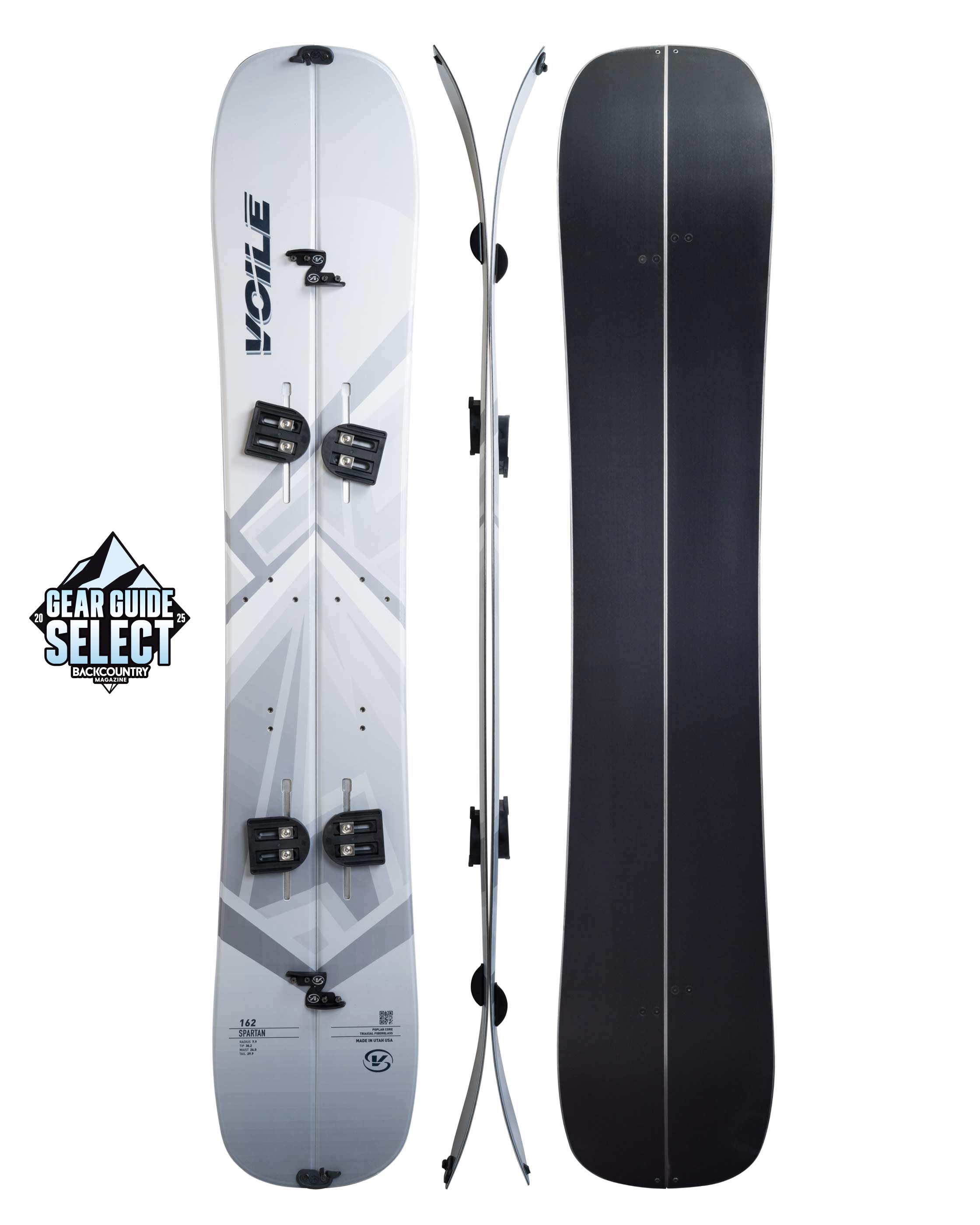
At its core, a split snowboard is a standard snowboard that has been specially engineered to separate lengthwise into two ski-like halves for ascent, and then reassemble into a single, cohesive board for descent. This ingenious dual functionality is what defines the technology, making it an indispensable tool for backcountry snowboarding.
The Board’s Dual Functionality: Ski and Snowboard Modes
The primary technological marvel of a split snowboard lies in its ability to seamlessly transition between two distinct modes. In “tour mode,” the board is split into two independent skis. Special binding interfaces allow the rider’s snowboard boots to attach to these halves in a ski-like orientation (toes forward), enabling them to glide uphill. This mode is augmented by “climbing skins,” adhesive-backed fabrics attached to the base of the “skis” to provide grip on snow while allowing forward glide. This transforms the arduous hike into an efficient and energy-saving ascent.
Conversely, in “ride mode,” the two halves are rejoined to form a single, solid snowboard. A series of robust clips, hooks, and connection points along the edges and at the tip/tail secure the two halves together, creating a platform that feels remarkably similar to a traditional snowboard underfoot. The bindings are then rotated and locked into the standard sideways snowboarding stance, ready for the descent. The engineering challenge here is to ensure that this reassembled board maintains the structural integrity and flex characteristics necessary for high-performance riding, without feeling overly cumbersome or prone to breaking apart.
Key Components and How They Work
Understanding the split snowboard involves delving into its specialized components, each playing a crucial role in its functionality:
- Splitboard (The Board Itself): Designed to be split, these boards feature precisely cut edges and connection points. They often incorporate lighter-weight core materials to reduce overall pack weight without sacrificing durability or ride performance.
- Binding System: This is arguably the most complex and critical technological component. Unlike traditional snowboard bindings, splitboard bindings are designed to serve a dual purpose. They attach to the splitboard halves in tour mode (allowing for a pivot at the toe for walking) and then reattach to the full board in ride mode, providing a secure connection for snowboarding. Major systems like Spark R&D, Karakoram, and Voile have innovated various plate and puck systems to achieve this.
- Clips and Hooks: These are the mechanical fasteners that hold the two halves of the splitboard together in ride mode. Robust metal clips at the nose and tail, often combined with smaller hooks along the internal edges, ensure a tight, secure bond, minimizing any play or chatter that could compromise ride quality.
- Climbing Skins: These are textile strips with an adhesive backing applied to the base of the split-ski halves for traction during ascent. Made from materials like mohair, nylon, or a blend, they feature a directional pile that glides forward smoothly but grips when weighted backward, preventing slippage on uphills. Modern skins are highly specialized, offering optimal glide, grip, and packability.
Advantages over Snowshoes or Post-holing
The integrated design of the split snowboard offers significant advantages over older methods of backcountry access. The most apparent benefit is efficiency. By creating two long, narrow platforms, the splitboard distributes weight over a larger surface area, preventing deep sinking in snow (post-holing). This, combined with the glide of the skins, makes traversing and ascending much faster and less fatiguing than snowshoeing, especially in deep powder or on long approaches. Furthermore, the overall weight is often less than carrying a separate snowboard and snowshoes. The ability to carry your descent vehicle up with you, ready for transformation, provides unparalleled freedom and significantly enhances the backcountry experience.
The Technology Behind the Transformation
The seamless transition from climbing tool to descent machine is a testament to sophisticated engineering. The internal mechanisms and material science employed in modern splitboards are key to their performance, durability, and user experience.
Binding Systems: The Heart of Versatility
The binding system is the technological centerpiece of a splitboard setup. Early systems were rudimentary, but advancements have led to highly refined designs that prioritize ease of transition, secure connections, and reliable performance in extreme conditions.
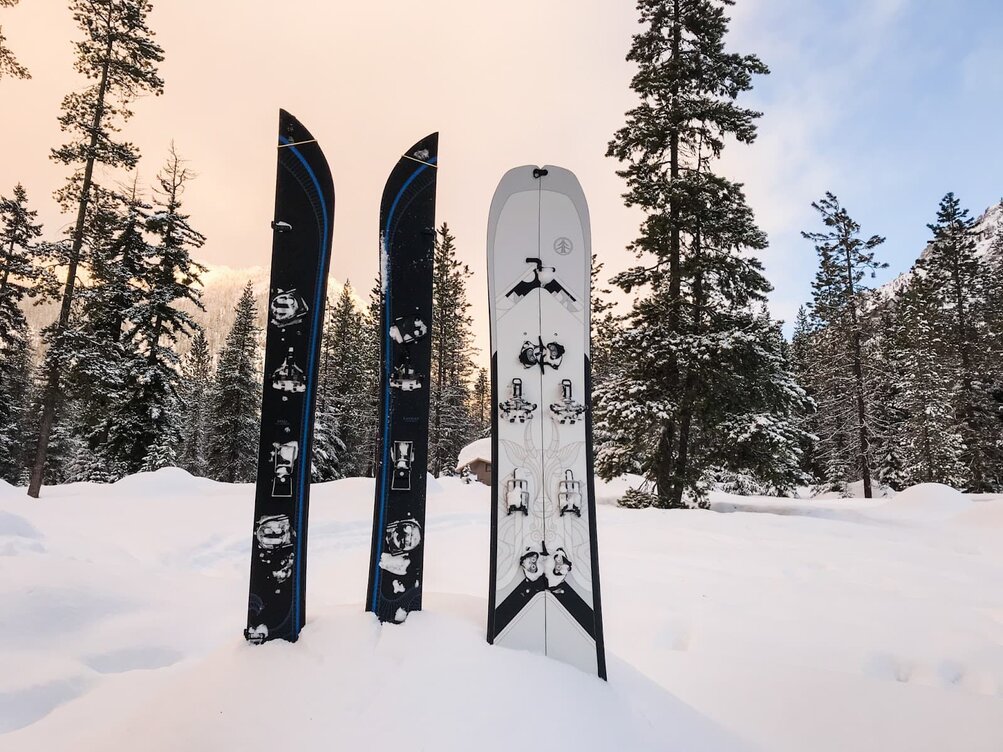
- Plate Bindings: These systems (e.g., Spark R&D) often use a single baseplate that attaches to pucks mounted on the board. In tour mode, the binding pivots freely at the toe for walking. For ride mode, the entire binding slides over the pucks and locks down securely, offering a solid connection.
- Integrated Bindings: Some systems (e.g., Karakoram) feature bindings that incorporate the interface directly into their design, often using a more complex system of clips and levers to transition between modes. These often aim for an even more “solid board” feel by minimizing moving parts and creating a very tight connection.
- Boot Compatibility: Modern splitboard bindings are typically compatible with standard snowboard boots, though some manufacturers offer specific boots designed with features like walk modes or stiffer flex patterns optimized for uphill travel. The interface between boot, binding, and board is crucial for transmitting control.
Skin Technology: Grip and Glide Efficiency
Climbing skins are specialized technical textiles. The effectiveness of skins relies on a directional fiber weave, usually a blend of nylon for durability and grip, and mohair for optimal glide.
- Material Composition: 100% nylon skins offer maximum grip and durability, ideal for steep ascents and heavy use. Mohair skins offer superior glide and packability, preferred by those prioritizing speed and long distances. Blends strike a balance.
- Adhesive Technology: The adhesive on the back of the skins is critical. It must provide strong adhesion to the board base in varying temperatures, be easy to apply and remove, and not leave residue. Modern adhesives are formulated for durability and ease of use, with some newer “glueless” technologies emerging.
- Tip and Tail Attachments: Secure and easy-to-use attachments at the tips and tails of the splitboard halves ensure the skins stay firmly in place during challenging ascents. These often involve robust hooks and loops, or elastic straps.
Core Materials and Construction for Performance and Durability
Splitboards are subjected to intense forces – splitting, rejoining, uphill touring, and high-performance downhill riding. This demands specialized construction.
- Lightweight Cores: To reduce the effort of carrying the board uphill, manufacturers utilize lightweight wood cores (e.g., paulownia), often combined with carbon fiber stringers or fiberglass laminates. This reduces swing weight for touring and overall pack weight.
- Reinforced Edges and Sidewalls: The internal edges of a splitboard, where the two halves meet, require extra reinforcement to withstand the repeated stress of clamping and unclamping, as well as the torsional forces during riding. Sidewalls are also beefed up for durability.
- Flex Patterns: Designing a splitboard’s flex is a delicate balance. It needs to be stiff enough to provide stability and power for downhill riding but also offer a degree of longitudinal flex for efficient touring. The distribution of flex is carefully engineered to feel cohesive in ride mode.
Choosing the Right Split Snowboard Setup: A Technological Guide
Selecting a split snowboard setup involves a series of technical considerations, each impacting the overall performance and suitability for different backcountry objectives.
Board Profile and Shape Considerations
Just like traditional snowboards, splitboards come in various profiles (rocker, camber, hybrid) and shapes (directional, twin, tapered).
- Directional Shapes: Most splitboards are directional, designed with a longer nose and often a tapered tail, to provide maximum float in deep snow and improve control during descent.
- Camber vs. Rocker: Camber underfoot provides edge hold and pop, beneficial for steeper, icier climbs and precise riding. Rocker provides more float in powder and a forgiving feel. Many splitboards use a hybrid profile to balance these characteristics.
- Width: Appropriate width is crucial to prevent “toe drag” or “heel drag” while touring, especially when traversing steep slopes.
- Length: Generally, splitboards are chosen slightly longer than resort boards to enhance float in powder and provide stability during touring.
Understanding Binding Types (Plate vs. Integrated)
The choice of binding system significantly influences both the touring experience and the downhill feel.
- Plate Systems: Often praised for their robustness and ease of transition, plate bindings provide a solid interface. They can be slightly heavier but are renowned for their reliability.
- Integrated Systems: These aim to reduce weight and parts by integrating the binding directly with the board interface. They often offer a more direct power transfer and can feel more like a traditional binding. The decision often comes down to personal preference for feel, weight, and ease of use in cold conditions.
Essential Accessories for the Backcountry
A split snowboard is just one component of a complete backcountry setup, which heavily relies on other integrated tech.
- Trekking Poles: Essential for balance and propulsion during touring. Collapsible poles are standard.
- Backpack: Specifically designed for backcountry use, with features for carrying a shovel, probe, and potentially an avalanche airbag system.
- Avalanche Safety Gear: A digital avalanche transceiver, shovel, and probe are non-negotiable pieces of safety technology that all backcountry travelers must carry and know how to use.
- Navigation Tools: GPS devices, mapping apps on smartphones, and traditional maps/compass are crucial for route finding and staying found.
- Layered Clothing System: Technical apparel designed to manage moisture and adapt to changing temperatures and activity levels.
The Splitboarding Experience: A Technological Gateway
The split snowboard isn’t just a product; it’s an experience enabled by advanced technology. It has fundamentally changed how snowboarders interact with the mountains, pushing the boundaries of accessibility and adventure.
Safety Considerations and Gear Integration
While splitboarding opens up incredible terrain, it also places riders in an uncontrolled environment. The technology of the splitboard integrates with other safety gear to mitigate risks. Modern avalanche beacons use digital signals for faster searches, probes are made from lightweight, strong alloys, and shovels are designed for efficient snow removal. Learning how these tools work together, and participating in avalanche safety courses, is paramount. The splitboard allows riders to access terrain more efficiently, but it also necessitates a higher level of awareness and preparation.
The Future of Backcountry Snowboarding Technology
The evolution of splitboard technology is ongoing. We’re seeing trends towards lighter materials, more intuitive binding systems, and enhanced durability. Future innovations might include smart materials that adapt to snow conditions, integrated electronics for tracking or navigation, and even more seamless transitions between tour and ride modes. As manufacturing processes become more refined and materials science advances, splitboards will continue to become lighter, stronger, and more user-friendly, further expanding the horizons for backcountry snowboarders worldwide. The split snowboard has not only redefined backcountry access for snowboarders but has also cemented its place as a sophisticated piece of outdoor technology, continuously evolving to meet the demands of an ever-adventurous community.
aViewFromTheCave is a participant in the Amazon Services LLC Associates Program, an affiliate advertising program designed to provide a means for sites to earn advertising fees by advertising and linking to Amazon.com. Amazon, the Amazon logo, AmazonSupply, and the AmazonSupply logo are trademarks of Amazon.com, Inc. or its affiliates. As an Amazon Associate we earn affiliate commissions from qualifying purchases.