
The ability to communicate effectively is a cornerstone of human interaction and development. From expressing basic needs as an infant to engaging in complex conversations as an adult, speech and language skills evolve significantly throughout childhood. However, for some children, this developmental trajectory takes a different path, leading to what is known as a speech delay. This article delves into the understanding of speech delays, exploring their nature, potential causes, and importantly, how technology and digital resources can play a crucial role in identification, support, and intervention.
Understanding the Spectrum of Speech and Language Development
Before delving into delays, it’s essential to grasp what constitutes typical speech and language development. Speech refers to the physical act of making sounds and combining them into words, while language encompasses the understanding (receptive language) and use (expressive language) of words, sentences, and gestures to convey meaning.

Typical Milestones:
- Infancy (0-12 months): Babbling, responding to sounds, understanding simple words like “no” and “bye-bye.”
- Toddlerhood (1-2 years): Saying first words, combining two words, following simple commands, understanding many more words than they can say.
- Preschool Years (3-5 years): Speaking in longer sentences, telling simple stories, asking questions, understanding most of what they hear.
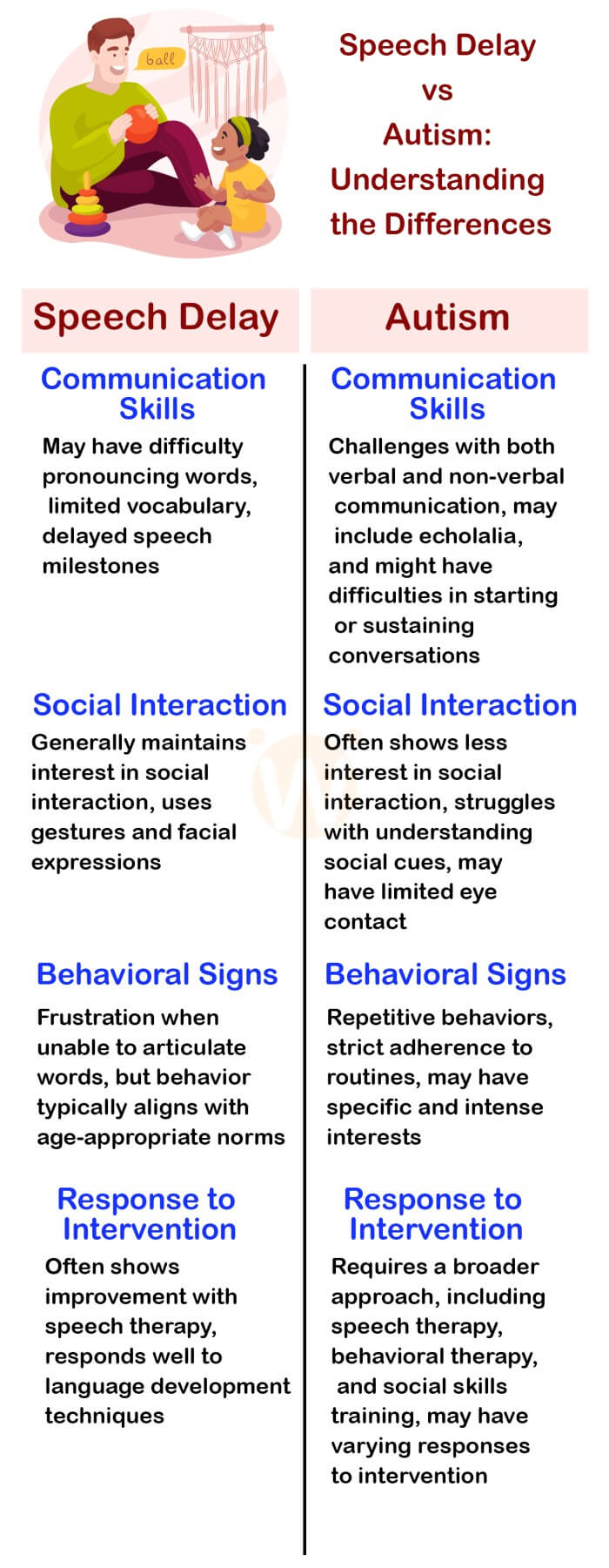
A speech delay occurs when a child is not meeting these developmental milestones within the expected age range. It’s crucial to differentiate a delay from a disorder. A speech delay suggests that a child is developing these skills, but at a slower pace than their peers. A speech disorder, on the other hand, implies a more persistent or significant difficulty with producing sounds, understanding language, or using it to communicate.
Types of Speech and Language Delays:
Speech delays can manifest in various ways:
Receptive Language Delays: The Challenge of Understanding
Children with receptive language delays struggle to understand spoken language. This can impact their ability to follow instructions, comprehend stories, and engage in conversations. They might appear inattentive, easily distracted, or have difficulty with tasks that require listening comprehension. For example, a child with a receptive language delay might not respond when their name is called, struggle to understand simple directions like “put the toy in the box,” or have trouble answering “wh” questions (who, what, where, when, why). This difficulty in processing auditory information can significantly impact their learning and social interactions, making it challenging to follow along in a classroom setting or understand social cues.
Expressive Language Delays: The Hurdle of Word Production
Expressive language delays involve difficulties in using language to communicate thoughts, needs, and ideas. Children with these delays may have a limited vocabulary, use short or grammatically incorrect sentences, or struggle to find the right words. While they might understand what is being said to them, their ability to respond verbally is hindered. This can lead to frustration, as they know what they want to say but lack the linguistic tools to articulate it. For instance, a child might point to an object they want instead of saying its name, use gestures extensively, or resort to simplified phrases even as they get older. This can also affect their ability to engage in imaginative play or share experiences with others, as their verbal output may not keep pace with their cognitive understanding.
Articulation and Phonological Delays: The Difficulty with Sounds
These delays specifically relate to the physical production of speech sounds. Articulation delays involve difficulty producing specific sounds correctly, often substituting one sound for another (e.g., “wabbit” for “rabbit”) or omitting sounds altogether. Phonological delays are broader and involve patterns of sound errors. For example, a child might consistently drop the final consonant of words (e.g., “cat” becomes “ca”) or simplify consonant clusters (e.g., “spoon” becomes “poon”). These difficulties can make a child’s speech unintelligible to unfamiliar listeners, leading to communication breakdowns and potential social isolation. It’s important to note that while some sound substitutions are normal in early development, persistent or significant errors warrant attention.
Exploring the Roots: Causes of Speech Delays
The reasons behind speech delays are multifaceted and can range from biological factors to environmental influences. A comprehensive understanding of these causes is crucial for effective intervention.
Underlying Medical and Developmental Conditions
Several medical and developmental conditions can contribute to speech delays. These can include:
- Hearing Impairment: Undiagnosed or poorly managed hearing loss is a significant factor. Children need to hear sounds to learn to produce them. Even mild hearing loss can impact language acquisition. Regular audiological assessments are vital, especially if a delay is suspected.
- Oral Motor Disorders: Conditions like dysarthria affect the muscles used for speech, making them weak or difficult to control, leading to slurred or slow speech. Apraxia of speech is another oral motor disorder where the brain has difficulty planning and coordinating the movements needed for speech.
- Developmental Delays and Disorders: Conditions such as Autism Spectrum Disorder (ASD) are often associated with speech and language delays. Global developmental delays, intellectual disabilities, and genetic syndromes like Down syndrome can also impact communication development.
- Prematurity and Low Birth Weight: Babies born prematurely or with low birth weight may have a higher risk of developmental delays, including speech and language challenges.
- Birth Complications: Certain complications during birth that affect oxygen supply to the brain can also have an impact on neurological development, including speech and language centers.
Environmental and Experiential Factors
While biological factors are significant, the child’s environment also plays a crucial role:
- Limited Language Exposure: Children thrive in environments rich with language. Insufficient opportunities for verbal interaction, storytelling, and engaging conversations can hinder language development. This can occur in situations where caregivers are not consistently present, when excessive screen time replaces human interaction, or in multilingual households where clarity on language use is not established.
- Bilingualism and Multilingualism: It’s a common misconception that learning multiple languages causes speech delays. In reality, children learning two or more languages may initially have a slightly different pace of development in each language, but they are not inherently delayed compared to monolingual peers. The key is consistent and rich exposure to all languages.
- Family History: There can be a genetic predisposition to speech and language difficulties, meaning that if other family members have experienced speech delays, a child may be at a higher risk.
The Role of Early Identification and Intervention
The earlier a speech delay is identified and addressed, the more effective the intervention can be. Early intervention programs, often starting from birth to three years old, provide crucial support and therapies that can significantly improve a child’s communication skills and overall development. This is where the intersection with technology becomes particularly impactful.
Leveraging Technology for Speech Delay Support
In today’s digitally driven world, technology offers a powerful suite of tools and resources that can revolutionize how we approach speech delays, from initial detection to ongoing therapy and support. The domains of Tech, Brand, and Money, while seemingly disparate, all offer valuable insights and applications for families and professionals navigating speech delay challenges.
Tech: Bridging the Gap with Digital Tools and AI
The “Tech” landscape is a treasure trove of solutions for speech delays.
Apps and Software for Skill Development:
A plethora of apps and software are designed to target specific speech and language skills. These range from early vocabulary builders and articulation practice tools to apps that help with sentence construction and storytelling.
- Vocabulary Building: Many apps use engaging visuals, games, and repetition to introduce and reinforce new words. They often allow for customization to target specific thematic vocabulary relevant to a child’s interests or therapeutic goals.
- Articulation Practice: Some applications incorporate speech recognition technology that can provide immediate feedback on a child’s pronunciation of specific sounds. These apps often gamify the practice, making it more enjoyable and motivating for children.
- Receptive Language Games: Interactive storybooks and listening comprehension games can help children with receptive language delays by presenting information in a structured and engaging way, allowing for repeated exposure and comprehension checks.
- Expressive Language Prompts: Apps can provide visual cues, sentence starters, or story prompts to encourage children to use language expressively. They can also help with sequencing events and building narrative skills.

AI in Speech Therapy: Personalized and Predictive Support
AI Tools are beginning to revolutionize speech therapy by offering personalized and data-driven approaches.
- Automated Assessment and Progress Tracking: AI algorithms can analyze a child’s speech patterns, identify areas of difficulty, and track progress over time with greater precision than traditional methods. This allows therapists to tailor interventions more effectively.
- Personalized Intervention Programs: AI can analyze a child’s specific needs and learning style to create customized therapy plans. This might involve adjusting the difficulty of exercises, the types of stimuli used, or the pace of learning.
- Virtual Tutors and Companions: AI-powered virtual tutors can provide consistent practice and feedback, supplementing in-person therapy sessions. These digital companions can offer a non-judgmental space for children to practice speaking.
- Predictive Analytics: In the future, AI may be able to identify children at higher risk of developing speech delays based on early developmental indicators, allowing for proactive intervention.
Digital Security and Privacy in Therapeutic Tools:
As more sensitive data related to a child’s development is collected and processed, digital security and privacy become paramount. Reputable apps and platforms should adhere to strict data protection regulations, ensuring that a child’s information is kept confidential and used solely for therapeutic purposes. Parents and caregivers should be aware of the privacy policies of any digital tools they use.
Productivity Tools for Families and Therapists:
Beyond direct therapeutic applications, productivity tools can significantly aid families and therapists.
- Scheduling and Communication Platforms: Apps for managing appointments, sharing progress reports, and communicating between parents and therapists streamline the support process.
- Resource Management: Digital platforms can help organize therapy materials, track homework assignments, and store progress notes, making the entire support ecosystem more efficient.
Brand: Building Awareness and Empowering the Community
The principles of Brand strategy are crucial in addressing speech delays by raising awareness, fostering supportive communities, and empowering individuals.
Raising Awareness and Educating the Public:
Organizations and individuals can leverage brand strategy to create impactful public awareness campaigns about speech delays. This involves developing clear messaging, using engaging content (videos, infographics, personal stories), and targeting relevant audiences through various media channels. A strong brand identity for a speech delay advocacy group can garner trust and encourage more people to seek information and support.
Personal Branding for Therapists and Experts:
Speech-language pathologists (SLPs) and other professionals working with speech delays can benefit from developing a strong personal brand. This involves establishing themselves as knowledgeable and trustworthy experts in their field. Through content creation (blog posts, social media, webinars), they can share valuable information, build a reputation, and attract clients or collaborate with other professionals.
Corporate Identity and Social Responsibility:
Companies, particularly in the tech and healthcare sectors, can align their corporate identity with supporting initiatives related to child development and communication. This can involve developing specialized products, sponsoring research, or partnering with non-profit organizations. Such initiatives not only contribute positively to society but also enhance the company’s reputation and brand image.
Marketing and Design in Educational Materials:
The marketing and design of educational materials for speech delay support are critical for engagement. Visually appealing, easy-to-understand resources (books, worksheets, online modules) that are thoughtfully designed can make a significant difference in how well families and children absorb and utilize the information. Case studies showcasing successful interventions and the impact of technology can also serve as powerful marketing tools.
Money: Financial Planning and Access to Resources
The financial aspects of managing a speech delay can be substantial, making the “Money” domain highly relevant.
Personal Finance and Therapy Costs:
The cost of speech therapy, diagnostic assessments, and specialized equipment can be a significant financial burden for families. Understanding personal finance principles, budgeting, and exploring various payment options is crucial. This includes researching insurance coverage, understanding out-of-pocket expenses, and exploring payment plans offered by clinics.
Investing in Early Intervention and Long-Term Outcomes:
Viewing early intervention for speech delays as an investment rather than just an expense is a powerful financial mindset. Studies consistently show that early intervention leads to better long-term outcomes, including improved academic performance, increased independence, and better social integration. This can translate into greater earning potential and reduced reliance on social support systems later in life.
Online Income and Side Hustles for Families:
For families facing financial strain due to therapy costs, exploring online income or side hustles might become a necessity. While not directly related to speech therapy, increased financial stability can alleviate stress and allow families to prioritize their child’s needs. However, it’s crucial to balance such pursuits with the time and energy required for supporting a child with a speech delay.
Business Finance and Funding for Support Services:
For organizations and clinics providing speech therapy, sound business finance management is essential. This includes securing funding through grants, donations, or investments to expand services, develop new technologies, or offer subsidized programs. Understanding financial tools and strategies helps ensure the sustainability and reach of these vital support systems.
Financial Tools for Tracking and Managing Expenses:
Utilizing financial tools such as budgeting apps, expense trackers, and investment platforms can help families manage the financial demands associated with speech delays more effectively. These tools provide clarity on spending, identify areas for savings, and help in planning for future therapy needs.
Conclusion: A Collaborative Approach to Empowering Communication
A speech delay is a complex developmental challenge, but it is not an insurmountable one. With early identification, comprehensive understanding, and the right support systems, children can overcome these hurdles and develop strong communication skills. The intersection of technology, thoughtful branding, and sound financial planning offers a powerful framework for addressing speech delays. By embracing digital tools for therapy and learning, building supportive communities through effective branding, and proactively managing financial resources, we can empower children and families to navigate the journey of communication development with confidence and success. The future of speech delay support lies in this collaborative, informed, and technologically empowered approach.
aViewFromTheCave is a participant in the Amazon Services LLC Associates Program, an affiliate advertising program designed to provide a means for sites to earn advertising fees by advertising and linking to Amazon.com. Amazon, the Amazon logo, AmazonSupply, and the AmazonSupply logo are trademarks of Amazon.com, Inc. or its affiliates. As an Amazon Associate we earn affiliate commissions from qualifying purchases.