
The question “what is a spawning oyster?” might initially conjure images of marine biology textbooks or serene coastal landscapes. However, delving beneath the surface reveals a fascinating biological process that underpins a significant and economically vital industry. Understanding oyster spawning is not just an academic pursuit; it’s crucial for sustainable aquaculture, informed investment, and appreciating the intricate ecosystem services that these bivalves provide. This article will explore the biological nuances of oyster reproduction and connect them directly to their profound economic implications within the seafood and aquaculture sectors.
The Reproductive Cycle: Nature’s Blueprint for Oyster Abundance
Oyster reproduction is a complex and dynamic process, driven by environmental cues and internal biological mechanisms. For those involved in the oyster industry, whether as aquaculturists, restaurateurs, or investors, understanding this cycle is paramount to forecasting supply, managing harvests, and ensuring the long-term health of oyster populations.
Environmental Triggers for Spawning
Oysters, like many marine organisms, are highly attuned to their environment. Several key factors trigger the reproductive process, initiating the release of sperm and eggs.
Temperature Fluctuations as the Primary Signal
Temperature is arguably the most significant environmental cue for oyster spawning. As water temperatures rise, typically in the warmer months of spring and summer, oysters begin to mature their gonads, which are the organs responsible for producing eggs and sperm. Different species of oysters have varying optimal temperature ranges for spawning. For example, the Eastern oyster (Crassostrea virginica), prevalent along the Atlantic coast of North America, generally spawns when water temperatures reach between 20-30°C (68-86°F). Pacific oysters (Crassostrea gigas) often initiate spawning at slightly lower temperatures, around 18-25°C (64-77°F). This temperature sensitivity is why oyster harvests are often seasonal, with peak availability correlating with periods of active spawning and subsequent larval development. Understanding these temperature thresholds allows aquaculturists to predict spawning events and prepare for larval collection and grow-out.
Salinity and Tidal Influences
While temperature plays a leading role, salinity and tidal cycles also contribute to the overall readiness and initiation of spawning. Oysters are euryhaline, meaning they can tolerate a range of salinities, but optimal spawning often occurs within specific salinity levels, typically between 15-30 parts per thousand (ppt). Fluctuations in salinity, often influenced by rainfall and freshwater runoff, can signal environmental stability or stress, impacting reproductive readiness. Tidal patterns, with their associated changes in water flow and nutrient availability, can also play a role in synchronizing spawning events, ensuring the widespread dispersal of gametes.
The Biological Process: External Fertilization and Larval Stages
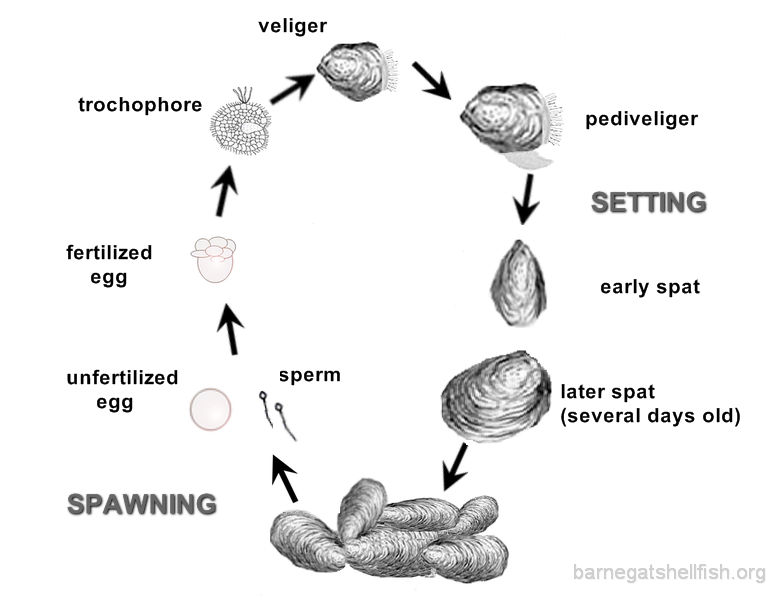
Once triggered, oyster spawning involves the release of gametes into the water column, where external fertilization occurs. This process is a marvel of biological adaptation, designed to maximize the chances of successful reproduction in a vast and often turbulent environment.
Broadcast Spawning: A Gamble for Millions
Oysters are broadcast spawners, meaning they release vast quantities of eggs and sperm simultaneously into the surrounding water. A single mature female oyster can release tens of millions of eggs during a spawning event. Males release similarly large quantities of sperm. The success of fertilization depends on the chance encounter of sperm and eggs in the water. This strategy, while seemingly wasteful, is effective in ensuring that at least some gametes find each other, given the sheer volume released and the wide dispersal facilitated by currents. For aquaculturists, this means that while natural spawning can be unpredictable, controlled spawning in hatcheries allows for targeted cross-breeding and the production of specific oyster strains, leading to improved growth rates, disease resistance, and desirable market characteristics.
The Veliger Larva: A Mobile, Filter-Feeding Stage
Following fertilization, the zygotes develop into planktonic larvae, known as veliger larvae. This is a critical and vulnerable stage in the oyster’s life cycle. Veliger larvae are free-swimming and possess a unique structure called a velum, a ciliated organ used for both locomotion and filter-feeding. They drift with ocean currents, feeding on phytoplankton. This planktonic stage can last anywhere from a few days to several weeks, depending on water temperature and food availability. During this period, the larvae undergo significant development, forming their characteristic shells and developing the organs necessary for settlement. The success of this larval stage is heavily influenced by water quality, food availability, and the absence of predators. For commercial hatcheries, understanding and optimizing conditions for veliger larvae is crucial for producing healthy spat (young oysters) for cultivation.
Settlement and Metamorphosis: The Foundation for Future Oysters
After a period of drifting, the veliger larvae enter a settlement phase. They actively seek out suitable substrates – typically hard surfaces such as rocks, shells, or even the cultivated substrates provided by aquaculturists. This settlement is a critical juncture, as it determines the future location and survival of the young oyster. Once a larva settles, it undergoes metamorphosis, transforming from a free-swimming form into a sessile juvenile oyster, known as spat. Spat attach firmly to their chosen substrate and begin to grow their shells, feeding on phytoplankton and growing towards maturity. The ability of aquaculturists to provide appropriate cultch material for settlement is a key factor in the success of their operations, directly impacting the number of oysters that will grow to market size.
Economic Implications: From Biological Imperative to Industry Backbone
The biological process of oyster spawning is not merely an ecological phenomenon; it is the very engine that drives a multi-billion-dollar global industry. The success and efficiency of oyster reproduction directly translate into economic opportunities, employment, and a sustainable source of food.
Aquaculture: Harnessing Spawning for Commercial Success
Modern oyster aquaculture has evolved significantly, often moving away from relying solely on natural spawning events to controlled hatchery operations. This shift has revolutionized the industry, allowing for greater predictability, efficiency, and the production of specific oyster strains tailored for commercial demand.
Hatchery Production: Optimizing Gamete Release and Larval Culture
Oyster hatcheries play a pivotal role in the modern shellfish industry. Scientists and technicians carefully control environmental conditions, such as water temperature, salinity, and food availability, to induce and optimize spawning in broodstock oysters. This allows for year-round production of larvae, independent of natural spawning cycles. Techniques are employed to maximize fertilization rates and create ideal conditions for veliger larvae development. This includes providing a consistent and nutritious diet of cultured microalgae. The ability to control the genetic lineage of broodstock also allows hatcheries to produce specific strains of oysters with desirable traits, such as rapid growth, disease resistance, or improved shell quality. This controlled approach significantly reduces the risks associated with unpredictable natural spawning and provides a consistent supply of spat to grow-out facilities.
Seed Production and Nursery Systems: Nurturing the Next Generation
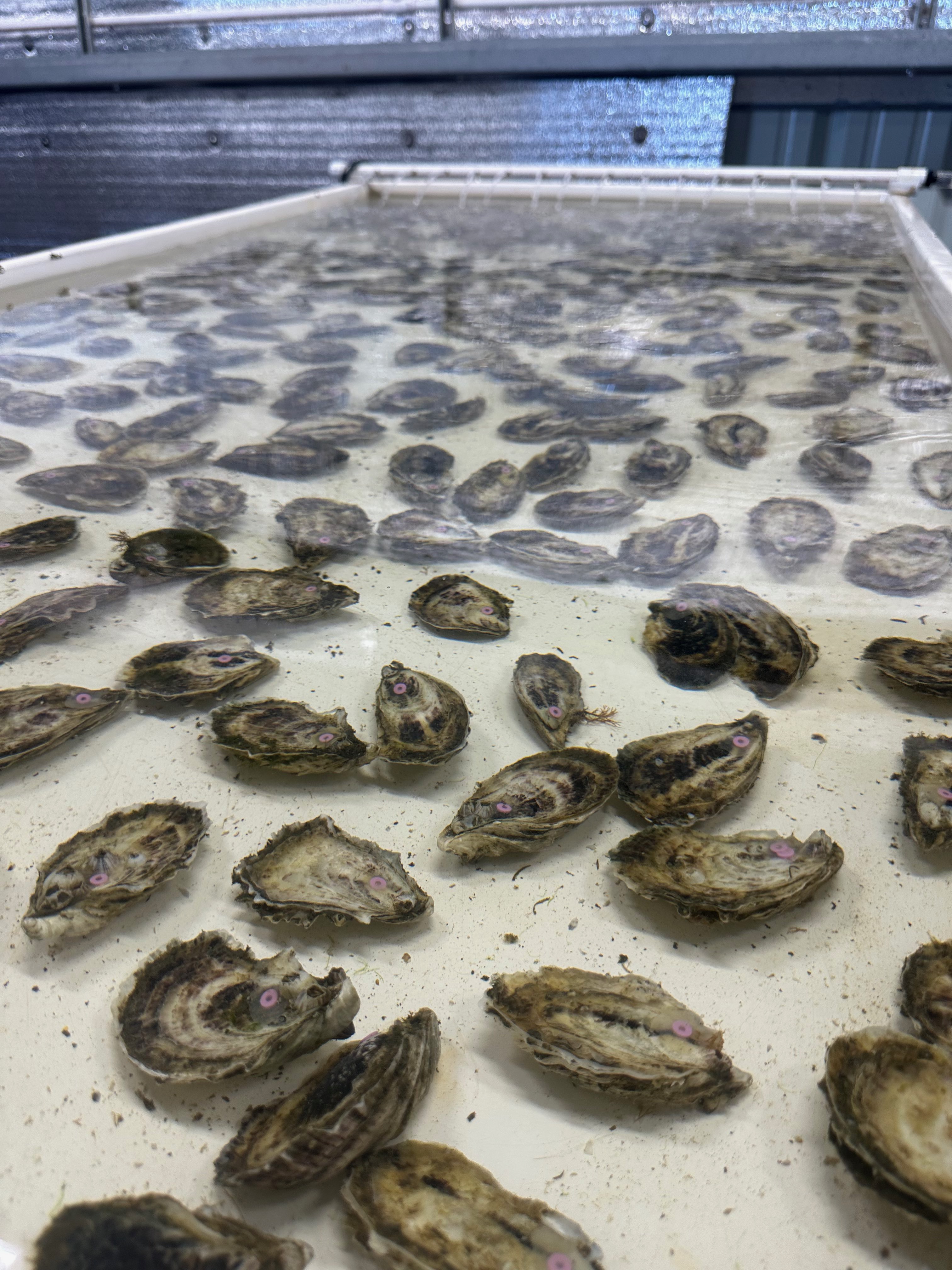
Once larvae have reached the appropriate stage, they are induced to set on cultch material within the hatchery. This cultch, often oyster shell, crushed rock, or specialized ceramic materials, provides a surface for the spat to attach. The resulting “seed” oysters are then transferred to nursery systems, which can be land-based tanks or nearshore floating systems. These nurseries provide a protected environment where the young oysters can grow for several months, developing their shells and becoming robust enough to withstand the rigors of open-water cultivation. The efficiency of seed production and the health of oysters in nursery systems are direct indicators of the success of the initial spawning and larval development phases. A healthy and abundant supply of spat from hatcheries is the foundation for a successful grow-out operation, directly impacting the volume of oysters that will eventually reach the market.
Wild Fisheries: Managing Natural Spawning for Sustainable Harvests
While aquaculture has become increasingly dominant, wild oyster fisheries still play a significant role in many regions. In these systems, understanding natural spawning patterns is crucial for effective fisheries management and conservation efforts.
Stock Assessment and Management Strategies
Fisheries managers rely on their understanding of oyster reproductive biology to set sustainable harvest quotas and implement effective management strategies. This includes identifying critical spawning habitats, monitoring spawning success, and protecting broodstock populations. For example, regulations might be put in place to limit fishing during peak spawning seasons or to protect areas known for their high reproductive output. Understanding the environmental factors that influence natural spawning allows managers to predict recruitment success – the number of young oysters that will survive to join the harvestable population. This predictive capability is vital for ensuring the long-term viability of wild oyster stocks and the economic stability of the associated fisheries.
Habitat Restoration and Conservation
The health of wild oyster populations is inextricably linked to the health of their environment. Spawning oysters contribute to ecosystem services, such as water filtration and habitat creation. Therefore, efforts to restore and conserve oyster reefs are not only beneficial for the oysters themselves but also for the broader marine ecosystem. Understanding the environmental cues that trigger spawning informs restoration efforts, ensuring that restored reefs are located in areas conducive to successful reproduction. Protecting these areas from pollution and overfishing is essential for maintaining healthy spawning populations, which in turn support both ecological balance and economic opportunities.
Market Dynamics: Spawning Cycles and Consumer Demand
The cyclical nature of oyster spawning has a direct impact on market supply, pricing, and consumer expectations. For businesses operating within the seafood industry, understanding these dynamics is essential for strategic planning and profitability.
Seasonal Availability and Price Fluctuations
The peak spawning seasons generally coincide with periods of warmest water temperatures, which also tend to be when oysters are most abundant and readily available for harvest. Outside of these periods, or in regions with more limited spawning windows, supply may decrease, leading to higher prices. This seasonality influences menu planning for restaurants, inventory management for distributors, and marketing strategies for producers. For example, many consumers associate oysters with the summer months, but advancements in aquaculture and preservation techniques have extended availability throughout the year. However, understanding the underlying biological drivers of natural abundance helps businesses navigate these fluctuations.
Quality and Flavor: The Influence of Reproductive State
The reproductive state of an oyster can also influence its taste and texture. During peak spawning, oysters often become “milky” as they expend energy on gamete production. While some consumers prefer oysters during this period, others may favor oysters in the “pre-spawn” or “post-spawn” phases when their meat is often firmer and richer. This subtle variation in quality, driven by the spawning cycle, influences market preferences and can create niche markets for oysters at different stages of their reproductive development. For businesses aiming to cater to diverse palates, understanding these nuances is crucial for product differentiation and customer satisfaction.
Conclusion: The Economic Oyster
The seemingly simple question, “what is a spawning oyster?”, opens a door to a complex and economically vital biological process. From the environmental triggers that initiate reproduction to the intricate journey of the veliger larva and the eventual settlement of spat, each stage of the oyster’s reproductive cycle has profound implications for the shellfish industry. Aquaculture businesses leverage this knowledge to optimize hatchery production, ensuring a consistent and high-quality supply of oysters. Wild fisheries management relies on understanding natural spawning patterns for sustainable harvests. Moreover, market dynamics, including seasonal availability and subtle variations in quality, are directly influenced by the reproductive cycles of these remarkable bivalves. The spawning oyster is not just a creature of the sea; it is a fundamental component of a thriving global economy, a testament to the powerful intersection of biology and commerce.
aViewFromTheCave is a participant in the Amazon Services LLC Associates Program, an affiliate advertising program designed to provide a means for sites to earn advertising fees by advertising and linking to Amazon.com. Amazon, the Amazon logo, AmazonSupply, and the AmazonSupply logo are trademarks of Amazon.com, Inc. or its affiliates. As an Amazon Associate we earn affiliate commissions from qualifying purchases.