
In the realm of architectural design and construction, where form and function converge to create lasting impressions, materials play a pivotal role. Beyond their inherent structural and aesthetic qualities, the selection of building components can profoundly influence the perceived brand of a project, a developer, or even an entire urban landscape. Among these crucial elements, spandrel glass has emerged as a sophisticated material that offers architects and designers a unique toolkit for crafting compelling visual narratives. Understanding what spandrel glass is, its technical intricacies, and its strategic application is paramount for anyone involved in shaping the built environment and, by extension, its brand identity.
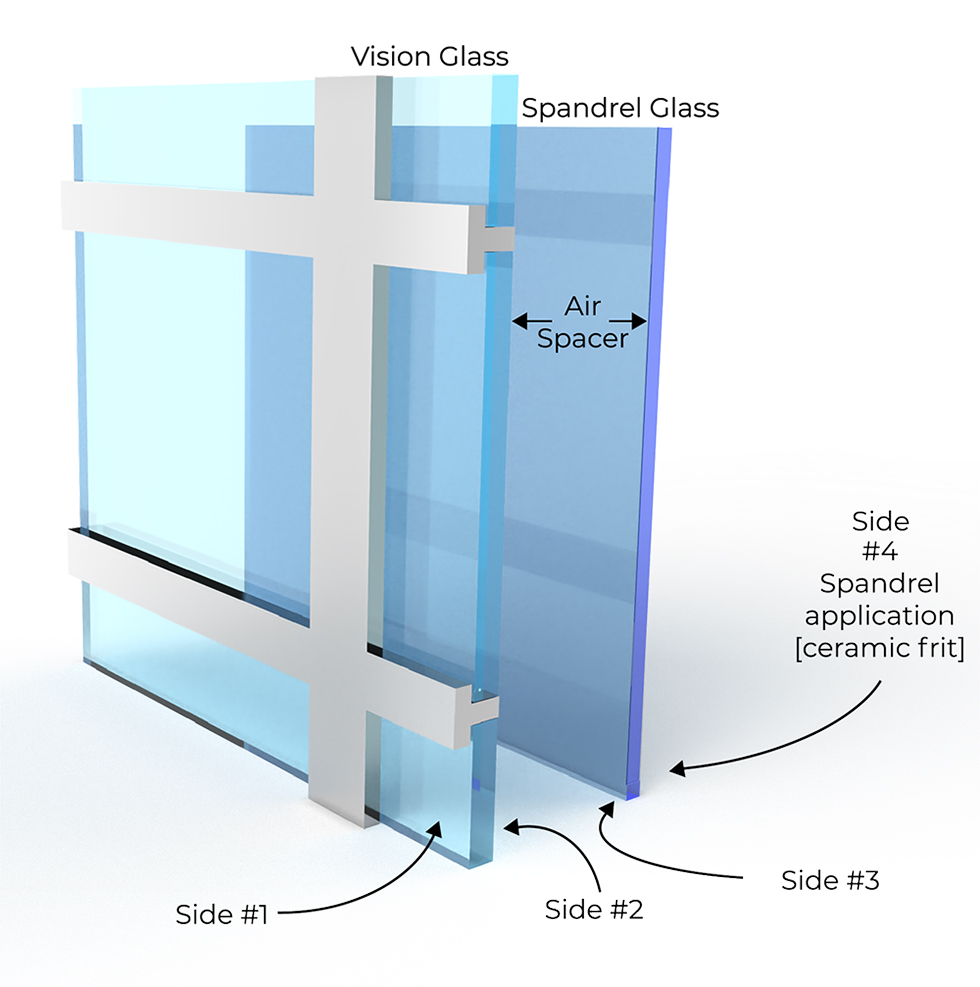
Spandrel glass, at its core, is an opaque glass panel used in curtain wall systems. Its primary function is to conceal the structural elements, insulation, and mechanical systems that lie behind the vision glass (transparent or translucent glass used for windows and views). However, its purpose extends far beyond mere concealment. It is a deliberate design choice, a canvas that contributes significantly to the overall aesthetic appeal, the perceived quality, and the distinct branding of a building. For developers and architects, spandrel glass is not just a functional necessity; it’s a strategic tool for communicating sophistication, modernity, and a unique architectural vision.
The Aesthetic Power of Opacity: Defining Spandrel Glass in Design
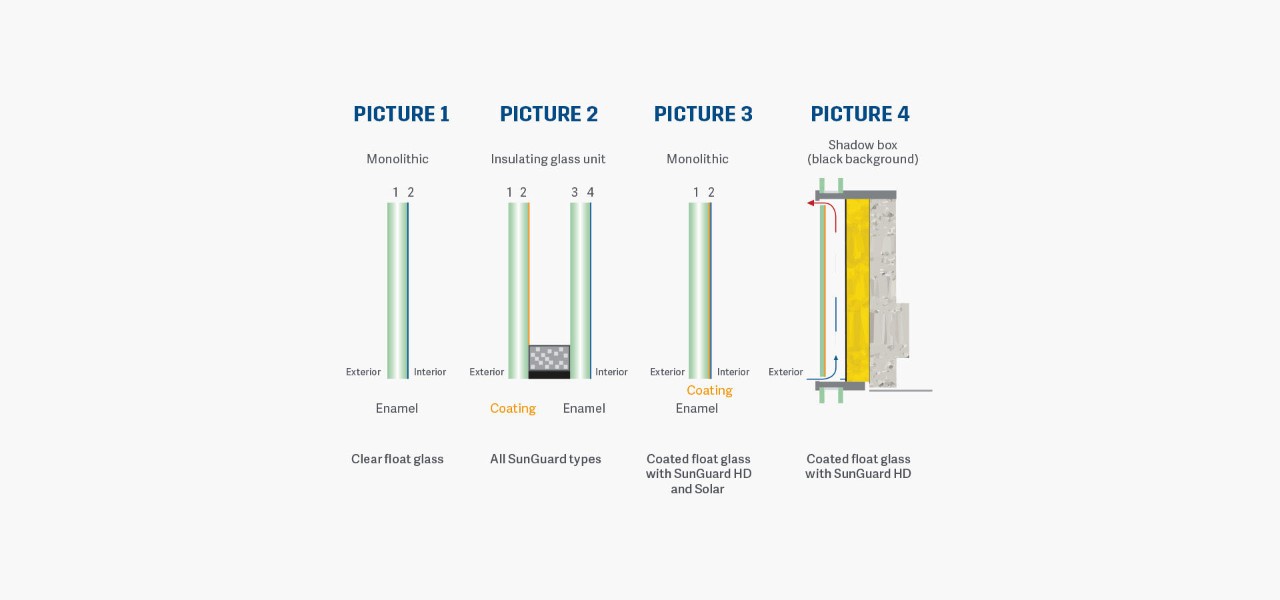
Spandrel glass is more than just a colored pane; it’s a carefully engineered product that offers a spectrum of visual possibilities. Its defining characteristic is its opacity, achieved through a specialized coating or treatment applied to the back surface of the glass. This coating is typically a ceramic frit, fused to the glass during the heat treatment process, making it incredibly durable and resistant to scratching and fading. The frit can be applied in a wide array of colors, patterns, and even metallic finishes, allowing for a high degree of customization.
Functional Concealment and Visual Harmony
The primary functional role of spandrel glass is to hide the often unsightly components of a building’s facade that are not meant to be seen from the exterior. This includes the structural elements of the floor slab edge, the void between floors, insulation materials, fire barriers, and building services like HVAC ducts or electrical conduits. By creating a seamless, uniform appearance across the non-vision areas of the curtain wall, spandrel glass contributes to a clean, uncluttered aesthetic. This visual harmony is crucial for establishing a building’s intended brand. A sleek, unbroken facade speaks of order, precision, and attention to detail – attributes that are often associated with high-quality developments and reputable brands.
The intentional placement of spandrel glass can define architectural rhythm and visual interest. It can be used to create distinct bands, frames, or accent areas within the facade, breaking up large expanses of vision glass and adding depth. This deliberate use of opaque elements allows designers to control the interplay of light and shadow, influencing how the building is perceived throughout the day and under different lighting conditions. The ability to meticulously control these visual cues is a powerful aspect of branding a building, conveying a sense of intentionality and design mastery.
The Art of Color and Finish: Crafting a Building’s Identity
The true branding potential of spandrel glass lies in its remarkable versatility in color and finish. The ceramic frit can be precisely matched to specific brand palettes, allowing a building to embody the colors of its owning corporation or the desired aesthetic of its development. This is particularly important in mixed-use developments or corporate headquarters, where the building itself becomes a physical manifestation of the brand.
-
Color Consistency and Brand Resonance: Achieving exact color matches is essential for brand integrity. Manufacturers of spandrel glass offer extensive color matching services, ensuring that the chosen hue precisely aligns with a company’s established brand guidelines. This consistency prevents jarring visual discrepancies and reinforces the brand’s identity on a monumental scale. Imagine a financial institution whose brand is synonymous with trust and stability; its headquarters might utilize a deep, rich navy or a sophisticated charcoal grey spandrel glass to convey these very attributes.
-
Metallic and Reflective Finishes: Beyond solid colors, spandrel glass can be fabricated with metallic finishes that mimic brushed aluminum, polished steel, or even precious metals. These finishes can lend a sense of luxury, modernity, and technological advancement to a building’s facade. They also offer dynamic visual effects, reflecting the sky, surrounding buildings, or the movement of clouds, making the building appear to change and evolve with its environment. This dynamism can be a powerful branding tool for innovative companies or cutting-edge developments.
-
Patterned and Textured Options: Increasingly, spandrel glass is being used with patterned or textured finishes. These can range from subtle linear patterns that mimic brushed metal to more complex geometric designs. These textures add a tactile dimension to the facade and can create unique visual effects that differentiate a building from its neighbors. A fashion brand, for example, might opt for a subtly patterned spandrel glass that evokes the weave of a fine fabric, thus embedding its brand essence into the very fabric of the building.
Beyond Aesthetics: Spandrel Glass as a Strategic Branding Component

The impact of spandrel glass on a building’s brand extends beyond its immediate visual appeal. Its strategic integration into the overall design strategy can enhance a project’s marketability, communicate its intended purpose, and contribute to a lasting legacy.
Enhancing Perceived Value and Marketability
In the competitive real estate market, a building’s facade is its first and most significant advertisement. A well-designed exterior, enhanced by thoughtfully applied spandrel glass, can significantly elevate the perceived value of a property. It communicates quality craftsmanship, attention to detail, and a commitment to aesthetic excellence. For developers, this translates into higher rental rates, increased desirability for prospective tenants or buyers, and a stronger market position. The clean lines and sophisticated color palettes often achieved with spandrel glass can project an image of professionalism and prestige, attracting businesses that wish to align themselves with such qualities.
Communicating Function and Purpose
The choice of spandrel glass can also subtly communicate the intended function of a building or specific areas within it. For instance, in a mixed-use development, different colors or patterns of spandrel glass might be used to distinguish between residential, commercial, and retail spaces, creating visual cues that guide occupants and visitors. A corporate headquarters might use a consistent, authoritative color of spandrel glass throughout its facade to project a unified and strong brand identity. Conversely, a cultural institution might opt for more expressive colors or finishes to convey creativity and openness.
Durability, Maintenance, and Brand Reputation
The durability and low-maintenance nature of ceramic-fritted spandrel glass also play a role in a building’s long-term brand perception. Because the frit is fused to the glass, it is highly resistant to UV radiation, weathering, and cleaning chemicals. This means that the facade will maintain its intended color and finish for many years, requiring minimal upkeep. A building that consistently looks well-maintained and pristine reinforces a positive brand image of reliability and enduring quality. Conversely, a facade that quickly deteriorates or requires constant, costly maintenance can negatively impact a building’s reputation and the brand of its owner or developer. Therefore, the longevity and performance of spandrel glass contribute to a sustained and positive brand legacy.
The Future of Spandrel Glass in Architectural Branding
As architectural trends evolve and the demand for sustainable and technologically integrated buildings grows, the role of spandrel glass in branding is set to expand. Innovations in manufacturing and coating technologies are opening up new possibilities for customization and functionality.
Smart Facades and Integrated Technology
The integration of technology into building facades is a rapidly growing area. While traditionally opaque, spandrel glass is beginning to be explored for its potential in housing integrated systems. Imagine spandrel glass panels that incorporate photovoltaic cells, enabling the building to generate its own power while maintaining a consistent aesthetic. Or consider panels that house LED lighting systems, allowing the facade to become a dynamic digital display or an illuminated extension of the brand at night. These advancements will allow buildings to not only look good but also to perform complex functions, further enhancing their brand as intelligent and forward-thinking structures.
Sustainable Design and Brand Responsibility
In an era where sustainability is a key component of corporate branding and public perception, the environmental credentials of building materials are increasingly scrutinized. While spandrel glass itself is primarily about aesthetics and concealment, its role within the broader context of sustainable building design is important. The durability of spandrel glass contributes to the longevity of the facade, reducing the need for replacement and the associated waste. Furthermore, advancements in manufacturing processes are focusing on reducing energy consumption and minimizing waste. Developers and architects can leverage these aspects to brand their projects as environmentally conscious and responsible. The ability to achieve sophisticated aesthetics without compromising on sustainability is a powerful branding message for modern developments.
In conclusion, spandrel glass is far more than a simple opaque panel. It is a sophisticated material that offers a unique synergy of functionality and aesthetic potential, making it an indispensable tool in the arsenal of architectural branding. From defining visual harmony and communicating brand colors to enhancing perceived value and enabling technological integration, the strategic use of spandrel glass allows architects and developers to craft buildings that not only stand out but also tell a compelling story, leaving a lasting impression that resonates with their intended audience and solidifies their brand identity for years to come.
aViewFromTheCave is a participant in the Amazon Services LLC Associates Program, an affiliate advertising program designed to provide a means for sites to earn advertising fees by advertising and linking to Amazon.com. Amazon, the Amazon logo, AmazonSupply, and the AmazonSupply logo are trademarks of Amazon.com, Inc. or its affiliates. As an Amazon Associate we earn affiliate commissions from qualifying purchases.