
In the intricate world of orthodontics, where precision and progressive engineering converge to sculpt perfect smiles, even the smallest components play monumental roles. One such unsung hero, often a patient’s first tangible interaction with their upcoming orthodontic journey, is the humble spacer. Far from a simple piece of rubber or metal, the orthodontic spacer is a meticulously designed technological component, serving as a foundational step in preparing the oral cavity for the complex system of braces.
This article delves into the technological essence of orthodontic spacers, exploring their design, the materials science behind them, their critical function within the broader orthodontic treatment plan, and how they seamlessly integrate into the high-tech landscape of modern dentistry. We’ll examine how these small ‘gadgets’ are crucial enablers, optimizing the patient’s biological system for the subsequent ‘installation’ of braces, thereby embodying a vital phase in a sophisticated technical process.

The Engineering Behind Orthodontic Spacers: A Glimpse into Dental Gadgetry
At its core, an orthodontic spacer is a small device engineered to create space between molars, specifically for the eventual placement of orthodontic bands. This seemingly simple task is crucial, as molars often sit too close together to allow for the snug fit required by bands, which act as anchors for the archwires and brackets that constitute the main brace system. The engineering challenge lies in creating a device that can exert continuous, gentle pressure to slowly separate teeth without causing undue discomfort or damage, all while being durable enough to withstand oral conditions.
Material Science: Types and Their Properties
Spacers primarily come in two material forms, each with distinct properties and applications:
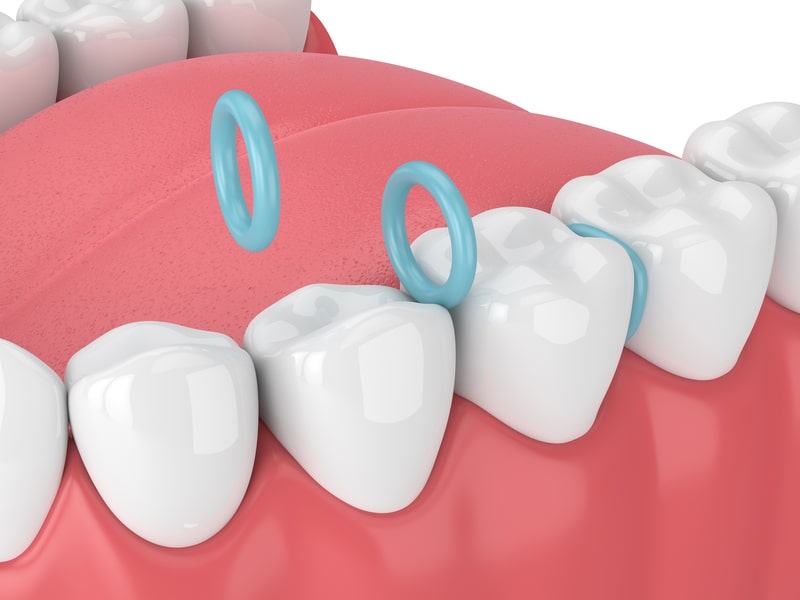
- Elastic Separators: These are the most common type, resembling tiny rubber bands. Made from a highly resilient, medical-grade elastic polymer, they are designed for flexibility and sustained force. Their elasticity allows them to be stretched and inserted between teeth, after which they slowly revert to their original shape, applying constant pressure. The material must be biocompatible, resistant to degradation from saliva and oral enzymes, and strong enough to maintain its integrity for the required duration (typically 1-2 weeks). The polymers are engineered for specific durometers (hardness) and elastic moduli to ensure effective yet gentle tooth movement.
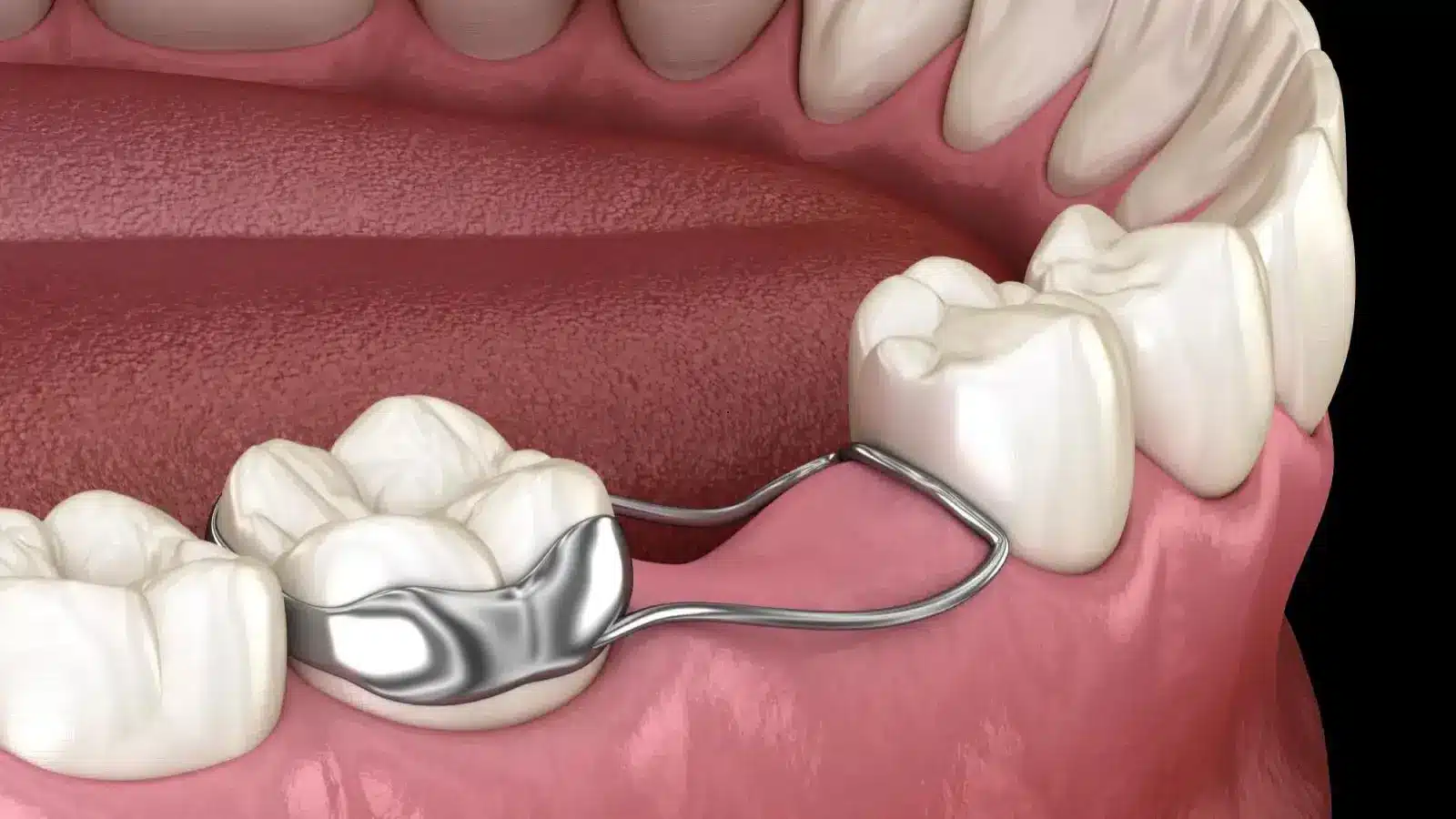
- Metal Separators (Spring Separators): Less common but used in specific cases, these are small metal springs, often made from nickel-titanium (NiTi) or stainless steel alloys. NiTi, a superelastic and shape-memory alloy, is particularly valued in orthodontics for its ability to exert consistent, gentle forces over long periods. Metal separators are designed with coiled spring mechanisms that, when compressed and placed between teeth, continuously push outwards. They are often preferred when greater separation is needed or when the tight contact points between teeth make elastic placement difficult. The metallurgy involved ensures high tensile strength, corrosion resistance, and predictable force delivery.
The selection between elastic and metal separators is a clinical decision based on the individual patient’s tooth anatomy, the degree of separation required, and the orthodontist’s preference, highlighting the personalized application of these engineered tools.
The Mechanics of Separation: How Spacers Create Space
The primary mechanical function of a spacer is to slightly spread apart adjacent teeth, typically molars. When an elastic spacer is placed, its elastic recovery mechanism constantly tries to return the band to its original, smaller diameter. This creates a sustained, gentle outward force on the proximal surfaces of the teeth. Similarly, metal spring separators exert a continuous outward push.
This constant, low-level force initiates a biological response within the periodontal ligament—the tissue that anchors the tooth to the bone. The pressure causes a remodeling process, where bone on one side of the tooth is subtly resorbed (broken down) and new bone is laid down on the other side. This process, known as orthodontic tooth movement, is gradual and controlled, ensuring that the teeth move without damage to the roots or surrounding structures. The typical goal is to create just enough space (often less than a millimeter) for the metal band to slide easily into place around the molar. This demonstrates sophisticated biomechanical engineering at play, leveraging biological responses to achieve a precise mechanical outcome.
Design and Application: Precision in Placement
The design of spacers is also optimized for ease of placement and retention. Elastic spacers are small rings with a specific thickness, designed to fit snugly. Their insertion often requires specialized pliers or floss to stretch them and guide them past the contact points between teeth. Metal separators feature specific loops or coils that allow for precise handling and positioning by the orthodontist. The design ensures that once placed, the spacer remains secure without embedding into the gum tissue or easily dislodging during chewing. This seemingly simple design conceals intricate considerations for optimal performance within the dynamic environment of the mouth.
The Technological Process: When and Why Spacers are Deployed
The deployment of spacers is a critical initial phase in the overall technological protocol for orthodontic treatment. It’s not an arbitrary step but a carefully planned maneuver within the patient’s digital blueprint for alignment. This step precedes the installation of the main brace system, ensuring that the foundation for subsequent tooth movement is correctly laid.
Preparing the Digital Blueprint: Pre-Spacer Assessment and Planning
Before any physical intervention, modern orthodontics often begins with a digital assessment. This involves X-rays, digital impressions (3D scans of the teeth), and sometimes even CBCT scans to create a comprehensive digital blueprint of the patient’s oral anatomy. Orthodontists use specialized software to analyze tooth positions, root structures, and bone density, planning the entire treatment sequence digitally. It is during this planning stage that the need for spacers is identified. If the molars are in tight contact, the software-driven analysis will predict difficulty in placing bands, thus necessitating the ‘pre-installation’ of spacers. This highlights how even a small device like a spacer is integrated into a larger, data-driven treatment strategy.
The ‘Installation’ Phase: What to Expect During Placement
The placement of spacers is a quick, straightforward procedure, often described as the “installation” of the initial component. The orthodontist or dental assistant uses specific tools (often two pieces of floss or specialized pliers for elastic spacers, or dedicated instruments for metal springs) to stretch the spacer and gently guide it between the specified teeth. Patients may feel a brief pressure or pinching sensation during insertion, followed by a feeling of tightness or mild pressure between the teeth. This sensation is evidence that the ‘technology’ is actively working, initiating the desired tooth separation. It’s a tangible sign that the biological system is responding to the engineered force.
Optimizing for Braces: The Spacer’s Role in a Tech-Driven Treatment Plan
The primary objective of spacers is to create sufficient clearance for the metal bands that will be cemented around the molars. These bands are integral components of the brace system, acting as robust anchors for the archwires and, often, other auxiliary components like headgear tubes or palate expanders. Without adequate space, attempting to force the bands would be painful, difficult, and potentially damaging to the teeth or gum tissue.
By ensuring proper band seating, spacers contribute to:
- Optimal Anchorage: Securely placed bands provide stable anchors, crucial for the efficient and controlled application of forces by the archwires to move other teeth.
- Reduced Discomfort: The creation of space prior to band placement makes the band installation much more comfortable for the patient.
- Enhanced System Stability: Well-fitting bands are less likely to become loose, reducing the need for re-cementation and minimizing treatment interruptions.
Thus, spacers aren’t merely about moving teeth; they are about optimizing the mechanical and biological environment to ensure the successful and efficient operation of the entire orthodontic ‘system.’
User Experience and Troubleshooting: Navigating Life with Orthodontic Tech
Living with orthodontic spacers, though temporary, involves a distinct user experience. Understanding how to manage these small devices, maintain their functionality, and troubleshoot common issues is key to a smooth transition into full brace treatment.
Initial Adaption: Understanding the Device’s Impact
Upon placement, patients typically report a feeling of pressure or mild soreness, akin to having food stuck between their teeth. This is a normal and expected response as the spacer begins its work. The sensation usually subsides within a few days as the teeth start to move and the body adapts to the new pressure. Patients might also notice a slight alteration in their bite due to the subtle shift in tooth position. This initial phase is crucial for the success of the spacer technology, as persistent force is required.
Maintenance and Care: Ensuring Optimal Performance
Proper care is essential to ensure the spacers remain in place and function effectively. Key instructions typically include:
- Dietary Modifications: Avoiding sticky foods (e.g., caramels, chewing gum) that can pull out spacers, and hard, crunchy foods (e.g., nuts, popcorn) that can dislodge or break them.
- Gentle Oral Hygiene: Brushing and flossing around spacers should continue, but with extra care. Flossing directly between the teeth with spacers is generally advised against, as it can accidentally remove them.
- Pain Management: Over-the-counter pain relievers can be used to manage initial discomfort, if necessary.
These guidelines are designed to prevent premature spacer removal, which would necessitate re-placement and potentially delay the overall treatment timeline, impacting the meticulously planned schedule.
Common ‘System’ Issues and Their Resolutions
While generally robust, spacers can encounter a few common ‘system’ issues:
- Dislodgement: A spacer might occasionally fall out, often because enough space has already been created, or due to dietary choices. If a spacer falls out a day or two before the scheduled appointment for braces, it might not be a concern as the space is likely established. However, if it comes out earlier, the orthodontist should be contacted to determine if re-placement is necessary to prevent the space from closing up.
- Increased Discomfort: While mild discomfort is normal, severe or persistent pain could indicate an issue and warrants a call to the orthodontist.
- Food Trapping: Due to the newly created space, food might more easily become trapped. Careful rinsing and gentle brushing can help manage this.
These troubleshooting tips ensure that the patient can effectively manage the temporary ‘device’ and contribute to the successful progression of their treatment.
Beyond the Spacer: How This Small Device Powers a Bigger System
The spacer, in its simplicity, exemplifies how critical preparatory steps are within a complex technological system like orthodontic treatment. It’s a testament to the adage that a chain is only as strong as its weakest link, and in this context, the spacer fortifies the first link.
Interoperability with Brace Systems: Ensuring a Seamless Transition
The ultimate goal of the spacer is to enable the seamless ‘interoperability’ between the patient’s existing dental anatomy and the sophisticated brace system. By precisely preparing the molar area, the spacer ensures that the orthodontic bands, which are custom-fitted components, can be installed correctly. This prevents issues like poor fit, gum irritation, or unstable anchorage that could compromise the entire treatment. The spacer acts as a critical interface, mediating the transition from natural tooth contact to a structured, appliance-driven environment.
The Data-Driven Outcome: Spacer’s Contribution to Treatment Success
While specific data points on spacer efficacy might not be isolated, their contribution is evident in the overall success rates of orthodontic treatments. By preventing complications at the banding stage, spacers indirectly contribute to:
- Predictable Treatment Timelines: Fewer issues with band placement mean fewer delays in starting and progressing treatment.
- Optimized Force Application: Properly anchored bands ensure that the forces applied by the archwires are delivered as intended, leading to efficient and predictable tooth movement.
- Enhanced Patient Compliance and Comfort: A smoother initial phase with less pain and fewer chair-side adjustments encourages better patient cooperation throughout the longer treatment duration.
In essence, the small, temporary spacer plays a foundational role in enabling the precise, data-driven outcomes that modern orthodontics strives for.
Empowering the Orthodontist: A Key Tool in the Digital Age of Dentistry
In an era where digital tools, 3D printing, and AI-powered diagnostics are transforming dentistry, the spacer might seem like a low-tech component. However, its continued use underscores its fundamental value. It represents a practical, effective solution for a common biological challenge, complementing high-tech planning with a necessary manual intervention. For the orthodontist, it remains a reliable, empowering tool that allows for necessary anatomical preparation, bridging the gap between digital planning and physical execution. It demonstrates that even as technology advances, foundational mechanical principles, precisely applied, remain indispensable.
In conclusion, the orthodontic spacer is far more than a simple elastic band or spring. It is a product of deliberate engineering, materials science, and biomechanical understanding, serving as a vital piece of ‘dental gadgetry.’ By performing its crucial preparatory role, it ensures the smooth integration and optimal performance of the entire brace system, laying the groundwork for a successful orthodontic journey and ultimately, a perfectly aligned smile. Understanding its function highlights the meticulous technological process behind orthodontic care, where every component, no matter how small, contributes significantly to the grand design.
aViewFromTheCave is a participant in the Amazon Services LLC Associates Program, an affiliate advertising program designed to provide a means for sites to earn advertising fees by advertising and linking to Amazon.com. Amazon, the Amazon logo, AmazonSupply, and the AmazonSupply logo are trademarks of Amazon.com, Inc. or its affiliates. As an Amazon Associate we earn affiliate commissions from qualifying purchases.