
Navigating the complexities of Social Security benefits can be a daunting task for many Americans. Designed to provide a financial safety net for retirees, disabled individuals, and survivors, the system plays a crucial role in millions of households. However, even within this structured framework, situations can arise that lead to unexpected financial challenges. One such scenario is a Social Security overpayment – a situation where the Social Security Administration (SSA) determines that a beneficiary has received more money than they were legally entitled to for a particular period.
An overpayment is not merely an administrative hiccup; it can have significant financial implications for the individual involved, potentially leading to demands for repayment, benefit reductions, or even deeper financial strain. Understanding what an overpayment is, how it occurs, and how to address it is paramount for anyone receiving Social Security benefits. This article delves into the intricacies of Social Security overpayments, offering a professional, insightful, and engaging guide to help beneficiaries comprehend and manage this often-stressful financial situation, ensuring they can protect their financial well-being.

Understanding the Mechanisms of Social Security Overpayments
Social Security overpayments are a relatively common occurrence, stemming from a variety of factors that can impact a beneficiary’s eligibility or the amount of benefits they receive. To effectively manage this issue, it’s crucial to first grasp how and why these overpayments arise.
How Overpayments Occur
Overpayments are rarely intentional on the part of the beneficiary and often result from a combination of circumstances and administrative processes.
-
Changes in Income and Earnings: For certain types of benefits, particularly Supplemental Security Income (SSI) and Social Security Disability Insurance (SSDI) beneficiaries who attempt to work, exceeding specific income or earnings limits is a primary cause of overpayment. For retirement beneficiaries who claim benefits before their full retirement age, earning above the annual earnings limit can also trigger an overpayment, as a portion of their benefits may be temporarily withheld.
-
Changes in Living Arrangements or Marital Status: SSI benefits, which are needs-based, are highly sensitive to changes in living arrangements (e.g., moving in with someone who contributes to household expenses) or marital status. Such changes can alter the calculation of countable income and resources, leading to a recalculation of benefits and a potential overpayment if not reported promptly.
-
Failure to Report Relevant Information: The onus is often on the beneficiary to report changes that could affect their eligibility or payment amount. This includes changes in income, resources, work status, living arrangements, marital status, or even custody of children. Delays or failures in reporting these changes can result in the SSA continuing to pay benefits at an incorrect rate, accumulating an overpayment.
-
Administrative Errors by the SSA: While beneficiaries have a responsibility to report changes, the SSA itself can sometimes make errors. These might include incorrect calculations, processing delays, or misinterpretations of reported information. When the SSA discovers such an error, it can lead to the declaration of an overpayment, even if the beneficiary acted in good faith.
-
Changes in Beneficiary Status: For auxiliary benefits, such as those paid to a child based on a parent’s record, an overpayment can occur if the child reaches a certain age (e.g., 18 or 19 if still in high school) or if their student status changes, but benefits continue to be paid. Similarly, a surviving spouse’s remarriage can impact survivor benefits.
-
Concurrent Receipt of Other Benefits: Receiving other government benefits (e.g., workers’ compensation, public disability benefits) can sometimes reduce Social Security benefits. If the SSA is not promptly informed of these other benefits, an overpayment may occur.
Types of Social Security Benefits Affected
Overpayments can impact virtually any type of benefit administered by the Social Security Administration.
-
Retirement Benefits (RSI): Individuals receiving retirement benefits, particularly those who begin receiving benefits before their full retirement age and continue to work, can incur overpayments if their earnings exceed the annual earnings limit.
-
Disability Benefits (SSDI): SSDI recipients are subject to “Substantial Gainful Activity” (SGA) rules. If a disabled individual works and their earnings consistently exceed the SGA limit without proper reporting or an approved trial work period, an overpayment can occur.
-
Supplemental Security Income (SSI): SSI, being a needs-based program, is most susceptible to overpayments. Changes in income, resources, living arrangements, marital status, or even in-kind support and maintenance can rapidly affect eligibility and payment amounts.
-
Survivors Benefits: Benefits paid to surviving spouses, children, or dependent parents can be affected by changes such as remarriage (for a surviving spouse), a child coming of age, or a change in the child’s student status.
-
Auxiliary Benefits: Benefits paid to spouses, children, or other dependents based on another individual’s earnings record are also prone to overpayments if the dependent’s status changes (e.g., a child leaving school, a spouse remarrying).
Understanding these common causes and affected benefit types is the first step toward preventing overpayments or, if one occurs, knowing how to approach the situation with the necessary information and strategy.
The Financial Ramifications of an Overpayment Notice
Receiving an overpayment notice from the Social Security Administration can be a source of significant anxiety and financial stress. It’s a formal communication that demands attention and a clear understanding of its implications. Ignoring such a notice can lead to severe consequences for your financial stability.
Receiving an Overpayment Notice
When the SSA determines an overpayment has occurred, they will send a formal notice. This document is crucial and should be carefully reviewed.
-
Content of the Notice: The notice will clearly state the amount of the overpayment, the period during which it occurred, and the SSA’s reason for determining an overpayment. Crucially, it will also outline your rights, including your right to appeal the decision and your right to request a waiver of repayment.
-
Importance of Not Ignoring It: An overpayment notice is not merely advisory; it’s a demand for repayment. Ignoring it will not make the problem disappear and will likely escalate the issue, limiting your options and potentially leading to more aggressive collection actions by the SSA. It’s vital to respond within the specified timeframe, usually 30 or 60 days, to preserve your appeal and waiver rights.
Repayment Obligations and Methods
Once an overpayment has been established, the SSA will seek to recover the funds. There are several methods by which this repayment can occur.
-
Lump Sum Payment: The SSA may request that you repay the entire overpayment amount in one lump sum. This is often the most straightforward method for the SSA but can be a substantial financial burden for beneficiaries, especially given that many rely on their benefits for daily living expenses.
-
Monthly Installment Plan: If a lump sum is not feasible, beneficiaries can often negotiate a monthly installment plan. This involves paying a set amount each month until the overpayment is repaid. The SSA typically aims for a repayment schedule that is affordable, often around 10% of your total monthly benefit, but you can propose a lower amount based on your financial circumstances.
-
Benefit Withholding: This is the most common method of recoupment. If you do not appeal or request a waiver, or if your appeal/waiver is denied, the SSA will likely begin withholding a portion or, in some cases, all of your monthly Social Security benefits until the overpayment is recovered. For SSI benefits, the default withholding rate is 10% of your total monthly payment. For other benefits, it can be up to 100% of your monthly benefit if no other arrangement is made.
-
Tax Refund Offset: In some situations, especially if benefits are no longer being paid, the SSA may refer the debt to the Treasury Department, which can then intercept federal tax refunds to recover the overpayment.
Consequences of Non-Compliance
Failing to address an overpayment notice can lead to increasingly severe financial repercussions.
-
Continued and Full Withholding: If you do not respond or establish a repayment plan, the SSA has the authority to withhold up to 100% of your future benefits, which can be catastrophic for individuals relying on these funds for survival.
-
Referral to Treasury for Collection: Unpaid overpayments can be referred to the U.S. Treasury for collection. This can lead to broader collection actions, including the offset of other federal payments (like tax refunds), and even referral to private collection agencies.
-
Potential for Legal Action: While less common for typical overpayments, in cases of substantial debt or perceived fraud, the SSA and Treasury Department have legal avenues to pursue collection, though this is usually a last resort.
-
Impact on Future Benefits: An unresolved overpayment can complicate future interactions with the SSA and may be a factor in processing subsequent claims or adjustments.
The financial ramifications of an overpayment are serious, underscoring the critical need for prompt and informed action upon receiving an overpayment notice. Understanding these potential outcomes empowers beneficiaries to navigate the situation proactively and protect their financial health.
Navigating the Appeals and Waiver Process
Facing a Social Security overpayment can be daunting, but beneficiaries are not without recourse. The Social Security Administration provides formal processes for individuals to dispute an overpayment or seek relief from repayment. Understanding your rights to appeal and request a waiver is paramount to effectively managing this financial challenge.
Your Right to Appeal
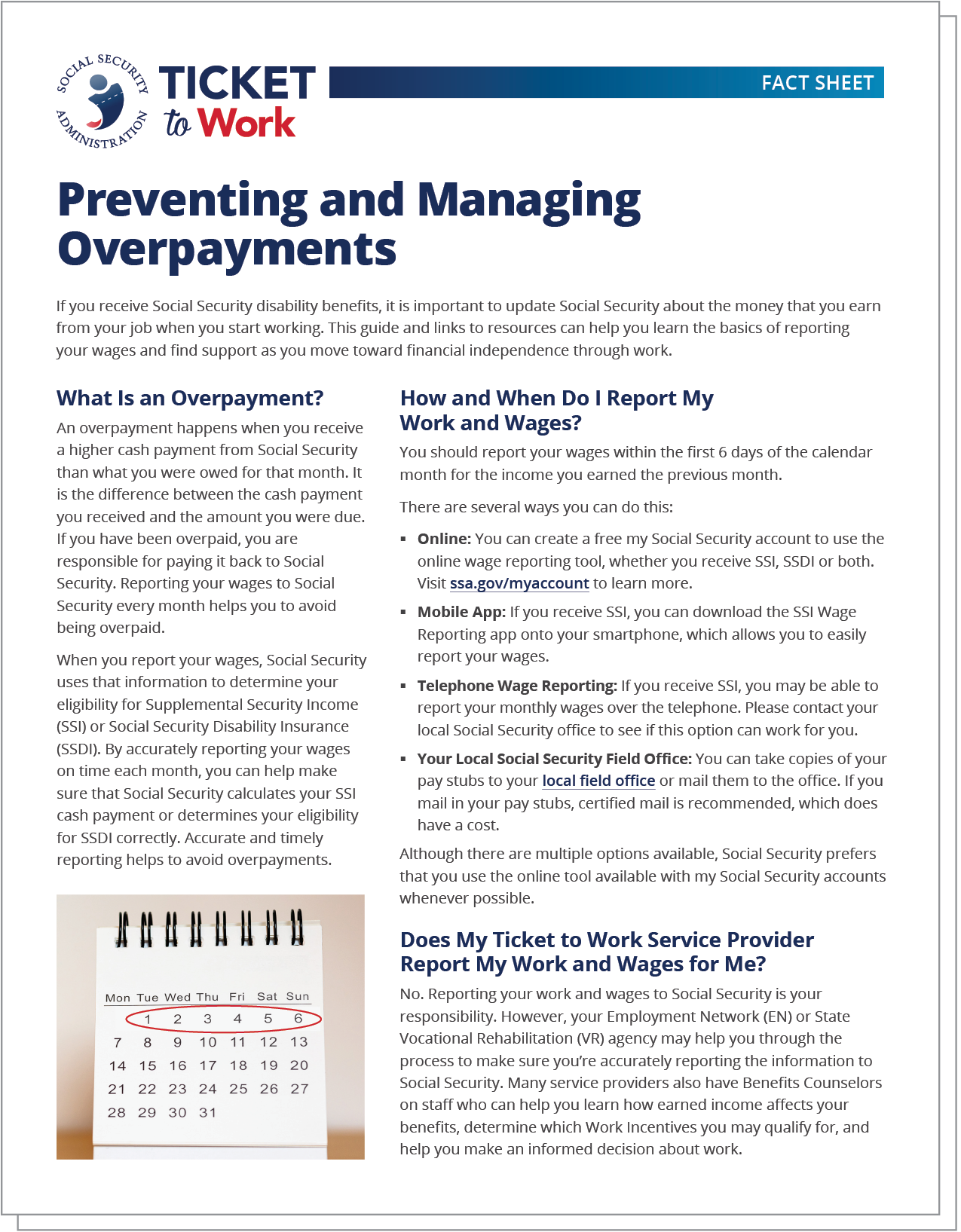
If you believe the SSA’s determination of an overpayment is incorrect, either regarding the fact that an overpayment occurred or the amount of the overpayment, you have the right to appeal.
-
Request for Reconsideration: The first step in the appeals process is to file a “Request for Reconsideration.” This means you are asking the SSA to review their decision. You will need to explain why you disagree with the overpayment decision and provide any evidence that supports your claim (e.g., proof of reported income, documents correcting administrative errors, verification of living arrangements).
-
Time Limits for Appeal: It is critical to act quickly. Generally, you have 60 days from the date you receive the overpayment notice to file your Request for Reconsideration. If you file within 30 days, any collection actions (like benefit withholding) will typically be put on hold until a decision is made on your appeal. Missing this deadline can result in the SSA moving forward with collection.
-
Importance of Providing Evidence: A successful appeal hinges on providing clear and compelling evidence. This might include pay stubs, bank statements, marriage certificates, divorce decrees, lease agreements, or any correspondence with the SSA that proves you reported information or that the SSA made an error. Organize your evidence meticulously to present a strong case.
Requesting a Waiver of Overpayment Recovery
Even if you agree that an overpayment occurred, you may still be able to avoid repayment if you meet specific criteria for a waiver. A waiver request argues that repayment would be unfair.
-
Criteria for Waiver: To qualify for a waiver of repayment, you generally must meet two conditions:
-
It was not your fault: You must demonstrate that you were “without fault” in causing the overpayment. This means you did not cause the overpayment due to fraud, misrepresentation, or intentionally withholding information. Examples include an SSA administrative error, a misunderstanding of complex rules despite your best efforts, or relying on incorrect information given by the SSA.
-
Recovery would cause financial hardship: You must also show that repayment would either “defeat the purpose of Title II or Title XVI of the Social Security Act” or be “against equity and good conscience.”
-
Defeat the purpose: This generally means you need your current income and resources to meet ordinary and necessary living expenses. Repaying the overpayment would leave you unable to pay for food, shelter, medical care, or other basic necessities.
-
Against equity and good conscience: This applies if you changed your position for the worse or gave up a valuable right because you relied on the incorrect payment, or if you were legally liable for an overpayment that was made to another person.
-
-
-
The Waiver Application Process (Form SSA-632): To request a waiver, you’ll need to complete Form SSA-632, “Request for Waiver of Overpayment Recovery.” This form requires detailed information about your income, assets, expenses, and a thorough explanation of why you believe you were without fault and why repayment would cause hardship. The SSA will scrutinize this information to determine your eligibility.
-
Providing Detailed Financial Information: Be prepared to provide extensive documentation of your financial situation, including bank statements, bills, receipts, and any other proof of income and expenses. The SSA needs a clear picture of your financial standing to assess hardship.
Legal Assistance and Advocacy
Navigating the appeals and waiver process can be complex and emotionally draining. Sometimes, professional help is invaluable.
-
When to Consider Legal Aid or a Representative: If the overpayment amount is substantial, the case is complex, or you feel overwhelmed by the process, considering legal assistance or a representative (such as a non-attorney advocate) is a wise decision. They can help you understand the rules, gather evidence, complete forms, and represent you in discussions with the SSA.
-
Organizations That Can Help: Various organizations specialize in assisting Social Security beneficiaries. These include local legal aid services, non-profit organizations focused on elder law or disability rights, and private attorneys specializing in Social Security law. Many offer free or low-cost consultations.
By understanding and utilizing the appeals and waiver processes, beneficiaries can challenge overpayment decisions, protect their financial stability, and ensure they are treated fairly within the Social Security system. Proactive engagement with these options is the key to a favorable resolution.
Proactive Measures to Prevent Overpayments
While the Social Security Administration endeavors to administer benefits accurately, beneficiaries play a crucial role in preventing overpayments. Taking proactive steps to ensure the SSA has the most up-to-date and correct information is not only a responsibility but also a critical strategy for maintaining financial security.
Diligent Reporting to the SSA
The most significant proactive measure beneficiaries can take is timely and accurate reporting of any changes that could affect their benefit eligibility or amount.
-
Changes in Income and Earnings: For those receiving SSI, SSDI, or retirement benefits before full retirement age, reporting changes in earnings is paramount. Even small or temporary jobs, or changes in income from other sources (like pensions or workers’ compensation), can impact benefit calculations. Report these changes promptly, ideally within 10 days of the end of the month in which the change occurred.
-
Changes in Marital Status or Living Arrangements: Especially for SSI recipients, getting married, divorced, separated, or experiencing changes in who lives in your household (and their financial contribution) can directly affect your benefit amount. Report these changes immediately to avoid potential overpayments.
-
Changes in Medical Condition (for Disability Recipients): If your medical condition improves to the point where you are able to return to work, or if you begin a “Trial Work Period” (TWP) or “Extended Period of Eligibility” (EPE), these activities must be reported to the SSA. Failing to report work activity is a primary cause of disability overpayments.
-
Changes in Dependents: For those receiving benefits based on their dependents (e.g., children), reporting changes such as a child reaching adulthood, getting married, leaving school, or a change in custody is essential.
-
Timeliness of Reporting: Reporting changes late is almost as problematic as not reporting them at all. The SSA determines benefit amounts based on past information. If they are not updated promptly, they will continue to pay an incorrect amount, leading to an overpayment.
Understanding Your Benefit Rules
Ignorance of the rules is not an excuse for overpayments. Beneficiaries have a responsibility to understand the conditions of their benefits.
-
Reviewing Annual Statements: The SSA sends out various notices and statements, including annual cost-of-living adjustment (COLA) letters and detailed benefit statements. Review these documents carefully for accuracy. If something seems incorrect or you don’t understand it, contact the SSA for clarification.
-
Utilizing the “my Social Security” Account: Creating and regularly checking your “my Social Security” account online is an excellent way to monitor your benefit information, earnings record, and communication from the SSA. This digital portal provides convenient access to your personal information and allows for some reporting.
-
Asking Questions if Unsure: Never hesitate to contact the SSA if you are unsure about how a change in your life might affect your benefits. It is always better to clarify information beforehand than to deal with an overpayment later. Document your calls, including the date, time, and the name of the representative you spoke with.
Keeping Meticulous Records
Maintaining thorough records is a safeguard against disputes and aids in proving your case should an overpayment ever arise.
-
Copies of Documents Sent to SSA: Whenever you submit forms, reports, or any other documentation to the SSA, make sure to keep a copy for your records. This includes copies of earnings reports, living arrangement changes, or medical updates.
-
Records of Income, Assets, and Expenses: Maintain detailed records of your income, bank statements, asset values (especially for SSI), and significant expenses. This financial documentation is crucial if you ever need to appeal an overpayment or request a waiver based on financial hardship.
-
Correspondence with the SSA: Keep a file of all letters, emails, or notes from phone calls with the SSA. This can be invaluable in demonstrating that you reported information, followed instructions, or were given incorrect advice.
By actively engaging in diligent reporting, understanding your benefit terms, and maintaining meticulous records, Social Security beneficiaries can significantly reduce their risk of incurring an overpayment. These proactive measures empower individuals to protect their financial well-being and ensure a smoother, more predictable experience with the Social Security system.

Conclusion
Social Security overpayments, while an unfortunate reality for some beneficiaries, are a manageable challenge when approached with knowledge and proactive engagement. Understanding “what is a Social Security overpayment” involves grasping not only how these financial discrepancies arise but also the structured pathways available for beneficiaries to address them. From the initial notification to the complex processes of appeal and waiver, beneficiaries possess rights and responsibilities that can significantly influence the outcome.
The financial implications of an overpayment notice can be substantial, underscoring the critical importance of immediate action. Ignoring such a notice can escalate the situation, leading to benefit withholding, tax refund offsets, and increased financial strain. Conversely, by promptly reviewing the notice, understanding its contents, and responding within the stipulated timeframes, beneficiaries preserve their ability to dispute the claim or seek relief.
Crucially, the Social Security Administration provides avenues for recourse through the appeals process, allowing individuals to challenge the existence or amount of an overpayment, and the waiver process, which offers relief from repayment if certain “without fault” and “financial hardship” criteria are met. Navigating these processes effectively often requires meticulous record-keeping and, at times, the assistance of legal professionals or advocates who can provide invaluable guidance.
Ultimately, the best defense against a Social Security overpayment is proactive prevention. Diligent and timely reporting of life changes—such as alterations in income, marital status, living arrangements, or work activity—coupled with a clear understanding of benefit rules and meticulous record-keeping, are the cornerstones of responsible benefit management.
By remaining informed, communicative, and proactive, Social Security beneficiaries can safeguard their financial stability, navigate potential overpayment challenges with confidence, and ensure the vital safety net provided by Social Security continues to serve its intended purpose effectively.
aViewFromTheCave is a participant in the Amazon Services LLC Associates Program, an affiliate advertising program designed to provide a means for sites to earn advertising fees by advertising and linking to Amazon.com. Amazon, the Amazon logo, AmazonSupply, and the AmazonSupply logo are trademarks of Amazon.com, Inc. or its affiliates. As an Amazon Associate we earn affiliate commissions from qualifying purchases.