
In an increasingly interconnected and conscious world, understanding the nuances of human interaction, cultural contexts, and collective belief systems is no longer a peripheral concern for businesses; it is the very bedrock upon which successful brands are built. This understanding is precisely what a “social perspective” entails. More than just a buzzword, a social perspective is an analytical lens through which individuals, groups, and organizations interpret and engage with the world around them. It encompasses the shared values, norms, beliefs, and expectations that shape how people perceive reality, make decisions, and interact with others.
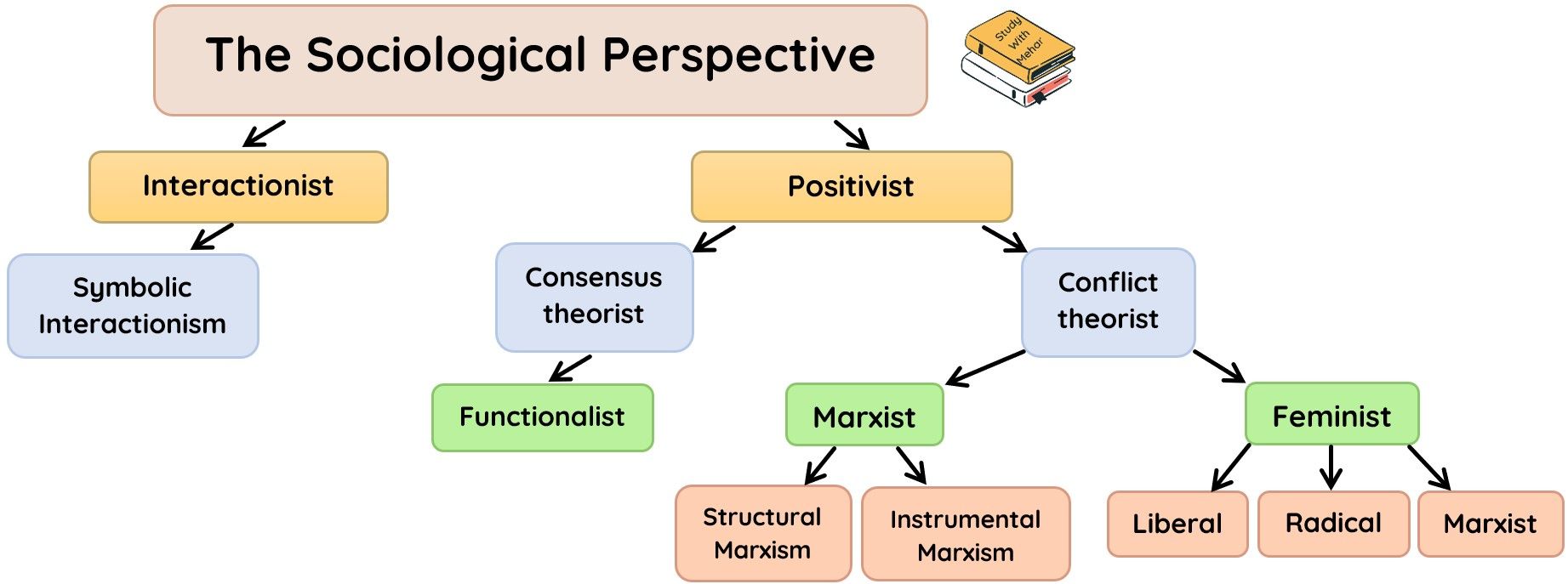
For brands, grasping a social perspective means moving beyond basic demographics to delve into the psychographic and socio-cultural fabric of their audience. It’s about recognizing that consumers are not just market segments but individuals embedded in complex social networks, influenced by societal narratives, and driven by a desire for connection, meaning, and self-expression. A profound understanding of these social dynamics empowers brands to forge deeper, more authentic connections, resonate more profoundly, and ultimately, build lasting loyalty. Without this perspective, brands risk operating in a vacuum, developing products and messages that miss the mark, appear tone-deaf, or alienate the very communities they seek to engage. It’s the difference between merely selling a product and truly becoming a part of someone’s life, a reflection of their values, and a contributor to their desired social reality.
The Foundational Role of Social Perspective in Branding
A brand is not merely a logo, a product, or a service; it is a promise, an experience, and, fundamentally, a social construct. Its meaning is co-created in the minds of consumers, influenced by collective experiences, cultural narratives, and societal values. Therefore, integrating a social perspective is not an optional add-on but an essential pillar in modern brand strategy.
Understanding Consumer Behavior and Market Trends
At its core, branding seeks to influence consumer choices. A social perspective offers invaluable insights into the ‘why’ behind these choices, extending beyond individual preferences to uncover the social forces at play. For instance, the rise of conscious consumerism isn’t just about individual ethics; it reflects a broader societal shift towards environmental responsibility and ethical labor practices. Brands that genuinely understand this collective social sentiment can align their values, supply chains, and messaging to resonate authentically. This goes beyond traditional market research, which often captures explicit desires, to uncover implicit social drivers, anxieties, and aspirations that dictate how trends emerge, evolve, and impact purchasing decisions. Whether it’s the cultural cachet of certain luxury goods, the community aspect of wellness brands, or the political undertones of sustainable products, social perspectives dictate market receptivity and shape purchasing patterns.
Shaping Brand Identity and Values
A brand’s identity—what it stands for, its personality, and its core message—must be rooted in a deep understanding of its intended social context. Does the brand aim to be seen as an innovator, a disruptor, a trusted friend, or a symbol of status? Each of these identities relies on leveraging specific social cues and fulfilling particular social roles. For example, a brand aiming for a ‘disruptor’ identity might intentionally challenge established social norms or traditional industry practices. Conversely, a brand seeking ‘trusted friend’ status would emphasize reliability, community, and shared experiences. Moreover, a brand’s values, if they are to be truly embraced by consumers, must align with or actively contribute to the social values prevalent within its target demographic. This isn’t about opportunistically adopting popular causes but about authentic integration that reflects genuine purpose and contributes positively to societal discourse.
Cultivating Brand Relevance and Resonance
In a crowded marketplace, relevance is paramount. A social perspective ensures that a brand remains pertinent by anticipating and adapting to shifts in cultural landscapes, generational values, and societal expectations. What was considered cutting-edge or desirable a decade ago might be obsolete or even offensive today. Brands like Nike, through their consistent alignment with narratives of empowerment and athletic achievement, or Dove, by challenging unrealistic beauty standards, demonstrate an acute understanding of prevailing social desires and tensions. Their campaigns resonate because they tap into deeper social conversations, offering not just products, but reflections of aspirations and solutions to societal pressures. This deep resonance creates an emotional bond that transcends transactional relationships, fostering a sense of belonging and advocacy among consumers.
Social Perspective as a Compass for Marketing and Communication
Marketing is fundamentally about communication, and effective communication requires understanding the audience not just as individuals, but as members of a larger social tapestry. A social perspective acts as a compass, guiding brands to craft messages that are not only heard but felt, understood, and acted upon.
Crafting Emotive and Impactful Narratives
Storytelling is a potent marketing tool, but its impact is amplified when narratives tap into shared social experiences, emotions, and aspirations. A social perspective allows brands to identify universal themes—belonging, achievement, care, struggle, transformation—and weave them into their messaging in ways that resonate deeply with diverse audiences. This means understanding the emotional triggers, the cultural symbols, and the collective anxieties or joys that define a particular social group. For instance, a campaign focusing on intergenerational connection speaks to a fundamental social value, potentially moving audiences more than a mere product demonstration. By understanding the social context in which their stories will be received, brands can craft narratives that aren’t just informative, but emotionally stirring, culturally sensitive, and memorable.
Navigating Cultural Nuances and Global Markets
In today’s globalized economy, brands often operate across diverse cultural landscapes. What works in one market might spectacularly fail in another due to differing social norms, humor, taboos, and communication styles. A social perspective is crucial for navigating these complexities. It involves more than just translating language; it means localizing messages to respect and reflect specific cultural contexts, social hierarchies, and historical sensitivities. Brands must conduct thorough social research to understand local customs, religious beliefs, political climates, and community dynamics to avoid inadvertently causing offense or appearing irrelevant. This cultural intelligence is a direct output of a social perspective, enabling brands to build trust and acceptance in new markets, fostering a sense of familiarity and respect rather than appearing as an insensitive outsider.
Ethical Marketing and Social Responsibility
Increasingly, consumers expect brands to not only deliver quality products but also to act as responsible corporate citizens. This expectation stems from a powerful social perspective that values transparency, ethical conduct, and positive societal contribution. Brands are scrutinized for their environmental impact, labor practices, diversity initiatives, and overall contribution to public good. Marketing that attempts to greenwash or “woke-wash” without genuine commitment is quickly exposed and condemned by socially aware consumers. A true social perspective encourages brands to embed ethics and social responsibility into their core operations and communications, rather than treating them as separate PR exercises. It means understanding the social implications of their actions and proactively contributing to solutions for societal challenges, aligning their brand with a broader sense of collective well-being.
Leveraging Social Perspective for Brand Innovation and Differentiation
In a saturated market, differentiation is key to survival and growth. A social perspective provides a unique lens through which brands can identify opportunities for innovation, not just in product features but in the very experience and meaning they offer to consumers.
Identifying Unmet Needs and Emerging Opportunities
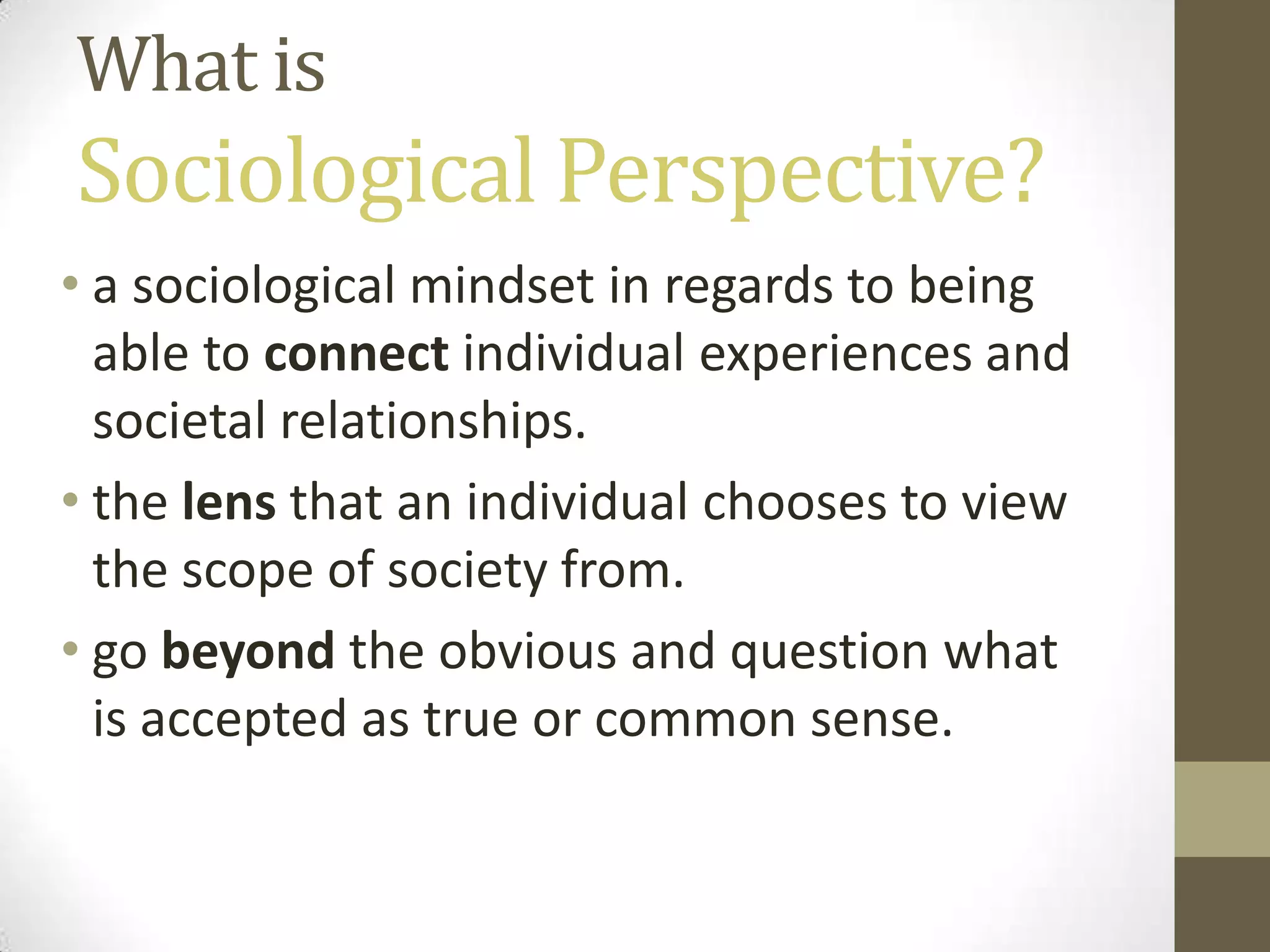
Social perspectives reveal collective needs that may not be explicitly articulated through traditional market surveys. By observing how people interact, what challenges they face in their daily lives, and what values are gaining traction within society, brands can identify white spaces for innovation. For example, the rise of the gig economy and the increasing social acceptance of flexible work arrangements opened up new opportunities for co-working spaces, specialized software, and financial services tailored to freelancers. Similarly, understanding the growing social value placed on mental well-being has spurred innovation in wellness apps, mindfulness products, and supportive community platforms. A brand that is attuned to these evolving social currents can anticipate needs before they become widespread, positioning itself as a pioneer.
Designing User-Centric Products and Experiences
User experience (UX) and customer experience (CX) are not purely technical or design challenges; they are deeply social. How people interact with a product or service is often shaped by their social habits, expectations, and even their desire for social validation or connection. A social perspective encourages brands to design products and services that seamlessly integrate into users’ lives, respecting their existing social routines and enhancing their social interactions. This could mean designing apps with built-in sharing functionalities, creating physical spaces that foster community, or developing services that simplify socially complex tasks. The goal is to create experiences that don’t just solve a problem, but enrich social life, foster connection, and make users feel understood and valued within their social context.
Building Community and Fostering Advocacy
In the digital age, consumers don’t just buy from brands; they join them. A strong social perspective is vital for cultivating vibrant brand communities where customers feel a sense of belonging and shared identity. These communities are not merely marketing channels; they are spaces for collective action, mutual support, and organic brand advocacy. Brands that successfully leverage social perspective empower their customers to become co-creators and evangelists, turning passive consumers into active participants. This is achieved by understanding what social glue holds these communities together—shared passions, common values, a collective identity—and then nurturing those elements. When a brand fosters a strong community, it taps into the fundamental human need for connection, transforming transactions into relationships and loyalty into genuine advocacy.
The Evolving Nature of Social Perspective in the Digital Age
The digital age has profoundly reshaped how social perspectives are formed, disseminated, and understood. The speed and scale of information flow, coupled with the immediacy of feedback, mean that brands must be more agile and perceptive than ever before.
The Impact of Social Media and Online Discourse
Social media platforms are not just communication tools; they are powerful amplifiers of social perspectives, where trends emerge, opinions coalesce, and collective sentiments are expressed in real-time. Brands must monitor these digital social spaces to gauge public mood, identify emerging conversations, and understand how their brand is being discussed. A single viral post, positive or negative, can significantly alter a brand’s social perception overnight. Therefore, a brand’s social perspective must extend to understanding the dynamics of online discourse, recognizing influencers, identifying echo chambers, and discerning authentic sentiment from noise. This necessitates not just reactive listening but proactive engagement, becoming part of the social conversation in a meaningful and authentic way.
Data-Driven Insights vs. Qualitative Understanding
While big data and advanced analytics provide invaluable quantitative insights into consumer behavior, they often lack the ‘why’—the underlying social motivations, emotions, and cultural contexts. A robust social perspective combines the power of data-driven insights with qualitative research methodologies such as ethnography, focus groups, and in-depth interviews. This blended approach allows brands to understand not just what people are doing, but why they are doing it, how they feel about it, and what social forces are at play. For instance, data might show a dip in product usage, but qualitative social research could reveal that a new social trend or a shifting cultural value has made the product feel outdated or less relevant. The synergy between quantitative data and qualitative social understanding is critical for holistic brand strategy.
Authenticity, Transparency, and Crisis Management
In an era of hyper-connectivity, consumers expect authenticity and transparency from brands. Social media has democratized information, making it easier for consumers to expose corporate missteps or call out perceived inauthenticity. A strong social perspective means understanding this heightened expectation and building a brand culture that prioritizes ethical behavior, transparent communication, and genuine engagement. When crises inevitably arise, a brand with a well-developed social perspective is better equipped to manage them. By understanding the social implications of the crisis, the emotional responses of various stakeholders, and the underlying societal values that have been breached, brands can respond with empathy, accountability, and strategic precision, turning potential disasters into opportunities to reinforce trust.
Implementing a Social Perspective Lens in Your Brand Strategy
Integrating a social perspective is not a one-time project but an ongoing commitment that permeates every aspect of brand strategy. It requires a shift in mindset and a dedication to continuous learning and adaptation.
Research Methodologies: Beyond Demographics
To truly understand social perspectives, brands must expand their research toolkit beyond traditional demographic surveys. This includes investing in ethnographic studies that observe consumers in their natural environments, conducting deep psychographic analysis to understand values and lifestyles, and engaging in socio-cultural trend forecasting. Tools like social listening platforms, sentiment analysis, and community forums become essential for real-time monitoring of collective consciousness. Furthermore, cross-cultural research is paramount for brands with global ambitions, ensuring that insights are locally relevant and culturally sensitive. The goal is to move beyond superficial statistics to gain a profound, empathetic understanding of the human beings behind the data points.
Internalizing Social Values within the Organization
A brand’s external message of social responsibility and understanding rings hollow if it’s not reflected internally. Companies must cultivate a culture that values diversity, equity, and inclusion, and encourages employees to bring their full, authentic selves to work. This means fostering an environment where different social perspectives are not just tolerated but actively sought out and integrated into decision-making. Internalizing social values within the organization ensures that brand messaging is authentic, that product development considers diverse user needs, and that the company’s actions are consistently aligned with its stated values, thereby building brand integrity from the inside out.
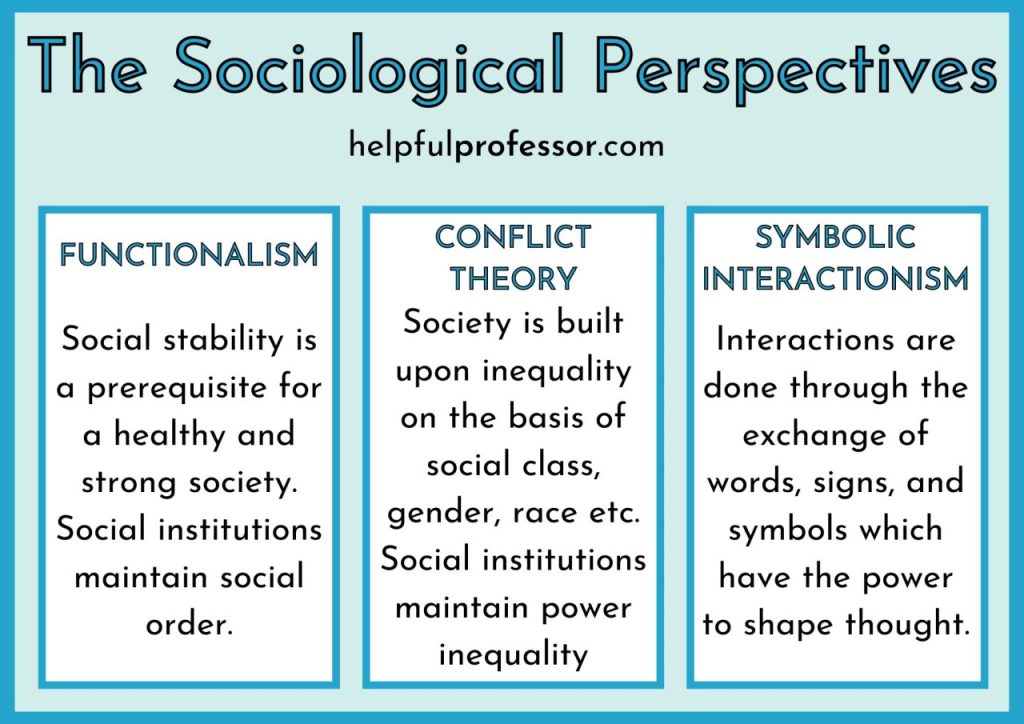
Continuous Monitoring and Adaptation
Social perspectives are not static; they are dynamic, constantly evolving with cultural shifts, technological advancements, and global events. Therefore, a brand’s commitment to understanding them must be continuous. This involves ongoing market research, regular social listening, and a willingness to adapt brand strategies, messaging, and even product offerings in response to new insights. Brands must remain agile, treating their social perspective as a living, breathing component of their strategy, ready to pivot and innovate as the social landscape transforms. This continuous cycle of learning, adapting, and engaging ensures that a brand remains relevant, resonant, and genuinely connected to the communities it serves.
In conclusion, a social perspective is the strategic bedrock for building enduring brands in the 21st century. It transforms brands from mere commercial entities into culturally astute, socially responsible, and deeply connected participants in the human experience. By embracing this lens, brands can transcend transactional relationships, fostering genuine loyalty, driving meaningful innovation, and ultimately, achieving sustainable success by truly understanding and serving the complex, ever-evolving social fabric of their world.
aViewFromTheCave is a participant in the Amazon Services LLC Associates Program, an affiliate advertising program designed to provide a means for sites to earn advertising fees by advertising and linking to Amazon.com. Amazon, the Amazon logo, AmazonSupply, and the AmazonSupply logo are trademarks of Amazon.com, Inc. or its affiliates. As an Amazon Associate we earn affiliate commissions from qualifying purchases.