
In the contemporary digital landscape, a brand’s presence is no longer defined solely by its website or traditional advertising. Instead, the heartbeat of a corporate identity resides within the dynamic, fast-paced ecosystems of social platforms. Social Media Optimization (SMO) has emerged as the strategic bridge between a brand’s core values and its target audience. While often confused with Social Media Marketing (SMM), SMO is fundamentally about refining the brand’s digital infrastructure to enhance discoverability, foster trust, and ensure that every interaction reinforces a cohesive brand narrative. It is the practice of fine-tuning a brand’s social profile and content strategy to maximize its organic reach and impact.
The Strategic Foundations of Social Media Optimization
To understand Social Media Optimization, one must first view it through the lens of brand strategy. SMO is the process of increasing the awareness of a product, brand, or event by using a number of social media outlets and communities to generate viral publicity. However, from a strategic branding perspective, it is much more than “going viral.” It is about establishing a permanent and authoritative footprint in the digital space.
Defining SMO in the Context of Brand Strategy
In the realm of brand strategy, SMO serves as the organic counterpart to Search Engine Optimization (SEO). While SEO focuses on making a brand visible on search engines like Google, SMO focuses on making the brand prominent within social networks. A well-optimized social presence ensures that when a potential customer encounters the brand on LinkedIn, Instagram, or X (formerly Twitter), they are met with a professional, authoritative, and engaging experience.
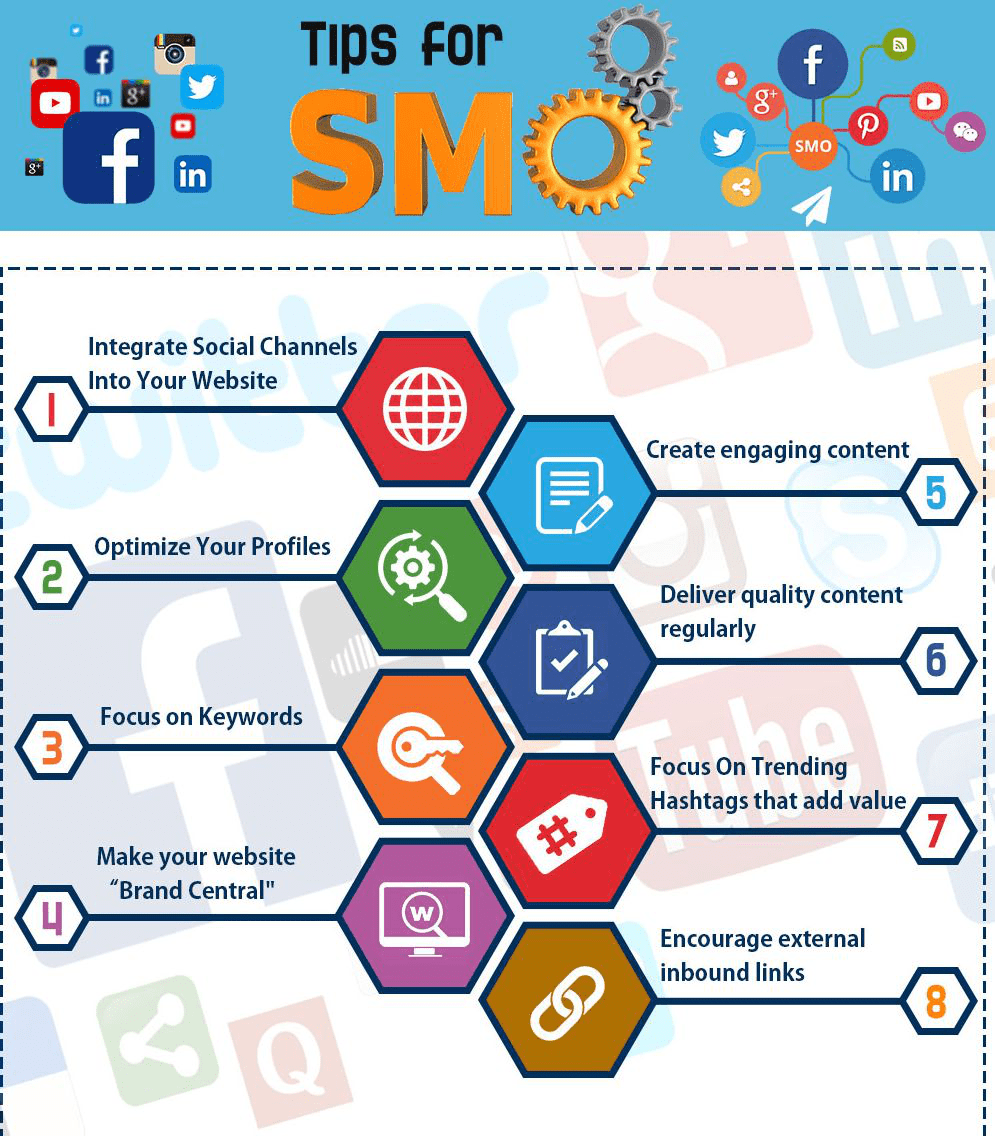
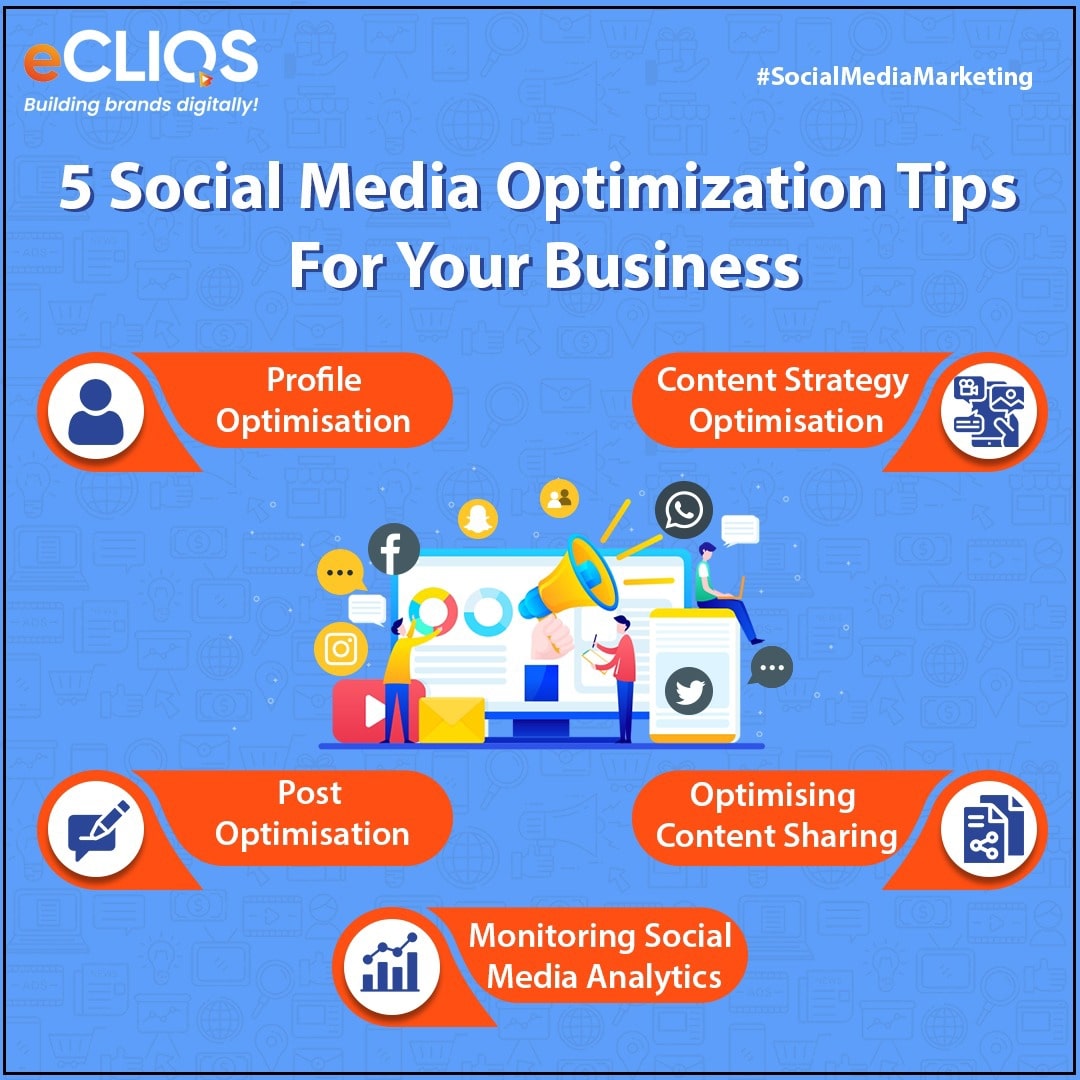
Optimization in this context involves the meticulous curation of profiles—ensuring that bios are keyword-rich yet human-centric, profile images are high-resolution and consistent, and contact information is readily available. It is about creating a “digital storefront” that is as welcoming and informative as a flagship physical location. By treating social profiles as primary brand touchpoints, organizations can ensure that their first impression is not left to chance.
The Synergy Between SMO and Brand Visibility
The primary objective of SMO is to enhance a brand’s visibility within the algorithms of various platforms. Unlike paid advertising, which forces visibility through budget, SMO earns visibility through relevance and resonance. When a brand optimizes its content—using the right hashtags, posting at peak engagement times, and utilizing platform-specific features like “Reels” or “Threads”—it signals to the platform’s algorithm that the content is valuable.
This visibility is a critical component of brand equity. The more frequently a target audience encounters a brand in a positive, helpful, or entertaining context, the more “mindshare” that brand captures. Over time, this consistent visibility transforms into brand recognition, where the audience begins to associate certain colors, logos, and tones of voice with the brand’s specific value proposition.
Building a Consistent Brand Identity Across Platforms
A significant challenge in the digital age is maintaining a unified brand identity across diverse platforms, each with its own culture and technical requirements. SMO provides the framework for this consistency, ensuring that the brand’s “soul” remains intact whether it is being presented in a 15-second video or a long-form professional article.
Visual Cohesion and Aesthetic Standards
Visual identity is the most immediate way a brand communicates its essence. SMO dictates that every visual element shared across social media must adhere to a strict set of brand guidelines. This includes the use of specific color palettes, typography, and imagery styles. When a user scrolls through their feed, a highly optimized brand post should be recognizable even before the user looks at the profile name.
Consistency in visual aesthetics builds a sense of reliability. If a brand’s Instagram is sleek and minimalist, but its Facebook page is cluttered and uses different fonts, it creates cognitive dissonance for the consumer. This lack of cohesion can subconsciously erode trust. Optimization involves creating templates and visual standards that allow for platform-specific creativity while maintaining a “common thread” that ties all assets back to the central corporate identity.
Tone of Voice and Narrative Consistency
Beyond visuals, SMO is deeply concerned with the brand’s “voice.” Every caption, reply, and status update is an opportunity to reinforce the brand’s personality. Is the brand an authoritative industry leader, a playful disruptor, or a compassionate community partner?
Optimizing the brand narrative involves crafting a messaging framework that translates across platforms. On LinkedIn, the tone may be more professional and data-driven, while on Instagram, it might be more lifestyle-oriented and emotive. However, the underlying message—the brand’s “why”—must remain constant. By refining the language used in social interactions, brands can build a narrative that feels authentic and deeply rooted in their corporate values.
Community Engagement as a Catalyst for Brand Loyalty
In the modern marketplace, brands are no longer static entities that talk at consumers; they are expected to be active participants in a global conversation. SMO shifts the focus from broadcasting to engagement, recognizing that a brand’s strength is measured by the quality of its community.
Two-Way Communication and Reputation Management
One of the most powerful aspects of an optimized social media presence is the ability to facilitate two-way communication. SMO involves setting up systems to monitor mentions, comments, and direct messages, ensuring that the brand responds in a timely and helpful manner. This responsiveness is a cornerstone of modern brand strategy.
When a brand engages with its followers, it humanizes the corporate entity. It shows that there are real people behind the logo who care about the customer experience. Furthermore, SMO plays a vital role in reputation management. By actively monitoring social channels, a brand can address negative feedback or misinformation before it escalates into a crisis. Turning a dissatisfied customer into a brand advocate through a thoughtful social interaction is perhaps the highest form of social media optimization.
Leveraging User-Generated Content (UGC)
A brand is not just what the company says it is; it is what the consumers say it is. User-Generated Content (UGC) is a powerful tool in the SMO arsenal. When customers share their own photos or testimonials featuring a brand, it provides social proof that no corporate marketing campaign can replicate.
Optimizing for UGC involves creating “brandable” moments and encouraging the community to share their experiences. This might include creating custom filters, hosting challenges, or simply featuring customer stories on the brand’s official page. By integrating UGC into the brand strategy, an organization can amplify its reach while simultaneously deepening the bond with its most loyal supporters. This creates a virtuous cycle where the community helps build the brand, and the brand, in turn, provides a platform for the community.
Analyzing and Refining the Brand’s Digital Footprint
The “optimization” in SMO implies a continuous process of measurement and improvement. A brand strategy that does not evolve based on data is destined to become stagnant. Successful SMO requires a commitment to analyzing performance and refining tactics to better align with the brand’s long-term goals.
Monitoring Brand Sentiment and Market Positioning
While vanity metrics like “likes” and “follows” offer some insight, true SMO dives deeper into brand sentiment and market positioning. Advanced social listening tools allow brands to track how they are being discussed in the digital ether. Are the conversations positive? Do consumers associate the brand with the intended values?
By monitoring these qualitative metrics, a brand can adjust its strategy in real-time. If a particular campaign is being misunderstood, the brand can pivot its messaging. If a competitor is gaining ground in a specific niche, the brand can optimize its content to reclaim its position. This data-driven approach ensures that the brand remains relevant and competitive in an ever-shifting market.
Continuous Optimization: The Feedback Loop
The digital world moves at an incredible pace, and what worked yesterday may not work tomorrow. SMO is an iterative process. It involves A/B testing different types of content, experimenting with new platform features, and constantly reviewing the brand’s analytics dashboard.
This feedback loop is essential for maintaining a high-performing brand. By identifying which types of posts drive the most meaningful engagement or which platforms offer the best return on effort, a brand can allocate its resources more effectively. The goal of this continuous refinement is to ensure that every social media action is a calculated step toward strengthening the brand’s overall market presence.
In conclusion, Social Media Optimization is not merely a technical task but a sophisticated extension of brand strategy. It requires a deep understanding of the brand’s identity, a commitment to visual and narrative consistency, and an unwavering focus on community engagement. By treating social platforms as strategic assets, organizations can build a resilient, recognizable, and highly respected brand that thrives in the digital age. In a world where every post is a reflection of the corporate identity, SMO is the discipline that ensures the reflection is one of excellence.
aViewFromTheCave is a participant in the Amazon Services LLC Associates Program, an affiliate advertising program designed to provide a means for sites to earn advertising fees by advertising and linking to Amazon.com. Amazon, the Amazon logo, AmazonSupply, and the AmazonSupply logo are trademarks of Amazon.com, Inc. or its affiliates. As an Amazon Associate we earn affiliate commissions from qualifying purchases.