
In an era saturated with technological advancements, where algorithms shape our interactions and digital footprints define our presence, understanding the human element behind these innovations becomes paramount. While we often focus on the “what” and “how” of technology, the “why” and “who”—the social context, the human experience, and the societal impact—are the very fabric of what makes technology truly meaningful. This is where social history, viewed through a technological lens, offers profound insights. It’s not merely about documenting past inventions; it’s about exploring how technology has been woven into the tapestry of human lives, shaping cultures, economies, and individual identities.

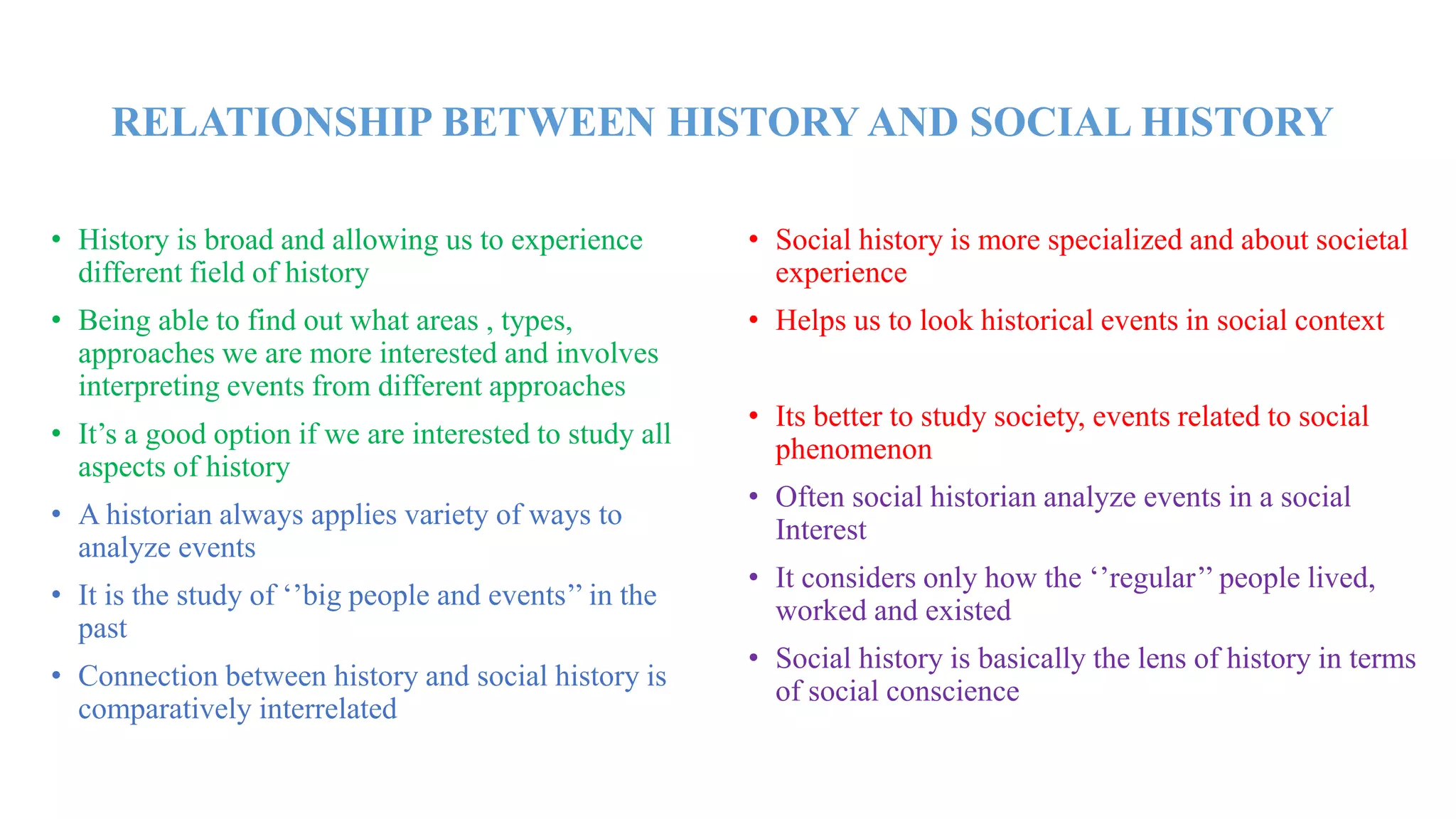
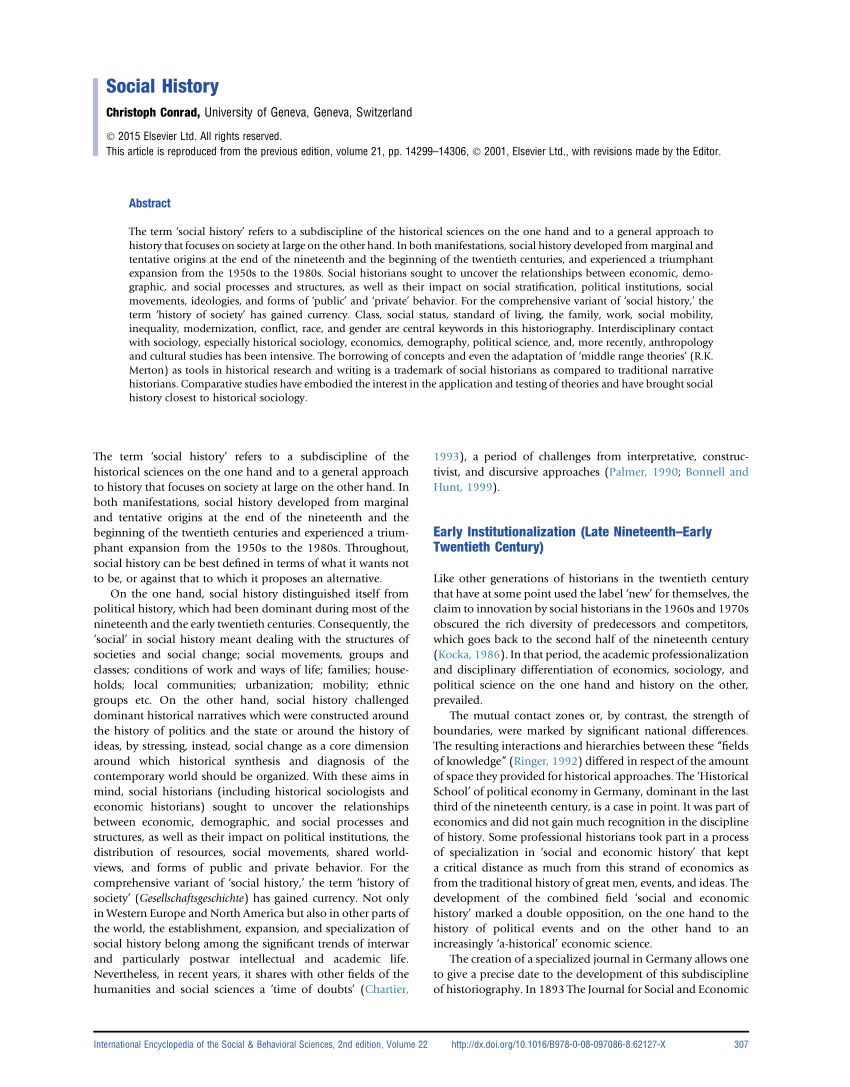
Social history, in essence, is the study of the lives of ordinary people, their experiences, beliefs, customs, and interactions. When we apply this historical perspective to the realm of technology, we uncover a rich narrative of how advancements have been adopted, adapted, resisted, and ultimately integrated into the fabric of society. It’s a field that eschews dry technical specifications and instead delves into the human stories behind the silicon and code. It asks questions like: How did the printing press change the way people shared knowledge and formed communities? How did the advent of the automobile reshape urban landscapes and individual freedoms? And, perhaps most pressingly in our current age, how is the internet, artificial intelligence, and social media transforming our relationships, our work, and our very understanding of ourselves?
The Evolution of Human-Technology Interaction
The relationship between humans and technology is not a new phenomenon; it is a dynamic, co-evolutionary dance that has spanned millennia. From the earliest stone tools that extended our physical capabilities to the complex digital networks that connect us globally, technology has always been an extension of human intent and a catalyst for social change. Examining this evolution through a social history lens reveals recurring patterns and fundamental shifts in how we live, work, and communicate.
From Tools to Networks: A Shifting Paradigm
The early history of technology is largely a story of augmentation. Tools like the hammer, the plow, and the wheel amplified human strength and efficiency, enabling advancements in agriculture, construction, and transportation. These technologies were tangible, their impact immediate and localized. The social implications were profound, leading to the development of settled communities, specialized labor, and new forms of social organization. The blacksmith’s forge wasn’t just a place of metalworking; it was a social hub, a center of information exchange, and a vital component of the local economy.
The Industrial Revolution marked a significant acceleration and qualitative shift. Inventions like the steam engine, the power loom, and later, the telegraph, didn’t just augment human capabilities; they fundamentally reshaped societies. Mass production moved people from rural farms to urban factories, creating new social classes, new challenges like pollution and overcrowding, and new ideologies like socialism and capitalism. The telegraph, in its time, was a revolutionary communication technology, shrinking distances and enabling near-instantaneous information flow across vast geographical areas, thereby influencing everything from business and warfare to personal relationships. This era highlights how technology is not merely a neutral tool but a powerful agent of social transformation.
The Digital Age: Connectivity and Its Discontents
The latter half of the 20th century and the dawn of the 21st century have been defined by the digital revolution. The personal computer, the internet, and mobile devices have ushered in an era of unprecedented connectivity. Social history in this context examines how these technologies have altered the very nature of social interaction, community, and identity. The internet, initially a tool for academics and military researchers, rapidly evolved into a global public square, democratizing access to information and creating new forms of digital communities. Platforms like early forums and Usenet groups were the precursors to today’s social media giants, demonstrating a persistent human desire for connection and shared experience, amplified by technology.
However, this hyper-connectivity is not without its complexities. Social history scrutinizes the unintended consequences: the rise of echo chambers and filter bubbles, the erosion of privacy, the proliferation of misinformation, and the impact of constant digital engagement on mental well-being. It asks how the curated online personas we present differ from our offline selves, and how these digital interactions are reshaping our understanding of authenticity and belonging. The transition from physical gathering places to virtual communities is a central theme, exploring the ways in which technology both facilitates and potentially diminishes face-to-face interaction and the development of robust social bonds.
Technology as a Driver of Social Change
Technology is not a passive force; it is an active agent that drives and shapes social, cultural, and economic change. Examining specific technological innovations through a social history lens reveals their intricate interplay with societal structures, norms, and power dynamics. This perspective allows us to move beyond a deterministic view of technology—the idea that technology dictates social outcomes—and embrace a more nuanced understanding of co-evolution, where human choices and societal contexts influence how technology is developed, adopted, and used.
The Democratization and Decentralization of Information
The printing press, arguably one of the most significant technological innovations in history, played a pivotal role in the Renaissance and the Reformation. By making books more accessible and affordable, it democratized knowledge, challenging the authority of institutions like the Church and the aristocracy. This shift empowered individuals to engage with ideas directly, fostering critical thinking and fueling intellectual and social movements. The ability to disseminate information widely and rapidly was a radical departure from the era of scribes and limited manuscript circulation.
In the digital age, this democratizing impulse has been amplified exponentially by the internet and social media. Suddenly, anyone with an internet connection can become a publisher, a broadcaster, and a connector. This has led to the rise of citizen journalism, online activism, and the decentralization of power away from traditional media gatekeepers. Social history documents how these platforms have been instrumental in organizing protests, raising awareness about social injustices, and giving voice to marginalized communities. It also acknowledges the accompanying challenges, such as the ease with which propaganda and misinformation can spread in this decentralized information ecosystem.
Reshaping Work, Leisure, and Social Structures
Technological advancements have consistently reshaped the nature of work, leisure, and the very fabric of our social lives. The mechanization of agriculture led to urbanization, creating new forms of labor and social stratification. The assembly line, a hallmark of the industrial era, transformed manufacturing, leading to specialized, repetitive tasks and influencing the rise of labor unions. The advent of the automobile not only revolutionized transportation but also enabled suburbanization, changing family structures, community design, and patterns of leisure.
The digital age presents perhaps the most profound transformation yet. The internet and computing power have enabled remote work, the gig economy, and the automation of many tasks. This has led to shifts in work-life balance, the erosion of traditional career paths, and new forms of economic precarity. Simultaneously, technology has transformed leisure activities, from streaming entertainment to online gaming and virtual reality experiences. Social history investigates how these changes impact social cohesion, community engagement, and the ways in which individuals find meaning and purpose in their lives, both within and outside the traditional structures of work and social organization.
Methodologies and Challenges in Social History of Technology
The study of the social history of technology is a dynamic and interdisciplinary field that employs a variety of methodologies to understand the complex relationship between people and their tools. However, it also faces unique challenges in its pursuit of a comprehensive and nuanced understanding.
Interdisciplinary Approaches and Evidence Gathering
Social historians of technology draw upon a diverse range of disciplines, including history, sociology, anthropology, communication studies, and even computer science. Their methodologies often involve traditional historical research techniques such as archival work, the examination of primary source documents (letters, diaries, company records), and oral histories. However, they also incorporate qualitative research methods like ethnography to understand user practices, and quantitative analysis to identify trends and patterns.
Crucially, social historians of technology analyze a wide array of evidence. This includes not only technical specifications and patent applications but also advertisements, popular culture representations (films, novels, music), user manuals, product reviews, and even the physical design and artifacts of technology itself. For instance, understanding the social history of the smartphone involves examining not just its technical evolution but also how its design influenced its use, how advertising shaped its desirability, and how its integration into daily life altered social rituals and personal habits. The focus is always on bridging the gap between the technological artifact and the human experience it mediates.
The Problem of Presentism and Future-Proofing
One of the primary challenges in the social history of technology is avoiding “presentism”—the tendency to interpret past events and technologies through the lens of present-day values and knowledge. While understanding current societal impacts is a motivation for studying the past, it’s crucial to approach historical subjects with an awareness of their own contemporary contexts, beliefs, and limitations. For example, judging early internet pioneers solely by today’s privacy standards would overlook the foundational ideals of openness and information sharing that drove their work.
Furthermore, the rapid pace of technological change presents a challenge in terms of “future-proofing” historical analysis. By the time a technology is fully integrated into society and its social impacts become apparent, that technology may already be on the cusp of obsolescence. Social historians must therefore be adept at identifying nascent trends, understanding the dynamics of innovation and adoption, and recognizing the enduring human needs and desires that technologies aim to fulfill, even as the specific forms of those technologies evolve. This requires a forward-looking sensibility that can anticipate how current technological trajectories might shape future social histories, while remaining grounded in rigorous historical inquiry. Ultimately, the social history of technology is an ongoing endeavor to make sense of our technologically mediated world by understanding the human stories that have shaped it and continue to shape our collective future.
aViewFromTheCave is a participant in the Amazon Services LLC Associates Program, an affiliate advertising program designed to provide a means for sites to earn advertising fees by advertising and linking to Amazon.com. Amazon, the Amazon logo, AmazonSupply, and the AmazonSupply logo are trademarks of Amazon.com, Inc. or its affiliates. As an Amazon Associate we earn affiliate commissions from qualifying purchases.