
The phrase “sobriety test” conjures images of roadside stops, flashing lights, and a series of simple physical and cognitive challenges. While the immediate purpose is clear – to assess an individual’s level of impairment, most commonly due to alcohol – the underlying mechanisms and the technology that enables these assessments are far more sophisticated and rapidly evolving than many realize. Understanding what constitutes a sobriety test involves delving into the intersection of human physiology, scientific principles, and, increasingly, advanced technological innovation. This exploration moves beyond the anecdotal to embrace the scientific rigor and technological advancements that define modern impairment detection.

The Foundation: Understanding Impairment and its Physiological Markers
At its core, a sobriety test is designed to detect the presence and extent of impairment that affects an individual’s ability to perform tasks safely and responsibly. While alcohol is the most common substance assessed, the principles apply to other intoxicants as well. The central challenge is to quantify the effects of these substances on the central nervous system, which controls motor skills, cognitive functions, and judgment.
The Impact of Alcohol on the Central Nervous System
Alcohol is a central nervous system depressant. Upon ingestion, it is absorbed into the bloodstream and quickly reaches the brain. Here, it interferes with neurotransmitter function, particularly by enhancing the effects of inhibitory neurotransmitters like GABA and reducing the effects of excitatory neurotransmitters like glutamate. This chemical disruption leads to a cascade of observable effects:
- Impaired Judgment and Decision-Making: Alcohol lowers inhibitions and clouds rational thought, leading to riskier behavior and poor decision-making. This is often one of the earliest and most significant impacts.
- Slowed Reaction Time: The transmission of nerve signals is slowed, making it harder and slower to respond to stimuli. This directly impacts the ability to drive safely, react to unexpected events, or perform tasks requiring quick reflexes.
- Decreased Coordination and Motor Skills: Alcohol affects the cerebellum, the part of the brain responsible for balance, coordination, and fine motor control. This manifests as staggering, difficulty with precise movements, and slurred speech.
- Vision Impairment: Peripheral vision can narrow, and the ability to track moving objects or focus properly can be compromised. Night vision is particularly affected.
- Cognitive Deficits: Attention span, memory, and the ability to process information are all diminished. This makes complex tasks, such as following instructions or maintaining lane discipline while driving, exceptionally challenging.
The Role of Blood Alcohol Content (BAC)
The primary objective of many sobriety tests is to correlate observable impairments with a quantifiable measure of intoxication, most notably Blood Alcohol Content (BAC). BAC is the percentage of alcohol in a person’s bloodstream by volume. It is the legal standard in most jurisdictions for determining driving under the influence (DUI) or driving while intoxicated (DWI). While observable signs of impairment can be subjective, BAC provides a more objective, albeit indirect, measure of alcohol’s presence in the body. Different BAC levels are associated with increasing degrees of impairment, and legal limits are set to define when an individual is considered too intoxicated to operate a vehicle or perform other safety-sensitive tasks.
The Evolution of Technological Detection: From Observation to Precision Instruments
The history of sobriety testing reflects a steady march from subjective observation towards increasingly precise and objective technological assessment. What began as a reliance on police officers’ trained judgment has evolved to incorporate sophisticated devices that leverage scientific principles to measure alcohol and assess impairment.
Early Methods: Visual and Verbal Assessment
The earliest forms of sobriety testing relied heavily on the trained observations of law enforcement officers. This typically involved:
- Visual Cues: Observing the individual’s general appearance, odor of alcohol on their breath, slurred speech, unsteady gait, bloodshot eyes, and general demeanor.
- Verbal Questions: Asking simple questions to assess cognitive function, memory, and coherence.
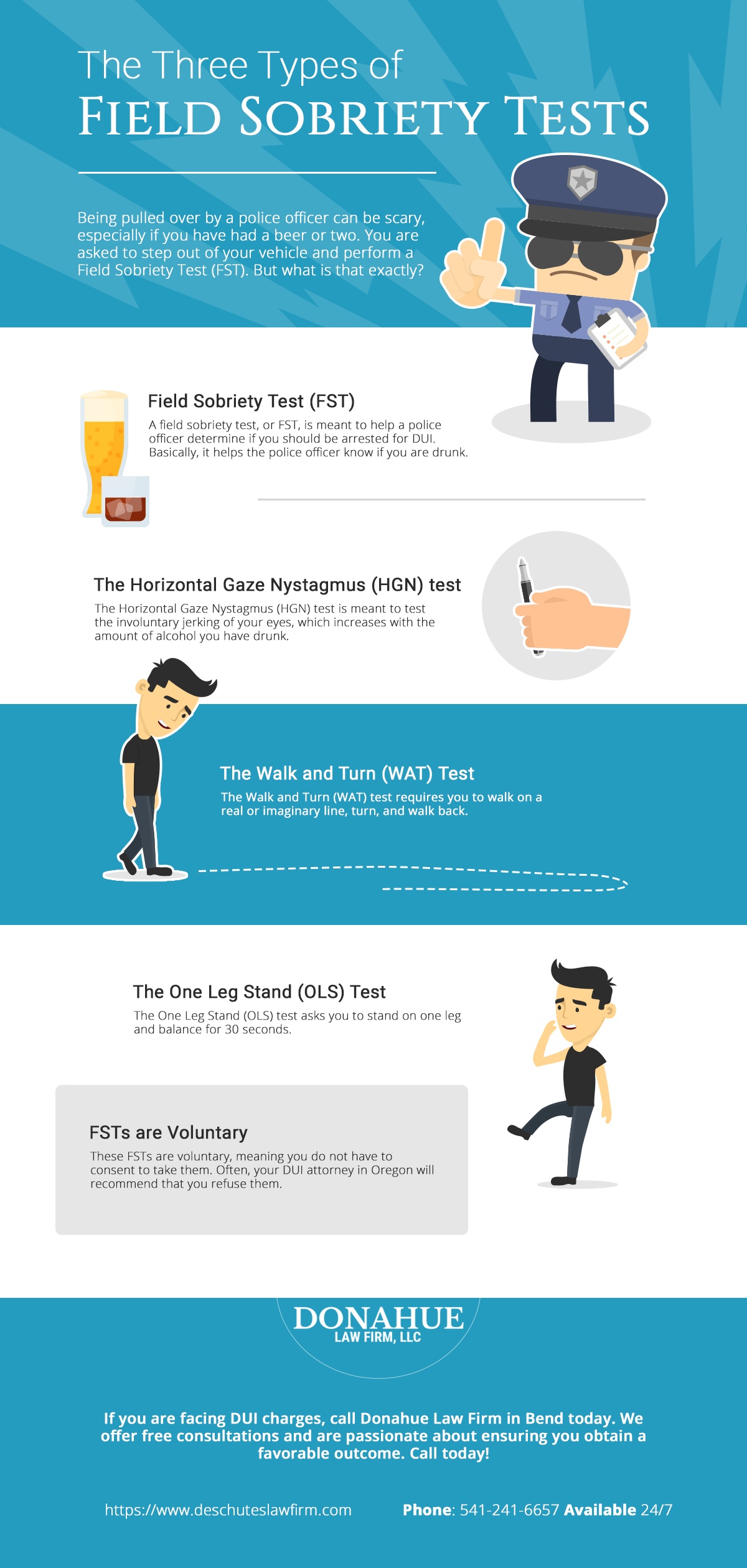
- Basic Physical Maneuvers: Requesting the individual to perform simple actions such as walking a straight line, touching their finger to their nose, or reciting the alphabet. The officer would then assess for balance issues, coordination problems, and the ability to follow instructions.
While these methods provide initial indicators, they are inherently subjective and can be influenced by factors other than alcohol, such as fatigue, medical conditions, or even nervousness.
The Advent of Breathalyzers: Quantifying Alcohol Levels
The most significant technological leap in sobriety testing came with the development and widespread adoption of the breathalyzer. These devices offer a more objective and scientifically grounded method of estimating BAC. The underlying principle is based on the fact that when alcohol is consumed, a small percentage of it is eliminated from the body through the lungs.
How Breathalyzers Work: Fuel Cell and Infrared Technology
Modern breathalyzers primarily utilize two technological principles:
- Fuel Cell Technology: This is the most common and reliable method. A fuel cell breathalyzer contains an electrochemical sensor. When a subject blows into the device, a sample of their breath passes over this sensor. The alcohol in the breath reacts with a chemical (typically sulfuric acid) in the sensor, generating an electrical current. The strength of this current is directly proportional to the amount of alcohol present in the breath sample. This electrical signal is then converted into a BAC reading. Fuel cells are highly specific to alcohol and are not affected by other substances that might be present in the breath.
- Infrared (IR) Spectroscopy: Some devices, particularly those used in laboratory settings or for preliminary screening, may use infrared spectroscopy. Alcohol molecules absorb infrared light at specific wavelengths. By passing an infrared beam through a breath sample and measuring the amount of light absorbed, the device can determine the concentration of alcohol.
Beyond Breath: Emerging Technologies in Impairment Detection
While breathalyzers remain the cornerstone of roadside alcohol testing, research and development are continuously pushing the boundaries of impairment detection, exploring technologies that can assess a broader range of impairments and substances.
Saliva and Blood Testing Technologies
Although less common for immediate roadside assessment due to time and logistical constraints, saliva and blood tests offer direct measures of BAC. Advanced analytical techniques, such as Gas Chromatography-Mass Spectrometry (GC-MS), are highly accurate in identifying and quantifying alcohol and other drugs in these biological samples. These methods are often used in medical or forensic settings for definitive analysis.
Neurological and Cognitive Assessment Tools
The limitations of breathalyzers in detecting impairment from substances other than alcohol, or in cases where BAC doesn’t perfectly correlate with observable impairment, have spurred the development of technologies that directly assess cognitive and motor function.
- Eye-Tracking Technology: Studies have shown that alcohol and certain drugs affect involuntary eye movements, such as nystagmus (rapid, jerky eye movements). Devices incorporating eye-tracking technology can analyze these movements more precisely than visual observation alone. This can include measuring horizontal gaze nystagmus (HGN), where the eye jerks at extreme angles, and vertical gaze nystagmus (VGN), which can be indicative of certain stimulants.
- Reaction Time and Cognitive Performance Devices: Tablet-based or specialized handheld devices are being developed to administer a series of cognitive tasks. These might include tracking moving targets, responding to stimuli within a time limit, or performing memory recall exercises. The device then analyzes reaction times, accuracy, and patterns of errors to assess cognitive impairment. These technologies aim to provide a more holistic assessment of an individual’s functional capacity, not just their alcohol level.
- Wearable Sensors: While still largely in the research and development phase, the concept of wearable sensors that could continuously monitor physiological markers associated with impairment is being explored. These could potentially track heart rate variability, electrodermal activity, or even subtle changes in gait or movement patterns. The goal is to provide early warnings or continuous monitoring for individuals in safety-sensitive roles.
The Legal and Ethical Landscape: Accuracy, Reliability, and Privacy
The deployment of technology in sobriety testing is not without its complexities. Ensuring the accuracy, reliability, and ethical use of these devices is paramount.
Ensuring Accuracy and Reliability
The effectiveness of any sobriety test, especially those relying on technology, hinges on their accuracy and reliability. This involves several critical factors:
- Calibration and Maintenance: Breathalyzers and other analytical instruments require regular calibration against known standards to ensure they are providing accurate readings. Improper calibration is a common cause of erroneous results. Regular maintenance and adherence to strict operational protocols are essential.
- Interfering Substances: While modern fuel cell breathalyzers are highly specific to alcohol, older technologies or poorly designed devices could be affected by other substances. For example, certain mouthwashes containing alcohol, or medical conditions like diabetes (leading to ketones in breath), could potentially influence readings if the device is not sufficiently discriminating.
- Operator Training: Even with advanced technology, the human element remains crucial. Law enforcement officers operating these devices must be properly trained in their use, calibration procedures, and interpretation of results. Inadequate training can lead to procedural errors that invalidate test results.
- Scientific Validation: The technologies used in sobriety testing must undergo rigorous scientific validation to demonstrate their efficacy and accuracy across a range of conditions and populations. This includes peer-reviewed studies and acceptance by the scientific and legal communities.
Legal Admissibility and Due Process
The results of sobriety tests, particularly those conducted with technological devices, are often used as evidence in legal proceedings. Therefore, their admissibility is governed by strict legal standards:
- Chain of Custody: For sample-based tests (blood, saliva), a secure chain of custody must be maintained from the moment the sample is collected until it is presented in court. This prevents tampering or contamination.
- Confrontation Clause: In many legal systems, defendants have the right to confront their accusers and the evidence against them. This means that the accuracy and reliability of the testing technology, and the qualifications of the individuals who operated it, can be challenged in court.
- Standardization and Regulation: Government agencies often establish regulations and standards for the types of devices that can be used, their accuracy requirements, and the procedures for their administration. Compliance with these regulations is essential for legal admissibility.
Privacy and Ethical Considerations
As technology becomes more pervasive, so do the ethical considerations surrounding its use in sobriety testing:
- Data Security and Privacy: When cognitive performance data or physiological readings are collected, ensuring the secure storage and privacy of this information is crucial. The potential for misuse or unauthorized access raises significant concerns.
- Scope of Testing: The legal framework for when sobriety tests can be administered and what substances they can detect is a continuous area of debate. Expanding testing to include a wider range of drugs requires careful consideration of scientific validity and privacy implications.
- Bias in Technology: As with any technological application, there is a risk of inherent bias in algorithms or data sets used to interpret results. Ongoing research and oversight are necessary to identify and mitigate such biases.
The Future of Sobriety Testing: Integration and Prevention
The trajectory of sobriety testing technology points towards greater integration, enhanced predictive capabilities, and a stronger emphasis on prevention.
Towards Integrated Impairment Detection Systems
The future likely holds integrated systems that combine multiple technological approaches to provide a more comprehensive assessment of impairment. This could involve:
- Combined Breath and Cognitive Analysis: Roadside devices that not only measure BAC but also administer quick cognitive or psychomotor tests simultaneously, offering a more robust picture of impairment.
- Smart Vehicle Integration: As vehicles become more sophisticated, they may incorporate sensors capable of detecting driver impairment through eye-tracking, steering patterns, or even physiological signals. This could lead to in-car alerts or intervention systems.
- Data Analytics for Trend Identification: Aggregated, anonymized data from sobriety tests could be used to identify trends in substance abuse, high-risk areas, or specific times of day, informing targeted prevention campaigns and resource allocation.
.png)
Shifting Focus Towards Prevention and Education
While technological advancements in detection are crucial for enforcement, a long-term vision for reducing impaired driving and other harmful behaviors also involves a strong focus on prevention and education. Technology can play a role here too:
- Educational Tools and Apps: Interactive apps and virtual reality simulations can be used to educate individuals about the effects of alcohol and drugs, demonstrating the risks and consequences of impaired judgment and performance in a safe, controlled environment.
- Personalized Risk Assessment: Future technologies might offer personalized tools that help individuals understand their own tolerance levels and the potential risks associated with their consumption habits.
- Support and Intervention Technologies: Mobile applications and online platforms can provide access to resources for individuals struggling with substance abuse, offering support networks, treatment information, and tools for monitoring progress.
In conclusion, the “sobriety test” is far more than a simple procedural hurdle. It represents a dynamic field where technological innovation directly impacts public safety, legal frameworks, and individual well-being. From the fundamental science of how substances affect the human body to the cutting-edge digital tools used for assessment, the evolution of sobriety testing underscores our ongoing pursuit of objective, reliable, and ethically sound methods for ensuring safety in a complex world. As technology continues its rapid advance, the future promises even more sophisticated, integrated, and ultimately, preventative approaches to combating impairment.
aViewFromTheCave is a participant in the Amazon Services LLC Associates Program, an affiliate advertising program designed to provide a means for sites to earn advertising fees by advertising and linking to Amazon.com. Amazon, the Amazon logo, AmazonSupply, and the AmazonSupply logo are trademarks of Amazon.com, Inc. or its affiliates. As an Amazon Associate we earn affiliate commissions from qualifying purchases.