
The digital landscape is a fascinating tapestry woven from disparate communication threads. We navigate instant messaging apps, email, social media platforms, and the venerable SMS. When the term “SMS message on Facebook” arises, it sparks curiosity, potentially conjuring images of a direct, hybrid communication channel. However, understanding what this actually entails requires a deeper dive into the functionalities and historical context of both SMS and Facebook’s messaging ecosystem. At its core, the concept of an “SMS message on Facebook” isn’t a singular, built-in feature that directly bridges the two in real-time, in-app communication as one might initially assume. Instead, it points to an intersection of services and notification systems, primarily related to account recovery, security, and older functionalities. This article will explore these intersections, clarifying what an “SMS message on Facebook” truly signifies within the realm of technology.
The Nuances of SMS Integration with Social Media
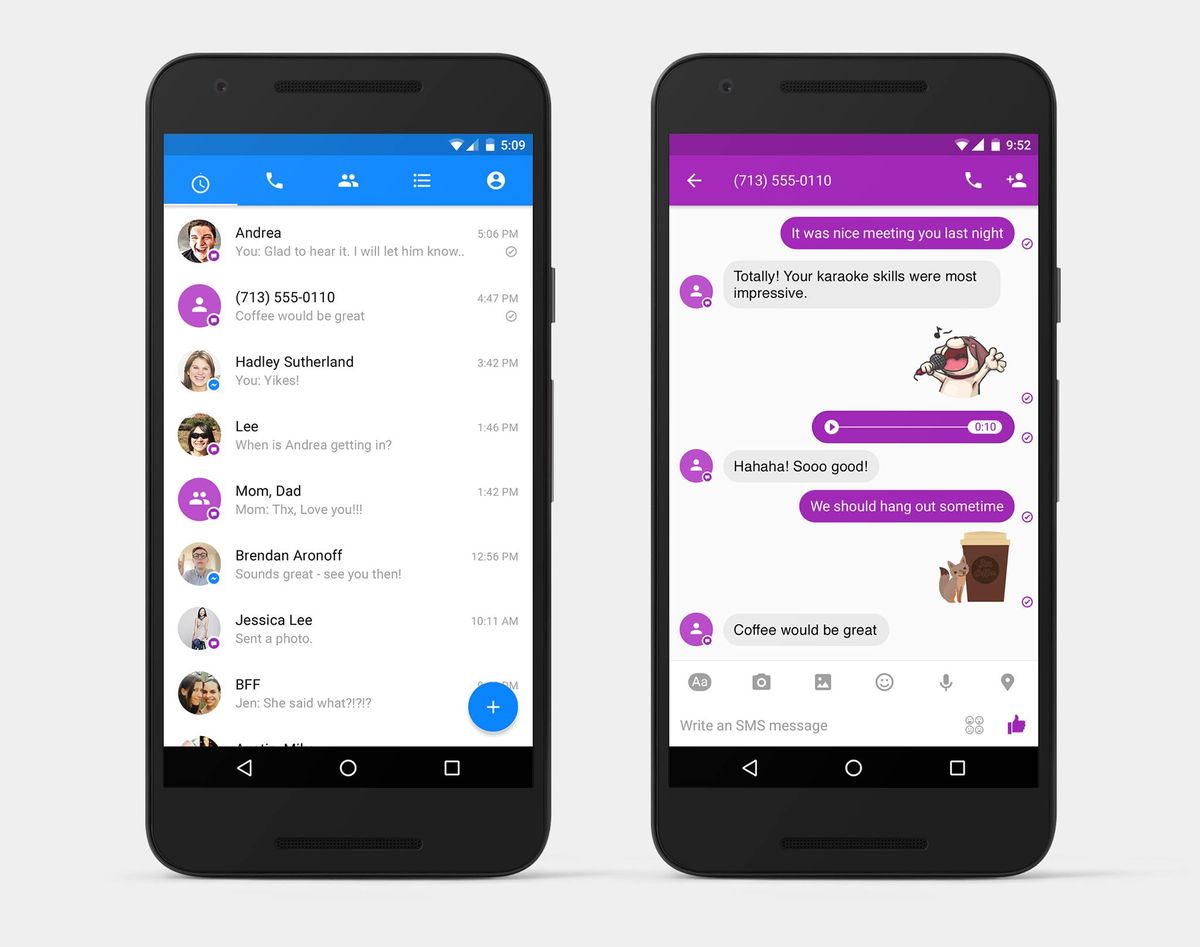
While Facebook Messenger operates as a proprietary instant messaging service, its interaction with SMS has historically been more about notifications and account management than direct message forwarding. Understanding this distinction is crucial to demystifying the idea of an “SMS message on Facebook.”
SMS as a Notification Channel
One of the most common ways SMS intersects with Facebook is through notification delivery. Facebook utilizes SMS to send alerts about account activity, security warnings, and other important updates. This functionality was particularly prevalent in earlier iterations of social media, serving as a reliable way to reach users even when they weren’t actively logged into the platform or had limited data access.
Security Alerts and Two-Factor Authentication (2FA)
Perhaps the most critical and enduring use of SMS in conjunction with Facebook is for security purposes. Two-factor authentication (2FA), a cornerstone of modern digital security, often relies on SMS as one of its primary delivery mechanisms. When a user attempts to log into their Facebook account from an unrecognized device or location, they can opt to receive a one-time verification code via SMS to their registered phone number. This code, when entered on Facebook, confirms their identity and prevents unauthorized access. This isn’t a “message on Facebook” in the sense of a chat, but rather an external SMS message sent by Facebook to secure the account.
Account Recovery and Verification
Similarly, SMS plays a vital role in account recovery. If a user forgets their password or suspects their account has been compromised, Facebook can initiate a recovery process that involves sending a reset link or a verification code via SMS. This ensures that only the legitimate owner of the account, possessing access to the registered phone number, can regain control. This process underscores the reliance on SMS as a tangible, device-specific communication channel for identity verification.
Past Functionalities: Direct SMS Integration (and its evolution)
In the earlier days of social media, there were more direct integrations where users could theoretically send messages to Facebook friends via SMS. This often involved a specific short code or a designated number, and the message would then appear within the Facebook messaging interface. However, this functionality was often clunky, costly for users (depending on their SMS plan), and ultimately superseded by the richer, more integrated experience of mobile apps and Wi-Fi-based messaging. The evolution of smartphones and the widespread adoption of data plans made in-app messaging far more efficient and versatile. Facebook, like many platforms, phased out or significantly reduced these direct SMS message forwarding capabilities, focusing instead on its own robust messaging infrastructure.
The Technical Architecture: How Facebook Leverages SMS
The integration of SMS with Facebook is not a simple peer-to-peer connection. It involves a sophisticated backend infrastructure that bridges the gap between the internet-based social network and the cellular network.
The Role of Third-Party Aggregators and Gateways
Facebook, like most large platforms, doesn’t directly connect to every cellular carrier worldwide. Instead, it utilizes SMS aggregators and gateways. These are specialized companies that act as intermediaries, possessing established relationships with numerous mobile network operators.
SMS Aggregators: The Middlemen
SMS aggregators facilitate the sending and receiving of large volumes of SMS messages. They maintain connections with multiple carriers, allowing platforms like Facebook to send messages to a vast array of recipients without needing to manage individual carrier agreements. For Facebook, this means they can send out security codes or notifications to users on virtually any mobile network through a single point of integration with an aggregator.
SMS Gateways: The Technical Bridge
SMS gateways are the technical components that enable the conversion of data between different networks. An SMS gateway might translate a message initiated within Facebook’s servers into a format that can be transmitted over the cellular network, and vice versa. This involves protocols and standards that allow for the seamless flow of information between the internet and the SMS infrastructure. When Facebook sends a security code, the message is formatted by its internal systems, passed to an SMS aggregator, which then utilizes an SMS gateway to route the message to the appropriate mobile network for delivery to the user’s phone.
Data Privacy and Security Considerations
The use of SMS for sensitive operations like account security naturally brings data privacy and security to the forefront. While SMS has been a trusted method, its inherent vulnerabilities are also a consideration.
The Limitations of SMS Security
Unlike end-to-end encrypted messaging apps, SMS messages are not inherently encrypted during transit over the cellular network. This means that, in theory, messages could be intercepted by malicious actors or even network providers. This is a key reason why platforms like Facebook are increasingly encouraging users to adopt more secure authentication methods, such as authenticator apps or hardware security keys, in addition to or instead of SMS-based 2FA.
Facebook’s Role in Protecting User Data
Facebook implements various security measures to protect user data, even when leveraging SMS. This includes encrypting data within their own systems before it’s handed off to third-party aggregators. Furthermore, they often employ tokenization and other security protocols to minimize the exposure of sensitive information. However, the inherent nature of SMS means that ultimate control over the security of the message once it leaves Facebook’s direct influence is limited. The platform’s responsibility lies in secure transmission to the SMS gateway and clear guidelines for users on best practices for safeguarding their phone numbers.
The Future of SMS and Social Media Integration
As technology evolves, the role and significance of SMS within the social media ecosystem are likely to continue shifting. While its utility for basic notifications and security remains, newer, more secure, and feature-rich communication methods are gaining prominence.
The Rise of In-App Messaging and Dedicated Communication Tools
Facebook Messenger itself is a prime example of the shift towards integrated, feature-rich in-app messaging. It offers richer media sharing, voice and video calls, end-to-end encryption options, and seamless integration with the broader Facebook ecosystem. Other platforms and standalone apps like WhatsApp, Telegram, and Signal offer similar or even more advanced communication experiences, often prioritizing privacy and security through end-to-end encryption. These platforms provide a more controlled and feature-rich environment for direct communication, reducing the need for external SMS integration for everyday conversations.
Enhanced Security Protocols and Alternatives
The ongoing focus on digital security is driving innovation in authentication and communication methods. Beyond SMS-based 2FA, platforms are increasingly supporting and recommending authenticator apps (like Google Authenticator or Authy) that generate one-time codes locally on a user’s device, or hardware security keys (like YubiKey) that offer the highest level of phishing resistance. These alternatives are not dependent on the vulnerabilities of the SMS channel and offer a more robust defense against account compromise. For messaging itself, the prevalence of end-to-end encrypted applications ensures that only the sender and intended recipient can read the messages, a level of privacy that traditional SMS cannot provide.
SMS as a Legacy and Niche Tool
While its dominance may be waning for direct communication, SMS is unlikely to disappear entirely from the digital landscape. It remains a universally accessible technology, requiring no smartphone or data connection beyond basic cellular service. This makes it invaluable for certain demographics or in situations where data access is limited or unreliable.
Universal Accessibility and Basic Notifications
The fundamental accessibility of SMS ensures its continued relevance for basic notifications, critical alerts, and reaching individuals who may not be deeply integrated into the app-centric digital world. For platforms like Facebook, this might mean retaining SMS for critical account recovery or security alerts as a failsafe mechanism. It serves as a foundational layer of communication that complements more advanced methods.
The Evolution of Facebook’s Communication Strategy
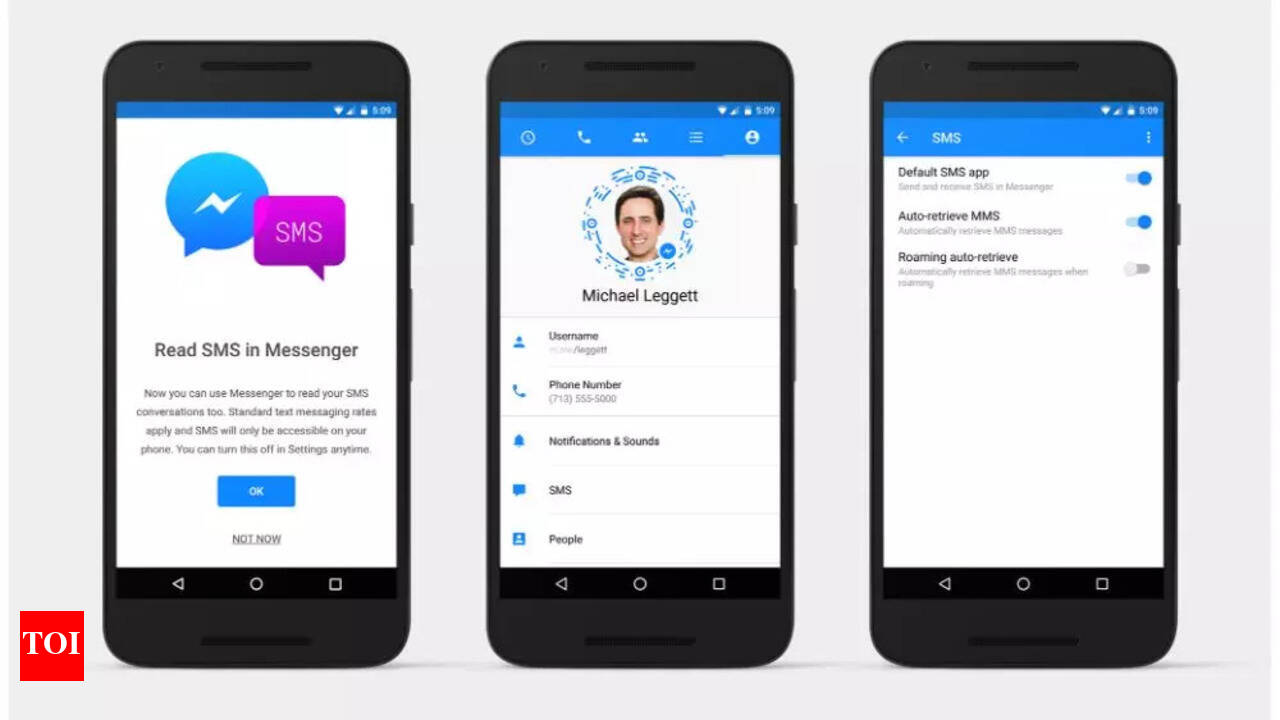
Facebook’s communication strategy has demonstrably evolved. The emphasis has shifted from leveraging external technologies like SMS for core messaging functionalities to building and refining its own integrated communication suite, primarily Facebook Messenger. The interaction with SMS is now largely confined to essential security and recovery protocols, where its established reach and basic functionality provide a necessary fallback. Understanding “SMS message on Facebook” is therefore less about a current, active messaging feature and more about a historical context and a technical reliance for specific, crucial security operations. The future lies in more secure, integrated, and feature-rich digital communication channels, where SMS plays a more specialized, foundational role.
aViewFromTheCave is a participant in the Amazon Services LLC Associates Program, an affiliate advertising program designed to provide a means for sites to earn advertising fees by advertising and linking to Amazon.com. Amazon, the Amazon logo, AmazonSupply, and the AmazonSupply logo are trademarks of Amazon.com, Inc. or its affiliates. As an Amazon Associate we earn affiliate commissions from qualifying purchases.