
The allure of the slot machine, with its spinning reels and the tantalizing prospect of a jackpot, is undeniable. Once confined to dimly lit casino floors, these games have evolved dramatically, now permeating the digital landscape and blurring the lines between entertainment, technology, and even financial markets. This article delves into the core of what a slot machine is, exploring its history, its technological underpinnings, its place within the broader landscape of money and entertainment, and how modern iterations leverage cutting-edge tech and sophisticated branding to captivate players.

The Evolution of the Slot Machine: From Mechanical Marvels to Digital Dominance
The concept of a slot machine, at its heart, is deceptively simple: a game of chance where players insert money, spin reels adorned with symbols, and hope for a winning combination. However, the journey from its rudimentary beginnings to the complex, feature-rich digital experiences of today is a testament to human ingenuity and technological advancement.
Mechanical Origins and the Dawn of the Jackpot
The earliest iterations of what we recognize as slot machines emerged in the late 19th century. These were mechanical contraptions, often referred to as “one-armed bandits” due to the lever that players would pull to initiate a spin. Charles Fey’s Liberty Bell, patented in 1899, is widely considered a pivotal invention, featuring three spinning reels with five symbols each: diamonds, spades, hearts, horseshoes, and the iconic Liberty Bell. When three Liberty Bells aligned, it paid out ten coins – a small fortune at the time.
These early machines were purely mechanical. The outcome of each spin was determined by the physical alignment of the reels. While seemingly straightforward, the sheer mechanical complexity involved in ensuring fair play and preventing manipulation was significant. The symbols themselves were often themed, contributing to the game’s aesthetic appeal and making it more engaging for players. The payout structure was also relatively simple, typically based on the rarity of the symbol combinations.
The success of these early machines was immediate, and they quickly became a staple of saloons and early casinos. The thrill of the unknown, the anticipation of the spin, and the potential for a life-changing win – however slim the odds – proved to be a powerful draw. This fundamental appeal has remained constant throughout the evolution of the slot machine.
The Digital Revolution: Introducing the Random Number Generator
The true transformation of the slot machine began with the advent of electronic components and, crucially, the Random Number Generator (RNG). While early electronic slots started appearing in the mid-20th century, the widespread adoption of digital RNGs in the latter half of the century marked a paradigm shift.
Instead of relying on mechanical levers and physical reels, modern slot machines, both physical and online, operate on complex algorithms. The RNG is a computer program designed to generate a seemingly random sequence of numbers at an incredibly high speed. When a player presses the “spin” button, the RNG instantaneously selects a set of numbers that correspond to the position of the virtual reels. This means that the outcome of each spin is completely independent of any previous spin, ensuring fairness and preventing any form of manipulation based on past results.
This technological leap allowed for:
- Greater Complexity: Developers could now design games with an almost infinite number of symbols, paylines, and bonus features. The mechanical limitations of physical reels were no longer a constraint.
- Enhanced Randomness: The RNG ensures that every spin has an equal probability of landing on any given combination, making the game more unpredictable and exciting.
- Sophisticated Themes and Graphics: Digital displays allowed for vibrant graphics, captivating animations, and immersive sound effects, transforming the gaming experience.
- Increased Security and Fairness: Digital systems are more easily audited and regulated, providing greater transparency and security for players.
The introduction of RNGs also laid the groundwork for the massive expansion of slot machines into the online realm. This transition, driven by advancements in internet technology and software development, has made slot machines more accessible than ever before.
The Technology Behind the Spin: How Modern Slot Machines Work
The captivating experience of playing a slot machine, whether on a casino floor or through a smartphone app, is underpinned by sophisticated technology. From the fundamental principles of probability to the intricate software and hardware that bring these games to life, a deep understanding of the technology reveals the engineered brilliance behind the seemingly simple act of spinning reels.
The Heart of the Machine: The Random Number Generator (RNG)

As mentioned, the RNG is the undisputed king of modern slot machine technology. It’s not a physical component that spins, but rather a sophisticated piece of software that continuously generates numbers. When a player initiates a spin, the RNG has already, in a fraction of a second, determined the outcome.
Here’s a simplified breakdown of how it works:
- Continuous Generation: The RNG is constantly producing a stream of random numbers, even when no one is playing.
- Player Interaction: The moment a player presses the spin button, the software captures the current output of the RNG.
- Mapping to Reels: These numbers are then mapped to specific positions on the virtual reels. For instance, a particular range of numbers might correspond to a “cherry” symbol, another range to a “bar,” and so on.
- Outcome Determination: The game’s software then displays the symbols that align with the numbers generated by the RNG, resulting in the visual representation of the spinning reels and the final outcome.
The fairness and integrity of the slot machine are entirely dependent on the quality and sophistication of its RNG. Reputable online casinos and manufacturers use certified RNGs that undergo rigorous testing by independent auditors to ensure their randomness and impartiality. This technology is also the reason why it’s impossible to predict the outcome of a slot machine or to develop a “system” to beat it.
Beyond the RNG: Software, Graphics, and User Interface
While the RNG dictates the outcome, a host of other technological elements contribute to the overall player experience:
- Game Software: This is the underlying code that governs everything from the visual appearance of the reels and symbols to the animation of spins, the display of win amounts, and the triggering of bonus features. Modern slot game software is incredibly complex, incorporating intricate logic for calculating payouts, managing player accounts, and ensuring smooth gameplay.
- Graphics and Animation: High-definition displays, advanced rendering engines, and skilled graphic designers create visually stunning and immersive environments. Animations are meticulously crafted to add excitement to winning spins, bonus rounds, and transitions.
- Sound Design: Crucial for setting the mood and enhancing engagement, sound effects range from the satisfying clatter of coins to dramatic jingles for big wins and thematic music that complements the game’s story.
- User Interface (UI) and User Experience (UX): Designing an intuitive and user-friendly interface is paramount. This includes clear buttons for spinning, betting adjustments, and accessing information about paytables and game rules. Good UX ensures that players can easily navigate the game and focus on the entertainment aspect.
- Connectivity and Server Infrastructure (for Online Slots): Online slot machines rely on robust server infrastructure and secure internet connections to deliver a seamless gaming experience. This involves ensuring low latency, preventing disconnections, and protecting player data.
The fusion of these technological components creates the engaging and dynamic slot machine games that are popular worldwide. The constant innovation in graphics, sound, and gameplay mechanics ensures that the slot machine experience continues to evolve.
Slot Machines in the Realm of Money and Brand
The world of slot machines extends far beyond mere entertainment; it’s deeply intertwined with financial systems and the powerful strategies of branding. From the way they are designed to attract and retain players to their role as significant revenue generators, slot machines are a prime example of how technology, money, and brand converge.
The Financial Engine of Entertainment
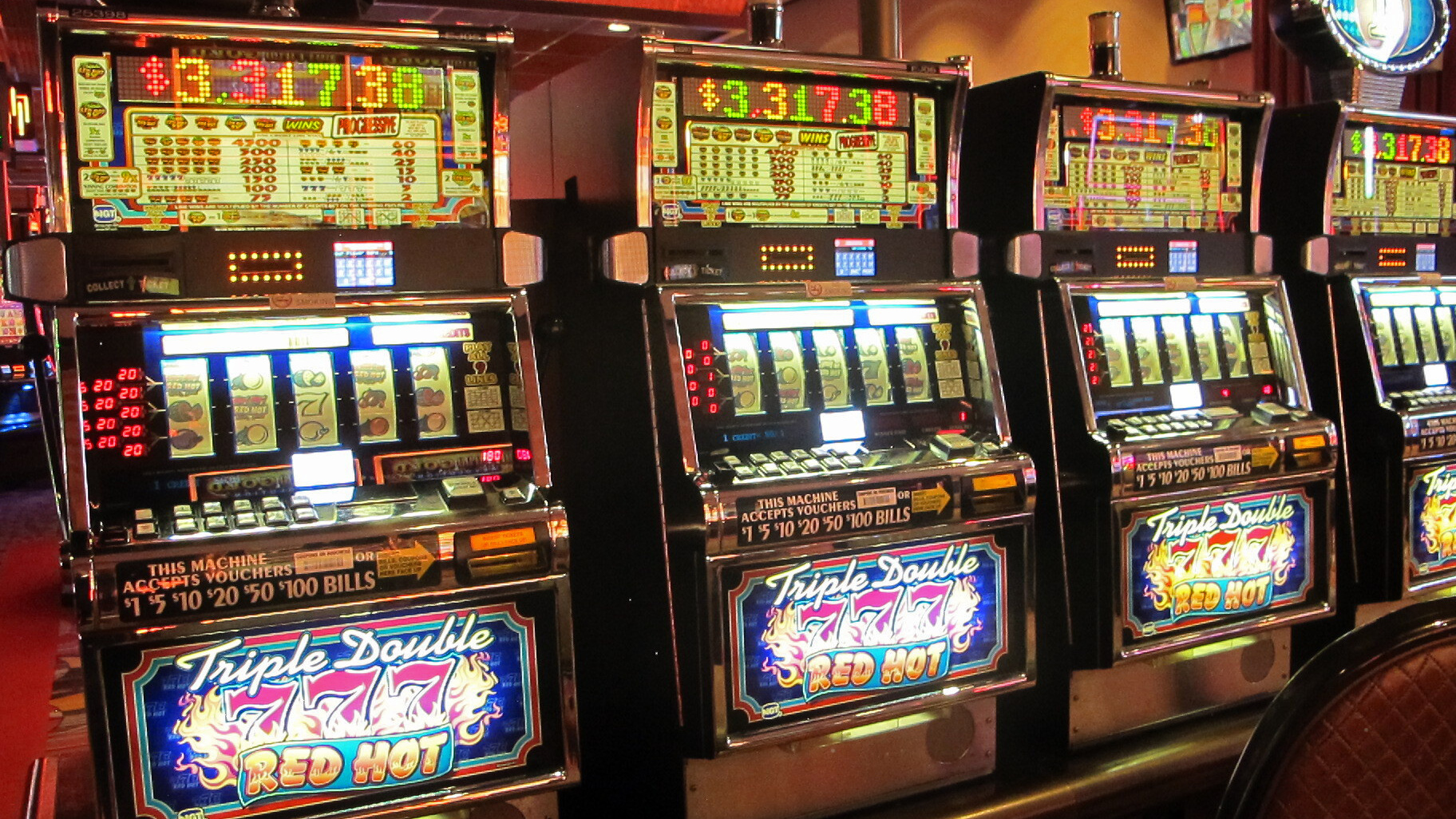
Slot machines are arguably the most significant revenue source for most casinos, both land-based and online. Their appeal lies in a combination of factors that make them a highly profitable venture:
- High Volume, Low Margin (Per Bet): While individual bets might be small, the sheer volume of spins and the speed at which they occur translate into substantial revenue.
- House Edge: Every slot machine is programmed with a “house edge” – a statistical advantage for the casino. This is determined by the payout percentages (Return to Player or RTP). For instance, a slot with a 96% RTP will, over an extended period, pay back 96% of all money wagered, leaving 4% as profit for the casino. This house edge is essential for the long-term profitability of the casino.
- Accessibility and Low Barrier to Entry: Slot machines are typically easy to understand and play, requiring no complex strategies. This low barrier to entry attracts a broad spectrum of players, from casual enthusiasts to serious gamblers.
- Psychology of Reward: The intermittent reinforcement schedule inherent in slot machines – where wins are unpredictable but occur often enough to keep players engaged – is a powerful psychological driver. The “near miss” phenomenon, where players almost achieve a winning combination, also encourages continued play.
- Investment in Technology: Casinos and game developers invest heavily in cutting-edge technology, including sophisticated RNGs, stunning graphics, and immersive sound, to create games that are not only profitable but also highly engaging and addictive. This technological investment is a direct contributor to their financial success.
The Art of Brand Building in the Slot World
Beyond the core mechanics and financial underpinnings, the success of slot machines is also heavily reliant on sophisticated branding. This applies not only to the individual slot games but also to the casino operators themselves.
- Thematic Branding of Games: Slot games are no longer just about generic symbols. They are often built around popular themes, movie franchises, historical periods, fantasy worlds, and even musical artists. This thematic branding taps into existing consumer interests and creates an emotional connection with players. For example, a slot machine based on a popular superhero movie leverages the established brand loyalty of that franchise, making it instantly more appealing.
- Branding of Software Providers: Companies that develop slot games, like NetEnt, Microgaming, or Playtech, have built their own strong brands within the industry. Casinos often highlight which software providers they use, as players may develop preferences for the style and quality of games from certain developers. These providers invest in creating unique visual identities, marketing campaigns, and consistent game quality to establish their brand reputation.
- Casino Brand Identity: Land-based and online casinos all strive to build a distinct brand identity. This involves everything from the visual design of their websites and physical properties to their customer service, promotions, and the selection of games they offer. A strong casino brand inspires trust, loyalty, and a sense of exclusivity or excitement, all of which are crucial for attracting and retaining players.
- Reputation Management: In the digital age, a casino’s online reputation is paramount. Positive reviews, secure payment systems, and fair play contribute to a strong brand image. Conversely, negative publicity regarding security breaches or unfair practices can severely damage a brand. Game developers and casinos actively manage their online presence and engage in marketing efforts to cultivate a positive perception.
- Personal Branding (for Influencers): In the burgeoning world of online gambling streaming and content creation, individuals who play and review slot machines have also cultivated their own personal brands. These influencers leverage their personality, gameplay style, and sometimes their winnings (or losses) to build an audience, further promoting specific slot games and casino platforms.
In essence, slot machines are a microcosm of the modern entertainment and financial industries. They are sophisticated technological products designed to be financially lucrative, their success amplified by intelligent branding that appeals to consumer psychology and leverages existing cultural touchstones. Understanding what a slot machine is requires looking beyond the spinning reels to appreciate the complex interplay of technology, money, and strategic brand building that drives their enduring popularity.
aViewFromTheCave is a participant in the Amazon Services LLC Associates Program, an affiliate advertising program designed to provide a means for sites to earn advertising fees by advertising and linking to Amazon.com. Amazon, the Amazon logo, AmazonSupply, and the AmazonSupply logo are trademarks of Amazon.com, Inc. or its affiliates. As an Amazon Associate we earn affiliate commissions from qualifying purchases.