
In an increasingly digitized world, where our lives are inextricably linked to screens, applications, and smart devices, the concept of a “sleep cycle” has transcended its purely biological definition to become a critical metric in personal health technology. Far from being a mere buzzword, understanding the sleep cycle is fundamental to optimizing human performance, mental clarity, and overall well-being in the digital age. Technology, from sophisticated wearables to AI-powered analytics, is not only demystifying these intricate nocturnal rhythms but also providing unprecedented tools to track, analyze, and even enhance them.
At its core, a sleep cycle refers to the progression through different stages of sleep, which repeat several times throughout a typical night. While these cycles are an inherent part of human physiology, their profound impact on our waking lives – our cognitive function, emotional regulation, and even physical resilience – makes their study and optimization a prime target for technological innovation. This article delves into the intricacies of the sleep cycle, exploring how modern technology empowers us to gain actionable insights and foster healthier sleep habits, transforming abstract biological processes into tangible data points for digital health management.
The Biological Blueprint: Understanding the Sleep Cycle’s Core
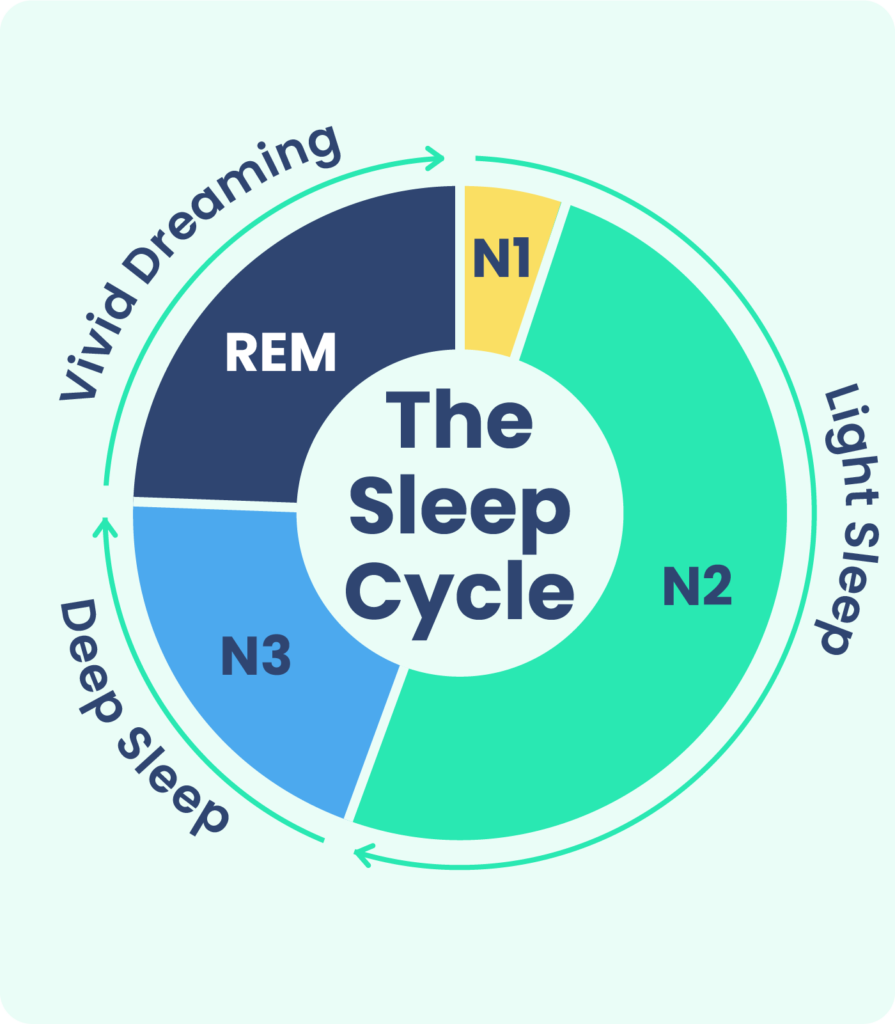
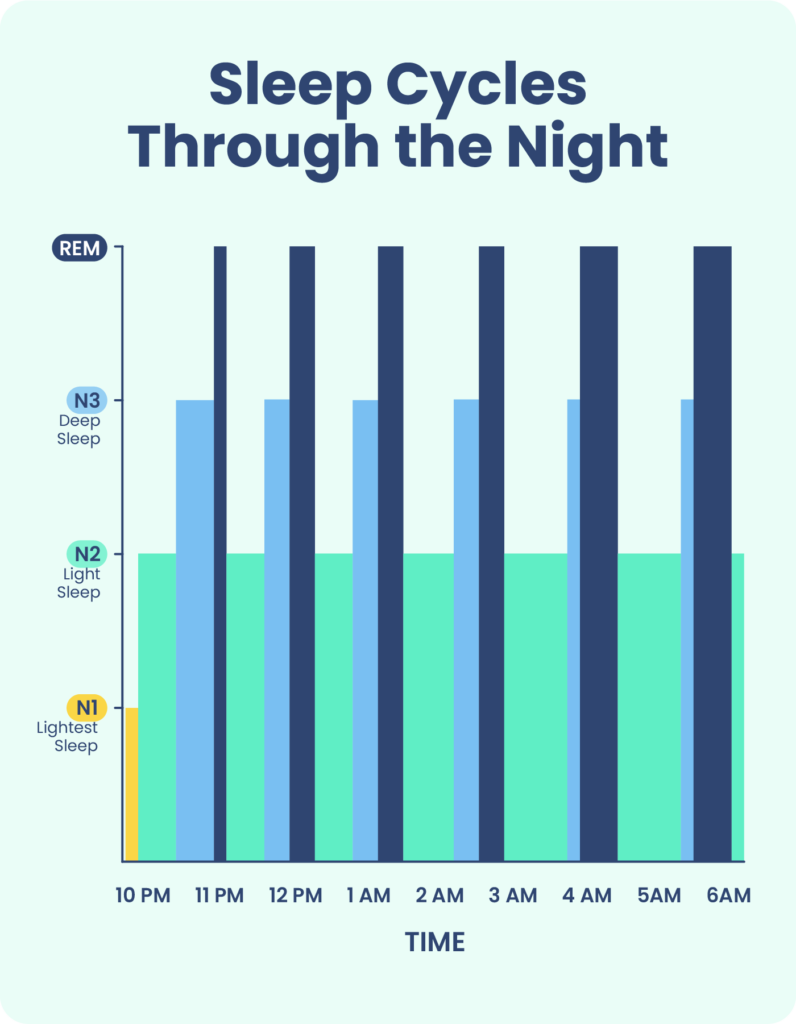
Before we explore how technology interprets our sleep, it’s crucial to grasp the foundational biological processes at play. A full sleep cycle typically lasts between 90 to 110 minutes, and most adults experience 4 to 6 of these cycles per night. Each cycle is composed of distinct stages, broadly categorized into Non-REM (NREM) sleep and REM (Rapid Eye Movement) sleep. These stages are characterized by specific brainwave patterns, muscle activity, and physiological changes, all of which provide rich data for technological analysis.
Non-REM (NREM) Sleep Stages
NREM sleep is further subdivided into three stages, each playing a vital role in physical restoration and cognitive consolidation. Technology monitors various biometric signals, such as heart rate variability, respiration rate, and micro-movements, to infer which stage an individual is in.
- NREM Stage 1 (N1 – Light Sleep): This is the transition phase from wakefulness to sleep, lasting only a few minutes. Brain activity begins to slow, and muscles relax. If awakened during this stage, individuals often report not feeling like they were asleep. Tech devices often detect the onset of sleep here by observing reduced physical activity and subtle changes in heart rate.
- NREM Stage 2 (N2 – Deeper Sleep): This is the longest stage of NREM sleep, accounting for about 50% of total sleep time. Heart rate and body temperature drop, and brain waves show characteristic “sleep spindles” and “K-complexes,” which are believed to play a role in memory consolidation. Wearable accelerometers are particularly adept at identifying the reduced movement associated with this deeper state, while more advanced sensors can track physiological markers.
- NREM Stage 3 (N3 – Deepest Sleep or Slow-Wave Sleep): Often referred to as “delta sleep,” this is the most restorative stage. Brain waves are very slow (delta waves), blood flow to the muscles increases, and growth hormone is released. Waking someone from N3 is difficult, and they may feel disoriented. This stage is crucial for physical recovery, immune function, and declarative memory consolidation. Technology with heart rate variability (HRV) sensors and advanced algorithms can distinguish this stage by significant reductions in heart rate and movement, signaling profound relaxation.
REM Sleep and Its Significance
Following NREM stages, the brain shifts into REM sleep, a vastly different state characterized by intense brain activity, similar to wakefulness.
- REM Sleep: During REM sleep, our eyes move rapidly beneath our eyelids, breathing becomes more rapid and irregular, and heart rate and blood pressure increase. Despite the brain’s activity, muscles become temporarily paralyzed (atonia), preventing us from acting out our dreams, which are most vivid and memorable during this stage. REM sleep is critical for emotional regulation, learning, and procedural memory processing. Tech devices monitor the combination of rapid eye movement (if sophisticated enough, via specialized sensors or subtle facial muscle twitches), increased heart rate, and distinct brainwave patterns (in research-grade wearables or clinical settings) to identify this stage. The absence of movement, combined with elevated physiological metrics, is a key indicator for consumer devices.
Understanding these stages is the bedrock upon which sleep technology is built. Each piece of data collected by your smartwatch or smart mattress is an attempt to accurately map your journey through these biological states, translating complex physiological signals into an accessible representation of your nightly sleep architecture.
The Rise of Sleep Tech: Monitoring and Data Collection
The explosion of personal technology has democratized sleep science, moving it from specialized laboratories into our bedrooms. Modern sleep tech leverages an array of sensors and sophisticated algorithms to monitor, collect, and interpret our sleep cycles, providing users with unprecedented insight into their nocturnal patterns.
Wearable Devices: Smartwatches and Fitness Trackers
Perhaps the most ubiquitous form of sleep tech, smartwatches and fitness trackers from brands like Apple, Fitbit, Garmin, and Oura have become essential tools for millions. These devices typically use a combination of:
- Accelerometers: To detect movement and stillness, helping to differentiate between wakefulness, light sleep, and deep sleep. Periods of intense restlessness might indicate an arousal, while prolonged stillness suggests deeper sleep.
- Photoplethysmography (PPG) sensors: These emit light onto the skin and measure changes in light absorption, which correspond to blood flow. This allows them to monitor heart rate, heart rate variability (HRV), and sometimes even blood oxygen saturation. HRV is a particularly powerful metric, as its patterns change significantly across sleep stages, with lower variability often seen in deeper NREM sleep and higher variability during REM.
- Temperature Sensors: Some advanced wearables incorporate skin temperature sensors, which can track micro-fluctuations that correlate with circadian rhythms and sleep stages.
By continuously logging these biometrics, these devices use proprietary algorithms to estimate the time spent in each sleep stage, track total sleep duration, identify sleep disturbances, and calculate sleep efficiency. The data is then presented through intuitive app interfaces, often with daily “sleep scores” and graphs illustrating sleep architecture.
Non-Wearable Solutions: Smart Beds and Under-Mattress Sensors
For those who prefer not to wear devices to bed, non-wearable sleep tech offers an alternative. These solutions embed sensors directly into mattresses or place them beneath the mattress or on the bedside table.
- Smart Beds: Brands like Sleep Number and Eight Sleep offer integrated systems that monitor sleep patterns using pressure sensors, ballistocardiography (which detects the tiny movements caused by heartbeats and breathing), and even thermal controls. Some smart beds can automatically adjust firmness or temperature in response to detected sleep stages or user preferences.
- Under-Mattress Sensors: Devices from companies like Withings or Emfit are placed discreetly under a mattress cover. They utilize pneumatic sensors or sensitive force transducers to measure breathing rate, heart rate, and full-body movements without direct skin contact. These systems often provide highly accurate data, as they are less susceptible to movement artifacts from user activity outside of bed (e.g., getting up for water).
- Contactless Radar/Sonar: Emerging technologies use low-power radar or sonar waves to detect breathing and heart rate from a distance, without any physical contact. These promise even less intrusive monitoring, offering potential for integration into smart home systems.
These non-wearable solutions appeal to users seeking an entirely passive monitoring experience, turning the sleep environment itself into a sophisticated data collection hub.
Mobile Applications for Sleep Tracking
While many dedicated devices come with their own apps, standalone mobile applications also contribute significantly to sleep tracking, often leveraging the smartphone’s built-in sensors.
- Accelerometer-based Apps: Apps like Sleep Cycle or AutoSleep use the phone’s accelerometer to detect movement, inferring sleep stages and patterns by how much the phone (placed on the mattress) moves. They can also detect snoring through the phone’s microphone.
- Microphone-based Apps: These apps specifically focus on recording ambient sounds, identifying snoring, sleep talking, and other disturbances. While they don’t directly track sleep stages, they offer valuable insights into sleep quality disruptors.
- Integration Platforms: Many apps serve as central hubs, aggregating data from multiple wearable and non-wearable devices, providing a unified view of sleep health alongside other wellness metrics.
The collective impact of these diverse technologies is a paradigm shift in how we perceive and manage sleep. No longer an enigmatic void, our sleep cycles are now quantifiable, analyzable, and optimizable, thanks to the continuous stream of data collected by these innovative tools.
Beyond Tracking: AI and Advanced Analytics in Sleep Science
While basic tracking provides valuable data, the true power of sleep technology lies in its ability to process, analyze, and interpret this information using artificial intelligence and advanced analytics. These sophisticated computational methods transform raw biometric data into personalized insights and actionable recommendations, moving beyond simple monitoring to proactive sleep management.
Predictive Analytics and Personalized Insights
AI algorithms are revolutionizing how we understand and react to our sleep data. Instead of just showing you last night’s sleep stages, AI can:
- Identify Patterns: AI can sift through weeks or months of data to identify subtle patterns that human observers might miss. For example, it might correlate your late-night screen time with a delayed onset of REM sleep, or link inconsistent bedtimes to reduced deep sleep duration.
- Predict Future Performance: By analyzing your sleep cycles, heart rate variability, and other biometrics, AI can predict your readiness for the day ahead, suggesting whether you’re primed for peak cognitive performance or if a lighter schedule might be more appropriate. This is particularly valuable for athletes, shift workers, and professionals requiring high levels of focus.
- Personalized Recommendations: Generic advice often falls short. AI, however, can provide hyper-personalized suggestions based on your unique physiological responses and lifestyle. This could range from optimal bedtime windows specific to your circadian rhythm, to dietary suggestions affecting sleep, or even recommendations for specific relaxation techniques to improve sleep onset. Some systems even learn your responses to various interventions over time, continuously refining their advice.
The goal is to move beyond mere data reporting to providing truly intelligent guidance that adapts to the individual user’s evolving needs and circumstances.
AI-Powered Interventions and Smart Environments
The application of AI extends beyond analysis to active intervention, creating smart sleep environments and personalized feedback loops.
- Dynamic Lighting and Soundscapes: Smart home systems, integrated with sleep trackers, can use AI to optimize bedroom conditions. As you approach your desired bedtime, lights might automatically dim and shift to warmer tones to stimulate melatonin production. In the morning, smart alarms can gently wake you during a period of light sleep (within a set window) by gradually increasing light or playing soothing sounds, preventing the jarring experience of being pulled from deep sleep.
- Temperature Regulation: AI-enabled smart beds can monitor your sleep stage and adjust mattress temperature to optimize comfort throughout the night. For instance, knowing that body temperature naturally dips during deeper sleep, the bed might subtly cool itself to facilitate this process, then warm slightly towards morning for a gentler wake-up.
- Adaptive Sound Masking: Some devices or apps use AI to generate dynamic soundscapes that adapt to environmental noise or your sleep stage. If snoring is detected, for example, the system might subtly increase white noise to mask it, or if you’re in a light sleep stage, it might play calming sounds to encourage deeper sleep.
These intelligent interventions create a truly responsive sleep environment, continuously optimizing conditions based on real-time biometric data and learned user preferences.
Digital Therapeutics and Cognitive Behavioral Therapy for Insomnia (CBT-I) Apps
Beyond consumer gadgets, AI is also driving the development of digital therapeutics aimed at clinical sleep disorders.
- CBT-I Apps: Cognitive Behavioral Therapy for Insomnia (CBT-I) is considered the gold standard treatment for chronic insomnia. AI-powered apps offer scalable, accessible versions of CBT-I, guiding users through structured programs that address sleep-disrupting thoughts and behaviors. These apps can track user progress, adapt modules based on individual responses, and provide personalized exercises, making effective therapy more widely available without requiring direct, frequent clinical visits.
- Biofeedback and Neurofeedback: Advanced apps, sometimes coupled with specialized sensors (like EEGs in research contexts), use AI to provide real-time biofeedback. They can teach users how to alter physiological responses (e.g., heart rate, brainwaves) associated with relaxation and sleep, training the brain to enter sleep states more easily.
Through AI and advanced analytics, sleep technology is moving beyond simple data collection to become a proactive partner in managing sleep health, offering personalized insights, dynamic interventions, and even therapeutic support.
The Impact of Sleep Cycle Understanding on Digital Well-being and Productivity
The insights gleaned from sleep cycle tracking, enhanced by AI and smart devices, have profound implications for our digital well-being and productivity. In an era where digital demands often lead to burnout and fatigue, optimizing sleep through technology becomes not just a health pursuit but a strategic advantage.
Optimizing Performance through Circadian Rhythms
Our sleep cycles are intricately linked to our broader circadian rhythm, the body’s natural 24-hour internal clock. Technology helps us align our digital lives with this rhythm for peak performance.
- Strategic Napping: Sleep tech can guide optimal nap times and durations by identifying personal sleep windows and suggesting when a “power nap” (often 20-30 minutes, avoiding deep sleep) would be most beneficial for a cognitive boost without inducing sleep inertia.
- Task Scheduling: Understanding individual chronotypes (e.g., “early bird” vs. “night owl”) through sleep data can inform work schedules. AI can suggest the best times for mentally demanding tasks, creative work, or collaborative meetings, leveraging periods of peak alertness and cognitive function derived from sleep patterns.
- Jet Lag and Shift Work Management: For individuals dealing with disrupted circadian rhythms due to travel or irregular work hours, sleep apps and wearables can provide tailored advice on light exposure, meal timing, and sleep scheduling to help the body adapt more quickly, mitigating the negative impacts on digital performance and safety.
By respecting and leveraging our biological rhythms, technology empowers us to operate at our best, minimizing digital fatigue and maximizing output during waking hours.
Combating Digital Fatigue and Burnout
The constant connectivity and demands of the digital world contribute significantly to mental exhaustion and burnout. Poor sleep, exacerbated by these factors, creates a vicious cycle. Sleep tech helps break this cycle by:
- Promoting Digital Detox: Many sleep apps integrate features that encourage a “digital sunset” – reminding users to put away screens and engage in calming activities before bed. Some even offer “do not disturb” modes that integrate with your sleep schedule, reducing the temptation to check notifications.
- Highlighting Screen Time Impact: By correlating sleep data with app usage or device activity, technology can visually demonstrate the negative impact of late-night screen exposure on sleep onset and quality, providing concrete evidence to motivate behavioral change.
- Stress Reduction Tools: Integrated mindfulness exercises, guided meditations, and calming soundscapes within sleep apps offer digital tools to de-stress before bed, counteracting the cognitive overload often experienced after a day immersed in digital environments.
By making the invisible links between digital habits and sleep quality visible, tech tools serve as powerful motivators and facilitators for healthier digital boundaries.

The Future of Proactive Sleep Health Management
The trajectory of sleep technology points towards an increasingly proactive and preventive approach to sleep health.
- Integrated Wellness Ecosystems: We’re moving towards a future where sleep data is seamlessly integrated with other digital health metrics – activity levels, nutrition, mental health, and medical records. This creates a holistic view of well-being, allowing AI to identify interconnected health issues and provide comprehensive, personalized recommendations.
- Early Detection of Disorders: Continuous, high-fidelity sleep cycle monitoring has the potential to flag early indicators of sleep disorders like sleep apnea, restless leg syndrome, or chronic insomnia, prompting timely medical intervention before conditions become severe.
- Corporate Wellness Programs: Companies are increasingly recognizing the link between employee sleep and productivity. Future corporate wellness programs might leverage anonymized sleep data (with consent) to offer personalized coaching, stress management tools, and even adjust work policies to better support employee sleep health.
In essence, technology is transforming sleep from a passive, often neglected biological necessity into an actively managed component of our digital lives, crucial for sustained well-being and performance.
The question “what is a sleep cycle?” has evolved from a purely scientific query into a practical cornerstone of modern digital health. Thanks to advancements in technology, from sophisticated wearables and smart home devices to AI-driven analytics and digital therapeutics, the intricate dance of our nocturnal rhythms is no longer a mystery. We are empowered to not only understand the depth and duration of each sleep stage but also to actively optimize our sleep cycles for enhanced physical health, mental acuity, and resilience in our always-on world. As technology continues to innovate, it promises an even more personalized and proactive approach to sleep, making a well-rested existence an achievable reality for everyone navigating the complexities of the digital age.
aViewFromTheCave is a participant in the Amazon Services LLC Associates Program, an affiliate advertising program designed to provide a means for sites to earn advertising fees by advertising and linking to Amazon.com. Amazon, the Amazon logo, AmazonSupply, and the AmazonSupply logo are trademarks of Amazon.com, Inc. or its affiliates. As an Amazon Associate we earn affiliate commissions from qualifying purchases.