
The seemingly simple question, “What is a size 44?” opens a surprisingly complex discussion, particularly when viewed through the lens of the fashion industry’s intricate sizing systems. While a “size 44” might immediately conjure images of clothing, its interpretation can vary dramatically based on the specific garment type, the country of origin, and even the brand itself. This ambiguity, while frustrating for consumers, is deeply rooted in the historical development of fashion sizing, the lack of universal standardization, and the strategic marketing decisions employed by brands. Understanding the nuances of a “size 44” requires delving into the history of garment measurement, exploring the different sizing scales used globally, and examining how brands leverage these variations to influence consumer perception and purchasing behavior.

The Historical Evolution of Garment Sizing
The concept of standardized sizing in clothing is a relatively modern one, emerging alongside mass production and the rise of ready-to-wear fashion. Before this, garments were largely bespoke, tailored to individual measurements. As manufacturing scaled up, so did the need for a system to categorize bodies and produce clothing that would fit a significant portion of the population.
From Bespoke to Mass Production: The Birth of Sizing
In the early days of industrialization, clothing manufacturers began to develop rudimentary sizing charts based on average body measurements. These early systems were often inconsistent and varied from factory to factory. The primary goal was to create a system that was practical for production, not necessarily for precise individual fit. As the market for clothing expanded, so did the demand for more structured sizing.
The Quest for Standardization: A Never-Ending Endeavor
The idea of a universal sizing standard has been a recurring theme throughout the history of fashion. Organizations and industry bodies have attempted to create unified systems, but the inherent diversity of human bodies and the global nature of the fashion industry have made complete standardization an elusive goal. Different regions developed their own systems, often based on their own average body types and measurement conventions. This led to the fragmented landscape of sizing we see today, where a size 44 in one country or for one type of garment can be entirely different elsewhere.
The Impact of Cultural and Geographical Differences
The geographical origin of a garment has a profound impact on its sizing. European sizing systems, for instance, often differ significantly from those used in the United States or the United Kingdom. These differences are not arbitrary; they reflect historical measurement practices and prevailing body shapes within those populations. For a consumer, navigating these variations can be a daunting task, often requiring them to consult conversion charts or to be intimately familiar with the sizing conventions of specific brands they patronize. This lack of a universal language for size creates a barrier to entry for consumers and can lead to confusion and dissatisfaction.
Decoding the “Size 44”: Different Scales, Different Meanings
The number “44” itself is not inherently meaningful without context. Its significance is entirely dependent on the measurement system it represents. Understanding these systems is crucial to deciphering what a “size 44” actually signifies for a particular garment.
European Sizing: The Continental Standard
In many European countries, “size 44” typically refers to a women’s dress size. This system is generally based on a combination of bust and hip measurements, with the number often approximating half of the bust circumference in centimeters. For example, a size 44 in European women’s wear might correlate to a bust measurement of approximately 88 cm and a hip measurement of approximately 94 cm. However, it’s important to note that even within Europe, there can be slight variations between countries and brands. This system is widely adopted across the continent and is a common reference point for many international fashion brands.
Italian Sizing: A Distinctive Approach
Italian sizing systems can be a bit more nuanced and often run smaller than their general European counterparts. When encountering a “size 44” in Italian women’s fashion, it might correspond to a smaller bust and hip measurement compared to a European size 44. This often means that Italian sizing requires a conversion to a larger number for consumers accustomed to other European scales. This distinction is crucial for designers and brands operating within or sourcing from Italy.
UK and US Sizing: A Different Numerical Language
The United Kingdom and the United States employ entirely different sizing scales, often using smaller numbers to denote larger garments, particularly for women. A “size 44” in UK or US women’s sizing is exceptionally rare and would likely correspond to a very large size, far exceeding what a “size 44” would mean in a European context. For men’s clothing, the numbering systems also differ, with chest measurements often being the primary determinant. In men’s sizing, a “size 44” might refer to a chest measurement of 44 inches. However, even this can vary with the fit (e.g., slim fit vs. regular fit).
Men’s vs. Women’s Sizing: A Fundamental Divide
The distinction between men’s and women’s sizing is fundamental and often leads to confusion when a numerical size is presented without clear indication. A “size 44” for a men’s suit jacket will refer to the chest measurement in inches, whereas a “size 44” for a women’s dress will operate on an entirely different scale and refer to a combination of bust and hip measurements. This gendered approach to sizing further complicates the interpretation of a numerical size and underscores the need for clear labeling and consumer education.

Brands and the Strategic Use of Sizing
Beyond the inherent complexities of sizing systems, fashion brands actively employ sizing as a strategic tool in their marketing and brand positioning. The way a brand assigns sizes, and how it communicates these sizes to consumers, can significantly influence purchasing decisions and brand perception.
The “Vanity Sizing” Phenomenon: A Marketing Tactic
One of the most discussed phenomena in fashion retail is “vanity sizing,” where brands assign smaller numbers to their garments than would be traditionally accurate, with the aim of making customers feel slimmer and more confident. A brand might label a garment as a “size 44” that, according to established European standards, would actually be a size 46 or even 48. This practice is a deliberate marketing strategy designed to boost sales and foster customer loyalty by appealing to a desire for a perceived smaller size. The impact of vanity sizing is that a “size 44” from one brand can be significantly different from a “size 44” from another, even within the same country.
Brand Identity and Target Demographics
A brand’s sizing strategy is often intricately linked to its identity and the demographic it aims to attract. High-fashion brands might adhere to stricter, more traditional sizing conventions to maintain an image of exclusivity and precision. Conversely, fast-fashion retailers or brands targeting a younger, more trend-conscious audience might be more inclined to adopt vanity sizing or offer a wider range of sizes to accommodate a broader customer base. The “size 44” from a luxury designer might carry a different implication and fit than a “size 44” from a mainstream retailer.
The Role of Fit and Silhouette: Beyond the Number
Ultimately, the number on the label is only one aspect of how a garment fits. The intended silhouette, the fabric used, and the cut of the garment all play a crucial role in how a “size 44” will actually drape on the body. A “size 44” in a structured blazer will fit very differently from a “size 44” in a flowing maxi dress. Brands often develop their own unique fit standards and silhouettes, which can supersede the general expectations associated with a particular numerical size. Consumers who understand the fit and silhouette of a brand’s offerings are often more successful in finding garments that suit them, regardless of the specific size number.
Navigating the Labyrinth: Tips for Consumers
For consumers, deciphering the meaning of a “size 44” requires a proactive and informed approach. The days of simply relying on a numerical label are largely over. Instead, a more strategic method is needed to ensure a satisfactory fit.
Always Consult Size Charts
The most crucial piece of advice is to always consult the specific brand’s size chart. These charts, usually found on the brand’s website or on garment tags, provide the most accurate representation of how a particular size corresponds to actual body measurements. They will often indicate the relevant measurement system (e.g., European, US, UK) and specify which body parts the measurements refer to (e.g., bust, waist, hip).
Understand Conversion Charts
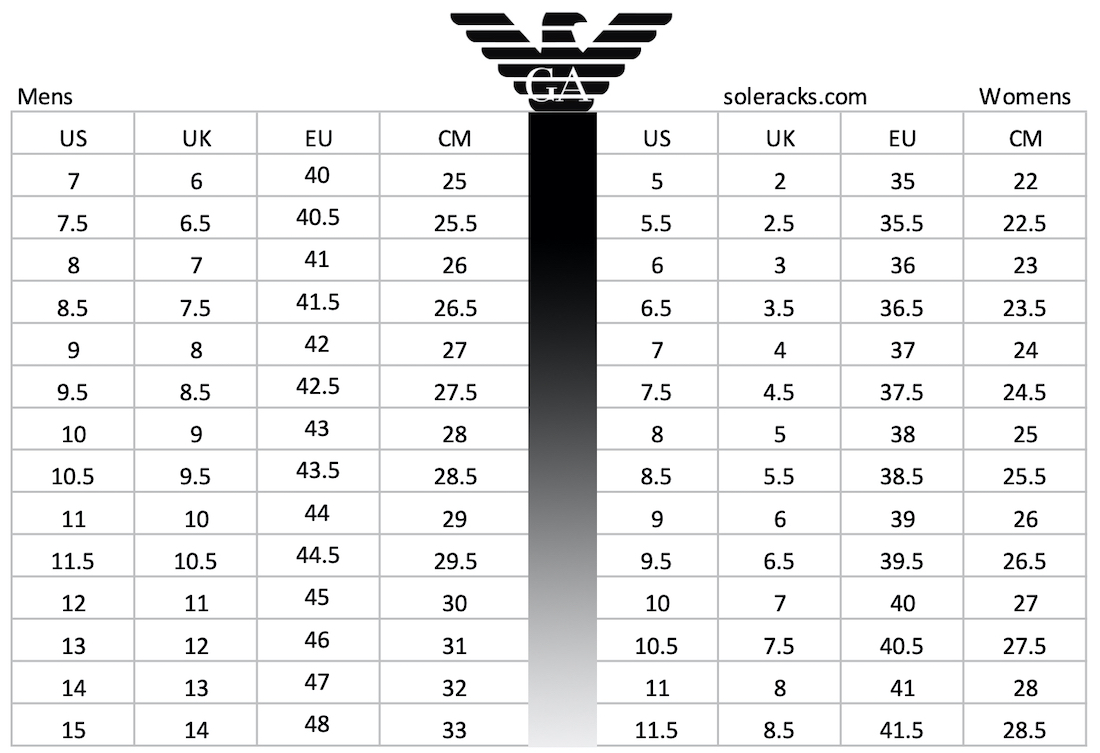
For international brands, having access to reliable conversion charts can be invaluable. These charts allow you to translate a size from one system to another. However, it’s important to remember that conversions are often approximations, and slight variations can still occur between brands.
Pay Attention to Fit Descriptions and Models
Read the product descriptions carefully. Brands often provide details about the fit of the garment – whether it’s slim-fit, relaxed, oversized, etc. Observing the fit on the model in product photos can also offer valuable clues. Consider the model’s height and build in relation to your own when assessing how a particular size might look and feel.
Try Before You Buy (When Possible)
The most reliable method, if feasible, is to try on the garment before purchasing. This allows for a direct assessment of the fit, comfort, and overall appearance. If online shopping, familiarize yourself with the brand’s return policy to ensure you can easily exchange or return items that don’t fit as expected.
Embrace the Journey of Finding Your Fit
Ultimately, the pursuit of the perfect fit is an ongoing journey. It involves understanding your own body, learning the nuances of different sizing systems, and developing a discerning eye for how garments are constructed and intended to fit. A “size 44” is not a static definition but a fluid concept that requires careful consideration of context, brand, and individual body.
aViewFromTheCave is a participant in the Amazon Services LLC Associates Program, an affiliate advertising program designed to provide a means for sites to earn advertising fees by advertising and linking to Amazon.com. Amazon, the Amazon logo, AmazonSupply, and the AmazonSupply logo are trademarks of Amazon.com, Inc. or its affiliates. As an Amazon Associate we earn affiliate commissions from qualifying purchases.