
In the interconnected world of fashion and apparel, the seamless transition between markets and the ease of online shopping have become paramount. Yet, one persistent hurdle for consumers and brands alike is the labyrinth of international sizing systems. For those accustomed to US shoe sizes, encountering a European (EU) sizing chart can often lead to a moment of confusion, particularly when trying to decipher what a “size 11” translates to in the EU. This article delves into the intricacies of converting US size 11 to its EU equivalent, exploring the underlying principles of these sizing systems, the challenges they present, and how brands leverage their understanding of these differences to connect with a global audience.
The Universal Language of Measurement: Understanding Shoe Sizing Systems
The fundamental challenge in international sizing lies in the lack of a single, universally adopted standard. Each region has historically developed its own method for denoting shoe sizes, often based on historical measurements or differing interpretations of foot length and width. This has led to distinct systems, each with its own set of numbers and conventions.
US Sizing: A Familiar Framework
In the United States, shoe sizing is typically based on a scale that starts with a size 1 for infants and progresses upwards. The increments between sizes are generally consistent, with a full size usually representing approximately one-third of an inch (about 8.46 mm). Historically, US men’s and women’s sizing have also followed slightly different tracks, with women’s sizes often being 1.5 to 2 sizes larger than men’s for the same foot length. For instance, a US women’s size 9 is roughly equivalent to a US men’s size 7.
A US men’s size 11 is a common reference point for many consumers. This size generally corresponds to a foot length of around 10.6 inches (269 mm). Similarly, a US women’s size 11 would typically accommodate a slightly shorter foot, around 10.1 inches (257 mm). The prevalence of US sizing in global e-commerce platforms and within American fashion brands means that many consumers are intimately familiar with this numerical system.
EU Sizing: The Paris Point System
The European Union, on the other hand, primarily utilizes a sizing system known as the “Paris Point” system. This system measures shoe size in millimeters, with one Paris Point being equal to two-thirds of a centimeter, or approximately 6.67 mm. The measurement used in the Paris Point system is typically the internal length of the shoe, not the actual foot length. This subtle but significant distinction can lead to variations in fit, as shoe manufacturers build in a small amount of “breathing room” within the shoe’s interior.
The EU sizing scale generally starts at a lower number for smaller shoes and increases numerically as the shoe size gets larger. Unlike the US system, EU sizing does not typically differentiate between men’s and women’s sizes based on the numerical value alone; the sizing chart will specify the gender. A key characteristic of the EU system is its finer increments. While the US system might have half-sizes, the EU system, with its millimeter-based measurements, often allows for more precise sizing.
Decoding the Conversion: From US Size 11 to EU Equivalents
The core of the “what is a size 11 in EU” question lies in the conversion between these two distinct systems. While there isn’t a single, universally perfect formula due to variations in brand-specific lasts and internal shoe measurements, general guidelines and common conversions exist.
The General Conversion Rule
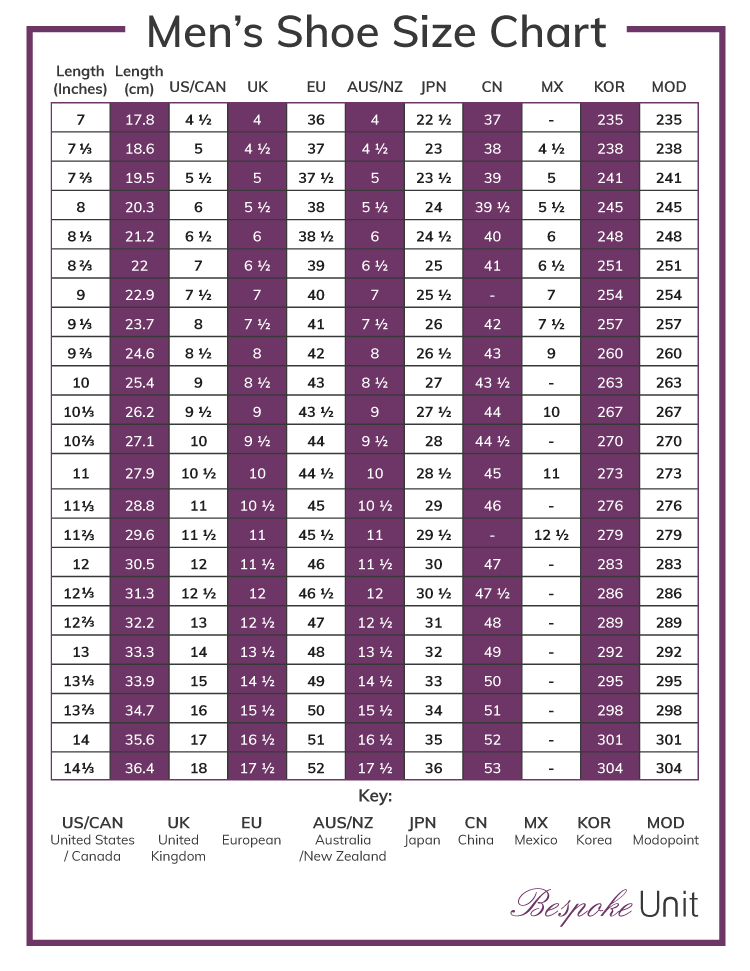
A widely used rule of thumb for converting US men’s shoe sizes to EU sizes is to add approximately 33 to the US size. Therefore, a US men’s size 11 would generally translate to an EU size of 11 + 33 = EU 44.
For US women’s shoe sizes, the conversion is slightly different. It’s common to add approximately 31.5 to 32 to the US women’s size. Thus, a US women’s size 11 would typically be equivalent to an EU 42 or 42.5.
It is crucial to reiterate that these are approximations. The actual fit can vary significantly depending on the specific brand, the shoe’s design (e.g., a running shoe versus a dress shoe), and the materials used. Some brands may adopt slightly modified conversion charts to better suit their product lines and target markets.
The Importance of Brand-Specific Size Charts
Given the inherent variability, the most reliable method for determining your EU size when you know your US size is to consult the specific size chart provided by the brand of the footwear you are interested in. Reputable online retailers and brand websites will offer detailed sizing guides that compare US, UK, EU, and sometimes even foot length in centimeters or inches.
For a US men’s size 11, you would look for the corresponding EU size on the brand’s chart. This will likely fall within the EU 44-45 range. For a US women’s size 11, the chart will likely indicate an EU size in the 42-43 range. Always pay close attention to any notes or disclaimers on the size chart, as they may offer additional guidance on how the particular shoe fits (e.g., “runs large” or “narrow fit”).
The Brand’s Perspective: Global Sizing Strategies and Consumer Experience
From a brand perspective, navigating the complexities of international sizing is not merely a logistical challenge; it’s a fundamental aspect of brand strategy and a critical component of providing a positive customer experience. Brands that excel in the global marketplace understand the importance of clear, accessible, and accurate sizing information.
Consistency as a Cornerstone of Brand Trust

For a brand aiming for international recognition, consistency in sizing across different regions is a cornerstone of building trust and loyalty. When a customer consistently wears a particular size in their home country, they expect a similar experience when purchasing from that brand in another market. Inconsistencies can lead to frustration, returns, and a damaged brand reputation.
This is why many global apparel and footwear brands invest heavily in developing and maintaining comprehensive sizing charts that account for regional differences. They often conduct extensive market research and foot measurement studies to ensure their conversion charts are as accurate as possible for their target demographics. The goal is to minimize the guesswork for consumers and make the purchasing decision as straightforward as possible, regardless of their geographical location.
Marketing and Communication: Bridging the Sizing Gap
Effective marketing and communication are vital in bridging the sizing gap. Brands often use multiple sizing indicators on their product labels and online listings. A shoe might be labeled as “US 11 / EU 44” to immediately inform consumers of its equivalent in another common system. Furthermore, marketing materials and customer service representatives should be equipped to answer sizing queries and provide clear guidance.
Some brands go a step further by offering innovative solutions to address sizing concerns. This might include:
- Foot measurement tools: Apps or online guides that allow customers to measure their feet accurately at home and receive personalized size recommendations.
- Virtual try-on technologies: Augmented reality (AR) tools that can provide a visual representation of how a shoe might fit.
- Detailed product descriptions: Information about the shoe’s fit, such as whether it’s a wider or narrower model, can help customers make informed decisions.
The Impact of E-commerce and Globalization
The rise of e-commerce has amplified the importance of global sizing. Consumers can now purchase from brands anywhere in the world with a few clicks. This convenience, however, comes with the inherent risk of incorrect sizing. Brands that proactively address this challenge through clear, accurate, and easily accessible sizing information are better positioned to succeed in the increasingly globalized retail landscape.
For a brand, mastering the nuances of international sizing demonstrates a commitment to its customers and a sophisticated understanding of its global market. It transforms a potential point of friction into an opportunity to enhance the customer journey and reinforce brand reliability.
Beyond the Numbers: Fit and Comfort in Global Footwear
While converting a US size 11 to an EU equivalent is a crucial first step, it’s important to remember that the ultimate goal is a comfortable and well-fitting shoe. Several factors beyond the numerical size influence how a shoe feels on your foot.
The Nuances of Shoe Construction and Lasts
The “last” is the wooden or plastic form on which a shoe is built. Different lasts have different shapes, widths, and volumes, even for shoes designated with the same numerical size. A brand might use a wider last for its athletic shoes compared to its formal wear, leading to a different feel even if the EU size is technically the same. Understanding the specific last used for a particular shoe model can provide valuable insights into its fit.
Material Properties and Flexibility
The materials used in a shoe’s construction also play a significant role in its fit and comfort. A shoe made from supple leather will mold to your foot over time, offering a more personalized fit than a shoe made from a rigid synthetic material. The flexibility of the sole and the cushioning within the shoe also contribute to the overall wearing experience, irrespective of the size designation.
Personal Foot Anatomy and Preferences
Ultimately, every foot is unique. Factors such as foot arch height, width, and the presence of any foot conditions can influence how a shoe fits. What feels like the perfect fit for one person might be uncomfortable for another, even if they wear the same size. Personal preference also plays a role; some individuals prefer a snug fit, while others opt for more room.
When considering a US size 11 and its EU conversion, it’s always advisable to:
- Measure your foot: Use a Brannock device or a ruler and a piece of paper to get an accurate measurement of your foot length and width.
- Read reviews: Look for customer reviews that specifically mention sizing and fit.
- Consider the shoe type: A running shoe will fit differently than a dress shoe.
- Consult the brand directly: If in doubt, reach out to the brand’s customer service for personalized advice.

Conclusion: Embracing the Global Footprint of Fashion Sizing
The question “what is a size 11 in EU” is more than just a simple numerical conversion; it’s a gateway into understanding the complex yet fascinating world of international apparel sizing. For consumers, it’s about empowering informed purchasing decisions across borders. For brands, it’s about meticulous planning, strategic communication, and a deep commitment to customer satisfaction.
While a US men’s size 11 generally translates to an EU 44, and a US women’s size 11 to an EU 42 or 42.5, these figures serve as starting points rather than definitive answers. The true measure of a successful global sizing strategy lies in the brand’s ability to provide clear, accurate, and accessible information, ensuring that every customer, regardless of their geographical origin or preferred sizing system, can find footwear that fits comfortably and confidently. By embracing the nuances of international sizing, brands not only simplify the shopping experience but also forge stronger connections with a diverse and global customer base.
aViewFromTheCave is a participant in the Amazon Services LLC Associates Program, an affiliate advertising program designed to provide a means for sites to earn advertising fees by advertising and linking to Amazon.com. Amazon, the Amazon logo, AmazonSupply, and the AmazonSupply logo are trademarks of Amazon.com, Inc. or its affiliates. As an Amazon Associate we earn affiliate commissions from qualifying purchases.