
For countless entrepreneurs embarking on their solo business ventures, the legal structure of their enterprise is a pivotal decision that shapes everything from personal liability to tax obligations. Among the array of choices, the Single Member Limited Liability Company (SMLLC) stands out as a popular and often advantageous option. But what exactly is an SMLLC, and why do so many business owners, particularly those operating solo, gravitate towards it?
At its core, a Single Member LLC is a business entity that offers its sole owner the personal liability protection typically associated with corporations, while retaining the operational simplicity and tax flexibility of a sole proprietorship. This hybrid structure aims to provide the best of both worlds, shielding personal assets from business debts and legal claims, without the burdensome corporate formalities and potential double taxation. For anyone considering or already running a business on their own, understanding the nuances of an SMLLC is crucial for sound financial planning and risk management.
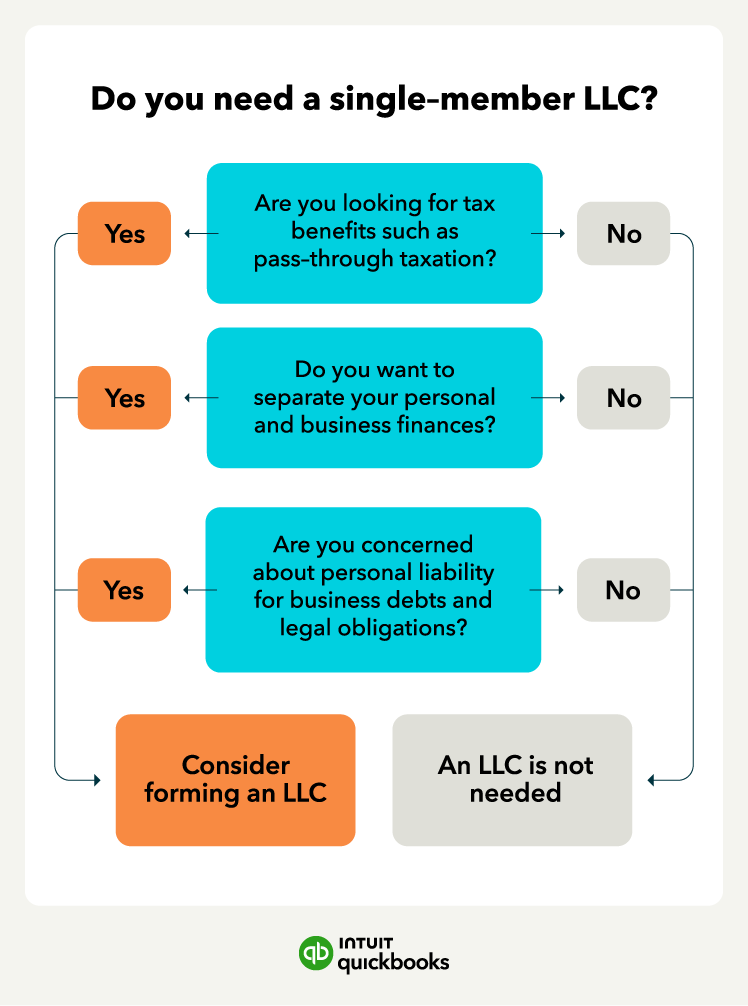
Understanding the Single Member LLC Structure
The journey to comprehending the SMLLC begins with a solid grasp of its foundational components: the Limited Liability Company itself and the distinctive “single member” aspect. This structure represents a strategic choice for individual business owners looking to formalize their operations and enhance financial security.
Defining the LLC
A Limited Liability Company (LLC) is a business structure that, as its name suggests, limits the personal liability of its owners (called “members”) for the company’s debts or actions. This means that if the business incurs debts, faces a lawsuit, or goes bankrupt, the personal assets of the members—such as their homes, personal bank accounts, and vehicles—are generally protected. Instead, creditors or plaintiffs can typically only pursue the assets of the LLC itself. This separation of personal and business finances is a cornerstone of the LLC’s appeal, providing a vital layer of financial protection for entrepreneurs.
The “Single Member” Distinction
The term “Single Member” simply indicates that the LLC has only one owner. While many LLCs are formed with multiple partners (multi-member LLCs), an SMLLC caters specifically to the individual entrepreneur. This distinction simplifies many aspects of operations, decision-making, and often, compliance, as there is no need for partnership agreements or complex profit-sharing arrangements. The single member makes all executive decisions, manages all operations, and reaps all the profits, making it an ideal structure for freelancers, consultants, sole proprietors looking to upgrade their legal standing, and small business owners who prefer to operate independently.
Legal vs. Tax Entity
One of the most insightful aspects of an SMLLC, from a financial perspective, is its dual nature as both a legal and tax entity. Legally, an SMLLC is recognized as a separate entity from its owner, providing the aforementioned liability protection. However, for federal income tax purposes, the IRS typically treats an SMLLC as a “disregarded entity” by default. This means the IRS “disregards” the LLC’s separate existence for income tax purposes and treats it as if it were a sole proprietorship. The business’s income and expenses are reported on the owner’s personal income tax return (Form 1040, Schedule C). This “pass-through” taxation avoids the double taxation often associated with traditional corporations, where profits are taxed at the corporate level and again when distributed to shareholders. Alternatively, an SMLLC can elect to be taxed as an S-corporation or even a C-corporation, offering further tax planning flexibility that can be highly advantageous depending on the business’s profitability and the owner’s financial goals.
Key Benefits of Operating as a Single Member LLC
The appeal of the Single Member LLC structure lies in a compelling combination of legal safeguards, financial efficiencies, and operational advantages that empower individual entrepreneurs.
Personal Liability Protection
This is arguably the most significant benefit of forming an SMLLC. By establishing your business as an LLC, you create a legal barrier between your personal assets and your business liabilities. Should your business incur significant debt, face a lawsuit from a disgruntled client, or be held responsible for an unforeseen operational error, your personal savings, home, car, and other assets are generally shielded from these claims. This peace of mind allows entrepreneurs to take calculated risks necessary for growth without putting their entire personal financial future on the line, representing a crucial element of sound financial risk management for any sole proprietor.
Pass-Through Taxation Advantages
As a disregarded entity by default, an SMLLC enjoys pass-through taxation. This means the business itself does not pay federal income taxes. Instead, profits and losses “pass through” directly to the owner’s personal tax return, avoiding the double taxation faced by C-corporations (where profits are taxed at the corporate level and then again when distributed to shareholders). This simplified tax structure often results in less complex tax filings and potentially lower overall tax burdens, especially for smaller businesses. Furthermore, the option to elect S-corporation status can offer significant payroll tax savings once the business reaches a certain level of profitability, allowing the owner to pay themselves a reasonable salary and take the remaining profits as distributions, which are not subject to self-employment taxes. This flexibility provides powerful financial planning tools for a growing business.
Operational Simplicity and Flexibility
Unlike corporations that must adhere to strict formalities such as regular board meetings, detailed minutes, and complex shareholder structures, an SMLLC typically requires fewer administrative burdens. The single member has complete control over decision-making, which streamlines operations and allows for quick adaptation to market changes. While some foundational documents like an operating agreement are recommended, the day-to-day governance is significantly less rigid, making it an attractive option for busy solo entrepreneurs who want to focus on their core business activities rather than extensive corporate bureaucracy. This operational agility can be a significant competitive advantage.
Credibility and Professionalism
Operating under an official business name with the “LLC” designation adds a layer of professionalism and credibility that a sole proprietorship often lacks. For clients, partners, and lenders, an LLC signals a more established and serious business entity. This enhanced image can facilitate securing business loans, attracting higher-paying clients, and fostering trust in the marketplace. From a financial perspective, appearing more legitimate can open doors to better financing options, higher service fees, and ultimately, greater profitability and growth.
Potential Drawbacks and Considerations
While the SMLLC offers numerous advantages, it’s not without its own set of potential challenges and considerations that every entrepreneur should weigh before making a definitive decision. Understanding these financial and administrative aspects is key to effective business planning.

Self-Employment Taxes
While SMLLCs avoid corporate income taxes, the owner is still responsible for self-employment taxes (Social Security and Medicare contributions). As a disregarded entity, the entire net income of the business is subject to these taxes, which currently total 15.3% on earnings up to a certain threshold, and 2.9% thereafter, plus an additional Medicare tax for high earners. For individuals accustomed to having these taxes partially covered by an employer, this can represent a significant financial obligation. This burden is why many profitable SMLLCs elect S-corporation status, allowing the owner to pay themselves a “reasonable salary” subject to self-employment taxes, while distributions of profit are exempt, potentially leading to substantial tax savings for the savvy financial planner.
Formalities and Compliance Requirements
Although less stringent than corporations, SMLLCs still entail certain formalities and compliance obligations that sole proprietorships do not. These can include initial filing fees, annual report filings, registered agent requirements, and maintaining separate bank accounts and financial records. Failure to adhere to these requirements, known as “piercing the corporate veil,” could potentially revoke the personal liability protection the LLC was designed to provide. This administrative overhead translates into both time and potential financial costs (e.g., filing fees, professional services for compliance) that must be factored into the business’s budget.
Raising Capital Challenges
For single-member entities, attracting external investors can sometimes be more challenging than for multi-member LLCs or corporations. Investors often prefer structures that clearly delineate ownership, voting rights, and pathways for future equity stakes, which are more inherently structured in corporate forms. While an SMLLC can certainly evolve and admit new members or convert to a corporation, the initial structure might require additional legal and financial work to accommodate significant outside investment, potentially slowing down critical funding rounds.
State-Specific Regulations
The process and requirements for forming and maintaining an SMLLC can vary significantly from state to state. States have different filing fees, annual reporting requirements, and sometimes unique tax obligations (e.g., franchise taxes). It’s crucial for business owners to research and understand the specific regulations in the state where they plan to register their LLC. These variations can impact the overall cost of establishment and ongoing compliance, which directly affects the business’s financial viability and administrative burden.
Setting Up and Managing Your Single Member LLC
The process of forming and operating an SMLLC involves several critical steps, each with financial and legal implications that must be carefully navigated to ensure the entity’s effectiveness and longevity.
Naming and Registration Process
The first step in establishing an SMLLC is choosing a unique business name that complies with your state’s naming conventions and is not already in use. This typically involves a name availability search through your Secretary of State’s office. Once a name is secured, the primary legal document, known as the “Articles of Organization” (or Certificate of Formation in some states), must be filed with the relevant state authority. This document officially creates your LLC. The filing typically incurs a fee, which varies by state and should be accounted for in your initial business setup costs. Subsequently, obtaining an Employer Identification Number (EIN) from the IRS is crucial, even for SMLLCs with no employees, as it’s required for opening a business bank account and for tax filing purposes.
The Importance of an Operating Agreement
Although an SMLLC has only one member, drafting an Operating Agreement is highly recommended. While it might seem redundant for a sole owner, this internal document outlines the rules of the business, the owner’s rights and responsibilities, the business’s purpose, how profits and losses will be allocated (even if it’s 100% to one person), and procedures for dissolution. It serves as a blueprint for your business, solidifying its structure and helping to affirm the separation between you and your business in the eyes of the law, which is vital for maintaining personal liability protection. From a financial perspective, it also provides clarity on capital contributions, distributions, and how future capital raises might be structured.
Maintaining Separate Finances
One of the most critical aspects of preserving the liability protection an SMLLC offers is meticulously separating personal and business finances. This means opening a dedicated business bank account and potentially a business credit card as soon as your LLC is formed and using them exclusively for all business transactions. Commingling funds—mixing personal and business expenses—can lead to “piercing the corporate veil,” where a court might disregard the LLC’s separate legal existence and hold the owner personally liable for business debts. Robust financial record-keeping, tracking all income and expenses, is not just good business practice but a legal necessity for an SMLLC, directly impacting financial integrity and tax compliance.
Ongoing Compliance and Annual Filings
Maintaining an SMLLC is an ongoing commitment. Most states require annual reports or statements of information to be filed, often accompanied by a fee. These filings keep your business registration current and provide the state with updated contact information. Additionally, staying abreast of state and federal tax requirements, including estimated tax payments, sales taxes (if applicable), and self-employment tax calculations, is paramount. Engaging with a financial advisor or tax professional can be invaluable in ensuring all compliance obligations are met, mitigating financial risks, and optimizing tax strategies.
Is a Single Member LLC Right for Your Business?
Deciding on the optimal business structure is a foundational financial and strategic choice. The SMLLC offers a compelling blend of benefits, but it’s not a universal solution. Understanding when it’s most appropriate, and when alternatives might be better suited, is key to long-term success.
Ideal Candidates for SMLLCs
The SMLLC is particularly well-suited for a wide range of individual entrepreneurs. This includes freelancers, consultants, independent contractors, small online business owners, and solo service providers who are seeking personal asset protection without the complexities of forming a corporation or taking on partners. It’s an excellent choice for those whose businesses carry some degree of risk, even if perceived as minimal, as the liability shield offers crucial peace of mind. Moreover, entrepreneurs who anticipate growing their business significantly but wish to maintain sole control in the initial stages often find the SMLLC to be an ideal stepping stone, given its flexibility to convert or admit new members later.
When to Consider Other Structures
While versatile, the SMLLC might not be the best fit in all scenarios. If your business plans involve attracting a large number of external investors who expect traditional equity structures, a corporation (S-Corp or C-Corp) might be more appealing due to its established framework for shares and shareholder rights. Similarly, if your business requires significant capital investment from multiple partners from day one, a multi-member LLC or a partnership might offer a clearer path for defining ownership stakes and operational control. Furthermore, for businesses with very low risk and minimal assets, a simple sole proprietorship might suffice, avoiding the initial setup costs and ongoing compliance requirements of an LLC, though at the expense of personal liability protection.

Seeking Professional Guidance
Given the financial, legal, and tax implications involved, it is highly advisable to consult with legal and financial professionals before deciding on a business structure. An attorney can provide insights into state-specific compliance and liability protection, while a tax advisor or accountant can help you understand the various tax implications, including the decision to remain a disregarded entity or elect S-corporation status, based on your projected income and financial goals. Their expertise can save you significant time, money, and potential headaches down the line, ensuring your business is structured optimally for financial health and legal compliance.
In conclusion, the Single Member Limited Liability Company offers an appealing and robust framework for individual entrepreneurs looking to combine the protective shield of an incorporated entity with the simplicity and tax advantages of sole proprietorship. By carefully considering its structure, benefits, drawbacks, and the precise steps for setup and maintenance, solo business owners can leverage the SMLLC to build a financially secure, credible, and operationally efficient enterprise.
aViewFromTheCave is a participant in the Amazon Services LLC Associates Program, an affiliate advertising program designed to provide a means for sites to earn advertising fees by advertising and linking to Amazon.com. Amazon, the Amazon logo, AmazonSupply, and the AmazonSupply logo are trademarks of Amazon.com, Inc. or its affiliates. As an Amazon Associate we earn affiliate commissions from qualifying purchases.