
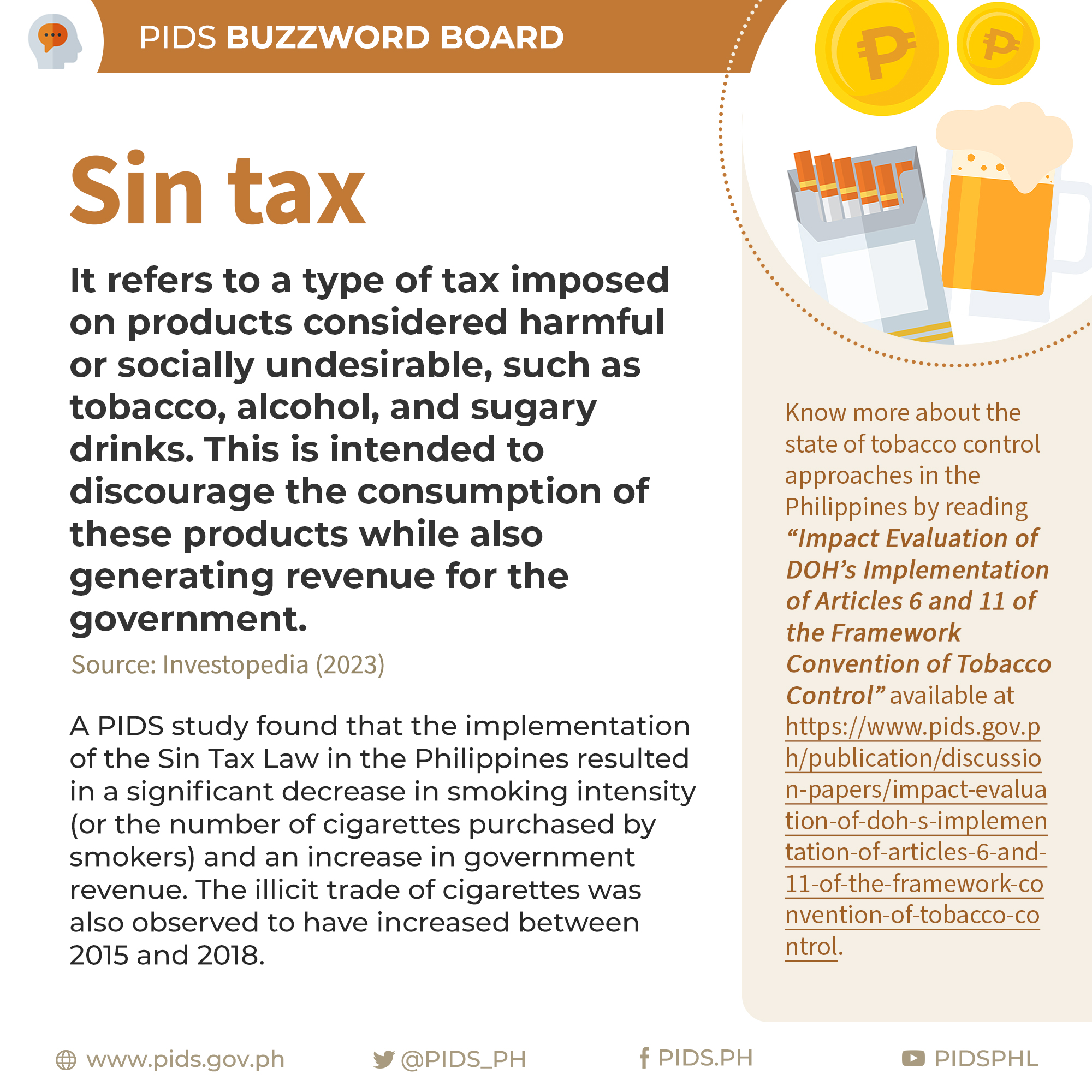
The term “sin tax” might conjure images of moral judgment or a punitive levy on activities deemed undesirable by society. While there’s an element of behavioral influence, sin taxes are fundamentally economic tools employed by governments to address specific market failures and generate revenue. These taxes are levied on goods and services that are considered harmful to public health or that generate negative externalities—costs that are not borne by the producer or consumer but by society at large. Understanding sin taxes requires a deep dive into their economic rationale, their practical application, and the multifaceted impacts they can have.
The Economic Rationale Behind Sin Taxes
At their core, sin taxes are a manifestation of the Pigovian tax concept, named after economist Arthur Pigou. Pigouvian taxes are designed to correct for negative externalities, where the private cost of an activity is lower than its social cost. When individuals or businesses engage in activities that impose costs on others (e.g., pollution from a factory, healthcare costs associated with smoking), the market price of that good or service doesn’t reflect the full societal burden. Sin taxes aim to internalize these external costs.
Addressing Negative Externalities
The most common justification for sin taxes is to align the price of a product with its true social cost. Consider the act of smoking. The smoker directly bears some costs, like the price of cigarettes and potential health issues. However, society bears significant additional costs: increased healthcare expenditures for treating smoking-related illnesses, the burden on emergency services, and even lost productivity due to ill health. A sin tax on cigarettes increases their price, making consumers more aware of these societal costs. This economic signal encourages a reduction in consumption, thereby mitigating the negative externalities. Similarly, alcohol consumption can lead to increased healthcare costs, accidents, and public disorder, all of which impose burdens on society. Taxes on alcoholic beverages attempt to reflect these broader societal expenses.
Discouraging Harmful Consumption
Beyond correcting externalities, sin taxes are often implemented with the explicit goal of discouraging the consumption of goods deemed unhealthy or socially detrimental. This is a form of behavioral economics in action, where price manipulation is used to nudge individuals towards healthier or more socially responsible choices. For instance, a higher tax on sugary drinks can make them less appealing, prompting consumers to opt for water or other less sugary alternatives. The revenue generated from these taxes can then be earmarked for public health initiatives, such as obesity prevention programs or smoking cessation campaigns, creating a virtuous cycle. The idea is that by making these products more expensive, individuals will think twice before purchasing them, leading to a decline in demand.
Revenue Generation for Public Services
While behavioral modification is a key objective, sin taxes also serve as a significant source of revenue for governments. The funds collected from these levies can be channeled into various public services, often those that are indirectly related to the taxed product but address broader societal needs. For example, revenue from tobacco taxes might fund healthcare programs, while taxes on alcohol could contribute to road safety initiatives or addiction treatment centers. In some cases, the revenue might be directed towards general government expenditure. This dual purpose—influencing behavior and raising funds—makes sin taxes an attractive policy tool for many administrations, especially when faced with budget deficits or the need to finance specific public goods.
Common Targets of Sin Taxes
The application of sin taxes is diverse, reflecting societal concerns about various forms of consumption. While the specific goods and services taxed can vary by jurisdiction, certain categories consistently fall under the umbrella of sin taxation. These are typically products or activities that are associated with significant public health concerns, environmental damage, or other societal costs.
Tobacco Products
Tobacco products are perhaps the most classic and widespread example of goods subject to sin taxes. Governments worldwide have long recognized the devastating health consequences of smoking and the substantial burden it places on healthcare systems. Consequently, taxes on cigarettes, cigars, and other tobacco products are typically very high. These taxes aim to achieve multiple objectives: reduce smoking rates, especially among young people, discourage initiation, and encourage current smokers to quit. The revenue generated from tobacco taxes often fuels public health campaigns and healthcare services, providing a direct link between the taxed product and its societal impact.
Alcoholic Beverages
Alcoholic beverages, like tobacco, are another common target for sin taxation. The consumption of alcohol is linked to a range of negative outcomes, including drunk driving accidents, violence, liver disease, and addiction. Sin taxes on beer, wine, and spirits are intended to increase their price, thereby discouraging excessive consumption. The revenue generated can be used to fund addiction treatment programs, public awareness campaigns about responsible drinking, and initiatives to improve road safety. The specific tax rates can vary significantly depending on the type of alcohol and its alcohol content, reflecting the perceived level of harm associated with each.
Sugary Drinks and Unhealthy Foods
In recent years, there has been a growing trend of imposing sin taxes on sugary drinks and, in some cases, other unhealthy foods. This is driven by rising rates of obesity, diabetes, and other diet-related diseases. The rationale is similar to that for tobacco and alcohol: to discourage consumption of products that contribute to poor public health outcomes and to generate revenue that can be used to promote healthier lifestyles. These “sugar taxes” aim to nudge consumers towards healthier beverage choices and encourage food manufacturers to reformulate their products to contain less sugar. While their effectiveness is still being debated, they represent a significant development in the application of sin taxation.
Gambling and Online Gaming
Gambling, including lotteries, casinos, and increasingly, online gaming, is also frequently subject to sin taxes. The addictive nature of gambling and its potential to lead to financial ruin and social disruption make it a prime candidate for taxation. The revenue generated from gambling taxes can be used to fund addiction services, responsible gambling initiatives, and to support communities where gambling facilities are located. The digital expansion of gambling has presented new challenges for taxation, requiring governments to adapt their policies to capture revenue from online platforms.

Other Goods and Services
Beyond these primary categories, sin taxes can be applied to a variety of other goods and services that are deemed to have negative societal impacts. This can include:
- Fossil Fuels and Carbon Emissions: Taxes on gasoline and other fossil fuels, or carbon taxes, are levied to address the environmental externalities of pollution and climate change. The revenue generated can be used to invest in renewable energy or environmental protection.
- Junk Food Advertising: Some jurisdictions have considered or implemented taxes on advertising for unhealthy foods, aiming to reduce their promotion, particularly to children.
- Luxury Goods: While not always framed as “sin” taxes, luxury taxes are sometimes levied on high-end goods, with the intention of generating revenue and, in some cases, discouraging conspicuous consumption.
The breadth of application demonstrates the flexibility of sin taxes as a policy instrument, adaptable to addressing a range of societal concerns.
The Impact and Effectiveness of Sin Taxes
The effectiveness and impact of sin taxes are subjects of ongoing economic and policy debate. While proponents highlight their ability to generate revenue and influence behavior, critics raise concerns about their regressive nature, potential for unintended consequences, and the difficulty in precisely measuring their impact.
Behavioral Change and Public Health Outcomes
One of the primary goals of sin taxes is to alter consumer behavior, leading to reduced consumption of taxed goods and, consequently, improved public health. Studies on tobacco taxes, for example, have shown a strong correlation between increased cigarette prices and decreased smoking rates, particularly among young people and lower-income individuals. Similarly, evidence from countries that have implemented sugar taxes suggests a modest but measurable reduction in the purchase of sugary beverages. The idea is that higher prices act as a deterrent, encouraging individuals to either quit, reduce their consumption, or switch to less harmful alternatives. The revenue generated can then be reinvested in public health initiatives, further amplifying the positive impact.
However, the extent of behavioral change can depend on several factors, including the size of the tax, the elasticity of demand for the taxed good, and the availability of substitutes. If a tax is too small, it may have little effect on consumption. If there are readily available, untaxed alternatives, consumers may simply switch to those. Furthermore, attributing specific public health improvements solely to sin taxes can be challenging, as other factors, such as public awareness campaigns and broader societal trends, also play a role.
Economic Implications: Regressivity and Unintended Consequences
A significant criticism of sin taxes is their potential to be regressive, meaning they disproportionately affect lower-income individuals. Since these individuals tend to spend a larger percentage of their income on taxed goods like tobacco and alcohol, the tax burden falls more heavily on them in relative terms. This can lead to financial hardship for those least able to afford it.
To mitigate this, governments often earmark the revenue generated from sin taxes to fund programs that benefit these same lower-income populations, such as healthcare subsidies, social welfare programs, or targeted public health initiatives. The aim is to offset the regressive impact of the tax by providing compensatory benefits.
Another concern is the potential for unintended consequences, such as a “black market” for untaxed or lower-taxed versions of the product, or cross-border shopping in jurisdictions with lower tax rates. For instance, if taxes on cigarettes become excessively high in one region, consumers may travel to neighboring areas with lower prices, or seek out illicit supplies. This can undermine the intended public health goals and reduce government revenue. Policymakers must carefully consider the tax rates and enforcement mechanisms to minimize these risks.
Revenue Generation and Earmarking
Sin taxes can be a substantial source of revenue for governments, especially when levied on goods with inelastic demand. The predictability of this revenue stream can be appealing for budgeting and financing public services. The practice of “earmarking” sin tax revenue—dedicating it to specific purposes related to the taxed product or broader public welfare—is a key aspect of their policy justification. This ensures that the funds generated are used to address the very issues that the tax is designed to mitigate, such as funding healthcare services for smoking-related illnesses or supporting addiction treatment programs.
However, the effectiveness of earmarking can vary. In some cases, earmarked funds may be diverted for other purposes, or the revenue may be too small to adequately address the problems it is intended to solve. Furthermore, relying heavily on sin taxes for revenue can create a fiscal dependency, where governments may be hesitant to implement policies that significantly reduce consumption, as this would also reduce tax revenue.

Challenges in Design and Implementation
Designing and implementing effective sin taxes is a complex undertaking. It requires careful consideration of:
- Tax Rate Determination: Finding the optimal tax rate that balances revenue generation with behavioral change without creating excessive regressive impacts or black markets.
- Scope of Taxation: Deciding which products and services to include, and how to define them precisely. For example, defining what constitutes a “sugary drink” can be contentious.
- Enforcement Mechanisms: Developing robust systems to ensure compliance and prevent evasion.
- Public Perception and Political Will: Gaining public acceptance and political support for these taxes, which can sometimes be controversial.
Ultimately, the success of sin taxes depends on a nuanced approach that considers their economic rationale, their potential impacts, and the specific context in which they are applied. When designed and implemented thoughtfully, they can serve as valuable tools for promoting public health, addressing market failures, and generating revenue for public services.
aViewFromTheCave is a participant in the Amazon Services LLC Associates Program, an affiliate advertising program designed to provide a means for sites to earn advertising fees by advertising and linking to Amazon.com. Amazon, the Amazon logo, AmazonSupply, and the AmazonSupply logo are trademarks of Amazon.com, Inc. or its affiliates. As an Amazon Associate we earn affiliate commissions from qualifying purchases.