
A silk press, in the realm of hair care, represents a sophisticated styling technique that aims to achieve a smooth, sleek, and lustrous finish on natural or textured hair. It’s not merely a straightening method; it’s a multi-step process that prioritizes the health and integrity of the hair while delivering a polished aesthetic. This technique has gained significant traction, particularly within communities where embracing natural texture is a growing trend. The allure of a silk press lies in its ability to temporarily transform textured hair into a state of unparalleled smoothness, resembling the sheen and fluidity of silk. This process involves careful preparation, precise application of heat, and specific finishing techniques, all designed to minimize damage and maximize shine.
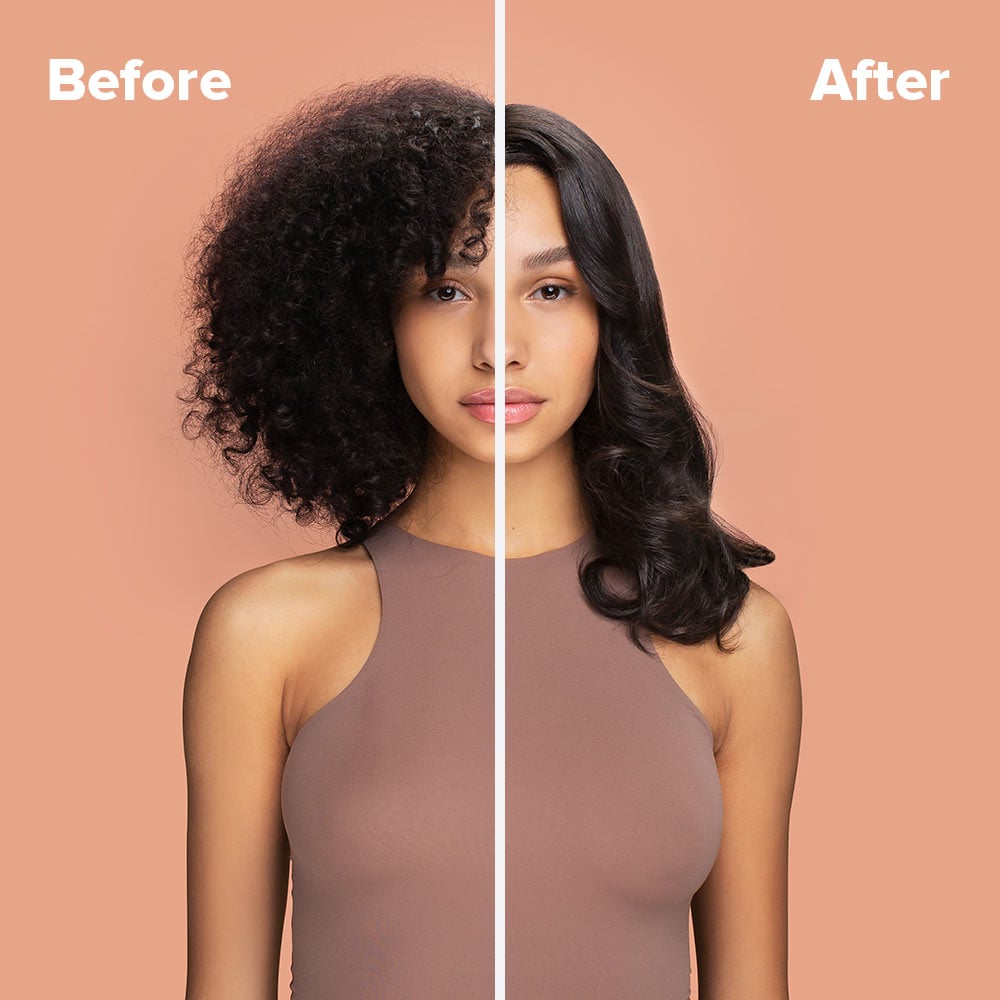
The growing popularity of the silk press is intrinsically linked to evolving perceptions of beauty and hair care. As more individuals embrace their natural hair textures, the demand for styling methods that enhance rather than alter these textures permanently has surged. The silk press offers a desirable compromise: the ability to enjoy a straight, sleek look without committing to chemical relaxers or the potential damage they can inflict. This temporary transformation allows for versatility in styling, catering to a desire for both natural and straightened looks. Understanding the nuances of a silk press, from its preparatory stages to its concluding flourishes, is crucial for anyone seeking to achieve this coveted style or for professionals looking to offer it as a service.
The Science and Art of Achieving Silk Press Smoothness
At its core, the silk press is a detailed process that combines scientific understanding of hair structure with artistic application of styling techniques. The goal is to manipulate the hair’s hydrogen bonds, which are responsible for its shape, to create a straighter configuration, while simultaneously enhancing its natural shine and reducing frizz. This is achieved through a meticulous approach that begins long before the heat is applied.
Pre-Treatment: The Foundation of Healthy Straightening
The success of any silk press hinges on the preparation of the hair. This initial stage is paramount for ensuring the hair is in optimal condition to receive heat and styling, thereby minimizing potential damage and maximizing the longevity and beauty of the final look.
Clarifying and Deep Conditioning
Before embarking on the silk press journey, the hair must be thoroughly cleansed to remove any product buildup that could interfere with the straightening process or create a barrier to moisture. A clarifying shampoo is often used for this purpose, stripping away impurities and residual styling products. Following this deep cleanse, a hydrating deep conditioner is essential. This replenishes moisture lost during the clarifying process and infuses the hair with essential nutrients, making it more pliable and resilient to heat. The conditioner helps to smooth the hair cuticle, a critical step in achieving a sleek finish.
Protein Treatments and Heat Protectants
For hair that may be compromised or prone to breakage, a protein treatment can be beneficial in strengthening the hair shaft. Proteins like keratin help to repair damaged areas, providing a more robust foundation for styling. The most crucial element in the pre-treatment phase, however, is the application of a high-quality heat protectant. This product acts as a barrier between the hair and the intense heat from styling tools, preventing moisture loss and protecting the hair’s internal structure from thermal damage. It’s vital to select a heat protectant suitable for the specific hair type and the intended heat levels.
The Heat Styling Process: Precision and Technique
Once the hair is prepped and protected, the actual styling begins. This phase requires a combination of the right tools and skillful execution to achieve the desired straightness and shine.
Blow-Drying with Tension
The initial step in heat styling involves blow-drying the hair. This is not a casual blow-dry; it’s performed with focused tension. Using a nozzle on the blow dryer to direct airflow, the stylist works in small sections, combing through the hair with a fine-tooth comb or a paddle brush while simultaneously directing the hot air down the hair shaft. This technique helps to stretch the hair and begin the straightening process, ensuring each strand is smooth before the flat iron is introduced. The tension is crucial for aligning the hair cuticle and preparing it for the next stage.
Flat Ironing: The Key to Silkiness
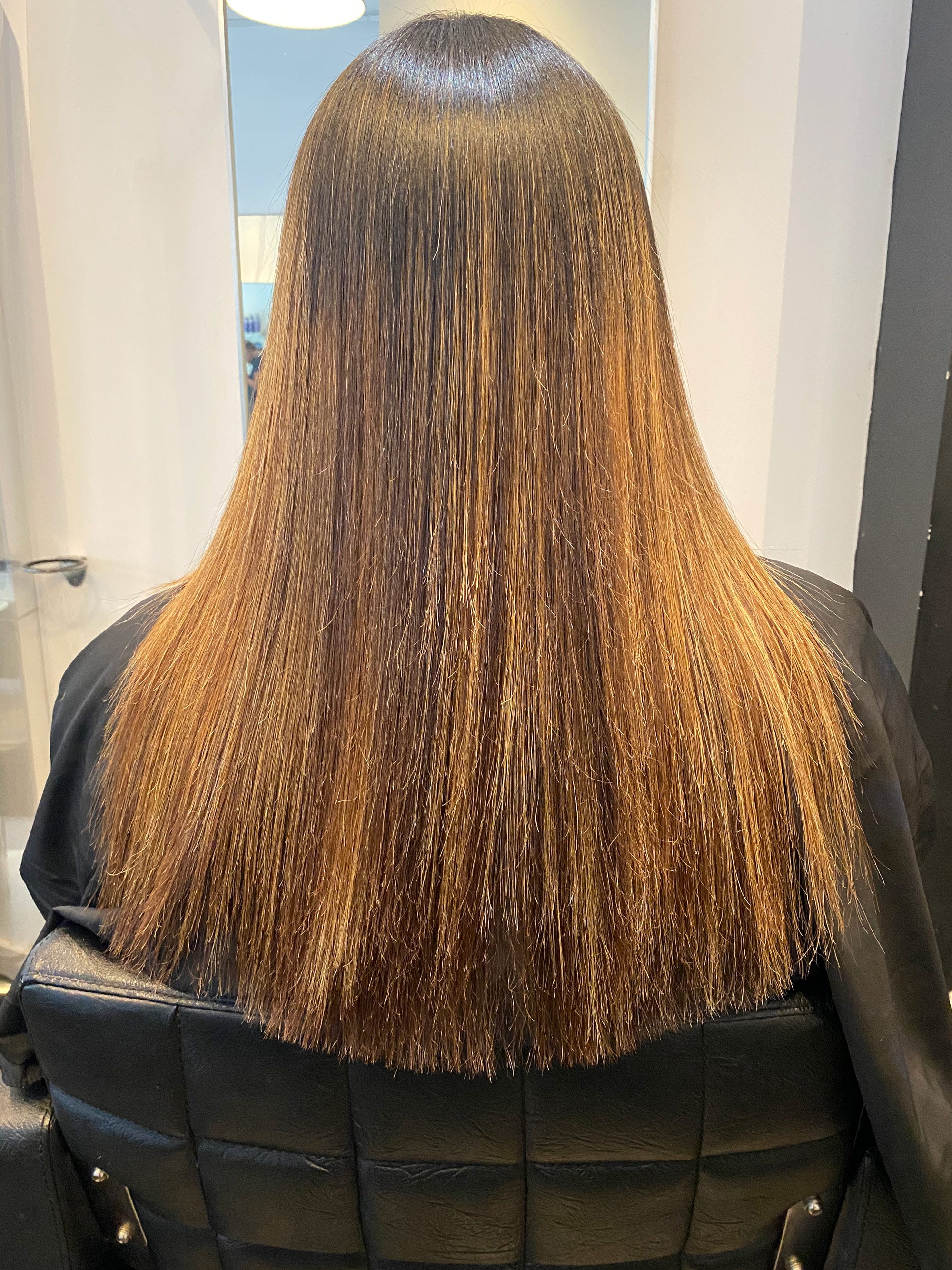
The flat iron is the hero tool of the silk press, responsible for achieving that signature glass-like finish. The selection of the right flat iron is important – ceramic, titanium, or tourmaline plates are often preferred for their even heat distribution and ability to reduce frizz. The hair is meticulously sectioned into very small portions, allowing for precise control. The flat iron is then passed over each section, usually once or twice, with consistent, moderate pressure and speed. The temperature of the flat iron is carefully calibrated to the hair’s condition and texture – lower temperatures for finer or compromised hair, and higher temperatures for coarser, more resilient textures. The goal is to glide the iron smoothly, sealing the cuticle and imparting a luminous shine.
Post-Styling Care: Maintaining the Silk Press
The silk press, while beautiful, is a temporary style that requires diligent aftercare to preserve its sleekness and prevent reversion. Understanding how to maintain the style ensures its longevity and keeps the hair looking its best between salon visits.
Avoiding Moisture and Frizz
The primary adversary of a silk press is moisture. Water, humidity, and even excessive sweating can cause the hair to revert to its natural state. Therefore, minimizing exposure to these elements is key.
The “Wrap” Method and Silk/Satin Bonnets
To protect the hair overnight or during periods of inactivity, the “wrap” method is commonly employed. This involves carefully wrapping the hair around the head, smoothing it down, and securing it with bobby pins or a satin scarf. This helps to maintain the straightened form and prevent tangling. For sleeping, a silk or satin bonnet or pillowcase is indispensable. Unlike cotton, silk and satin are smooth fabrics that reduce friction, preventing frizz and preserving the smoothness of the hair without absorbing its natural oils.
Light Finishing Products
While avoiding heavy oils that can weigh down the hair and attract dust, a light finishing spray or serum can be beneficial. These products can add an extra layer of shine and help to tame any flyaways. However, moderation is crucial. A light mist of a humidity-blocking spray can also offer some protection against environmental moisture. The focus is on products that enhance the finish without compromising the style’s integrity.
The Impact of Silk Press on Hair Health
While a well-executed silk press can be a beautiful and versatile styling option, it’s important to acknowledge its potential impact on hair health. Responsible application and consistent aftercare are crucial for mitigating any negative effects.
Understanding Heat Damage and Prevention
The core of the silk press involves the application of heat. While modern tools and techniques aim to minimize damage, excessive heat or improper application can lead to several issues.
Signs of Heat Damage and Reversion Strategies
Signs of heat damage can include dryness, breakage, split ends, a dull appearance, and a loss of natural curl pattern even after washing. If heat damage is suspected, it’s essential to cease heat styling and focus on intensive conditioning and moisturizing treatments. Deep conditioning masks, protein treatments, and leave-in conditioners can help to restore moisture and strength. In severe cases, trimming damaged ends may be necessary.
Professional Application and Education
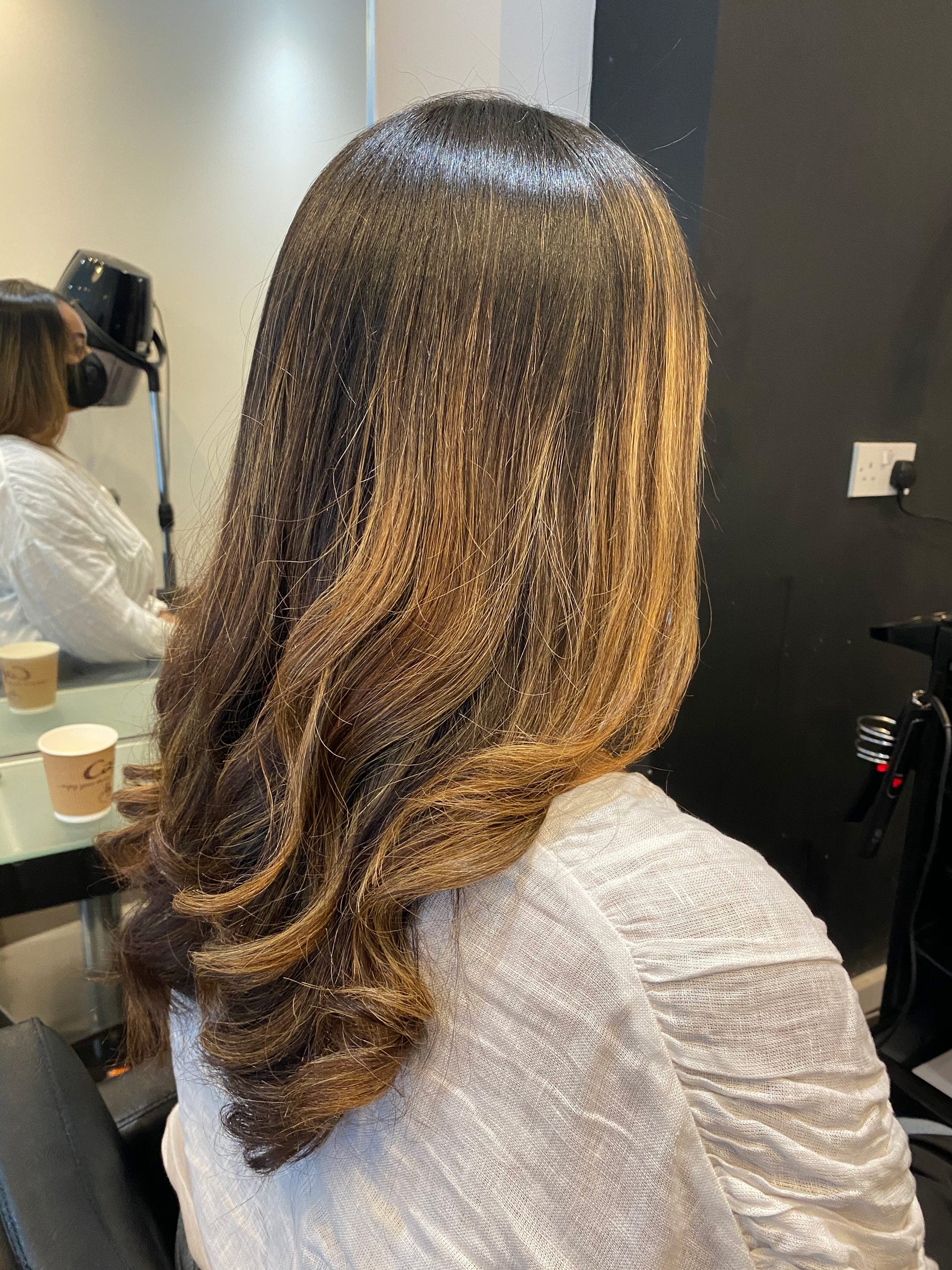
The best way to ensure a silk press is performed safely and effectively is to seek out a skilled professional stylist who specializes in textured hair. They will understand the appropriate heat settings, tension techniques, and product selection for your specific hair type. Furthermore, educating yourself about the process and proper at-home care is empowering. Understanding the limitations of the style and prioritizing hair health over prolonged straightening is key to maintaining beautiful, healthy hair in the long run. This involves recognizing when to embrace your natural texture and when a silk press is a suitable, temporary enhancement.
aViewFromTheCave is a participant in the Amazon Services LLC Associates Program, an affiliate advertising program designed to provide a means for sites to earn advertising fees by advertising and linking to Amazon.com. Amazon, the Amazon logo, AmazonSupply, and the AmazonSupply logo are trademarks of Amazon.com, Inc. or its affiliates. As an Amazon Associate we earn affiliate commissions from qualifying purchases.