
In an increasingly digitized world, the foundational elements of physical brand presence often get overlooked. Yet, for businesses and organizations across every sector, one such element remains critically important: the signage board. Far more than just a piece of painted wood or illuminated plastic, a signage board is a powerful, silent ambassador for a brand, a crucial marketing tool, and a vital component of corporate identity. It’s the first impression, the guiding light, and the constant reminder of who a business is and what it offers.
To truly understand a signage board, one must look beyond its physical form and delve into its strategic significance. It is an investment in visibility, a commitment to communication, and a physical manifestation of a brand’s identity in the real world. From a small local café to a sprawling corporate campus, effective signage is indispensable for attracting customers, reinforcing brand values, and establishing a memorable presence. This article will explore the multifaceted nature of signage boards, dissecting their role in brand strategy, detailing their various types and applications, and outlining the principles of crafting signage that truly resonates.
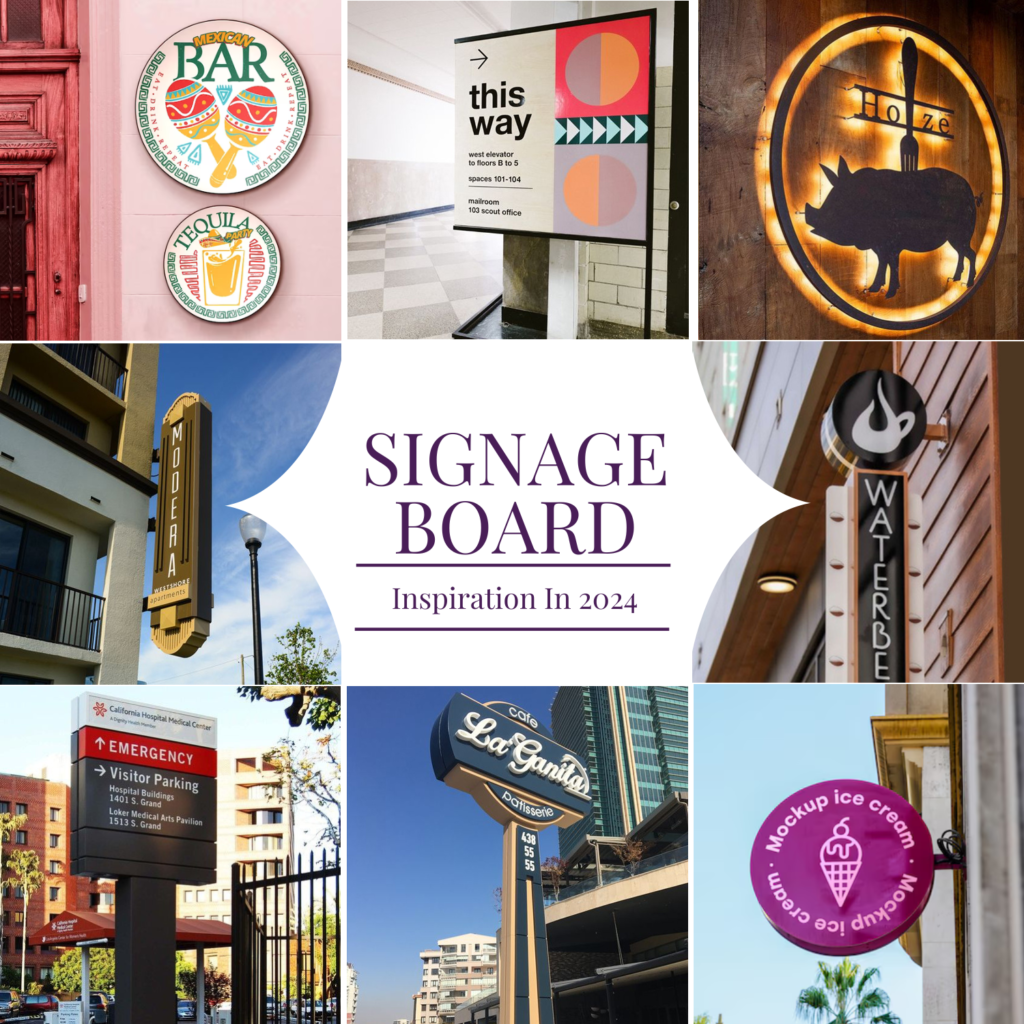
The Fundamental Role of Signage in Brand Identity
At its core, a signage board serves as a tangible link between a brand and its audience. It translates abstract brand concepts—such as values, aesthetic, and purpose—into a physical, observable form. This makes it an indispensable asset in forging a strong, recognizable brand identity.
Beyond a Name: Establishing Physical Presence
For any brick-and-mortar business or organization, a signage board is the primary means of announcing its existence and location. In a bustling street or a busy commercial park, a well-designed sign cuts through the visual noise, declaring “We are here!” This physical presence is paramount for local discovery, foot traffic generation, and general public awareness. Without clear, visible signage, even the most innovative business risks remaining invisible to potential customers. It transforms a vague location into a distinct destination, solidifying a business’s spot within the community’s consciousness and physical landscape. Think of a landmark store or restaurant; often, its signage is as iconic as the establishment itself, guiding generations of patrons to its doors. This isn’t merely about navigation; it’s about embedding the brand’s physical location into the collective memory, creating an indelible association between a place and a specific identity.
Visual Communication: The First Impression
A signage board is often the very first visual interaction a potential customer has with a brand. Long before they step inside, browse a website, or speak to an employee, the sign communicates volumes. Its design, typeface, color palette, and overall aesthetic instantly convey aspects of the brand’s personality—is it modern or traditional, luxurious or affordable, playful or serious? This initial visual cue sets expectations and forms an immediate impression. A professional, attractive sign suggests a professional, trustworthy business, while a neglected or poorly designed sign can inadvertently communicate a lack of attention to detail or quality. This critical first impression can make or break a customer’s decision to engage further, highlighting the immense responsibility placed upon a brand’s signage to accurately and appealingly represent its core values and offerings. It’s a silent sales pitch, a visual handshake that invites further exploration and builds preliminary trust or curiosity.
Reinforcing Brand Values and Aesthetics
Effective signage goes beyond merely stating a name; it actively reinforces the overarching brand strategy and aesthetics. A brand that prides itself on sustainability might use reclaimed materials or eco-friendly lighting for its sign. A luxury brand would opt for elegant fonts, sophisticated finishes, and perhaps subtle illumination to convey exclusivity. Conversely, a vibrant, youth-oriented brand might employ bold colors, contemporary typography, and dynamic designs. Every element of the sign—from the texture of the material to the intensity of the illumination—is an opportunity to communicate and solidify the brand’s desired image and core values. This consistent visual language across all touchpoints, including signage, is vital for building a cohesive and memorable brand identity that resonates deeply with its target audience. It’s a constant visual reminder of what the brand stands for, fostering recognition and loyalty over time.
Types of Signage Boards and Their Strategic Brand Applications
The world of signage is vast and varied, with different types serving distinct strategic purposes for a brand. Understanding these categories is crucial for making informed decisions about which signage best suits a brand’s specific needs, location, and communication goals.
Exterior Signage: Attracting and Guiding
Exterior signage is arguably the most recognizable form, designed to capture attention from a distance, guide visitors, and define a brand’s physical presence in the outdoor environment.
Fascia Signs
These are the most common type, mounted directly onto the exterior wall or fascia of a building. They prominently display the brand’s name and logo. Their strategic application lies in immediate identification and branding at the point of business. Variations include channel letters (individually illuminated 3D letters), lightboxes (illuminated signs with translucent faces), and flat panel signs. The choice here reflects the brand’s desired sophistication, visibility needs (especially at night), and budget. A luxury boutique might opt for elegant, individually lit channel letters, while a fast-food chain might prefer a brightly lit lightbox for maximum visibility.
Pylon Signs
Also known as pole signs or monument signs, these are freestanding structures often placed away from the building, closer to the road or entrance of a business park. They are invaluable for brands located off main thoroughfares or within multi-tenant complexes, providing early visibility and guiding traffic from a distance. Their height and prominence ensure a brand can be seen even before the building itself comes into view, making them crucial for brands reliant on drive-by traffic. Multi-tenant pylon signs are excellent for business parks, showcasing all brands within the complex on a single, prominent structure.
A-Frame Signs (Sandwich Boards)
These portable, freestanding signs are typically placed on sidewalks or outside storefronts during business hours. They are excellent for temporary promotions, daily specials, or direct calls to action, drawing immediate attention from pedestrians. Their flexibility allows brands to quickly update messaging, making them a dynamic tool for localized, time-sensitive marketing efforts, from announcing a new menu item to promoting a weekend sale. They offer a personable, inviting touch, signaling a brand’s active engagement with its immediate surroundings.
Interior Signage: Navigating and Informing
Once a customer is inside, interior signage takes over, enhancing the brand experience through navigation, information, and aesthetic reinforcement.
Wayfinding Signs
These signs guide visitors through larger spaces like offices, hospitals, or retail stores. They include directional arrows, floor directories, and room numbers. For a brand, effective wayfinding signage improves customer experience, reduces frustration, and subtly reinforces professionalism and organization. Confident navigation contributes to a positive perception of the brand’s efficiency and customer care. Well-designed wayfinding is an extension of brand service, ensuring a smooth journey for every visitor.
Directory Signs
Similar to wayfinding but more comprehensive, directory signs provide a list of businesses or departments within a larger building or complex. They are essential in multi-tenant environments, clearly outlining available services or offices. For each listed brand, presence on a directory sign is a fundamental aspect of discoverability and credibility within that shared space.
ADA Compliant Signs
Accessibility is a critical aspect of modern brand responsibility. ADA (Americans with Disabilities Act) compliant signs include tactile characters, braille, and specific mounting heights and contrasts to ensure information is accessible to individuals with visual impairments. For brands, integrating ADA-compliant signage is not just a legal requirement but a powerful demonstration of inclusivity and commitment to serving all members of the community, reinforcing an ethical and socially conscious brand image.
Digital Signage: Dynamic Brand Engagement
Digital signage leverages technology to display dynamic content on screens. This modern approach offers unparalleled flexibility and engagement opportunities for brands.
LED Displays
Large-format LED screens are highly visible, even in bright sunlight, making them ideal for outdoor advertising, event promotion, or large-scale brand messaging. Their ability to display vibrant, animated content captures attention effectively and can significantly enhance a brand’s modern, tech-forward image.
LCD Screens
Common in indoor settings, LCD screens are used for menu boards, informational displays, interactive kiosks, or promotional videos. They allow brands to update content instantly, schedule different messages for different times of day, and engage customers with rich media, creating a more dynamic and interactive brand experience than static signs can offer.
Interactive Kiosks
These digital signs allow customers to interact directly with the brand, whether to browse products, place orders, check in, or access information. Interactive kiosks provide a personalized and engaging experience, showcasing a brand’s innovation and commitment to customer empowerment and convenience.
Specialty Signage: Unique Brand Expressions
Beyond standard types, specialty signage offers creative ways for brands to stand out and communicate a unique identity.

Neon Signs
With their distinct glow and retro appeal, neon signs evoke nostalgia and can add a unique, artistic flair. They are particularly effective for brands looking to cultivate a vintage, edgy, or artistic identity, creating memorable visual focal points, especially in nightlife or entertainment venues.
Custom Fabricated Signs
These are bespoke signs designed and built to specific brand specifications, often incorporating unique materials, intricate shapes, or complex lighting effects. Custom signs allow for ultimate brand differentiation, turning the sign itself into a work of art that perfectly encapsulates the brand’s unique ethos and premium positioning.
Vehicle Wraps
While not a stationary board, vehicle wraps function as mobile signage, transforming company vehicles into moving billboards. This extends a brand’s reach far beyond its physical location, offering constant, widespread exposure and reinforcing brand recognition across communities. It’s an incredibly cost-effective way to market a brand continuously.
Crafting Effective Signage: A Brand’s Design and Messaging Imperative
The effectiveness of a signage board as a brand tool hinges entirely on its design and messaging. It’s not enough to simply have a sign; it must be a good sign that strategically aligns with the brand’s objectives.
Consistency with Brand Guidelines
The most crucial aspect of effective signage is its unwavering consistency with the brand’s overall identity. This means adhering strictly to brand guidelines regarding logo usage, color palette, typography, imagery, and tone of voice. A sign that deviates from these guidelines can confuse customers, dilute brand recognition, and undermine the meticulously crafted brand image. Consistency across all brand touchpoints, including signage, reinforces professionalism, trustworthiness, and a cohesive brand narrative. It ensures that every encounter with the brand, whether online or offline, contributes to a unified and memorable experience.
Legibility and Visibility for Impact
A signage board, regardless of how beautifully designed, is useless if it cannot be easily read and seen. Legibility considers factors like font size, style, contrast between text and background, and the amount of information presented. Visibility, on the other hand, relates to the sign’s placement, illumination, size relative to its surroundings, and obstructions. Brands must conduct site surveys to determine optimal sign size and placement, ensuring it stands out without being overwhelmed by competitors or environmental clutter. Strategic lighting (backlit, frontlit, halo-lit) is essential for nighttime visibility, extending the brand’s presence beyond daylight hours and ensuring constant communication.
Strategic Placement and Context
The physical location of a signage board is as important as its design. A well-designed sign placed in an obscure location loses its efficacy. Brands must consider the vantage points of their target audience—are they pedestrians, drivers, or both? What is the speed of passing traffic? Is the sign visible from multiple directions? Context also plays a role: a sign for a quiet boutique will differ significantly from one for a bustling fast-food outlet. Strategic placement ensures maximum exposure to the intended audience, guiding them directly to the brand’s doorstep and enhancing the likelihood of engagement.
The Power of Simplicity and Clarity
In the realm of signage, less is often more. Overloading a sign with too much information, too many colors, or complex graphics can make it difficult to quickly process and understand. Effective signage delivers a clear, concise message at a glance. It often focuses solely on the brand name, logo, and perhaps a succinct tagline or a primary call to action (e.g., “Open,” “Sale”). The goal is instant recognition and comprehension, especially for audiences on the go. Simplicity ensures that the core brand message is absorbed effortlessly, leaving a lasting impression without requiring excessive effort from the viewer.
Signage as a Continuous Brand Asset and Investment
Viewing signage not as a one-off expense but as a continuous asset and strategic investment is crucial for long-term brand building and financial returns. Its impact extends far beyond immediate visibility.
Long-Term Brand Recognition and Recall
Unlike fleeting digital ads, a physical signage board provides constant, passive exposure to a brand for years. This consistent presence in the physical environment significantly contributes to brand recognition and recall. Over time, repeated exposure solidifies the brand’s image in the minds of the public, making it easily identifiable and memorable. This cumulative effect is invaluable for building equity, trust, and a strong market position, translating into sustained customer loyalty and repeat business. It becomes an indelible part of the community’s visual landscape, a familiar beacon that reinforces the brand’s enduring presence.
Return on Investment (ROI) from Enhanced Visibility
While calculating the exact ROI for signage can be complex, its contribution to a brand’s bottom line is undeniable. Enhanced visibility directly correlates with increased foot traffic, customer inquiries, and ultimately, sales. A prominent, well-maintained sign acts as a 24/7 salesperson, silently attracting customers and reinforcing credibility. Businesses often report significant upticks in customer engagement and revenue after upgrading or strategically placing new signage. The initial investment in quality signage can therefore yield substantial returns over its lifespan, far outweighing its cost by continuously generating leads and strengthening market presence.
Maintenance, Durability, and Brand Image Protection
The longevity and effectiveness of a signage board are directly tied to its quality and ongoing maintenance. A faded, damaged, or poorly lit sign not only loses its effectiveness but actively harms a brand’s image, suggesting neglect, disinterest, or poor quality. Brands must invest in durable, weather-resistant materials and commit to regular cleaning, repair, and illumination checks. Protecting the physical integrity of signage is synonymous with protecting the brand’s reputation and ensuring its continuous professional representation in the public eye. A well-maintained sign projects an image of stability, reliability, and attention to detail, which are critical attributes for any successful brand.
The Future of Signage: Innovating Brand Experiences
As technology evolves and consumer expectations shift, signage is also transforming. The future promises even more innovative ways for brands to connect with their audiences through smart, sustainable, and personalized signage solutions.
Integration with Smart Technologies (IoT, AR)
The integration of signage with the Internet of Things (IoT) and Augmented Reality (AR) is set to revolutionize brand engagement. Imagine signs that interact with smart devices, providing personalized offers as a customer walks by, or AR-enhanced signs that overlay digital information onto the physical world through a smartphone camera. These technologies open doors for highly contextualized, interactive brand experiences that go beyond passive viewing, offering immersive opportunities for storytelling, product demonstration, and direct customer interaction. This brings a dynamic, data-driven dimension to physical advertising, making signs responsive to individual needs and preferences.
Sustainable and Eco-Friendly Signage Solutions
With increasing global awareness of environmental impact, sustainable signage is gaining traction. Brands are increasingly opting for eco-friendly materials such as recycled plastics, sustainable wood, and biodegradable composites. Energy-efficient LED lighting is already standard, but future innovations might include solar-powered signs, kinetic energy harvesting, and materials with self-cleaning or self-repairing properties. Embracing sustainable signage not only reduces a brand’s environmental footprint but also reinforces a socially responsible brand image, resonating strongly with eco-conscious consumers and aligning with broader corporate sustainability goals.

Personalized and Contextual Messaging
Advances in data analytics and display technology will allow signage to become even more intelligent, offering highly personalized and contextual messaging. Digital signs could potentially adapt their content based on real-time data such as weather, time of day, current events, or even audience demographics detected through anonymized sensors. This ability to deliver hyper-relevant messages ensures that the brand communication is always timely, engaging, and impactful, maximizing the sign’s effectiveness as a marketing tool. For brands, this means an unprecedented ability to tailor their physical messaging with the precision previously reserved for digital advertising, creating truly individualized brand experiences.
In conclusion, a signage board is far more than a simple marker; it is a profound declaration of a brand’s identity, presence, and promise. It stands as a silent sentinel, tirelessly working to attract, inform, and guide customers, while consistently reinforcing the core values and aesthetics of the brand it represents. As we move forward, the evolution of signage will undoubtedly continue to offer brands new and exciting ways to connect with their audiences, solidifying its place as an indispensable and dynamic asset in the ever-evolving landscape of brand communication.
aViewFromTheCave is a participant in the Amazon Services LLC Associates Program, an affiliate advertising program designed to provide a means for sites to earn advertising fees by advertising and linking to Amazon.com. Amazon, the Amazon logo, AmazonSupply, and the AmazonSupply logo are trademarks of Amazon.com, Inc. or its affiliates. As an Amazon Associate we earn affiliate commissions from qualifying purchases.