
In the lexicon of home furnishings, a sideboard traditionally refers to a long, low piece of furniture typically placed in a dining room, used for serving food, storing dining essentials like plates, cutlery, and linens, and displaying decorative items. It’s a functional workhorse, a staple that has graced homes for centuries. However, to confine the definition of a sideboard purely to its utilitarian aspects would be to overlook a much deeper, more nuanced role it plays, especially when viewed through the strategic lens of modern branding.
In the contemporary furniture industry, a sideboard is far more than just a storage unit; it is a meticulously crafted statement piece, a canvas for design innovation, and a powerful vehicle for a brand’s identity, values, and market positioning. For furniture brands, the sideboard represents a critical juncture where form meets function, history meets innovation, and utility converges with aspirational lifestyle. It embodies a brand’s aesthetic philosophy, its commitment to craftsmanship, and its understanding of the evolving consumer psyche. This article delves into what a sideboard truly is in the context of branding, exploring how it serves as a cornerstone for corporate identity, marketing narratives, and design distinction within the competitive furniture landscape.
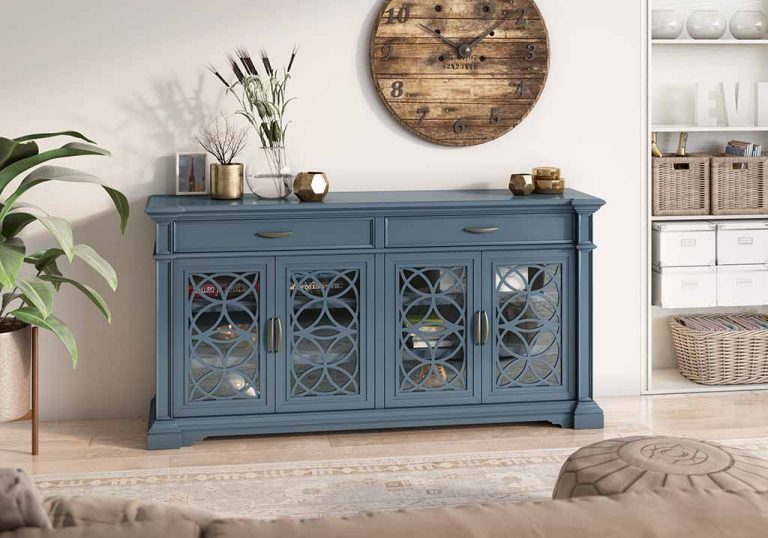
The Sideboard as a Pillar of Furniture Brand Identity
For any furniture brand, establishing a clear and consistent identity is paramount. The sideboard, due to its prominent placement and versatile nature, often becomes an exemplary showcase for a brand’s core design principles and values. It’s a piece that can encapsulate an entire aesthetic philosophy.
Defining a Brand’s Aesthetic Through Form and Function
The specific interpretation of a sideboard immediately signals a brand’s aesthetic direction. A brand committed to minimalist design might offer sideboards characterized by clean lines, handle-less doors, and a monochromatic palette, often in materials like sleek metal or matte laminate. Conversely, a brand rooted in rustic or farmhouse chic might present sideboards crafted from reclaimed wood, featuring distressed finishes, visible joinery, and perhaps antique-inspired hardware. A luxury brand, on the other hand, might use exotic veneers, high-gloss lacquers, intricate inlays, and bespoke metal accents to convey exclusivity and opulence.
Material selection is a critical component here. A brand advocating for sustainability will likely utilize ethically sourced timber, bamboo, or recycled composites, integrating these choices into its marketing narrative to resonate with environmentally conscious consumers. Brands targeting a high-tech, modern clientele might incorporate innovative materials like tempered glass, carbon fiber, or smart-home compatible features such as integrated charging stations or smart lighting. The craftsmanship involved—whether it’s precision CNC milling, artisanal hand-carving, or meticulous veneer matching—becomes a signature of the brand’s quality and attention to detail. Thus, a sideboard doesn’t just fulfill a storage need; it communicates a brand’s entire ethos through its very construction.
Consistency in Design Language Across Collections
A strong brand identity is built on consistency. A furniture brand must ensure that its sideboards, while individual pieces, speak the same design language as its dining tables, chairs, display cabinets, and other offerings. This cohesive design language is vital for brand recognition and customer loyalty. When a consumer encounters a sideboard from a particular brand, they should instantly recognize it as belonging to that family of products, even if it’s a new design.
This consistency is achieved through recurring motifs, material palettes, finish options, and a unified approach to scale and proportion. For example, if a brand’s signature is tapered legs and rounded edges, these elements will likely appear across its sideboard range, perhaps adapted for different styles (e.g., an industrial sideboard might have metal tapered legs, while a Scandinavian one has wooden). This thoughtful integration ensures that customers can furnish an entire room or home with pieces that complement each other, all while reinforcing the brand’s distinct visual identity. The sideboard, therefore, isn’t just an isolated product; it’s a crucial thread in the larger tapestry of a brand’s comprehensive furniture collection.
Design Evolution and Brand Storytelling through Sideboards
The sideboard, like many other furniture pieces, has a rich history of evolution. Brands adeptly leverage this historical trajectory, often reinterpreting classic forms or pioneering new ones, to weave compelling narratives that resonate with their target audience.
Historical Trajectories and Modern Adaptations
The lineage of the sideboard stretches back centuries, with precursors like the medieval buffet, the 17th-century court cupboard, and the 18th-century credenza. Each iteration served evolving social needs and reflected the prevailing aesthetics of its era. Modern furniture brands often draw inspiration from these historical forms, not merely by replication, but by adapting them to contemporary lifestyles and design sensibilities.
A brand might launch a “heritage collection” featuring sideboards that subtly echo Art Deco glamour or mid-century modern simplicity, updated with contemporary materials and construction techniques. This not only offers a nod to classic design but also allows the brand to tell a story of timelessness and enduring quality. Conversely, a brand focused on avant-garde design might completely deconstruct the traditional sideboard, creating modular, multi-functional units that challenge conventional notions of storage, thereby positioning itself as an innovator and trendsetter. This dynamic interplay between past and present allows brands to cater to a diverse range of tastes, from those seeking nostalgic comfort to those embracing cutting-edge modernity, all while reinforcing their distinct brand voice.
Innovation, Sustainability, and Brand Narrative
In today’s market, innovation and sustainability are powerful differentiators. Sideboards provide an excellent platform for brands to showcase their commitment to both. Brands can integrate smart technology, such as wireless charging surfaces, hidden LED lighting with motion sensors, or even integrated sound systems, transforming the sideboard into a hub of modern living. Such innovations not only add practical value but also position the brand as forward-thinking and responsive to technological advancements.
Sustainability has moved beyond a niche concern to a mainstream expectation. Brands that incorporate recycled, reclaimed, or fast-growing sustainable materials into their sideboard designs, alongside eco-friendly finishes and responsible manufacturing processes, can build a strong narrative around environmental stewardship. Communicating these efforts—through certifications, transparent supply chains, and engaging content—can significantly enhance brand reputation and appeal to a socially conscious consumer base. Furthermore, brands may introduce limited edition sideboards, perhaps in collaboration with renowned designers or artists, to generate excitement, demonstrate exclusivity, and reinforce their commitment to design excellence. These initiatives are not just about selling a product; they are about building a brand’s narrative, showcasing its values, and fostering an emotional connection with consumers.

Marketing the Sideboard: Crafting Desire and Distinction
Effectively marketing a sideboard goes far beyond simply listing its dimensions and storage capacity. It involves crafting a narrative that elevates the piece from a functional item to an aspirational lifestyle statement, imbued with distinction and desirability.
Positioning the Sideboard in the Lifestyle Landscape
Modern marketing understands that consumers buy into lifestyles, not just products. Therefore, sideboards are marketed not merely as places to store dishes, but as sophisticated statement pieces, the anchor of a stylish dining room, an elegant media console in a living area, or even a chic bar cabinet. Brands skillfully position their sideboards to evoke specific emotions and aspirations—whether it’s the warmth of family gatherings around a rustic sideboard, the understated elegance of entertaining with a minimalist piece, or the playful individuality expressed by a vibrant, contemporary design.
This involves understanding target audience segmentation. A brand aiming for young urban professionals might market a compact, multi-functional sideboard designed for smaller living spaces, emphasizing its versatility and contemporary aesthetic. A luxury brand, conversely, might focus on the heirloom quality, investment value, and bespoke options of its sideboards, targeting affluent buyers seeking exclusivity and enduring design. The influence of interior designers and lifestyle influencers is also crucial, as their endorsements and curated imagery play a significant role in shaping public perception and creating desire for particular sideboard styles and brands.
Digital Presence and Visual Merchandising
In the digital age, a brand’s online presence is its storefront. High-quality photography and meticulously styled visual merchandising are indispensable for showcasing sideboards. Online catalogs feature aspirational lifestyle shots, demonstrating how the sideboard integrates into various room settings, often paired with complementary brand products. Interactive tools like virtual showrooms or augmented reality (AR) apps allow customers to visualize a sideboard in their own homes, enhancing the shopping experience and building confidence in their purchase.
Beyond digital, physical retail spaces remain important. In-store displays are carefully curated to tell a story, creating immersive environments that highlight the sideboard’s aesthetic appeal, material quality, and functional benefits. This visual storytelling, whether online or offline, is crucial for reinforcing the brand’s image, communicating its design philosophy, and ultimately, converting interest into sales.
Storytelling in Advertising and Content Marketing
Effective marketing for sideboards hinges on powerful storytelling. Advertisements and content marketing initiatives build narratives around the sideboard, depicting moments of connection, celebration, and tranquility that resonate with potential buyers. This could involve videos showing a family preparing for a festive meal, with the sideboard serving as a central hub for food and conversation, or serene images of a beautifully styled sideboard holding cherished mementos.
Content marketing also leverages user-generated content, showcasing real homes featuring a brand’s sideboards, which builds authenticity and trust. Brands emphasize the emotional connection a customer develops with their furniture—the memories made around it, the personal style it reflects, and the enduring quality that promises years of enjoyment. By articulating these deeper values, brands elevate the sideboard from a mere piece of furniture to a cherished element of home life and a tangible expression of a chosen lifestyle.
Beyond Function: The Sideboard as a Lifestyle Statement and Brand Icon
Ultimately, the most successful sideboards, and the brands behind them, transcend mere utility to become powerful lifestyle statements and, occasionally, even design icons. They are not just objects; they are expressions of personal taste, identity, and aspiration.
From Utility to Art Piece: The Emotional Connection
Certain sideboards, particularly those from esteemed design houses or individual artisans, elevate beyond their functional purpose to become almost sculptural art pieces. They are chosen not just for storage but for their aesthetic impact, their ability to anchor a room, or to serve as a focal point for curated decor. Consumers invest in these high-quality, branded sideboards not only for their immediate utility but also for their long-term value, durability, and the prestige associated with the brand. These pieces often become cherished items, passed down through generations, acquiring sentimental value that further solidifies the brand’s legacy. Choosing a particular brand’s sideboard becomes an act of personal expression, an alignment with a certain aesthetic philosophy, and a declaration of one’s identity.

Future Trends in Sideboard Design and Branding
The future of the sideboard, within the context of branding, will continue to evolve in response to shifting global trends and consumer demands. We can anticipate further innovation in materials, with an increased focus on sustainable, recycled, and novel composites. Technology integration will become more seamless, with smart features becoming standard rather than novelties.
Brands will adapt their sideboard offerings to address evolving lifestyle needs, such as multi-functional designs for increasingly smaller urban living spaces, or modular systems that allow for customization and flexibility. The imperative for personal branding will also influence furniture choices, as consumers seek pieces that reflect their unique tastes and values. Throughout these shifts, the sideboard will undoubtedly maintain its importance as a critical vehicle for brand expression, a testament to a brand’s design acumen, its commitment to quality, and its ability to connect with consumers on an emotional level. It will remain a powerful symbol of home, style, and identity, continually reimagined and redefined by the brands that bring them to life.
In conclusion, while the foundational definition of “what is a sideboard in furniture” points to its functional attributes, its true significance in the modern world extends far beyond storage. For furniture brands, the sideboard is a potent instrument for establishing identity, conveying design philosophy, narrating compelling stories, and cultivating an emotional bond with consumers. It is a microcosm of a brand’s entire strategy, a testament to its values, and a crucial element in shaping the aspirational landscapes of contemporary living. Choosing a sideboard is thus not just a practical decision; it is an act of aligning with a brand’s vision, making it far more than just a piece of furniture—it’s a piece of a brand’s soul.
aViewFromTheCave is a participant in the Amazon Services LLC Associates Program, an affiliate advertising program designed to provide a means for sites to earn advertising fees by advertising and linking to Amazon.com. Amazon, the Amazon logo, AmazonSupply, and the AmazonSupply logo are trademarks of Amazon.com, Inc. or its affiliates. As an Amazon Associate we earn affiliate commissions from qualifying purchases.