
In the high-stakes arena of professional sports, few achievements command as much respect as the defensive shutout. While fans of the beautiful game often gravitate toward the artistry of a perfectly placed goal or the flair of an attacking midfielder, the strategic and physical demands of preventing the opposition from scoring are the bedrock of any championship-winning side. A shutout is the ultimate defensive statement—a declaration of tactical discipline, physical endurance, and mental fortitude. But what exactly defines a shutout, and why does it represent the gold standard of defensive excellence?
Defining the Shutout: The Mechanics of Defensive Perfection
At its core, a shutout is defined as a game in which one team prevents their opponent from scoring a single goal throughout the duration of regulation time. In many jurisdictions, this is colloquially referred to as a “clean sheet.” While the term originates from the historical practice of physically wiping a chalkboard or recording a zero in a ledger, the modern implication remains the same: the scoreboard shows a zero for the visiting or opposing team, regardless of how many goals the home or defending team managed to net.

The Statistical Significance
Statistically, a shutout is more than just a zero on the scoreboard; it is a primary metric used to evaluate the efficiency of a defensive unit. Coaches analyze clean sheets as a barometer for team shape and structural integrity. A team that records a high frequency of shutouts is statistically much more likely to secure a high league standing, as draws become victories and single-goal games become definitive wins.
Regulation vs. Extra Time
It is important to note the nuance of timing. In most professional leagues, a shutout is officially recognized if the opponent fails to score during the regulation ninety minutes plus any injury time. However, if a game proceeds to extra time in a cup competition and a goal is conceded then, the shutout is technically broken. The integrity of the “clean sheet” relies on the absolute prevention of goals from the opening whistle until the final referee signal.
The Strategic Architecture of a Shutout
Achieving a shutout is rarely the result of luck. It is the product of a sophisticated defensive architecture that begins long before the players step onto the pitch. Modern tactical managers view the shutout as a system-wide responsibility, moving far beyond the roles of the goalkeeper and the back four.
The Collective Defensive Block
Contemporary football philosophy emphasizes the “defensive block,” a coordinated movement where all ten outfield players operate as a cohesive unit. When the team is in possession, the players are spread; when possession is lost, they contract into a pre-determined shape—often a 4-4-2 or 5-3-2 formation—to minimize space between the lines. By compressing the pitch, a team denies the opponent the pockets of space required to thread passes or launch long-range attempts. A shutout is fundamentally the result of a team’s ability to force the opponent into low-percentage areas where they are unlikely to score.

The Role of the Defensive Midfielder
The defensive midfielder, often referred to as the “pivot” or “holding midfielder,” acts as the shield of the defense. Their primary objective is to break up play before it reaches the back line. By intercepting passes, blocking lanes, and disrupting the rhythm of the opposing playmaker, this player ensures that the defense is never caught out of position. A successful shutout is often credited to a goalkeeper, but the tactical reality is that the goalkeeper is the final fail-safe for a defensive midfielder who has done the heavy lifting throughout the ninety minutes.
The Psychological Dimension: Maintaining Focus for Ninety Minutes
One of the most understated aspects of achieving a shutout is the sheer mental strain placed on the defensive players. Football is a game of sporadic intensity. A defensive line may be largely inactive for twenty minutes, only to be forced into a high-pressure recovery run within seconds.
The Goalkeeper’s Mental Endurance
The goalkeeper is perhaps the most scrutinized individual in the pursuit of a clean sheet. Unlike other players, the goalkeeper is stationary for long periods, often suffering from a lack of physical engagement that can lead to lapses in concentration. The best goalkeepers in the world, however, maintain an intense psychological focus. They remain vocal, organizing their defenders and tracking the movement of the opposition even when the ball is at the opposite end of the field. A shutout is often won in the mind of a goalkeeper who remains vigilant during moments of relative silence.
Dealing with Pressure and Fatigue
As a game approaches the final ten minutes, fatigue begins to dictate the quality of decision-making. Defensive players are often tasked with defending narrow leads, which can lead to psychological “tucking in”—a tendency to drop too deep into the penalty box. This can be counterproductive, inviting pressure that eventually leads to a breakdown. Maintaining the discipline to hold a higher line, despite the physical exhaustion, is the hallmark of a world-class defensive team. It is the ability to resist the urge to panic that ultimately protects the clean sheet.
The Evolution of Defensive Metrics and Analytics
In the modern era of professional football, the way we quantify a shutout has changed significantly due to advanced data analytics. While the outcome remains a binary zero, teams now use “Expected Goals Against” (xGA) to determine if a shutout was the result of a masterful defensive performance or simply a stroke of good fortune.
Beyond the Scoreboard: Expected Goals Against (xGA)
Analytics departments track the quality of shots conceded by their team. If a goalkeeper records a shutout but faced shots that had a high probability of scoring based on distance, angle, and defensive pressure, the coaching staff might conclude that the defense was actually poor and lucky. Conversely, a team might concede a goal but still have played a superior defensive game based on xGA metrics. However, for the historical record, only the final tally matters. A shutout is the objective truth of the scoreline, irrespective of the analytical variables that occurred during the match.
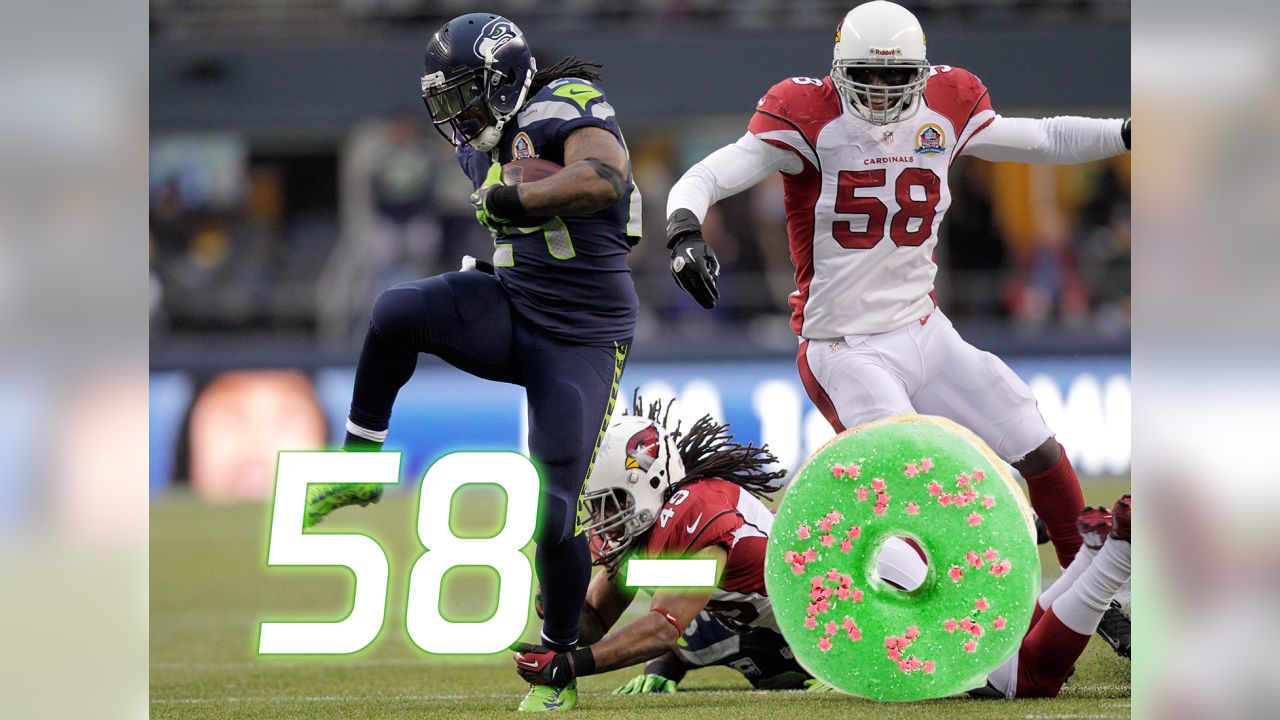
The Cultural Value of the Clean Sheet
Beyond the numbers, the shutout holds a cultural and psychological weight within the squad. Teams that pride themselves on “defensive grit” often build their identity around the clean sheet. It fosters a sense of unity among the defenders and goalkeepers, who often celebrate a shutout with the same enthusiasm as the strikers celebrate a goal. This internal culture is essential for longevity in a league season; while offensive form can be fickle and subject to injury or lack of fitness, a solid defensive foundation—measured by the consistency of shutouts—provides a reliable floor upon which a team can build its championship aspirations.
Ultimately, the shutout is the purest expression of defensive strategy in football. It is the manifestation of team unity, tactical discipline, and individual focus. While the glamour of the sport will always lean toward the goal-scorers, the history of the game shows that championships are built on the back of those who master the art of the zero. Every shutout is a story of resistance, a testament to the fact that in a game defined by scoring, the most difficult and rewarding task is often simply refusing to let the opposition play.
aViewFromTheCave is a participant in the Amazon Services LLC Associates Program, an affiliate advertising program designed to provide a means for sites to earn advertising fees by advertising and linking to Amazon.com. Amazon, the Amazon logo, AmazonSupply, and the AmazonSupply logo are trademarks of Amazon.com, Inc. or its affiliates. As an Amazon Associate we earn affiliate commissions from qualifying purchases.