
In the rapidly evolving landscape of medical technology (MedTech), few devices illustrate the intersection of fluid dynamics, material science, and bio-engineering as profoundly as the brain shunt. While the medical community views the shunt as a life-saving intervention for hydrocephalus, the technology sector views it as a sophisticated hydraulic management system designed to function within the most complex computer in existence: the human brain.
A brain shunt is not merely a “tube”; it is a precision-engineered implantable device designed to divert excess cerebrospinal fluid (CSF) from the brain’s ventricles to another part of the body where it can be absorbed. This article explores the technical architecture, material innovations, and the digital future of shunt technology, positioning it as a cornerstone of modern neuro-technological progress.

The Architecture of Intracranial Hardware: Systems and Components
To understand a shunt through a technological lens, one must view it as a multi-component drainage network. Much like the cooling systems found in high-performance data centers, the brain requires a specific “operating pressure” to function. When the natural drainage pathways of CSF are blocked or compromised, the resulting pressure can damage the neural “circuitry.” The shunt acts as a hardware bypass.
The Inflow Catheter: Precision Engineering for Neural Environments
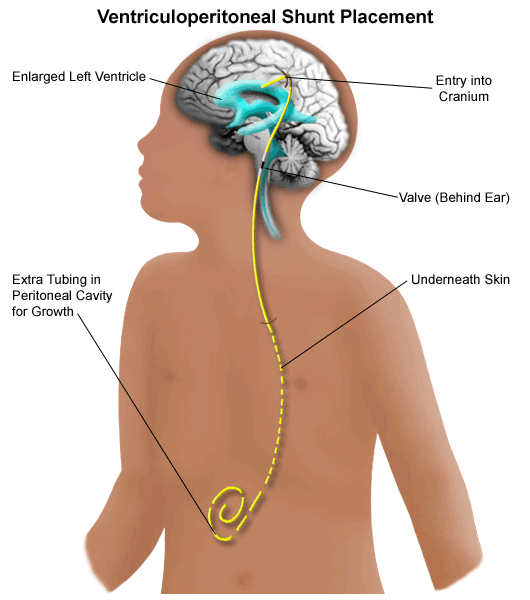
The first component of the system is the proximal (inflow) catheter. This is a thin, flexible tube inserted directly into the brain’s ventricles. From a design perspective, the catheter must be manufactured with extreme precision. It features multiple small perforations that allow fluid entry while minimizing the risk of clogging from brain tissue or choroid plexus. Engineers utilize high-grade medical silicones to ensure the catheter remains flexible enough to navigate the brain’s anatomy without causing trauma to the surrounding gray matter.
The Valve System: Flow Control and Pressure Management Algorithms
The valve is the “CPU” of the shunt system. It is responsible for regulating the rate of fluid flow. In the early days of MedTech, these were simple differential pressure valves—essentially analog switches that opened when pressure exceeded a certain threshold. Modern valves, however, utilize complex internal mechanisms. Some are “fixed-pressure,” while others are “programmable,” allowing neurosurgeons to adjust the flow rate using external magnetic tools without the need for additional surgery. This represents a significant leap in “non-invasive hardware calibration.”
The Distal Catheter: Routing Fluid through the Human Network
The final piece of the hardware stack is the distal (outflow) catheter. This component routes the diverted fluid from the valve, usually under the skin of the neck and chest, into a “drainage site”—most commonly the peritoneal cavity (the abdomen). The technical challenge here is durability. The distal catheter must withstand the mechanical stresses of the human body’s movement—stretching, bending, and twisting—for years or even decades without fracturing.
Material Science and Biocompatibility: The Tech Specs of Implants
The success of a brain shunt is largely dependent on its material composition. In the world of tech gadgets, we worry about heat dissipation and screen durability; in neuro-tech, the primary concern is biocompatibility—ensuring the “host” does not reject the “hardware.”
Silicone and Polymer Innovations
Silicone remains the industry standard for shunt manufacturing due to its inert properties. However, engineers are constantly iterating on polymer blends to enhance the longevity of these devices. The goal is to create a surface that is “slick” enough to prevent protein adhesion (which leads to clogging) while being rugged enough to resist calcification. High-performance polymers used in aerospace are now being adapted for these medical applications to ensure the device remains functional for the lifespan of the user.
Antimicrobial Coatings: Cybersecurity for the Body
One of the greatest “system failures” for a brain shunt is infection. In tech terms, an infection is a biological “virus” that compromises the hardware. To combat this, manufacturers have developed antibiotic-impregnated catheters. These devices release controlled doses of antimicrobial agents over the first few months post-implantation, providing a localized “firewall” against bacterial colonization. This proactive approach to hardware security is essential for minimizing the high costs and risks associated with shunt revision surgeries.
Minimizing the Host-vs-Hardware Conflict
The human body is an inherently hostile environment for synthetic tech. The immune system is programmed to attack foreign objects. Engineers are now exploring biomimetic coatings—substances that mimic the body’s own cellular signals—to “cloak” the shunt from the immune system. By making the silicone tube look like “self” to the body’s white blood cells, the tech can achieve a higher level of integration and a lower failure rate.
The Digital Evolution: From Analog to Smart Shunts
The current frontier in shunt technology is the transition from passive mechanical devices to active, “smart” systems. This evolution mirrors the transition from traditional watches to smartwatches, where data and connectivity become the primary value drivers.
Pressure Sensors and IoT Integration
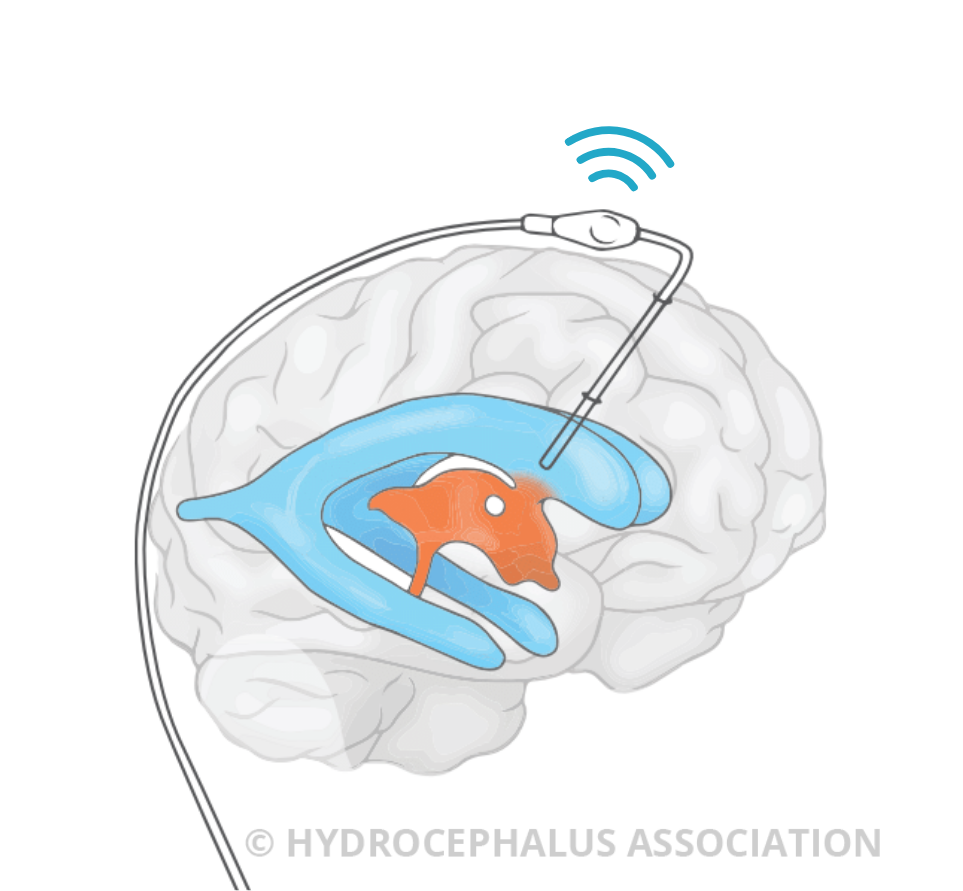
The most significant limitation of traditional shunts is the “black box” nature of their operation. Currently, if a shunt fails, it is usually diagnosed only after the patient exhibits severe symptoms. The next generation of shunts incorporates micro-electromechanical systems (MEMS) pressure sensors. These sensors can provide real-time telemetry of intracranial pressure (ICP), transmitting data wirelessly to a handheld device or a smartphone app. This “Internet of Bodies” (IoB) approach allows for proactive maintenance rather than reactive crisis management.
Non-Invasive Adjustability: Magnetic Programming Tools
Programmable valves already exist, but they are becoming increasingly sophisticated. Using external magnetic programmers, clinicians can cycle through dozens of pressure settings. This is essentially a “firmware update” for the brain’s drainage system. As sensor technology improves, we are moving toward “closed-loop” systems where the shunt can sense a spike in pressure and automatically adjust its own valve settings without human intervention—an autonomous fluid management system for the brain.
The Future of AI-Driven Hydrocephalus Management
As we collect more data from smart shunts, Artificial Intelligence (AI) and Machine Learning (ML) will play a pivotal role. By analyzing thousands of hours of ICP data, AI algorithms can learn to predict shunt failures before they happen. They can identify subtle patterns in pressure fluctuations that precede a blockage, alerting the patient and the technician to “debug” the system before a clinical emergency occurs.
Maintenance and Debugging: Addressing Mechanical Failure
In any tech ecosystem, maintenance is a reality. Brain shunts are mechanical systems operating in a biological environment, making them prone to specific types of “hardware failure.”
Identifying Obstructions and Kinks in the System
The most common cause of shunt failure is obstruction (clogging). This can happen at the inflow catheter (due to tissue growth) or the distal catheter (due to debris). From a troubleshooting perspective, this is a classic “bandwidth” issue—the volume of fluid exceeds the capacity of the pipe. Tech professionals can appreciate the diagnostic tools used here: “shuntograms” (nuclear medicine tests that track fluid flow) and high-resolution imaging that serves as a physical “system audit.”
Over-drainage vs. Under-drainage: The Calibration Challenge
Calibrating a shunt is a delicate balance. “Under-drainage” leaves the patient with high pressure, while “over-drainage” can cause the brain’s ventricles to collapse, leading to “Siphoning Effect” or subdural hematomas. This is a classic optimization problem. Engineers have developed anti-siphon devices—auxiliary hardware components that use gravity-sensing mechanisms to restrict flow when the patient stands up, ensuring the “operating system” remains stable regardless of the hardware’s orientation.
Remote Monitoring and Predictive Diagnostics
The future of shunt maintenance lies in remote monitoring. Instead of periodic “physical check-ups,” the hardware will be monitored via a centralized dashboard. This shift from manual to digital oversight reduces the burden on healthcare infrastructure and provides patients with a higher “uptime” for their health. Just as cloud-based servers are monitored for performance dips, the brain’s drainage system will eventually be part of a managed service provider (MSP) model of healthcare.
Conclusion: The Convergence of Tech and Biology
The brain shunt is one of the most successful examples of neuro-technology in history. What began as a simple rubber tube has evolved into a sophisticated piece of bio-hardware that saves hundreds of thousands of lives annually. As we continue to integrate sensors, AI, and advanced material science into these devices, the line between “medical implant” and “wearable tech” continues to blur.
For the tech industry, the brain shunt represents a masterclass in engineering for extreme environments. It challenges us to create hardware that is durable, autonomous, and seamlessly integrated with the most complex biological system we know. The future of brain shunts is not just about moving fluid; it is about the digital integration of the human body, turning biological data into actionable insights and ensuring that the “human processor” remains online and optimized for life.
aViewFromTheCave is a participant in the Amazon Services LLC Associates Program, an affiliate advertising program designed to provide a means for sites to earn advertising fees by advertising and linking to Amazon.com. Amazon, the Amazon logo, AmazonSupply, and the AmazonSupply logo are trademarks of Amazon.com, Inc. or its affiliates. As an Amazon Associate we earn affiliate commissions from qualifying purchases.