
Defining a Fundamental Design Detail
Shoe molding, often an overlooked yet critical element in interior design, serves as a subtle bridge between flooring and baseboards, contributing significantly to a space’s finished aesthetic and overall perceived quality. Far from being a mere afterthought, its strategic inclusion enhances visual flow, conceals imperfections, and adds a layer of refinement that can elevate the entire design scheme, subtly influencing the brand perception of a property or interior space. Understanding what shoe molding is involves dissecting its physical attributes, its placement, and its distinct role separate from other trim components.

The Anatomy of Interior Trim
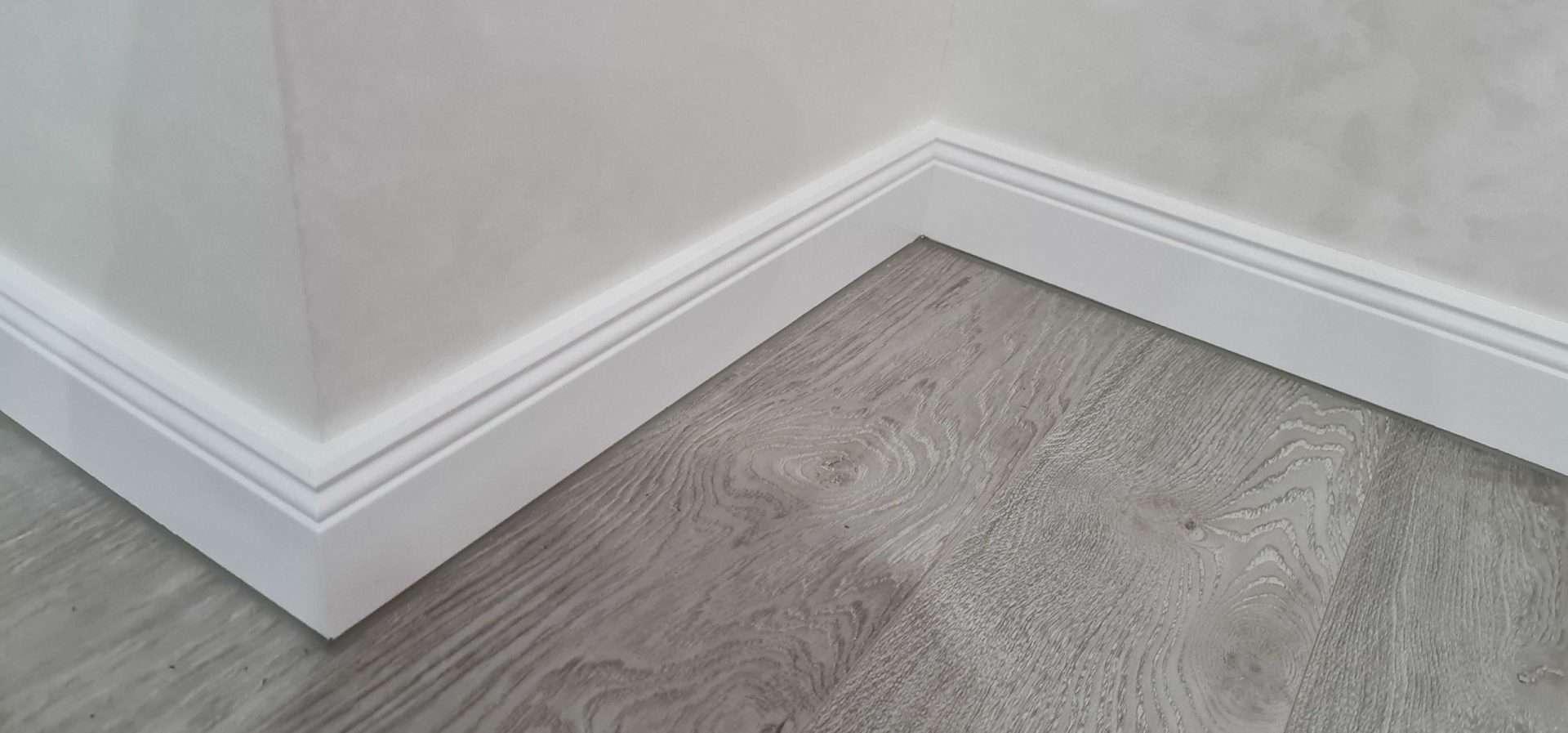
Interior trim encompasses various decorative and functional elements applied around doors, windows, floors, and ceilings. Baseboards are perhaps the most prominent among these, running along the bottom of walls to meet the floor. They protect the wall from impacts, hide the joint where the wall meets the floor, and provide a decorative element. Shoe molding, by contrast, is a smaller, more delicate piece of trim specifically designed to be installed at the very bottom of the baseboard, resting directly on the finished floor. Its characteristic quarter-round or slightly more elaborate profile creates a smooth transition, adding a final touch of polish.
Historically, the need for shoe molding arose from practical challenges in construction. Floors are rarely perfectly level, and walls are seldom perfectly straight. Even meticulously installed baseboards often reveal slight gaps between their bottom edge and the floor due to these inconsistencies. Shoe molding’s flexible nature and smaller profile allow it to conform more readily to minor undulations, effectively bridging these gaps and creating a seamless, professional appearance. This attention to minute details is often what differentiates a standard finish from a truly bespoke or high-quality presentation, speaking volumes about the care and craftsmanship invested in a space.
Distinguishing Shoe Molding from Baseboard
While often confused or grouped together, shoe molding and baseboards are distinct architectural elements with different functions, though they work in concert.
Baseboard:
- Purpose: Primarily to protect the wall from kicks, scuffs, and furniture, and to provide a decorative border. It also covers the expansion gap left by flooring materials like hardwood or laminate where they meet the wall.
- Size: Generally taller and thicker, ranging from 3 to 8 inches or more in height.
- Placement: Fixed directly to the wall, running along its entire perimeter at floor level.
- Profile: Can have various profiles, from simple flat to elaborate colonial or modern designs.
Shoe Molding:
- Purpose: To cover the slight gaps that might exist between the baseboard and the floor due to uneven surfaces or minor installation discrepancies. It adds a finished, refined look.
- Size: Smaller and more delicate, typically ranging from ¾ inch to 1 ½ inches in height and depth. Its quarter-round profile is most common.
- Placement: Installed on the floor, directly in front of and beneath the baseboard. It is fastened to the baseboard, not the floor, to allow the floor to expand and contract freely underneath it.
- Profile: Most commonly a quarter-round (a quarter of a circle) or a slightly more elongated, often convex, profile known as base shoe.
Understanding this distinction is crucial for design professionals and homeowners alike. Selecting the correct trim types and understanding their purpose contributes to a coherent and professional aesthetic, subtly reinforcing the underlying quality and thoughtful design of a brand’s space, be it a residential property, a retail environment, or an office.
The Aesthetic Impact on Brand and Space
In the realm of interior design, every detail contributes to the overall narrative and perceived value of a space. Shoe molding, though small, plays a significant role in defining the aesthetic quality and finish, which in turn reflects upon the brand identity of a property, a developer, or a design firm. It’s these seemingly minor touches that often elevate a good design to a great one, conveying professionalism, meticulousness, and a commitment to quality.
Enhancing Visual Cohesion and Polish
The primary aesthetic function of shoe molding is to create a seamless and polished transition between the baseboard and the floor. Without it, even minor gaps can disrupt the visual flow, making a space appear incomplete or poorly executed. These small imperfections, if visible, can subconsciously detract from the perceived quality of the entire room. Shoe molding acts as a visual sealant, smoothing out these transitions and providing a crisp, clean line that frames the floor beautifully. This visual cohesion is paramount in professional design contexts, as it contributes to a sense of order, harmony, and thoroughness – qualities highly valued in any brand presentation. For real estate developers, for instance, a flawlessly finished interior can significantly enhance a property’s appeal and market value, reinforcing their brand promise of luxury and attention to detail.
Communicating Quality and Attention to Detail
The decision to include shoe molding, and the quality of its installation, is a clear indicator of attention to detail. In a world where mass-produced finishes can often cut corners, the presence of well-executed shoe molding signals a commitment to a higher standard of craftsmanship. This level of detail speaks volumes about the ethos of the brand behind the design – whether it’s an interior designer’s portfolio, a home builder’s model unit, or a high-end retail store. Consumers and clients often evaluate quality not just on the grand gestures but also on the precision of the small elements. A design firm that ensures every joint is tight and every gap is covered is inherently communicating a brand message of excellence, reliability, and an unwavering focus on creating truly finished environments.
Adaptability in Brand Aesthetics
Shoe molding is not limited to a single style; it can be adapted to complement a wide range of aesthetic preferences and brand identities. While the classic quarter-round profile is versatile, more angular or minimalist profiles can suit modern or contemporary designs. For a brand aiming for a traditional, opulent feel, a base shoe with a more intricate curve can reinforce that aesthetic.
- Traditional Brands: Often utilize classic quarter-round or slightly more ornate base shoe profiles, typically painted to match the baseboard for a cohesive, timeless look that emphasizes warmth and established elegance.
- Modern/Minimalist Brands: May opt for simpler, sharper profiles or even slightly thicker, square-edged shoe molding that aligns with clean lines and understated sophistication. In some ultra-modern designs, where floors and walls are perfectly flush, shoe molding might be omitted, but this is a specific design choice, not an oversight.
- Rustic/Farmhouse Brands: Might use slightly larger, less refined shoe molding, possibly in natural wood tones, to contribute to an authentic, handcrafted feel.
The careful selection and application of shoe molding, therefore, allow a designer or brand to maintain consistency in their aesthetic language, ensuring that even the smallest elements contribute to the overarching brand story and desired perception.
Functional Contributions to Design Integrity
Beyond its significant aesthetic contributions, shoe molding serves several practical functions that are integral to the longevity and maintenance of a space. These functional benefits underscore its value as a fundamental component of thoughtful interior design, ensuring durability and ease of care that ultimately reflect positively on the integrity of the design and the brand associated with it.
Protecting Walls and Floors
One of the primary practical roles of shoe molding, in conjunction with baseboards, is to provide an additional layer of protection. While baseboards primarily shield the lower portion of the wall from direct impacts, shoe molding contributes by protecting the very edge of the flooring material. It acts as a buffer against bumps from vacuums, mops, and everyday foot traffic that could otherwise chip, scratch, or dent the delicate edge of hardwood, laminate, or tile. This protective layer is particularly valuable in high-traffic areas, extending the life and maintaining the appearance of the flooring, which in turn preserves the overall quality and aesthetic appeal of the space for a longer period. For commercial brands, such as hospitality or retail, this translates to lower maintenance costs and a consistently pristine environment, reinforcing a brand image of quality and meticulous upkeep.
Concealing Imperfections
As mentioned, floors are rarely perfectly level, and walls are seldom perfectly plumb. The inherent inconsistencies in construction can lead to noticeable gaps between the bottom of a rigid baseboard and the undulating floor surface. Shoe molding, with its smaller profile and greater flexibility compared to a baseboard, is adept at conforming to these minor variations. It effectively bridges and conceals these gaps, creating a visually unbroken line that signifies precision and a high standard of finish. This ability to mask minor architectural imperfections is a testament to its design utility, ensuring that the final presentation of a room appears flawless, even if the underlying structure is not. This attention to detail in concealment reinforces a brand’s commitment to delivering a polished and refined product.
Facilitating Maintenance
In spaces with hard surface flooring, such as wood, tile, or vinyl, dust and debris have a tendency to accumulate along the edges where the floor meets the wall. Without shoe molding, these tight gaps can become collection points for dirt that are difficult to clean thoroughly. Shoe molding effectively covers these crevices, creating a smoother, more continuous surface that is easier to wipe clean. This streamlines the cleaning process, preventing the accumulation of grime in hard-to-reach areas and contributing to a more hygienic and well-maintained environment. For any brand that values cleanliness and easy maintenance – from residential properties to commercial establishments like hospitals or restaurants – the functional contribution of shoe molding plays a subtle but important role in operational efficiency and perceived quality.
Types, Materials, and Installation Considerations
The selection of shoe molding involves choices in material, style, and a thoughtful installation process, each impacting the overall design integrity and the lasting impression of a space. These considerations are vital for designers and builders aiming to align every detail with the desired brand aesthetic and functional requirements.
Common Materials and Their Design Implications
Shoe molding is available in a variety of materials, each offering distinct advantages in terms of durability, cost, and aesthetic contribution:
- Solid Wood: Often made from oak, pine, or poplar, solid wood shoe molding is highly valued for its natural beauty, durability, and ability to be stained or painted. It’s an excellent choice for high-end properties or designs aiming for a traditional or classic aesthetic. When matched to existing wood trim or flooring, it creates a cohesive, luxurious feel, reflecting a brand commitment to natural materials and timeless design.
- MDF (Medium-Density Fiberboard): A cost-effective and environmentally friendly alternative, MDF shoe molding is made from recycled wood fibers. It’s very stable, resists warping, and takes paint exceptionally well, offering a smooth, consistent finish. MDF is ideal for painted applications and is a popular choice for designs that prioritize clean lines and a contemporary look without compromising on budget. Its uniformity ensures a consistent finish, aligning with brands that emphasize sleekness and efficiency.
- PVC/Vinyl: Plastic shoe molding is waterproof and highly resistant to rot, mildew, and pests, making it suitable for areas prone to moisture, such as bathrooms, kitchens, or basements. It comes in various pre-finished colors, including white, and can mimic wood grains. While offering superior moisture resistance, its aesthetic can sometimes be perceived as less premium than wood or MDF, making material choice critical for brand alignment in terms of perceived luxury or practicality.
- Polyurethane: Similar to PVC in its moisture resistance, polyurethane shoe molding offers greater detailing possibilities, often used to create intricate, ornate profiles that replicate the look of carved wood. It’s lightweight and easy to install, making it a good choice for projects requiring elaborate trim work in moisture-prone environments, catering to brands that wish to convey grandeur and intricate detailing.
Style Variations and Brand Alignment
Beyond material, the profile of shoe molding can subtly influence the overall design style:
- Quarter-Round: The most common and versatile profile, a quarter-round shoe molding features a simple, curved surface that blends seamlessly with most interior styles, from traditional to transitional. Its understated elegance makes it a safe and popular choice for brands that aim for broad appeal and classic sophistication.
- Base Shoe (Cove Shoe): Similar to quarter-round but often with a slightly more elongated or convex curve, providing a softer transition. It offers a slightly more decorative touch than a pure quarter-round and can be seen in more formal or traditional settings, appealing to brands that emphasize refined elegance.
- Modern/Square-Edge: For contemporary or minimalist designs, shoe molding might feature a simpler, more angular profile, sometimes even a small, flat strip that maintains clean lines. This style aligns with brands that prioritize sleekness, functionality, and a less ornate aesthetic.
The choice of profile should consistently reinforce the overarching design language and brand identity, ensuring harmony across all visual elements within a space.

Professional Installation for a Polished Finish
Even the highest quality shoe molding can appear subpar if improperly installed. Professional installation is crucial for achieving the desired polished finish that speaks to meticulous design and craftsmanship. Key aspects of professional installation include:
- Precise Cuts: Accurate mitered and cope cuts are essential for seamless corners and joints, ensuring that no gaps are visible where pieces meet. This level of precision is critical for a high-end finish.
- Proper Fastening: Shoe molding should always be nailed into the baseboard, not the floor. This allows the floor to expand and contract naturally without creating gaps or buckling the molding, preserving both the functionality and aesthetics over time.
- Flawless Finishing: After installation, nail holes are filled, and the molding is caulked along the top edge where it meets the baseboard to create a continuous, smooth line. For painted trim, this preparation ensures a pristine paint job that enhances the overall refinement.
- Color Matching: If painted, the shoe molding should precisely match the baseboard and other trim colors. If stained, it should complement the flooring or existing wood elements seamlessly.
These installation details are not merely technicalities; they are fundamental to achieving the visual coherence and quality finish that ultimately reflects upon the brand identity of the space. A professionally installed shoe molding is a testament to a design that prioritizes both aesthetics and longevity, reinforcing a message of excellence and enduring quality.
aViewFromTheCave is a participant in the Amazon Services LLC Associates Program, an affiliate advertising program designed to provide a means for sites to earn advertising fees by advertising and linking to Amazon.com. Amazon, the Amazon logo, AmazonSupply, and the AmazonSupply logo are trademarks of Amazon.com, Inc. or its affiliates. As an Amazon Associate we earn affiliate commissions from qualifying purchases.