
In the dynamic and often complex world of real estate, certain terms carry immense weight and signify unique opportunities or challenges. Among these, the “sheriff’s deed” stands out as a critical concept, especially for those venturing into the realm of distressed properties, foreclosures, and tax sales. Far from being just another piece of legal paperwork, a sheriff’s deed is a potent financial instrument, representing the transfer of property ownership through a court-ordered process, typically following a public auction. For the savvy investor, it can unlock pathways to acquiring assets at potentially significant discounts, while for the uninitiated, it can present a labyrinth of hidden costs and legal pitfalls.
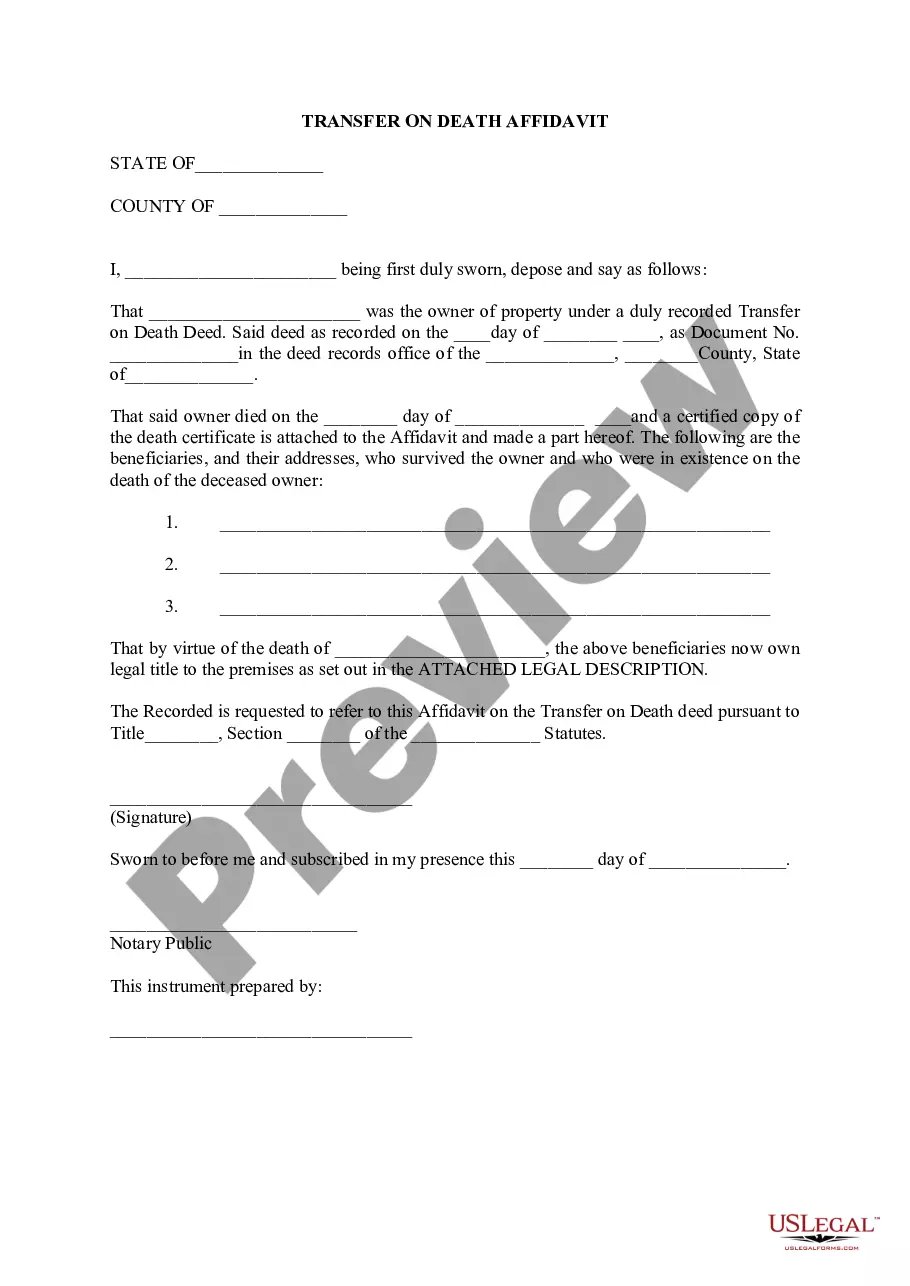
This article delves deep into what a sheriff’s deed truly entails, exploring its legal underpinnings, the financial opportunities it presents, and the considerable risks that prospective buyers must meticulously navigate. We’ll outline the purchasing process from a financial perspective, emphasizing the crucial due diligence required, and ultimately, assess when integrating sheriff’s deeds into your financial strategy makes strategic sense. Understanding this unique avenue of property acquisition is not merely about legal definitions; it’s about discerning a high-stakes financial play that, when executed with precision and foresight, can significantly enhance a real estate portfolio.
The Legal Framework: Understanding the Sheriff’s Deed
At its core, a sheriff’s deed is a document that legally transfers the ownership of a property from a previous owner to a new one, specifically through a public sale process overseen by a local sheriff’s office or other designated legal authority. This isn’t your typical real estate transaction where parties negotiate directly; instead, it’s the culmination of a legal enforcement action designed to satisfy an outstanding debt or judgment.
Defining the Sheriff’s Deed
A sheriff’s deed is a formal legal instrument issued by a sheriff or similar judicial officer after a property has been sold at a public auction. This sale typically occurs because the property owner failed to meet financial obligations—most commonly, defaulting on a mortgage, failing to pay property taxes, or not satisfying a court-ordered judgment. Unlike a traditional warranty deed, which offers extensive guarantees about the property’s title, or even a quitclaim deed, which transfers only whatever interest the grantor possesses, a sheriff’s deed often conveys the property “as-is,” with fewer guarantees. The buyer essentially steps into the shoes of the former owner at the time of the default, assuming certain risks related to the property’s condition and potential lingering encumbrances. This fundamental difference is crucial for anyone considering such a purchase, as it directly impacts the financial commitment and potential liabilities.
The Foreclosure Process Leading to a Sheriff’s Sale
The path to a sheriff’s deed typically begins with a severe financial default. When a homeowner consistently fails to make mortgage payments, or an owner neglects their property tax obligations, the lender or taxing authority initiates legal proceedings to recover the owed funds.
- Mortgage Default: For homeowners, this starts with missed payments, leading to a notice of default from the lender. If the situation isn’t remedied, the lender files a lawsuit in court to initiate a judicial foreclosure.
- Tax Delinquency: Property owners who fail to pay their annual property taxes face similar legal action from the local taxing authority. After a period of delinquency, the property can be put up for sale to recover the unpaid taxes.
- Judgment Execution: In other cases, a sheriff’s deed might result from a court judgment where a creditor is seeking to satisfy a debt by forcing the sale of the debtor’s real estate.
Once the court grants a judgment of foreclosure or an order for sale, the sheriff’s office is tasked with publicly auctioning the property. This auction is open to the public, and the highest bidder, upon fulfilling payment terms, receives the sheriff’s deed, officially becoming the new owner.
Types of Sales Resulting in Sheriff’s Deeds
While mortgage foreclosures are the most commonly understood scenario, sheriff’s deeds can arise from several types of public sales:
- Mortgage Foreclosure Sales: These are the most frequent, where properties are sold to recover outstanding mortgage debt. The proceeds from the sale first go to satisfy the lender, with any surplus distributed according to legal priority.
- Tax Delinquency Sales: Here, properties are sold to recoup unpaid property taxes. These sales are often characterized by very low starting bids, but buyers must be acutely aware of potential redemption periods and other nuances.
- Execution Sales: Less common but equally important, these sales occur when a general creditor has obtained a money judgment against a property owner and seeks to enforce it by selling the debtor’s real estate.
Each type of sale carries its own set of rules, potential pitfalls, and financial implications, making targeted research an indispensable first step for any prospective buyer.
The Financial Opportunities and Risks of Sheriff’s Deed Properties
The allure of sheriff’s deed properties often boils down to one word: discount. The potential to acquire real estate significantly below market value can be a powerful driver for investors. However, this potential for high financial reward is inextricably linked to equally significant risks that demand careful consideration and robust due diligence.
Potential for High Returns: The Investment Angle
For seasoned real estate investors, sheriff’s sales represent a prime opportunity to acquire distressed assets. Properties sold at these auctions often go for prices considerably lower than their market value, primarily because they are sold quickly, “as-is,” and typically require cash bids.
- Below Market Value Acquisition: The core attraction is the chance to purchase property for less than its intrinsic worth. This immediate equity can form the foundation for substantial profits.
- “Fix and Flip” Strategy: Investors can acquire a property at a low price, invest in renovations and repairs, and then sell it for a higher market price, realizing a quick profit.
- “Buy and Hold” Strategy: Alternatively, the low acquisition cost makes these properties attractive for rental income generation. A lower initial outlay can translate into higher rental yields and faster equity buildup over time.
- Portfolio Diversification: For a diversified investment portfolio, sheriff’s deed properties can offer a unique asset class that performs differently from traditional stocks or bonds, providing a hedge against market volatility.
The Caveats and Hidden Costs: Due Diligence is Paramount
The “bargain” price of a sheriff’s deed property is almost always accompanied by a complex web of potential financial liabilities and uncertainties. Ignoring these can quickly turn a promising investment into a financial quagmire.
- “As-Is” Nature and Property Condition: Unlike traditional sales, there are no prior inspections, disclosures, or warranties. Buyers cannot typically enter the property before purchase. This means you could be buying a property with significant structural damage, environmental hazards, or severe disrepair, all of which translate directly into substantial, often unforeseen, repair costs.
- Encumbrances and Liens: This is perhaps the greatest financial risk. While a sheriff’s sale typically extinguishes the lien that led to the foreclosure (e.g., the primary mortgage or tax lien), other liens might survive the sale. These can include junior mortgages, IRS liens, municipal liens (for unpaid water or sewer bills), homeowners’ association (HOA) fees, or mechanic’s liens. The new owner could become responsible for paying these outstanding debts, potentially adding tens of thousands of dollars to the actual cost of the property. A meticulous title search is non-negotiable.
- Occupancy Issues: The property may still be occupied by the previous owner or tenants. The buyer will then incur the time, effort, and legal costs associated with eviction proceedings, which can be lengthy and emotionally draining.
- Redemption Rights: In some states, the former owner has a “right of redemption,” allowing them a specific period (e.g., 6 months to a year) after the sale to reclaim the property by paying off the debt and often the buyer’s purchase price plus interest and costs. This introduces a significant period of uncertainty for the investor.
- Lack of Immediate Title Insurance: Obtaining title insurance immediately after a sheriff’s sale can be challenging, as title companies are wary of potential defects or overlooked liens. This can complicate future resale or refinancing until the title is “cleared,” often through a quiet title action, an additional legal expense.
Financing Challenges
The nature of sheriff’s sales also presents unique financial hurdles regarding funding the purchase itself.
- Cash-Only Bids: The vast majority of sheriff’s sales require payment in full, often by certified check or wire transfer, within 24 to 48 hours of the auction. This means traditional mortgage financing, which can take weeks, is typically not an option. Buyers must have substantial liquid capital available.
- Difficulty with Post-Purchase Financing: Even after purchase, obtaining conventional financing for renovation or long-term holding can be difficult due to the “as-is” condition and potential title issues. Investors often rely on hard money loans (short-term, high-interest loans from private lenders), private capital, or personal funds for rehabilitation.
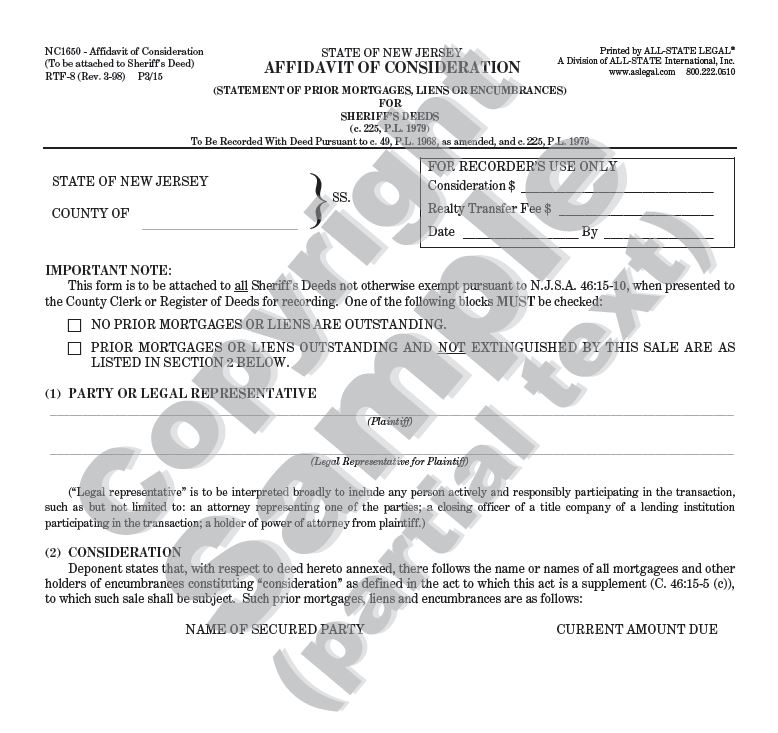
Navigating the Purchase Process: A Financial Playbook
Successfully acquiring a sheriff’s deed property is less about luck and more about methodical financial planning, exhaustive research, and strategic execution. It demands a robust “financial playbook” to mitigate risks and capitalize on opportunities.
Pre-Auction Preparation: Research is Key
The true financial battle for a sheriff’s deed property is won long before the auction gavel falls.
- Financial Capacity Assessment: Begin by honestly assessing your financial limits. This isn’t just the maximum bid price; it includes estimated repair costs, potential legal fees (for eviction or quiet title action), property taxes, insurance, and holding costs (utilities, maintenance) during the rehabilitation period. Having a clear “all-in” budget is paramount.
- Property Research and Valuation: Identify properties slated for sheriff’s sale. Research their location, neighborhood demographics, local market trends, and comparable sales (comps) to determine a realistic market value after potential repairs. This helps establish your maximum bid.
- Title Search (Crucial Financial Protection): This is the single most important step. Engage an experienced title company or real estate attorney to conduct a thorough title search before the auction. Their goal is to uncover all existing liens, judgments, and encumbrances on the property. Understanding which liens will survive the sale and which will be extinguished is vital for calculating your true cost and risk. An overlooked lien can wipe out any potential profit.
- Legal Counsel: Partner with a real estate attorney experienced in sheriff’s sales in your jurisdiction. They can interpret the title report, explain local redemption laws, advise on potential pitfalls, and represent your interests. Their fees are a necessary investment in protecting your larger financial stake.
- Physical Drive-By: While you cannot enter, a drive-by can reveal exterior condition, neighborhood quality, and potential occupancy issues.
The Auction Day: Strategic Bidding
With thorough preparation, auction day becomes an exercise in disciplined execution of your financial strategy.
- Understand Rules and Payment: Familiarize yourself with the auction rules, including the initial deposit required (often 10-20% immediately) and the deadline for the remaining balance (usually within 24 hours). Ensure you have certified funds readily available.
- Set a Maximum Bid: Based on your comprehensive financial analysis (market value – estimated repairs – desired profit margin – existing liens), establish a strict maximum bid. Avoid emotional bidding that pushes you beyond your calculated threshold.
- Observe and Learn: Attend a few auctions as an observer before you bid to understand the rhythm, common practices, and competitive landscape.
Post-Purchase Steps and Financial Implications
Winning the bid is just the beginning of the financial journey.
- Receiving the Deed: After full payment, the sheriff’s office will process and record the deed. This can take several weeks or even months.
- Securing the Property: Immediately secure the property by changing locks. If occupied, engage your attorney to initiate proper eviction proceedings, factoring in associated legal costs and potential delays.
- Addressing Surviving Liens and Clearing Title: If the title search revealed liens that survived the sale, you must factor in the cost of satisfying them. To ensure marketability for future resale or refinancing, a “quiet title action” may be necessary. This is a legal proceeding to formally clear any clouds on the title, confirming your ownership free of other claims. This process adds significant legal fees and time.
- Rehabilitation Costs and Timeline: Begin necessary repairs and renovations according to your budget and timeline. Every day the property sits vacant or unrepaired is a day of carrying costs (taxes, insurance, utilities) without income.
Sheriff’s Deeds in Your Financial Strategy: When Does it Make Sense?
Integrating sheriff’s deed acquisitions into a financial strategy is not a universally suitable path. It requires a specific profile of resources, knowledge, and risk tolerance.
For the Savvy Investor
Sheriff’s deeds are ideally suited for sophisticated real estate investors who possess:
- Liquid Capital: The ability to pay cash for properties and cover immediate rehabilitation and legal costs without external financing.
- Experience and Knowledge: A deep understanding of real estate markets, property valuation, renovation costs, and legal processes related to foreclosures and titles.
- High-Risk Tolerance: An acceptance that despite thorough due diligence, unforeseen issues can arise, requiring additional financial outlay and patience.
- Time and Resources: The capacity to dedicate significant time to research, legal processes, and property management/rehabilitation.
For this group, sheriff’s deed properties can be a powerful engine for accelerated wealth creation, generating significant equity and cash flow that might not be available in traditional real estate markets.
Not for the Faint of Heart or First-Time Buyer
Conversely, this avenue is generally ill-advised for:
- First-Time Homebuyers: The complexities, risks, and need for significant cash make it unsuitable for those looking for a primary residence without extensive real estate experience or substantial financial backing.
- Those with Limited Capital: Relying on stretched finances or the hope of immediate resale can lead to financial distress if unexpected costs arise or the market turns.
- Individuals Averse to Risk: The inherent uncertainties surrounding property condition, unknown liens, and occupancy issues can be overwhelming for those not comfortable with a higher degree of risk.
The “bargain” price of a sheriff’s deed property should never overshadow the intricate homework and potential challenges it entails. The “deal” is only a deal if you account for all potential costs and risks.

Long-Term Wealth Building
When executed correctly, strategically acquiring sheriff’s deed properties can be a cornerstone of a robust, long-term wealth-building strategy. By consistently acquiring assets below market value, investors can:
- Build Equity Rapidly: The immediate equity gain provides a strong foundation for financial growth.
- Generate Passive Income: For buy-and-hold investors, these properties can be excellent sources of rental income, contributing to financial independence.
- Diversify Investment Portfolio: Adding tangible real estate assets to a portfolio can offer stability and inflation protection.
However, the key differentiator between success and failure lies in meticulous calculation of the “all-in” cost—not just the auction price—and a pragmatic, informed approach to every stage of the process.
In conclusion, a sheriff’s deed is more than just a legal document; it’s an invitation to a high-stakes financial game in the real estate market. For the prepared, well-capitalized, and knowledgeable investor, it represents a unique opportunity to acquire assets at a discount and build substantial wealth. Yet, for the unprepared, it can quickly become a costly lesson in unforeseen liabilities and legal entanglements. Approaching sheriff’s deed properties requires a clear understanding of the legal landscape, a rigorous financial due diligence process, and a healthy respect for the inherent risks, ensuring that any perceived bargain genuinely contributes to your financial objectives rather than detracting from them.
aViewFromTheCave is a participant in the Amazon Services LLC Associates Program, an affiliate advertising program designed to provide a means for sites to earn advertising fees by advertising and linking to Amazon.com. Amazon, the Amazon logo, AmazonSupply, and the AmazonSupply logo are trademarks of Amazon.com, Inc. or its affiliates. As an Amazon Associate we earn affiliate commissions from qualifying purchases.