
In the competitive landscape of the global beverage industry, few products demonstrate the power of market adaptation and consumer-centric branding as effectively as the shandy. While the casual observer might view a shandy as a simple mixture of beer and a non-alcoholic citrus mixer, brand strategists recognize it as a sophisticated tool for market penetration, demographic expansion, and seasonal dominance. To answer the question “what is a shandy drink” is to explore how a traditional European beverage evolved into a multi-billion dollar category that bridges the gap between the craft beer enthusiast and the lifestyle-driven consumer.

Defining the Shandy Brand Identity: More Than Just a Beer Mix
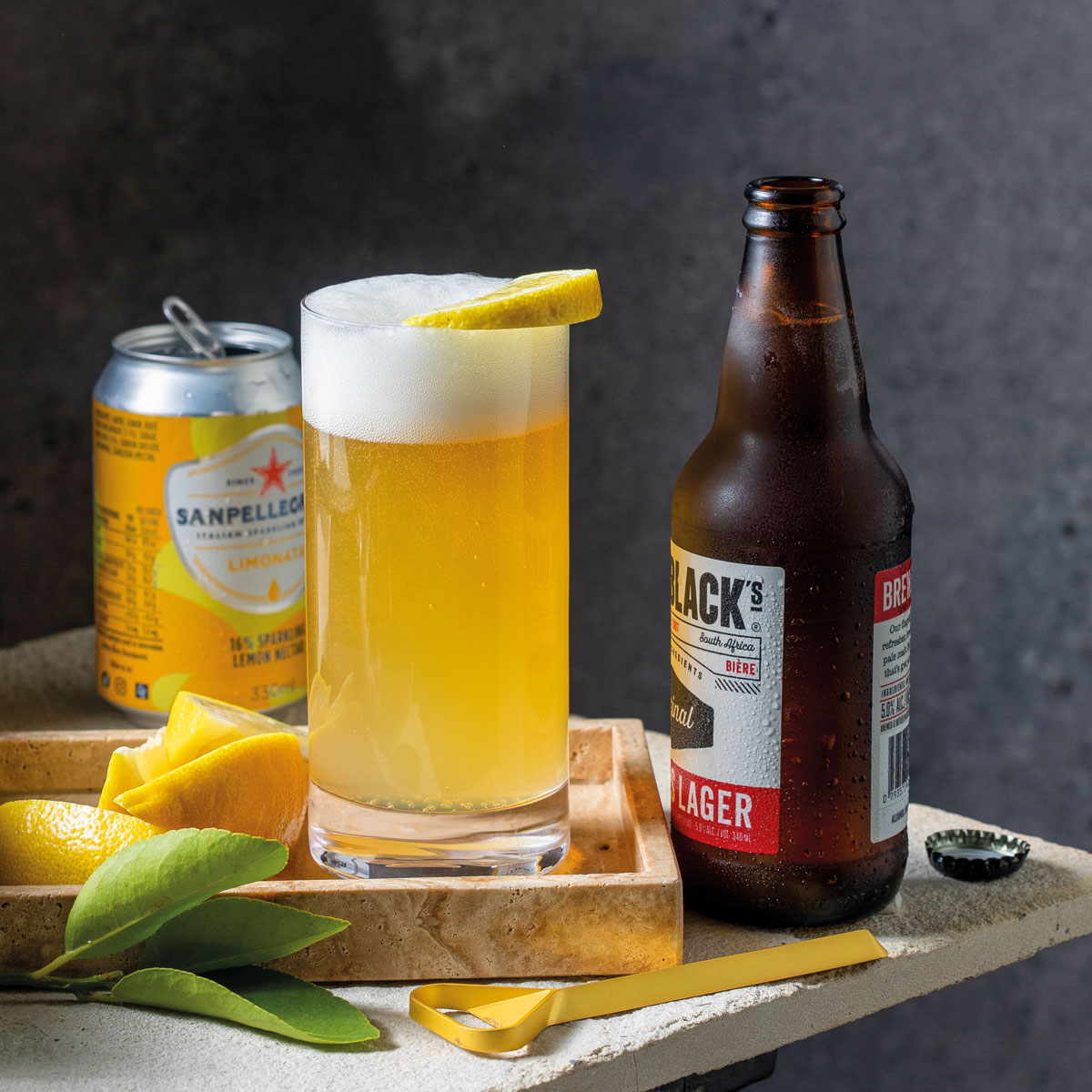
At its core, the shandy represents a fusion of traditions. Historically rooted in British culture (often referred to as a “shandygaff”), the modern shandy is typically a blend of 50% lager or wheat beer and 50% carbonated lemonade, ginger beer, or citrus soda. From a brand perspective, the shandy is not merely a recipe; it is a “hybrid product” designed to solve specific consumer pain points: the heaviness of traditional beer and the high sugar content of standard soft drinks.
The Historical Origin Story as a Brand Asset
In the world of branding, “provenance” is a powerful currency. The shandy benefits from a rich European heritage, dating back to the mid-19th century. By leaning into these origins, modern beverage brands can market the shandy not as a “new gimmick,” but as a time-tested classic. This historical weight allows brands to command a premium price point, positioning the shandy as a sophisticated alternative to generic flavored malt beverages. When a brand tells the story of the British “shandygaff” or the German “Radler” (the shandy’s close cousin, meaning “cyclist”), they are using narrative branding to create a sense of authenticity and discovery for the consumer.
Sensory Branding: The Balance of Refreshment and Accessibility
The brand identity of the shandy is inextricably linked to the concept of “refreshment.” Unlike an Imperial Stout or a complex IPA, which demand the consumer’s full attention and a seasoned palate, the shandy is designed for accessibility. In branding terms, this is “low-friction consumption.” The visual identity of these drinks—often featuring bright yellows, vibrant oranges, and crisp, condensation-covered packaging—communicates a clear brand promise: instant cooling and effortless enjoyment. This sensory branding allows the product to occupy a unique psychological space in the consumer’s mind, categorized under “active leisure” rather than “heavy drinking.”
Market Segmentation and the Rise of the “Sessionable” Consumer
The resurgence of the shandy is a direct response to shifting consumer demographics. Modern brand strategy focuses heavily on “sessionability”—the ability to enjoy multiple servings of a beverage over a long period without the debilitating effects of high alcohol content. The shandy, typically hovering between 2.5% and 4.2% ABV (Alcohol by Volume), is the ultimate “session” brand.
Targeting the Health-Conscious Demographic (Low ABV)
As wellness becomes a cornerstone of personal branding and lifestyle choices, consumers are increasingly moving away from high-calorie, high-alcohol options. The shandy serves as a strategic bridge for brands looking to retain these customers. By positioning the shandy as a “lighter” alternative, breweries can maintain brand loyalty among consumers who are moderating their alcohol intake. This isn’t just a product shift; it’s a strategic alignment with the “Mindful Drinking” movement. Brands that successfully market shandies are tapping into a demographic that values longevity and clarity, yet still desires the social ritual of sharing a drink.
Seasonal Branding: The Summer Association Strategy
One of the most successful applications of the shandy in brand strategy is its use as a seasonal “hook.” In the beverage industry, seasonal line extensions are vital for maintaining shelf space and consumer interest. The shandy has become the definitive brand for summer. By limiting the availability of certain shandy flavors to the warmer months, brands create a “scarcity mindset” and a cyclical anticipation. This seasonal branding strategy ensures that the product doesn’t just sit on the shelf; it becomes an event. When consumers see a shandy return to the cooler, it signals the start of a lifestyle season—barbecues, beach trips, and outdoor concerts—effectively tethering the brand to the consumer’s most positive emotional memories.
Case Studies in Shandy Brand Success: From Leinenkugel to Schöfferhofer
To understand the commercial power of the shandy, one must look at the brands that have defined the category through masterful marketing and distribution. These companies didn’t just make a drink; they built a sub-category that changed the trajectory of their corporate identities.
Leinenkugel’s Summer Shandy: A Lesson in Seasonal Dominance
Jacob Leinenkugel Brewing Company provides perhaps the most famous case study in shandy branding. Before the launch of their “Summer Shandy” in 2007, the brand was a respected but largely regional Midwestern brewery. The Summer Shandy became a national phenomenon, not just because of its taste, but because of its brilliant brand positioning. It featured a nostalgic, “northwoods” aesthetic that appealed to a wide range of drinkers. It was marketed as “The Beer that Tastes Like Summer.” This clear, emotive value proposition allowed Leinenkugel to expand its footprint significantly, proving that a well-branded shandy could serve as a “gateway product” for an entire brewery portfolio.
Strategic Partnerships and Flavor Innovation: Schöfferhofer’s Global Reach
While Leinenkugel dominated the US market with a lemonade-based profile, the German brand Schöfferhofer revolutionized the category by introducing the Grapefruit Herb (Grapefruit Radler). This move was a strategic masterstroke in flavor branding. By pivoting away from the traditional lemon mix, Schöfferhofer created a distinct visual and flavor identity that stood out in a crowded market. Their bright orange cans and unique tart-sweet profile allowed them to dominate the “brunch” and “afternoon patio” segments of the market. This case study highlights the importance of “differentiation” in brand strategy—Schöfferhofer didn’t just compete in the shandy category; they redefined its flavor expectations.
The Strategic Future: Shandy as a Catalyst for Brand Diversification
Looking forward, the shandy remains a vital tool for brands navigating the “Fourth Category” of beverages—the space between traditional beer, wine, spirits, and non-alcoholic drinks. As the market continues to fragment, the shandy offers a blueprint for how legacy brands can innovate without losing their core identity.
Tapping into the RTD (Ready-to-Drink) Market Trend
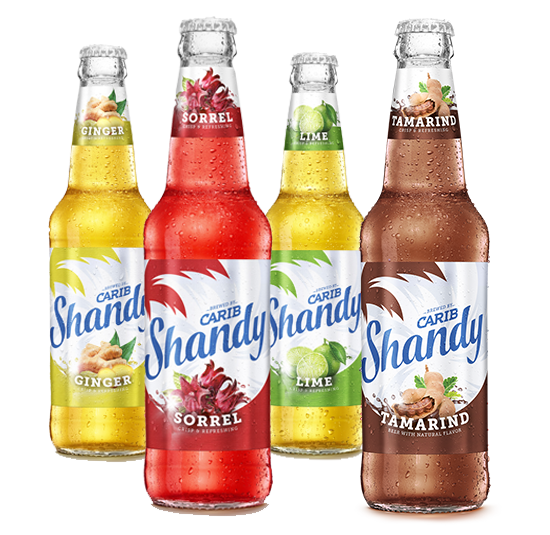
The rise of Ready-to-Drink (RTD) cocktails and hard seltzers has put immense pressure on the beer industry. The shandy is the beer industry’s most effective response to this trend. From a brand management perspective, the shandy offers the “convenience” and “flavor variety” of a cocktail with the “familiarity” and “production efficiency” of beer. We are seeing brands experiment with “Hard Shandy” variants and “Botanical Shandies” to compete with premium spirits. This diversification allows a single brand to occupy multiple “usage occasions”—from a midday picnic to a high-end evening event—thereby increasing the brand’s total addressable market.
Digital Marketing and Visual Identity in the Craft Beverage Space
In the age of Instagram and TikTok, the “visual drink” is king. The shandy, with its naturally vibrant colors and association with scenic environments, is perfectly suited for digital-first brand strategies. Successful shandy brands are focusing on “lifestyle content” rather than “product features.” They aren’t selling beer and juice; they are selling the feeling of a Saturday afternoon. By utilizing influencer partnerships and user-generated content, these brands create a community around the “shandy lifestyle.” This digital presence is crucial for capturing the attention of Gen Z and Millennial consumers who prioritize brand “vibe” and “shareability” in their purchasing decisions.
Conclusion: The Enduring Power of the Shandy Brand
What is a shandy drink? It is more than a beverage; it is a strategic asset. For the consumer, it is a refreshing, accessible choice that fits a modern, active lifestyle. For the brand, it is a versatile tool used to navigate seasonal shifts, reach new demographics, and protect market share against the rise of alternative alcohols.
The success of the shandy teaches us that brand longevity often comes from the ability to blend tradition with innovation. By taking a centuries-old concept and re-branding it for the wellness-conscious, flavor-seeking, and social-media-savvy modern consumer, the beverage industry has ensured that the shandy remains a staple of the global market. Whether it is a traditional lemon-lager mix or a modern botanical infusion, the shandy stands as a testament to the power of thoughtful brand positioning in an ever-evolving marketplace.
aViewFromTheCave is a participant in the Amazon Services LLC Associates Program, an affiliate advertising program designed to provide a means for sites to earn advertising fees by advertising and linking to Amazon.com. Amazon, the Amazon logo, AmazonSupply, and the AmazonSupply logo are trademarks of Amazon.com, Inc. or its affiliates. As an Amazon Associate we earn affiliate commissions from qualifying purchases.