
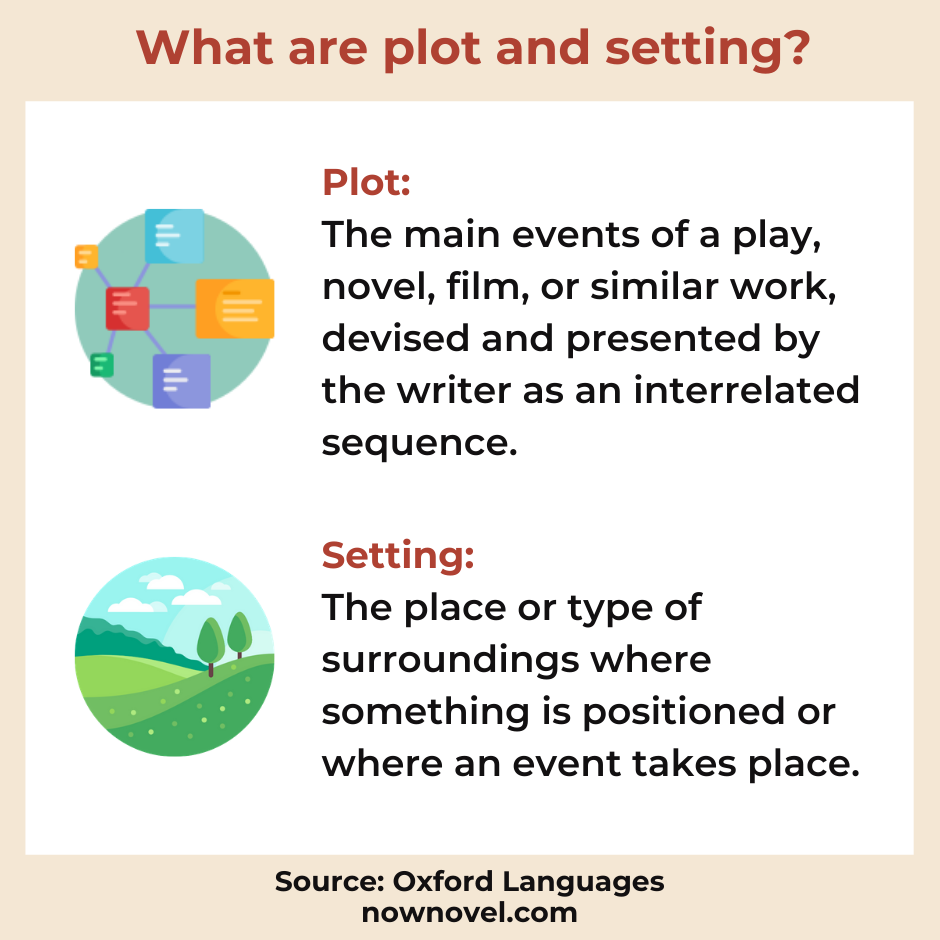
In the realm of brand strategy, the concept of a “setting” transcends the literal definitions found in creative writing. While a novelist might define setting as the time and place where a plot unfolds, a brand strategist views setting as the multidimensional ecosystem in which a brand exists, interacts, and provides value. To ask “what is a setting for a story” in a corporate or personal branding context is to ask: Where does our brand live in the mind of the consumer, and what is the atmosphere of that interaction?
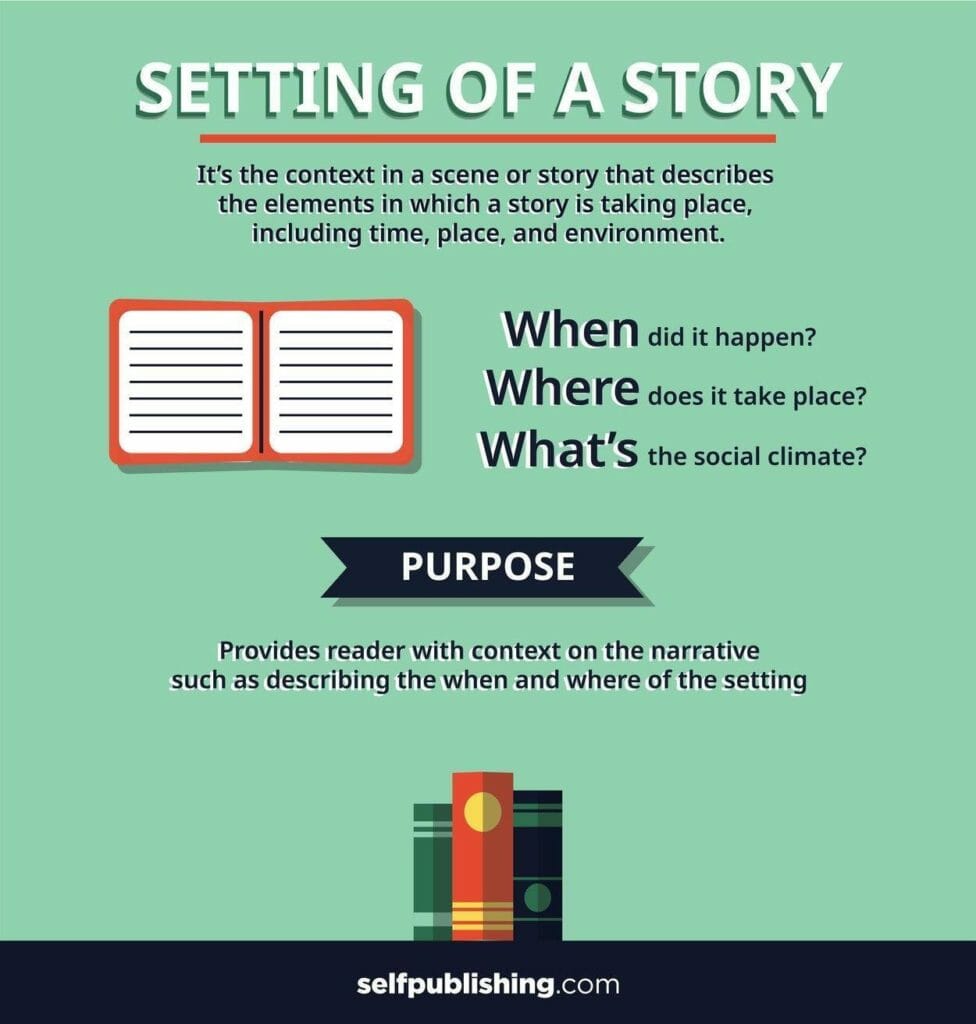
Setting is the foundation of brand storytelling. It provides the necessary context that makes a brand’s mission believable, its products desirable, and its identity memorable. Without a clearly defined setting, a brand story feels untethered—a collection of features and benefits floating in a vacuum. By establishing a robust setting, organizations can create an immersive world that invites customers to move from being mere observers to active participants.
The Architecture of Brand Setting: Beyond Physical Locations
When we deconstruct the setting of a brand story, we must look beyond the geography of a retail store or the layout of a website. The architecture of a brand’s setting is built from three primary dimensions: time, cultural context, and the psychological landscape.
Defining the Temporal Dimension: History and Future
The “when” of a brand story is just as critical as the “where.” A brand’s setting can be rooted in the heritage of the past, the urgency of the present, or the aspiration of the future. For example, a luxury watchmaker like Patek Philippe uses a setting defined by “intergenerational time.” Their story isn’t just about a shop in Geneva; it’s about a temporal setting where the past informs a timeless future.
Conversely, a brand like Tesla operates in a setting of “the immediate future.” Their narrative setting is one of rapid innovation and the transition to sustainable energy. When a customer interacts with the brand, they aren’t just buying a vehicle; they are stepping into a specific point in time—the dawn of the electric age. Identifying your brand’s temporal setting helps align your messaging with the pace and expectations of your audience.
The Cultural and Social Landscape
Setting is also defined by the cultural milieu in which a brand operates. This includes the values, social movements, and lifestyle trends that surround the brand. A brand’s setting might be the “high-performance athletic world” or the “conscious consumerism movement.”
By positioning a brand within a specific cultural setting, strategists can tap into existing emotional currents. If the setting of your brand story is “the modern, remote-work revolution,” every piece of content and every product design choice should reflect the freedoms, challenges, and aesthetics of that specific social environment. The setting provides the “rules of the world” that your brand must follow to remain authentic.
Physical vs. Virtual Environments
In the digital age, the setting of a story often exists in the palm of a hand. A mobile app’s user interface (UI) is the setting for a digital brand’s narrative. The color palette, the typography, and the “white space” all contribute to the atmosphere. A cluttered, chaotic app creates a “setting” of stress and confusion, whereas a clean, intuitive interface creates a setting of empowerment and clarity. Understanding that your digital presence is a narrative setting allows for more intentional design choices that support your overarching brand strategy.
Creating Immersive Customer Environments: Setting as Experience
If the brand is the protagonist and the customer is the hero of the journey, then the experience provided by the brand is the stage upon which that journey unfolds. Creating an immersive environment means ensuring that every touchpoint reinforces the narrative setting.
The Role of Digital Interface in Brand Setting
For most modern brands, the first point of interaction is digital. Here, the “setting” is defined by user experience (UX) design. A well-designed website serves as the “world-building” tool for a brand. Consider how an e-commerce platform for high-end fashion differs from a discount hardware site.
The fashion site might use high-resolution, cinematic video backgrounds and minimalist navigation to create a setting of “exclusive luxury.” The hardware site might use dense grids, bold colors, and prominent search bars to create a setting of “industrial efficiency.” In both cases, the digital setting tells the user exactly what kind of story they are entering and how they are expected to behave within it.
Sensory Branding and Physical Retail Spaces
In the physical world, setting is established through sensory branding. This is the strategic use of sight, sound, smell, and touch to create a cohesive environment. For instance, Starbucks has mastered the “Third Place” setting—an environment that is neither home nor work, but a comfortable middle ground.
The smell of roasted beans, the acoustic profile of low-fi music, and the tactile nature of the furniture all contribute to a narrative setting of “community and comfort.” When a brand successfully builds a physical setting, it moves beyond a transaction and becomes a destination. The setting itself becomes a competitive advantage that cannot be easily replicated by digital-only competitors.
Consistency Across Omnichannel Settings
The greatest challenge in brand strategy is maintaining the setting across different platforms. If a brand’s setting is “rugged outdoor adventure” on Instagram but feels like “corporate sterile” on their customer support portal, the narrative breaks. True brand immersion requires “omnichannel consistency,” where the setting remains recognizable regardless of the medium. This consistency builds trust, as the customer feels they are interacting with the same “world” every time they engage with the brand.
Setting the Stage for the Customer Journey
The setting of a brand story provides the context for the customer’s “conflict”—the problem they are trying to solve—and the “resolution”—the benefit your brand provides. By carefully curating the setting, you can guide the customer through their journey more effectively.
Identifying the “Conflict” and the “Resolution”
Every story needs a setting that highlights the stakes of the conflict. If you are a financial services brand, your setting might be “the complex and volatile global market.” By establishing this as the setting, you emphasize the customer’s need for a guide (the brand) to help them find safety and growth (the resolution). The setting validates the problem. If the setting were “a simple, easy-to-manage world,” the brand’s services would seem unnecessary. Therefore, the setting must be calibrated to make the brand’s solution feel essential.
Psychological Settings: Mood and Atmosphere
Beyond the physical and digital, there is the psychological setting: the mood. Is the setting of your brand story one of “urgent excitement” (like a tech launch), “calm reassurance” (like a healthcare provider), or “rebellious defiance” (like an alternative fashion brand)?
Mood is established through tone of voice and visual identity. A professional, insightful, and engaging tone—much like the one used in high-level brand consulting—creates a setting of “authoritative partnership.” This atmosphere encourages the customer to trust the brand’s expertise. Understanding the psychological setting allows brands to meet customers where they are emotionally, creating a deeper resonance.
Using Setting to Differentiate in Crowded Markets
In a saturated market, your product features might be nearly identical to your competitors’. In such cases, the setting becomes the primary differentiator. Two companies may sell the same organic tea, but one sets its story in “the ancient, mystical mountains of the East,” while the other sets its story in “the modern, high-energy laboratory of bio-optimization.” The product is the same, but the setting changes the audience, the price point, and the brand’s perceived value.
Strategies for Defining Your Brand’s Setting
Defining your brand’s setting requires a strategic approach that aligns with your core values and target audience. It is not a decorative choice, but a foundational business decision.
Researching the Audience’s “Natural Habitat”
To create a setting that resonates, you must understand where your audience already “lives”—not just geographically, but mentally and culturally. What are the settings they find comfortable? What environments do they aspire to enter? A brand setting should be a heightened version of the customer’s reality or an accessible version of their aspirations. Use market research and customer personas to map out the “world” your customers inhabit, then build your brand setting to bridge the gap between their current state and their desired state.
Crafting a Brand Style Guide as a “World-Building” Document
In the same way that a filmmaker uses a production bible to maintain the look and feel of a movie, a brand should use a comprehensive style guide. This document should go beyond logos and fonts; it should define the “setting” of the brand.
- Visual Language: What imagery represents the setting? (e.g., urban grit vs. pastoral serenity)
- Tone of Voice: How does the setting “sound”? (e.g., fast-paced and witty vs. slow and deliberate)
- Interactive Principles: How do we move within this setting? (e.g., seamless and automated vs. high-touch and personal)

Evaluating and Evolving the Setting
The world changes, and sometimes a brand’s setting needs to evolve with it. A setting that felt “modern” in 2010 might feel “dated” in 2024. Brands must periodically audit their narrative setting to ensure it remains relevant to the current cultural and technological landscape. However, evolution should be careful; radical changes to a brand’s setting can alienate loyal customers who have become comfortable in the “world” you built. The goal is to update the setting’s details while keeping its core “atmosphere” intact.
In conclusion, “what is a setting for a story” is a question that every brand strategist must answer with precision. It is the invisible force that gives your brand meaning, context, and emotional weight. By masterfully crafting the time, place, mood, and culture of your brand’s environment, you do more than sell a product—you invite the world into a story they never want to leave.
aViewFromTheCave is a participant in the Amazon Services LLC Associates Program, an affiliate advertising program designed to provide a means for sites to earn advertising fees by advertising and linking to Amazon.com. Amazon, the Amazon logo, AmazonSupply, and the AmazonSupply logo are trademarks of Amazon.com, Inc. or its affiliates. As an Amazon Associate we earn affiliate commissions from qualifying purchases.