
In the complex ecosystem of modern finance, most consumers and business owners focus heavily on the initial stages of a transaction: the application, the approval, and the moment the funds hit the bank account. However, there is a critical, long-term phase that governs the life of every debt instrument, known as servicing.
While “servicing” might sound like a generic administrative term, in the world of personal and business finance, it is a multi-billion-dollar industry that dictates how payments are handled, how escrow accounts are managed, and how lenders and borrowers interact over the course of years—or even decades. Understanding what servicing is, how it functions, and why it matters is essential for anyone navigating mortgages, student loans, or commercial lines of credit.
Defining the Core Concepts of Financial Servicing
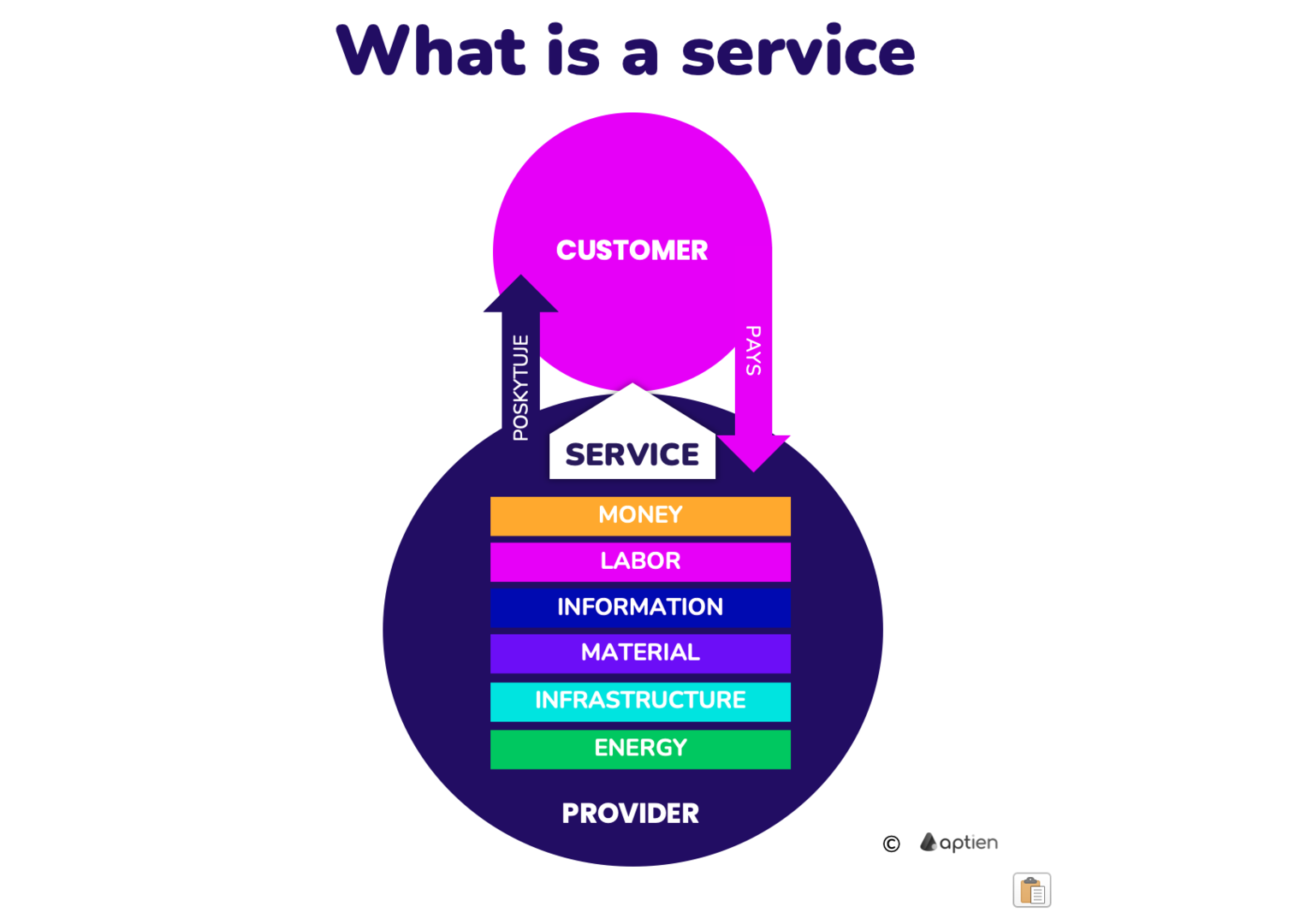
At its most basic level, servicing refers to the administrative tasks associated with a loan from the time the proceeds are dispersed until the loan is paid off in full. It is the connective tissue between the entity that provided the capital (the lender or investor) and the entity that borrowed it.
The Servicer vs. The Lender
It is a common misconception that the bank that “originated” your loan—the one where you signed the paperwork—will be the one you interact with for the next 30 years. In reality, the financial industry often separates the act of lending from the act of servicing.
The lender is the institution that provides the initial capital. The servicer is the entity responsible for the day-to-day management of the loan. A lender may choose to service their own loans (known as “retention”), or they may sell the “servicing rights” to a third-party company that specializes exclusively in payment processing and account management. This explains why a homeowner might receive a notice in the mail stating that their mortgage payments should now be sent to a different company than the one they started with.
The Mechanics of the Payment Lifecycle
The primary function of servicing is the management of the payment lifecycle. This includes the generation of monthly statements, the collection of principal and interest, and the accurate recording of these payments in a ledger.
However, the lifecycle is more than just cashing checks. Servicers must ensure that payments are applied correctly according to the terms of the promissory note. This includes managing “curtailments” (extra payments toward the principal) and ensuring that late fees are assessed only when legally and contractually permissible. For the borrower, the servicer is the “face” of the loan, providing the digital portal, the customer service hotline, and the annual tax documents.
The Role and Responsibilities of a Loan Servicer
A servicer’s duties extend far beyond simple bookkeeping. They act as a fiduciary for the investor while serving as the primary point of contact for the borrower. Their responsibilities are highly regulated to ensure financial stability and consumer protection.
Escrow Management and Disbursements
For many borrowers, particularly in real estate, the servicer handles more than just the loan itself; they manage the escrow account. An escrow account is a holding tank where a portion of the borrower’s monthly payment is set aside to pay for property taxes and homeowners insurance.
The servicer is responsible for calculating the necessary escrow cushion, paying the tax collector and insurance provider on time, and conducting an annual “escrow analysis.” If taxes go up, the servicer must adjust the borrower’s monthly payment to ensure the account remains solvent. This administrative burden is a core component of servicing, requiring precise timing and coordination with local government entities and private insurance firms.
Delinquency and Loss Mitigation
One of the most critical roles of a servicer occurs when a borrower stops making payments. This is known as the “default” or “delinquency” phase. Instead of immediately moving to foreclosure or repossession, modern financial servicing focuses heavily on loss mitigation.
Loss mitigation involves working with the borrower to find an alternative to a total loss for the investor. This might include:
- Loan Modifications: Changing the terms of the loan (interest rate or duration) to make payments more affordable.
- Forbearance: Allowing the borrower to pause or reduce payments temporarily during financial hardship.
- Short Sales: Allowing the borrower to sell the asset for less than the remaining loan balance.
The servicer’s goal in these scenarios is to minimize the “loss” for the owner of the debt while attempting to keep the borrower in their home or business.
Investor Reporting and Compliance
Behind the scenes, the servicer must answer to the investors who actually own the debt. In the world of securitization—where thousands of loans are bundled together and sold as Mortgage-Backed Securities (MBS)—the servicer must provide detailed reporting. They aggregate the thousands of individual payments they collect and remit them to the investors, providing data on delinquency rates, prepayments, and interest yields.
Understanding Mortgage Servicing Rights (MSRs)
In the “Money” sector, servicing is not just a chore; it is a valuable asset. The right to service a loan can be bought, sold, and traded on the open market. These are known as Mortgage Servicing Rights (MSRs).
How MSRs are Valued
MSRs have a distinct financial value because the servicer is paid a fee—usually a small percentage of the outstanding principal balance (e.g., 0.25% to 0.50% annually)—in exchange for their work. For a company servicing billions of dollars in loans, these small percentages add up to massive revenue.
The value of MSRs fluctuates based on interest rates. When interest rates rise, the value of MSRs typically goes up because borrowers are less likely to refinance their loans. This means the servicer can expect to collect their fee for a longer period. Conversely, when rates drop, MSR values fall because the “prepayment risk” increases—borrowers will refinance, and the servicing contract will end prematurely.
The Transfer of Servicing
Because MSRs are tradable assets, borrowers often experience a “transfer of servicing.” This occurs when one financial institution sells its portfolio of servicing rights to another.
While this can be confusing for the borrower, it is a standard practice in business finance. Federal law (such as the Real Estate Settlement Procedures Act, or RESPA, in the U.S.) requires specific notice periods to ensure the borrower has time to redirect their payments. For the financial institution, selling MSRs is a way to generate immediate liquidity or to rebalance their risk profile.
The Impact of Servicing on the Consumer Experience
For the average person, the quality of a servicer can significantly impact their financial well-being. A well-run servicing operation provides transparency and ease of use, while a poorly run one can lead to missed payments, incorrect credit reporting, and unnecessary stress.
Common Challenges for Borrowers
The most frequent friction points in servicing involve “payment misapplication” and “escrow errors.” If a servicer fails to pay a property tax bill on time, the borrower may face penalties from their local municipality. If a servicer loses track of a payment, the borrower’s credit score may plummet.
In the wake of the 2008 financial crisis, many servicers were criticized for “robo-signing” documents and failing to provide adequate customer support to those facing foreclosure. This led to a massive overhaul of the industry, with much stricter oversight from agencies like the Consumer Financial Protection Bureau (CFPB).
Rights and Protections under Financial Law
Modern servicing is governed by a web of consumer protection laws designed to ensure fair treatment. Borrowers have the right to:
- Request for Information (RFI): Borrowers can demand a detailed history of their payments and how they were applied.
- Notice of Error (NOE): If a borrower identifies a mistake, the servicer is legally obligated to investigate and respond within a specific timeframe.
- The “Grace Period” during Transfer: When servicing is transferred, there is typically a 60-day period during which the borrower cannot be charged a late fee if they accidentally send their payment to the old servicer.
The Future of Servicing: Digital Transformation and Fintech
The servicing industry is currently undergoing a massive technological shift. Historically, servicing was a “back-office” function characterized by legacy mainframe computers and paper-heavy processes. Today, Fintech (Financial Technology) is redefining the expectations for how loans are managed.
Automation and AI in Payment Processing
Artificial Intelligence is now being used to predict which borrowers are most likely to default, allowing servicers to intervene with loss mitigation options before a payment is even missed. Automation has also streamlined the “onboarding” process, where new loan data is ingested into a servicer’s system, reducing the human error that often led to early-payment defaults.
The Rise of Borrower-Centric Portals
Modern servicers are moving away from being “invisible” entities. They are developing intuitive mobile apps that allow borrowers to see their “equity” in real-time, simulate how an extra payment would shorten their loan term, and manage their escrow accounts with the same ease as a checking account. This shift toward “Self-Service Finance” reduces operational costs for the servicer while increasing satisfaction for the borrower.
Blockchain and Servicing
Looking further ahead, blockchain technology holds the potential to revolutionize servicing by creating an immutable ledger of payments. If a loan is “serviced” on a blockchain, there is no dispute over whether a payment was made or how it was applied; the record is transparent, instantaneous, and verifiable by both the lender and the borrower. This could eventually eliminate the need for the complex, intermediary-heavy servicing models that exist today.
Conclusion
Servicing is the silent engine of the lending world. While it may lack the excitement of a new loan approval, it is the process that defines the long-term relationship between debt and capital. For the investor, servicing is a stream of fee income and a method of risk management. For the borrower, it is the interface through which they build equity and manage their largest financial obligations. In an era of increasing digital complexity, understanding the mechanics of servicing is no longer just for bankers—it is a foundational piece of financial literacy for everyone.
aViewFromTheCave is a participant in the Amazon Services LLC Associates Program, an affiliate advertising program designed to provide a means for sites to earn advertising fees by advertising and linking to Amazon.com. Amazon, the Amazon logo, AmazonSupply, and the AmazonSupply logo are trademarks of Amazon.com, Inc. or its affiliates. As an Amazon Associate we earn affiliate commissions from qualifying purchases.