
The term “scrivener” conjures images of an archaic profession, a diligent scribe hunched over parchment, meticulously copying documents by hand. Historically, a scrivener was a public notaries or a professional who drafted or copied legal, commercial, or financial documents. Their role was critical in an era before printing presses and digital documentation, ensuring accuracy and legal validity through manual transcription. While the quill-and-ink scrivener is a relic of the past, the fundamental function of a scrivener — the creation, management, and preservation of complex documentation — has not only persisted but has been profoundly transformed and amplified by technology. Today, understanding “what is a scrivener” in a modern context means exploring the sophisticated software, AI tools, and digital workflows that empower individuals and organizations to manage information with unprecedented efficiency and precision.

The Historical Role and its Digital Evolution
The original scrivener was a pillar of the community, often possessing significant literacy and a deep understanding of legal and administrative protocols. Their work was slow, painstaking, and prone to human error, yet indispensable. They were the custodians of information, ensuring contracts, wills, deeds, and other vital records were accurately reproduced and legally sound. The transition from this manual process to modern digital documentation has been one of the most significant technological shifts, fundamentally altering how information is created, stored, and disseminated.
From Quill and Ink to Keyboard and Screen
The first major technological leap came with the invention of the printing press, which industrialized document production, rendering the individual copyist less central. However, even with printing, the creation of original content still required human input. The advent of typewriters mechanized this input, offering greater speed and legibility. Yet, it was the digital revolution, beginning with word processors in the 1970s and accelerating with personal computers and the internet, that truly redefined the scrivener’s domain.
Modern “scriveners” are no longer confined to transcribing; they are architects of information. They leverage sophisticated software to draft, edit, organize, and publish vast quantities of text. The keyboard and screen replaced the quill and parchment, offering instantaneous revisions, limitless storage, and global dissemination capabilities. This evolution has democratized document creation, empowering not just legal professionals but also writers, researchers, marketers, and students to manage complex textual projects.
The Modern Demand for Document Mastery
In today’s information-rich world, the need for document mastery is more critical than ever. Businesses rely on meticulously crafted reports and proposals. Legal systems demand precise filings. Creative industries thrive on structured narratives. The sheer volume and complexity of data necessitate tools that go far beyond basic word processing. The modern “scrivener” is not just a transcriber but a project manager for text, navigating vast repositories of information, ensuring consistency, and adhering to specific formatting and regulatory standards. This demand drives the continuous innovation in software and AI tools designed to streamline every aspect of document lifecycle management, from initial ideation to final archiving.
Scrivener as a Software Ecosystem: Beyond Word Processing
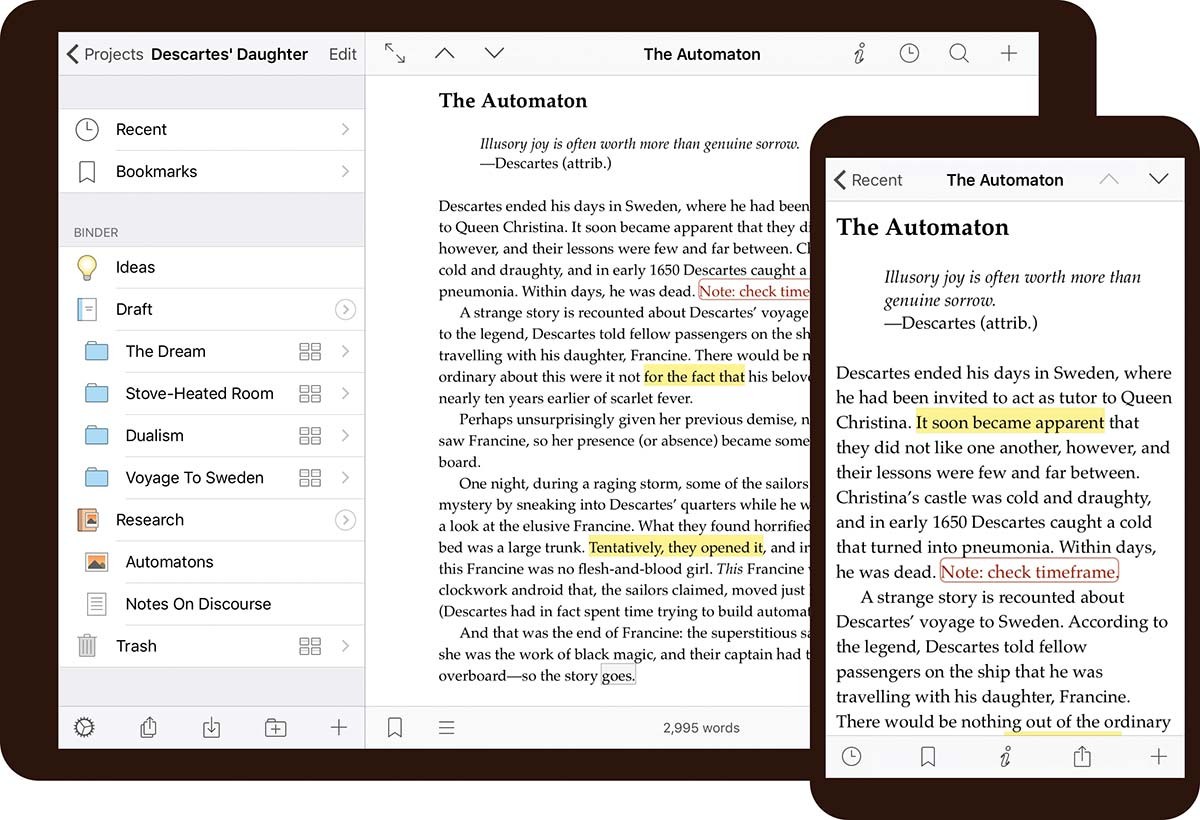
One of the most prominent modern interpretations of the “scrivener” concept manifests in specialized software applications designed for complex writing projects. While many general word processors excel at linear document creation, tools like Scrivener (the software, by Literature & Latte) represent a paradigm shift, offering an integrated ecosystem tailored for long-form content creation. These applications empower users to act as their own digital scriveners, managing multiple documents, research materials, and structural elements within a single, coherent environment.
Project Management for Writers
Unlike traditional word processors that treat a document as a single, sequential file, modern scrivener-like software breaks down large projects into smaller, manageable chunks. A novel can be divided into chapters, scenes, or even individual paragraphs. A research paper can be segmented into introduction, literature review, methodology, and conclusion. This modular approach allows users to reorganize, expand, and refine sections independently without disrupting the entire document. This non-linear flexibility is crucial for complex projects where ideas don’t always flow in a strict sequence, enabling more iterative and agile content development.
Non-Linear Writing and Research Integration
A key feature of these advanced writing tools is their ability to facilitate non-linear writing. Users can jump between sections, develop ideas out of order, and easily cross-reference material. This is particularly beneficial for creative writers who might draft a climactic scene before the opening, or academics who need to weave together disparate research findings. Furthermore, these platforms often integrate research materials directly into the project environment. Notes, PDFs, web pages, images, and audio files can be stored alongside the main text, allowing for seamless access and referencing without constantly switching between applications. This consolidates the entire creative and research process into one digital workspace, mirroring the traditional scrivener’s meticulous organization of source materials.
Compilation and Export Flexibility

Once the content is created and organized, scrivener software offers robust compilation and export options. Users can choose which parts of their project to include, define specific formatting styles, and export to a wide array of formats — from standard word processing files (DOCX, ODT) and eBooks (EPUB, MOBI) to plain text, PDF, and even web-ready HTML. This flexibility ensures that the final output meets the specific requirements of publishers, platforms, or collaborators, transforming a complex project into a professionally formatted document with ease. This capability is a direct descendant of the historical scrivener’s role in preparing final, presentable documents.
Digital Scriveners: Tools and Technologies Shaping Content Creation
Beyond specific writing software, the broader landscape of technology offers a suite of tools that function as modern “digital scriveners,” automating, enhancing, and securing document creation and management across various sectors. These technologies address the escalating demands for efficiency, accuracy, and collaboration in an increasingly digital world.
AI and Automated Document Generation
Artificial intelligence (AI) is rapidly becoming the most transformative “scrivener” technology. AI-powered writing assistants can generate text based on prompts, summarize lengthy documents, rewrite content for different tones or audiences, and even help in ideation. Tools employing natural language generation (NLG) can automatically create reports, marketing copy, or technical documentation from structured data, significantly reducing manual effort and speeding up content production cycles. This automation extends the scrivener’s capacity exponentially, allowing for the rapid creation of vast quantities of tailored content that would be impossible for human scriveners alone. While human oversight remains crucial, AI handles the heavy lifting of drafting and structuring, freeing up human creators for higher-level strategic and creative tasks.
Collaboration Platforms and Cloud-Based Workflows
The solitary scrivener is largely a concept of the past. Modern document creation is often a collaborative effort. Cloud-based platforms like Google Docs, Microsoft 365, and various project management suites enable multiple users to work on the same document simultaneously, track changes, leave comments, and manage version control in real time. This digital collaboration mirrors a sophisticated, distributed scrivener network, where diverse expertise converges on a single project, ensuring consistency and accelerating completion. These tools eliminate the need for sending files back and forth, reducing delays and minimizing the risk of working on outdated versions.
Digital Security and Document Integrity
With the rise of digital documentation comes the paramount need for security and integrity. Modern “scriveners” must be acutely aware of digital security protocols to protect sensitive information. Technologies like encryption, secure cloud storage, digital signatures, and blockchain-based solutions are critical for ensuring the authenticity, confidentiality, and immutability of digital documents. Data loss prevention (DLP) systems and robust backup strategies are essential for safeguarding against accidental deletion or malicious attacks. Just as historical scriveners were trusted to maintain the integrity of physical records, modern digital tools and practices uphold the trustworthiness of their digital counterparts, preventing unauthorized access, tampering, or loss.
The Future of Scrivening: AI and Intelligent Document Systems
The evolution of the scrivener role is far from over. As AI and machine learning continue to advance, the future promises intelligent document systems that will further revolutionize content creation, management, and compliance. These systems will not just assist but actively participate in the entire document lifecycle, transforming how we interact with information.
Predictive Text and Idea Generation
Future “scrivener” tools will go beyond current predictive text capabilities, offering more sophisticated idea generation and content structuring assistance. AI will analyze vast datasets to suggest concepts, outline arguments, and even draft initial sections of text, tailored to specific contexts and audience needs. This could mean an AI suggesting the next logical paragraph in a legal brief or proposing creative plot points for a fictional narrative, based on learned patterns and user preferences. The synergy between human creativity and AI augmentation will lead to faster, more innovative content development.
Smart Templates and Compliance Automation
Intelligent document systems will feature “smart templates” that dynamically adapt to user input and regulatory requirements. Instead of merely filling in blanks, these templates will leverage AI to ensure compliance with legal standards, brand guidelines, or accessibility mandates, automatically flagging potential issues or suggesting compliant alternatives. For instance, a contract drafting system could automatically insert clauses based on jurisdiction and industry, or a marketing content tool could ensure brand voice consistency across all generated materials. This automation will drastically reduce errors and the time spent on manual compliance checks, acting as an ever-vigilant digital legal or brand scrivener.
Ethical Considerations and Human Oversight
As AI’s role in content creation expands, so too do the ethical considerations. The future of scrivening will require a delicate balance between automation and human oversight. Ensuring transparency in AI-generated content, preventing biases, and maintaining accountability for factual accuracy will be paramount. Human “scriveners” will transition from being mere transcribers or drafters to critical reviewers, ethical gatekeepers, and strategic architects of AI-powered content workflows. Their role will involve validating AI outputs, refining nuanced language, and applying critical judgment, reinforcing that while technology can automate much, the ultimate responsibility for meaningful and ethical communication remains human.
aViewFromTheCave is a participant in the Amazon Services LLC Associates Program, an affiliate advertising program designed to provide a means for sites to earn advertising fees by advertising and linking to Amazon.com. Amazon, the Amazon logo, AmazonSupply, and the AmazonSupply logo are trademarks of Amazon.com, Inc. or its affiliates. As an Amazon Associate we earn affiliate commissions from qualifying purchases.