
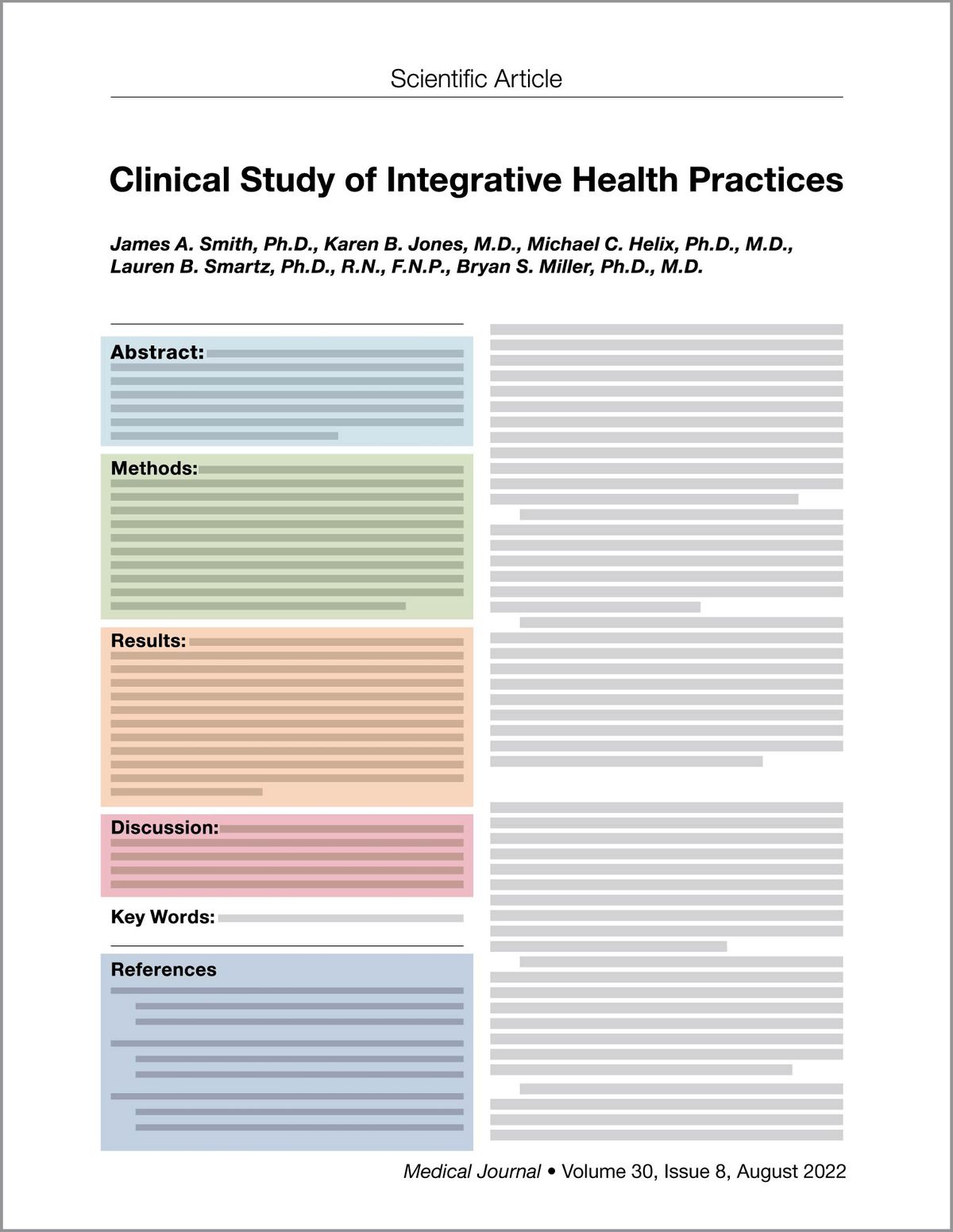
In the contemporary era, the traditional image of a scientific journal—a dusty, leather-bound volume sitting on a mahogany library shelf—has become an artifact of the past. Today, a scientific journal is less a physical publication and more a sophisticated technological ecosystem. At its core, a scientific journal is a digital platform designed for the systematic validation, archival, and dissemination of specialized knowledge. However, when viewed through the lens of modern technology, it represents a complex intersection of database management, artificial intelligence, cybersecurity, and global networking.
As we transition further into the information age, the definition of a “journal” has expanded. It is no longer just a collection of articles; it is a high-speed data pipeline that fuels global innovation. To understand what a scientific journal is today, one must look at the software, tools, and digital trends that govern how scientific truth is processed and protected.

The Architecture of Digital Knowledge: From Print to Platform
The fundamental purpose of a scientific journal is to act as a permanent record of discovery. Historically, this was achieved through paper, but the modern journal is built on a robust tech stack designed for “findability” and longevity. This transition from print to platform has fundamentally changed how information is structured.
From Static PDF to Interactive Data
A scientific journal is no longer just a digital scan of a printed page. Modern journals utilize XML (eXtensible Markup Language) and JATS (Journal Article Tag Suite) to ensure that content is machine-readable. This allow search engines, AI aggregators, and data-mining tools to extract meaning from the text without human intervention. By structuring data this way, journals transform a simple research paper into a node in a vast, interconnected digital network.
The Role of Metadata and DOIs
The “backbone” of a digital journal is its metadata. Every article published is assigned a Digital Object Identifier (DOI). Think of a DOI as a permanent, unbreakable URL for a specific piece of digital property. Unlike a standard web link, which can suffer from “link rot” if a server moves, a DOI is a tech-driven guarantee that the research remains accessible forever. This system is managed by organizations like Crossref, creating a global registry that tracks citations, versions, and relationships between different pieces of technology and research.
Open Journal Systems (OJS) and Workflow Software
Most modern scientific journals run on specialized software frameworks such as Open Journal Systems (OJS) or proprietary enterprise platforms like ScholarOne. These are not simple Content Management Systems (CMS) like WordPress. They are highly specialized ERP (Enterprise Resource Planning) tools for the mind. They manage the complex lifecycle of a manuscript—from submission and automated formatting to blind peer review and final digital typesetting—all within a secure, cloud-based environment.
The AI Revolution: Enhancing Peer Review and Content Curation
One of the most significant shifts in the tech-focused definition of a scientific journal is the integration of Artificial Intelligence (AI). The traditional peer-review process, where human experts evaluate work, is being augmented by powerful AI tools to ensure the integrity of the scientific record.
Automated Plagiarism and Image Manipulation Detection
Modern journals utilize sophisticated algorithms to scan every submission. Tools like iThenticate compare manuscripts against billions of web pages and millions of previously published articles to detect plagiarism. More impressively, new AI tools are now capable of detecting “image manipulation”—identifying if a researcher has used software like Photoshop to alter experimental data or duplicate results. This technological gatekeeping is essential for maintaining trust in digital science.
AI-Driven Reviewer Matching
Finding the right expert to review a highly technical paper is a logistical challenge. Tech-forward journals now use AI to analyze the text of a submission and cross-reference it with databases of millions of researchers worldwide. The software analyzes “expertise footprints”—the keywords, citations, and previous publications of potential reviewers—to automatically suggest the best-qualified candidates. This reduces human bias and accelerates the speed of scientific publication.
The Rise of LLMs in Scientific Synthesis
With the explosion of Large Language Models (LLMs), scientific journals are exploring how these tools can summarize complex findings for a broader audience. Some platforms are integrating AI-driven “smart summaries” that allow users to ask questions of a research paper, essentially turning a static article into a conversational interface. This trend represents a shift from the journal as a “read-only” medium to an interactive technological tool.
Open Access and the Democratization of Data
For decades, scientific journals were locked behind expensive paywalls. However, the rise of “FinTech” within the publishing world and a push for transparency have led to the Open Access (OA) movement. From a tech perspective, this is a shift toward an “Open Source” model for human knowledge.
API Integration and Machine-Readable Content
Open Access journals do more than just make PDFs free; they provide APIs (Application Programming Interfaces) that allow other software tools to “pull” data automatically. This is a game-changer for researchers using “Big Data” approaches. For example, a climate scientist can write a script that automatically scrapes thousands of OA journals for specific temperature data points, a task that would be impossible with traditional, locked-down content.
Decentralized Science (DeSci) and Blockchain
The most cutting-edge journals are experimenting with Blockchain technology to manage the “ledger” of scientific discovery. Decentralized Science (DeSci) uses blockchain to create immutable records of when a discovery was made and who contributed what. By using Smart Contracts, these journals can automate the distribution of credit and even manage funding. This moves the concept of a journal away from a central authority and toward a distributed, transparent tech network.
Digital Repositories and Version Control
In the software world, tools like GitHub allow developers to track every version of a code base. Scientific journals are adopting this “Version Control” philosophy. Instead of a paper being a static document, modern platforms allow for “Version of Record” updates. If a researcher finds a minor error, they don’t have to retract the whole paper; the tech infrastructure allows for a timestamped, transparent update, ensuring the digital record is always the most accurate version of the truth.
Cybersecurity and Integrity: Protecting the Scientific Record
As scientific journals have become purely digital entities, they have become targets for cyber threats. A journal today is not just a repository; it is a secure vault that must be protected from bad actors looking to manipulate data or steal intellectual property.
Protecting Intellectual Property in a Connected World
Scientific journals often hold pre-publication data that is worth millions of dollars in potential patent value. As such, these platforms must employ enterprise-grade digital security. This includes end-to-end encryption for manuscript submissions, multi-factor authentication (MFA) for editors, and secure cloud storage to prevent data breaches. The “What is a scientific journal” question now includes “A secure digital environment for high-stakes IP.”
Fighting the Rise of “Paper Mills” with Tech
One of the greatest threats to modern science is the “paper mill”—organized groups that use AI or fraudulent means to produce fake research papers. To combat this, journals are developing “Identity Verification” tech. This involves verifying the digital identity of authors through ORCID iDs (Open Researcher and Contributor IDs) and using forensic data analysis to look for patterns of fraud across thousands of submissions. The journal has become a digital detective, using data analytics to sniff out anomalies that a human editor might miss.
The Future of Archival: Long-term Digital Preservation
Technology changes fast, but science is meant to last centuries. A major component of a modern journal’s tech strategy is digital preservation. Through initiatives like LOCKSS (Lots of Copies Keep Stuff Safe) and CLOCKSS, journals ensure that their digital content is distributed across a global network of servers. If one server goes down or a publisher goes out of business, the technology ensures that the scientific data remains available to future generations.
Conclusion: The Journal as a Living Tech Ecosystem
In summary, when we ask “what is a scientific journal” in the 21st century, we are asking about a sophisticated piece of technology. It is a structured database, a secure communication platform, an AI-enhanced filter, and a globally distributed archive.
The transition from paper to a digital-first tech infrastructure has made science faster, more transparent, and more accessible than ever before. As we look toward the future, the integration of blockchain, advanced AI, and big data analytics will continue to redefine the journal. It will cease to be a place where we simply “read” about science and will become the very environment where science is tested, verified, and evolved. For the tech-savvy professional, the scientific journal is the ultimate example of how software and data can be leveraged to advance the collective intelligence of the human race.
aViewFromTheCave is a participant in the Amazon Services LLC Associates Program, an affiliate advertising program designed to provide a means for sites to earn advertising fees by advertising and linking to Amazon.com. Amazon, the Amazon logo, AmazonSupply, and the AmazonSupply logo are trademarks of Amazon.com, Inc. or its affiliates. As an Amazon Associate we earn affiliate commissions from qualifying purchases.