
In the complex ecosystem of the American stock market, transparency is the cornerstone of investor confidence. The Securities and Exchange Commission (SEC) mandates various disclosures to ensure that the public is aware of who owns significant portions of a company’s equity. Among these disclosures, the Schedule 13G (SC 13G) filing plays a critical role. It serves as a beacon for market participants, signaling when a major institutional player or a private investor has taken a substantial stake in a company without the intention of exerting control.
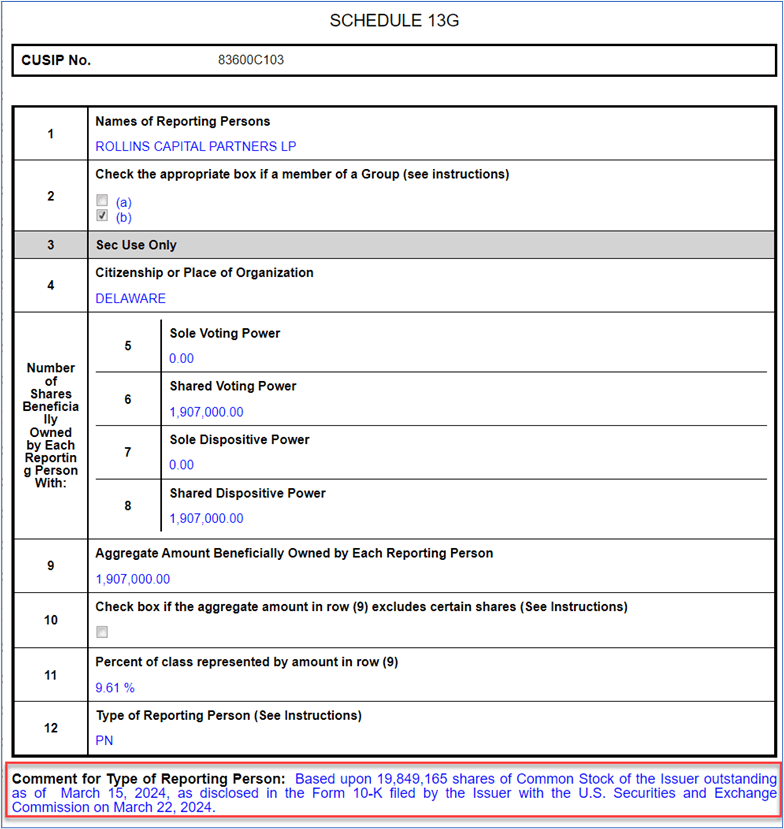
Understanding the SC 13G filing is essential for anyone navigating the realms of personal finance, institutional investing, or corporate governance. It is more than just a bureaucratic hurdle; it is a vital data point that helps investors track “smart money” and assess the stability of a company’s shareholder base.
The Fundamentals of the Schedule 13G
A Schedule 13G filing is often referred to as the “short-form” version of the Schedule 13D. Under Section 13 of the Securities Exchange Act of 1934, any person or group that acquires beneficial ownership of more than 5% of a class of a company’s equity securities must notify the SEC. While both 13D and 13G fulfill this requirement, the 13G is reserved for specific types of investors who lack “activist” intent.
Defining the 5% Threshold
The 5% rule is the primary trigger for a Schedule 13G filing. The SEC established this threshold because a 5% stake is considered significant enough to potentially influence a company’s direction or signal a shift in market sentiment. When an investor crosses this mark, they are deemed a “beneficial owner.” Beneficial ownership does not just mean holding the physical stock certificates; it refers to anyone who has the power to vote the shares or direct their sale.
For the retail investor, seeing a 13G filing is a signal that a major entity—perhaps a mutual fund, an insurance company, or a pension fund—has gained enough confidence in a company to commit substantial capital. Because these filings are public, they allow the broader market to see which stocks are attracting long-term, institutional interest.
Passive vs. Active Intent
The most critical distinction of the SC 13G is the certification of “passive intent.” To qualify for a 13G filing rather than the more rigorous 13D, the investor must certify that the securities were acquired in the ordinary course of business and were not acquired for the purpose of—or with the effect of—changing or influencing the control of the issuer.
If an investor intends to lobby for a seat on the board, push for a merger, or demand a change in corporate strategy, they are disqualified from using Schedule 13G and must file Schedule 13D. The 13G filing is a declaration to the market: “We own a large piece of this company, but we are happy with how things are being run and do not intend to interfere.”
Key Differences Between Schedule 13D and 13G
To fully grasp the significance of a 13G, one must compare it to its “active” counterpart, the 13D. The differences lie primarily in the depth of disclosure and the urgency of the filing timeline.
The Burden of Disclosure
Schedule 13D is often called the “long-form” disclosure. It requires the filer to provide extensive details about their background, the source of their funds, and, most importantly, their “Purpose of the Transaction.” In a 13D, the investor must disclose any plans or proposals they have regarding the company’s future.
In contrast, Schedule 13G is significantly less burdensome. It requires basic information about the filer and the amount of shares held, but it avoids the granular detail regarding the “why” behind the investment. For institutional investors, this is a major advantage. It allows them to maintain a large position without revealing their broader investment strategy or inviting unnecessary scrutiny from the media and corporate management.
Filing Timelines and Deadlines
In 2023, the SEC adopted significant amendments to the filing deadlines for both 13D and 13G to reflect the modern, high-speed trading environment. Historically, 13G filers had a very long window to report their holdings, sometimes only filing once a year.
Under the updated rules:
- Qualified Institutional Investors (QIIs) must file within 45 days after the end of the calendar quarter in which they crossed the 5% threshold, or within five business days after the end of the month in which they crossed 10%.
- Passive Investors (those who aren’t institutions but still lack activist intent) must file an initial Schedule 13G within five business days of acquiring more than 5%.
- Amendments are now required much more frequently. If there is a “material change” in the information previously reported—such as a 1% increase or decrease in ownership—the filer must update their 13G much faster than in previous years.
These tighter deadlines benefit the average investor by providing more timely information about major shifts in a company’s ownership structure.
Who is Eligible to File an SC 13G?
Not every 5% owner can opt for the simpler 13G. The SEC categorizes 13G filers into three distinct groups: Qualified Institutional Investors, Exempt Investors, and Passive Investors.
Qualified Institutional Investors (QIIs)

QIIs represent the bulk of 13G filers. These are entities that are inherently in the business of managing money for others. The list includes:
- Registered broker-dealers
- Banks
- Insurance companies
- Investment companies (Mutual funds)
- Registered investment advisers
- Employee benefit plans and pension funds
Because these entities are already heavily regulated and typically manage thousands of different positions, the SEC allows them to use the 13G form to reduce the administrative burden, provided they maintain their passive stance.
Exempt Investors
Exempt investors are those who acquired more than 5% of a company’s stock through means that did not involve a “purchase” as defined by the SEC, or those who acquired the stock before the company went public. For instance, a founder who owns 20% of a company before its Initial Public Offering (IPO) might file a 13G after the company goes public, provided they do not intend to change or influence control (though many founders are inherently “active” and thus file 13Ds).
Passive Investors
This category covers individuals or entities that do not fall into the QII or Exempt categories but still own between 5% and 20% of a company. These “Passive Investors” can use Schedule 13G as long as they do not have the intent to influence control. However, if a passive investor’s stake exceeds 20%, the SEC generally assumes they have the potential to influence control, and they are typically forced to switch to the more comprehensive Schedule 13D.
Why SC 13G Filings Matter to the Market
For the individual investor or financial analyst, SC 13G filings are a treasure trove of information. They provide a window into the institutional support behind a stock.
Tracking “Smart Money”
Institutional investors—pension funds, endowments, and large mutual funds—often have access to research and analytical tools that the average person does not. When several high-profile institutions file 13Gs for the same stock, it indicates a strong “vote of confidence.” This is often referred to as “smart money” moving into a position.
By monitoring 13G filings, a savvy investor can identify stocks that are becoming “institutional favorites.” High institutional ownership often leads to lower volatility, as these large entities tend to hold their positions for longer periods compared to retail day traders.
Impact on Stock Volatility
The announcement of a new 13G filing can sometimes cause a short-term bump in a stock’s price. Even though the investor is “passive,” the sheer volume of their purchase suggests a bullish outlook. Conversely, if an institution files an amendment showing they have dropped below the 5% threshold, it can signal a cooling of institutional interest, potentially leading to a sell-off.
Furthermore, 13G filings help investors understand the “float” of a stock—the number of shares available for public trading. If 40% of a company is held by 13G filers who are long-term passive holders, the actual tradable float is much smaller, which can lead to higher price sensitivity when demand fluctuates.
The Filing Process and Compliance Requirements
Maintaining a 13G filing is an ongoing commitment. It is not a “one and done” document. Compliance requires vigilant monitoring of share counts and intent.
Amendments and Annual Updates
Filers must update their Schedule 13G whenever there is a material change in the information. A change in the percentage of ownership is the most common reason for an amendment. Under the new SEC rules, even small changes must be reported promptly. If an investor’s ownership percentage increases or decreases by more than 1%, an amendment is typically required.
Additionally, if a filer’s status changes—for example, if a passive investor decides they want to become an activist—they must “convert” their filing.

Switching from 13G to 13D
One of the most significant risks for a 13G filer is the “loss of passivity.” If an investor who previously filed a 13G decides to take an active role in the company (such as proposing a new CEO or pushing for a sale of the company), they must file a Schedule 13D within two business days.
Crucially, there is a “cooling-off period.” Once an investor files a 13D because they’ve abandoned their passive intent, they are typically prohibited from voting their shares or acquiring additional shares for ten days. This rule prevents investors from “sneaking up” on a company and launching a hostile takeover under the guise of a passive 13G filing.
In the world of finance, knowledge is power. The SC 13G filing is a vital tool that levels the playing field, giving every investor insight into the movements of the world’s largest financial players. By understanding who is buying, how much they own, and their intent for the future, you can make more informed decisions about your own portfolio and better navigate the complexities of the modern market.
aViewFromTheCave is a participant in the Amazon Services LLC Associates Program, an affiliate advertising program designed to provide a means for sites to earn advertising fees by advertising and linking to Amazon.com. Amazon, the Amazon logo, AmazonSupply, and the AmazonSupply logo are trademarks of Amazon.com, Inc. or its affiliates. As an Amazon Associate we earn affiliate commissions from qualifying purchases.