
In the vast landscape of culinary ingredients, few terms are as ubiquitous yet as broadly defined as “salad oil.” It’s a phrase we encounter on grocery store shelves, in recipe books, and in everyday kitchen conversations. But what exactly is a salad oil? Is it a specific type of oil, a blend, or simply a designation for oils used in a particular way? Understanding the nuanced definition of salad oil is crucial not just for cooks, but for brands seeking to effectively position their products and for consumers aiming to make informed choices. This exploration delves into the branding and marketing implications of the term “salad oil,” examining how it functions as a category, its perceived qualities, and the strategies brands employ to capture consumer attention within this competitive space.
The Genesis of a Culinary Category: Defining “Salad Oil” Through Market Perception
The term “salad oil” isn’t rooted in a strict scientific or botanical classification. Instead, it emerged as a marketing and culinary convenience, aiming to guide consumers towards oils best suited for dressing salads. This designation, however, is far from uniform and has evolved significantly over time, influenced by changing consumer preferences, ingredient availability, and brand innovation.
A Functional Definition: Oils for Dressing and Beyond
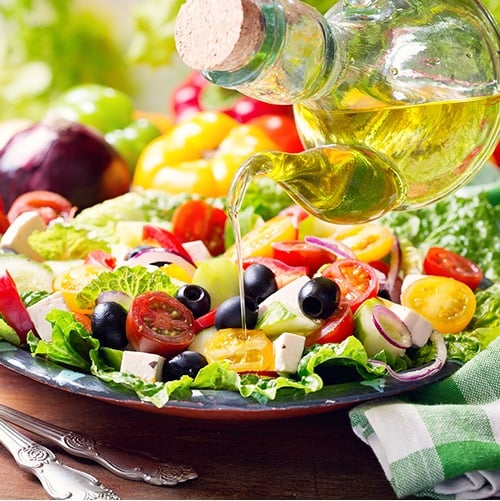
At its core, a salad oil is any edible oil primarily intended for use in salad dressings. This implies certain desirable characteristics: a neutral or subtly pleasant flavor that won’t overpower delicate salad ingredients, a smooth mouthfeel, and often, a light color. Historically, many oils fitting this description were often refined vegetable oils like soybean oil, corn oil, or canola oil. Their neutrality made them versatile, acting as a palatable base for vinaigrettes, creamy dressings, and marinades.
However, the definition is fluid. What one brand might market as a “salad oil” could simply be a generic vegetable oil. Conversely, some premium oils, like a high-quality extra virgin olive oil, are also frequently used in salads, though they might not always carry the “salad oil” label due to their distinct flavor profiles and higher perceived value. The label itself acts as a signifier, suggesting a certain level of quality and suitability without necessarily being prescriptive about the exact botanical source.
The Rise of Branded Blends: Tailoring for Taste and Performance
As the market matured, brands began to recognize the opportunity to create more sophisticated “salad oils.” This led to the development of blended oils, where different components are combined to achieve a specific flavor, texture, or functional performance. For example, a blend might combine a neutral, inexpensive base oil with a smaller percentage of a more flavorful oil, such as extra virgin olive oil or a nut oil, to offer a more complex taste profile at a competitive price point.
These branded blends are powerful marketing tools. They allow companies to differentiate their products by highlighting unique combinations that promise superior flavor, better emulsification in dressings, or even perceived health benefits. The branding around these blends often focuses on aspects like freshness, purity, and culinary expertise, positioning the oil as a key ingredient for achieving restaurant-quality salads at home. The “salad oil” designation, in this context, becomes less about a single ingredient and more about a curated culinary solution.
Branding “Salad Oil”: Strategies for Differentiation in a Crowded Market
The “salad oil” market is characterized by intense competition. Numerous brands, from large multinational corporations to smaller artisanal producers, vie for consumer attention. Effective branding is paramount for standing out and commanding market share. This involves a multi-faceted approach encompassing product design, messaging, and targeted marketing campaigns.
The Power of the Label and Packaging: Communicating Value
The physical presentation of a salad oil is its first point of contact with the consumer. The label and packaging design are crucial for communicating brand identity and perceived value. For instance, a brand aiming for a premium positioning might opt for glass bottles with elegant typography and subtle color palettes, suggesting sophistication and quality. In contrast, a value-oriented brand might utilize larger, more utilitarian plastic containers with bold, clear lettering, emphasizing affordability and accessibility.
The term “salad oil” itself can be further enhanced through descriptive language. Phrases like “light and crisp,” “delicate flavor,” or “perfect for vinaigrettes” are strategically employed to reinforce the product’s intended use and desirable attributes. The origin of the oil, if it’s a single varietal or from a specific region known for quality, can also be a significant branding element, adding a layer of authenticity and perceived superior taste. Transparency about ingredients, especially in an era of increasing consumer awareness about food sourcing, can also be a powerful branding differentiator.
Messaging and Storytelling: Connecting with the Consumer
Beyond the physical product, the narrative surrounding a salad oil plays a vital role in building brand loyalty and preference. Brands often tell stories that resonate with their target audience, focusing on themes such as health and wellness, culinary exploration, or family traditions.
For health-conscious consumers, messaging might highlight the oil’s nutritional profile, such as its monounsaturated fat content or lack of cholesterol. This appeals to a desire for wholesome ingredients that contribute to a balanced diet. For those interested in cooking and entertaining, the brand might position its salad oil as an essential tool for elevating everyday meals, showcasing its versatility in creating delicious and visually appealing dishes. Recipe suggestions, usage tips, and collaborations with food influencers can all contribute to this storytelling, making the brand an integral part of the consumer’s culinary journey. The goal is to move beyond simply selling an oil to selling an experience and a solution for a healthier, more flavorful lifestyle.
Consumer Perception and the Evolving Definition of “Salad Oil”
Consumer understanding and expectation of what constitutes a “salad oil” are not static. They are shaped by a confluence of factors, including education, exposure to different culinary traditions, and the marketing efforts of the brands themselves.
From Basic to Gourmet: A Spectrum of Expectations
For many consumers, especially those with less extensive culinary backgrounds, “salad oil” might still evoke images of basic, neutral-tasting vegetable oils. This perception is often rooted in accessibility and affordability, as these oils are readily available in most households and supermarkets. They are seen as functional, doing their job without adding any pronounced flavor.
However, as culinary trends have become more sophisticated and home cooking has gained popularity, consumer expectations have broadened. There’s a growing appreciation for the nuanced flavors that different oils can bring to a dish. This has led to an increased interest in single-origin olive oils, infused oils, and specialty nut oils, all of which are now frequently used in salads, blurring the lines of the traditional “salad oil” category. Brands that can effectively educate consumers about the unique attributes of these more diverse oils, and how they can enhance a salad, are well-positioned to capture this evolving market.
The Role of Health and Transparency in Brand Choice
In today’s market, health and transparency are increasingly important drivers of consumer choice. This extends to the oils we select for our diets. Brands that can clearly communicate the health benefits of their salad oils, whether it’s a higher smoke point for certain cooking applications or a beneficial fatty acid profile, often gain a competitive edge.
Furthermore, consumers are increasingly scrutinizing ingredient lists. They want to know where their food comes from and how it’s processed. Brands that are transparent about their sourcing, production methods, and any additives can build trust and foster a stronger connection with their customers. For “salad oils,” this might mean highlighting that the oil is cold-pressed, organic, or free from artificial preservatives. This commitment to transparency not only builds credibility but also elevates the perceived value of the product, positioning it as a healthier and more ethical choice within the broader “salad oil” landscape.

Conclusion: “Salad Oil” as a Dynamic Brand Construct
The term “salad oil” is far more than a simple descriptor; it is a dynamic brand construct that encapsulates a range of oils, culinary intentions, and consumer expectations. From its origins as a functional designation for neutral-tasting oils to the modern era of sophisticated blends and specialty varieties, the category has continuously evolved. Brands that thrive in this space are those that understand the power of effective positioning, compelling storytelling, and a keen awareness of shifting consumer desires. By strategically leveraging packaging, messaging, and a commitment to quality and transparency, companies can transform a basic ingredient label into a powerful brand that resonates with consumers, ensuring their “salad oil” remains a staple on kitchens worldwide. The continued innovation and adaptation within this market underscore the enduring importance of understanding how brands shape our perception of even the most fundamental elements of our daily lives.
aViewFromTheCave is a participant in the Amazon Services LLC Associates Program, an affiliate advertising program designed to provide a means for sites to earn advertising fees by advertising and linking to Amazon.com. Amazon, the Amazon logo, AmazonSupply, and the AmazonSupply logo are trademarks of Amazon.com, Inc. or its affiliates. As an Amazon Associate we earn affiliate commissions from qualifying purchases.