
The concept of safeguarding valuables is as old as human civilization itself. From ancient treasuries to modern-day bank vaults, the desire to protect precious possessions from theft, damage, or loss has driven innovation. In contemporary society, the safety deposit box stands as a tangible embodiment of this enduring human need. While the digital realm offers ever-increasing convenience, the physical security provided by a safety deposit box remains an essential tool for individuals and businesses alike, particularly when it comes to managing tangible assets and critical documents. This article delves into the multifaceted nature of safety deposit boxes, exploring their purpose, functionality, benefits, and limitations within the broader context of personal and business finance.
Understanding the Core Functionality of a Safety Deposit Box
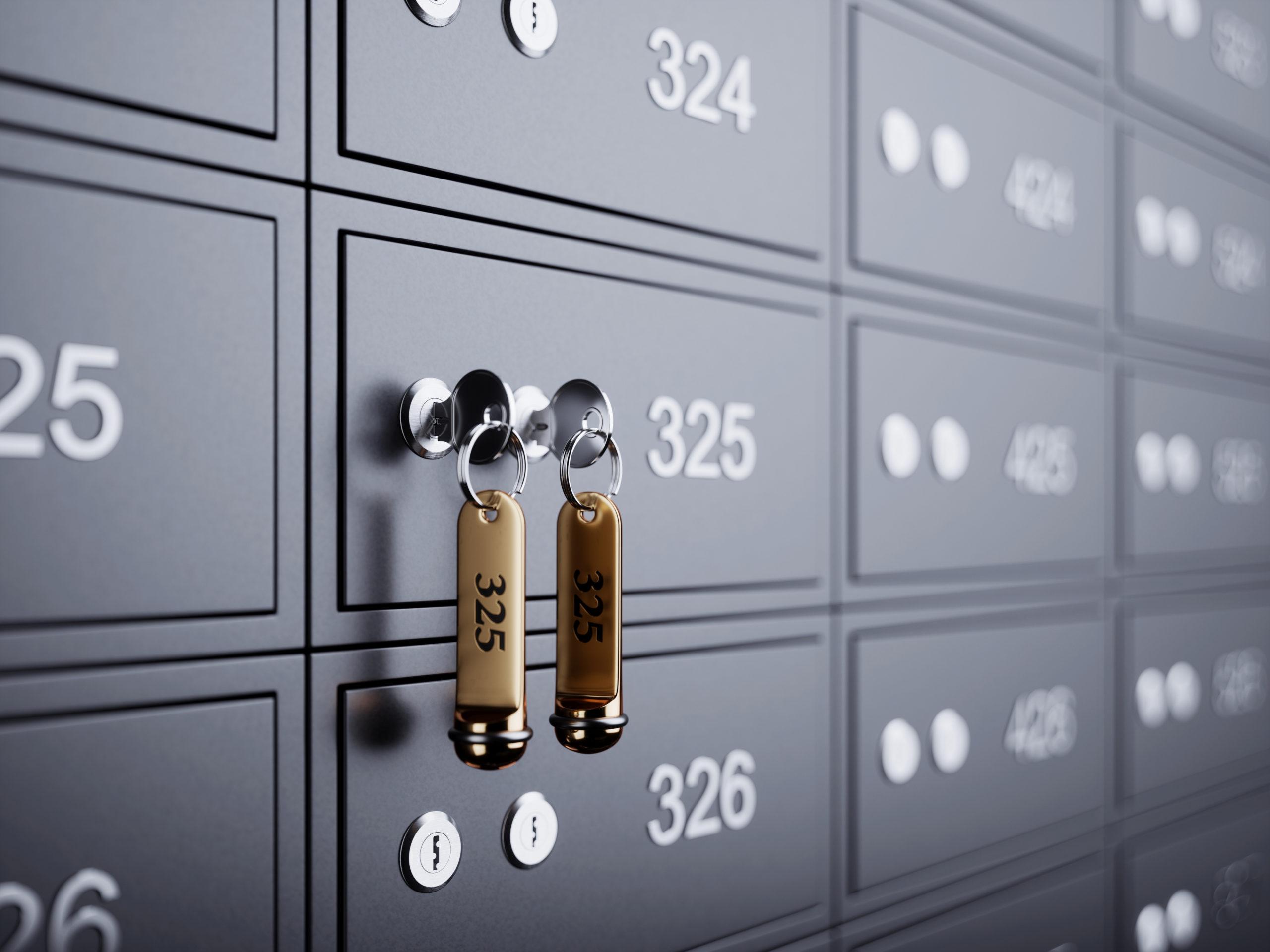
At its most fundamental level, a safety deposit box is a secure, locked container housed within a bank or other financial institution. These boxes are not meant for day-to-day transactions, but rather for the secure storage of items that are of significant value, sentimental importance, or legal necessity. The primary purpose is to offer a layer of protection beyond what a typical home safe or personal vault can provide, leveraging the robust security infrastructure of the institution that houses it.
The Physical Infrastructure and Security Measures
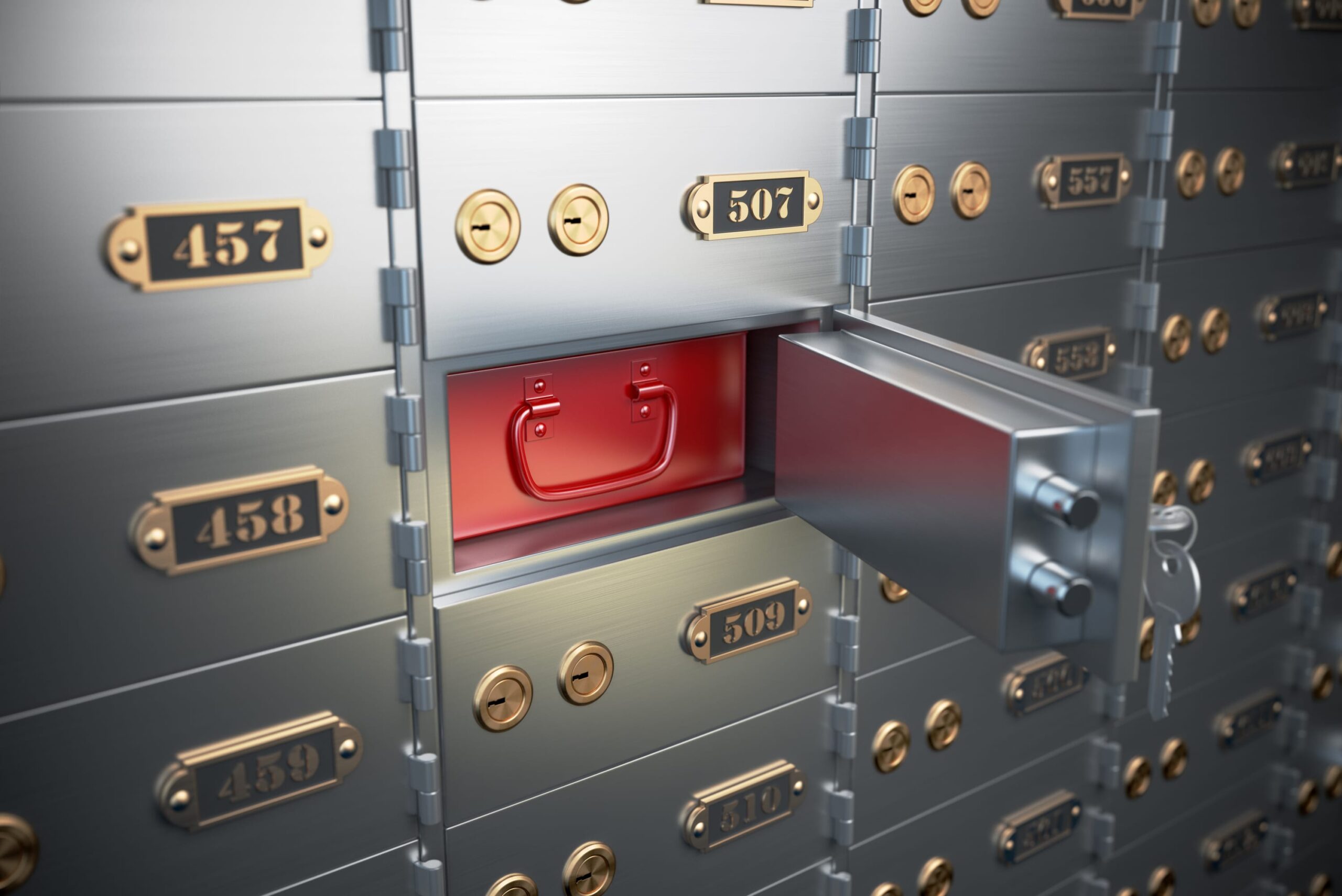
The security of a safety deposit box is not an abstract concept; it’s built upon a foundation of meticulous physical design and stringent operational protocols. The boxes themselves are typically constructed from steel, often reinforced with additional layers of protective material. They are housed within a larger, heavily fortified vault, which itself is a marvel of engineering. These vaults are designed to withstand extreme threats, including fire, flood, and attempted physical breaches.
- Vault Construction: Bank vaults are not simply rooms with strong doors. They are engineered structures designed to resist a variety of physical attacks. This includes thick concrete walls, reinforced steel plating, and often sophisticated alarm systems integrated with local law enforcement. The doors of these vaults are massive, often weighing several tons, and are secured with complex locking mechanisms that require multiple steps or combinations to open, often involving synchronized actions by multiple personnel.
- Individual Box Security: Each safety deposit box is a smaller compartment within this larger vault. These boxes are accessible only through a dual-key system. The customer receives one key, and the financial institution retains a corresponding key. Neither key alone can open the box; both are required to gain access. This ensures that no single individual, not even an employee of the institution, can access the contents of a box without the customer’s presence and consent.
- Surveillance and Access Control: Beyond the physical barriers, advanced surveillance systems are an integral part of safety deposit box security. Motion detectors, cameras, and pressure sensors are strategically placed throughout the vault area and the institution itself. Access to the vault area is strictly controlled, often requiring multiple forms of identification and log-in procedures for both customers and authorized staff. This layered approach to security minimizes the risk of unauthorized entry or tampering.
The Dual-Key System: A Cornerstone of Security and Privacy
The dual-key system is a critical differentiator for safety deposit boxes. It’s designed to provide both security and a clear chain of responsibility. The customer’s key acts as their personal credential, signifying ownership and access rights. The bank’s key, often referred to as the “guard key” or “abbot key,” is essential for the bank to operate the locking mechanism.
- Customer Empowerment: Holding one of the keys empowers the customer with the ultimate control over access to their belongings. The bank cannot unilaterally open a box. Access is always granted on the customer’s terms, during the institution’s operating hours.
- Institutional Responsibility: The bank’s retention of the second key underscores their responsibility to maintain the security of the physical facility and the integrity of the locking mechanism. It also serves as a crucial safeguard in cases where a customer might lose their key – the institution can still facilitate access once the customer’s identity is verified.
- Privacy and Confidentiality: The dual-key system inherently promotes privacy. Unless the customer is present and has their key, the bank’s employees cannot view or access the contents of any box. This is a fundamental aspect of the trust placed in financial institutions for this service.
What Can You Store in a Safety Deposit Box?
The versatility of a safety deposit box extends to the variety of items that can be securely stored within it. While not designed for every conceivable possession, it serves as an ideal repository for documents and valuables that require a higher level of protection than typically afforded by home storage. The decision of what to store often hinges on the item’s importance, its susceptibility to damage, or its legal significance.
Essential Documents and Legal Instruments
For individuals and businesses, certain documents are so critical that their loss or destruction could have severe financial or legal ramifications. A safety deposit box provides a secure haven for these irreplaceable items.
- Wills and Trusts: Storing your original will and any relevant trust documents in a safety deposit box ensures they are protected and accessible to your executor or designated beneficiaries upon your passing. This prevents the potential chaos and distress that could arise from misplaced or destroyed legal documents.
- Powers of Attorney and Advance Healthcare Directives: These important legal documents grant authority to others to act on your behalf in financial or medical matters. Keeping originals in a secure location ensures they are readily available when needed.
- Property Deeds and Titles: For significant assets like real estate or vehicles, original deeds and titles are vital legal proof of ownership. Their protection is paramount.
- Birth, Marriage, and Death Certificates: While many of us have copies, original certificates can be required for various legal and administrative processes.
- Passports and Social Security Cards: While not ideal for frequent access, these vital identification documents can be securely stored when not in use, protecting against identity theft.
Valuables and Sentimental Possessions
Beyond documents, safety deposit boxes are also utilized for the secure storage of tangible assets that hold monetary or sentimental value.
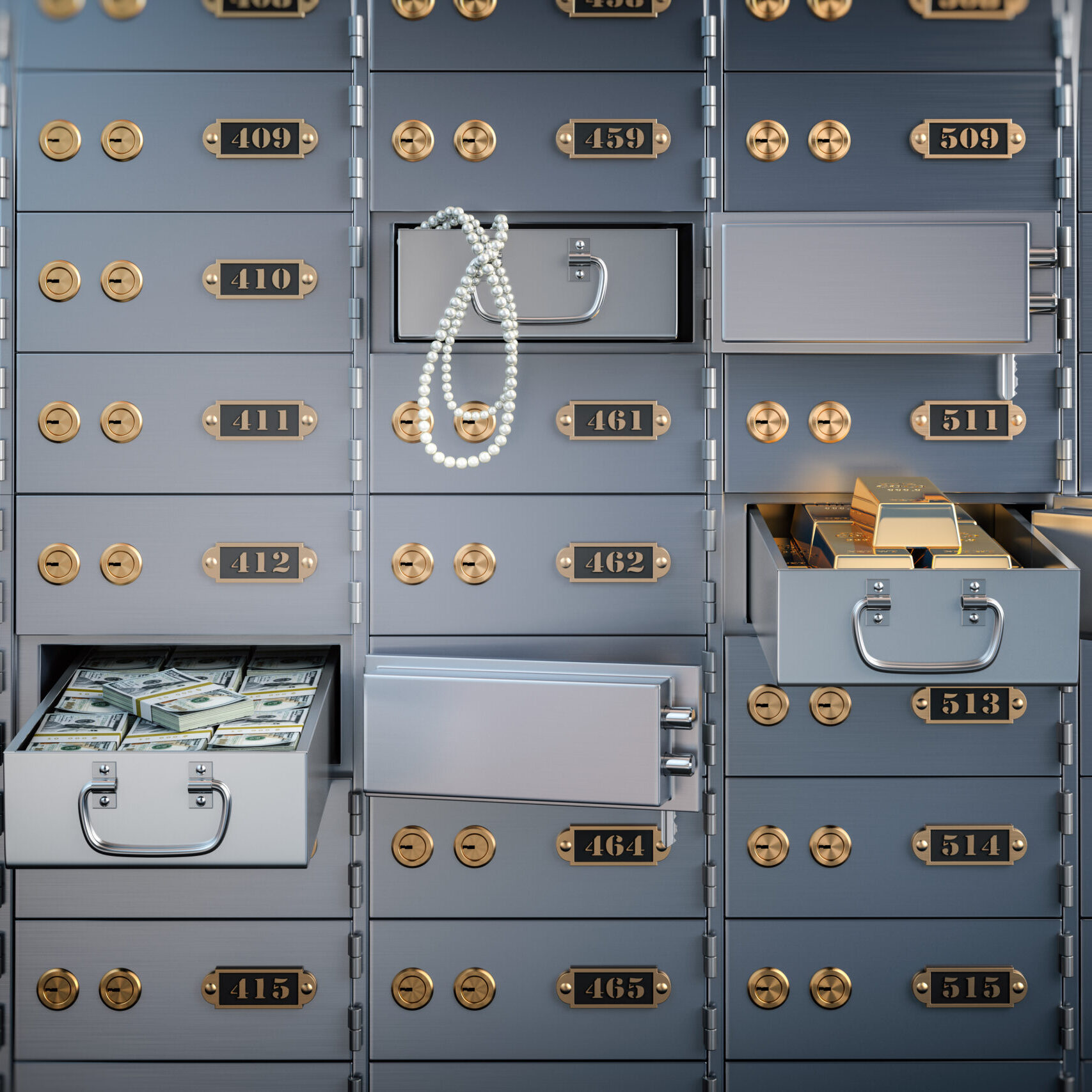
- Jewelry: Expensive jewelry, heirloom pieces, or collections can be safely stored, offering peace of mind from theft or accidental loss. This is particularly relevant for items that are not worn regularly.
- Coins and Stamp Collections: Rare coins or valuable stamp collections are susceptible to damage from environmental factors or theft. A controlled environment within a safety deposit box can help preserve their condition.
- Precious Metals: Small quantities of gold, silver, or platinum bullion can be stored securely.
- Digital Media with Critical Data: While we often think of digital data as being easily backed up, physical storage of drives or other media containing irreplaceable personal or business data can offer an additional layer of security against catastrophic digital failures or cyberattacks.
- Photographs and Heirlooms: For items of deep sentimental value, such as old family photographs or cherished heirlooms, a safety deposit box provides protection against fire, flood, or deterioration that might occur in a home environment.
Benefits of Using a Safety Deposit Box
The decision to rent a safety deposit box is often driven by a clear understanding of the unique advantages it offers over other forms of secure storage. These benefits extend beyond mere physical security, encompassing peace of mind, organizational efficiency, and financial prudence.
Enhanced Security and Peace of Mind
The most prominent benefit is the unparalleled security. The robust infrastructure of financial institutions, combined with the dual-key system and strict access protocols, creates a highly secure environment for your most important possessions. This significantly reduces the risk of theft, damage from natural disasters like fire or flood, and accidental loss. The peace of mind that comes from knowing your irreplaceable items are protected is often a primary driver for choosing this service.
- Protection Against Common Household Threats: Homes, while familiar and comfortable, are vulnerable to a range of threats. Fires can destroy documents and damage valuables. Burglaries can lead to the loss of precious items. Even natural disasters like floods or severe storms can cause irreparable damage. A safety deposit box offers a sanctuary from these risks, as it is typically located in a facility designed to withstand such events.
- Reduced Risk of Identity Theft: Storing sensitive documents like passports, social security cards, and financial statements in a safety deposit box, rather than keeping them at home, can significantly reduce the risk of them falling into the wrong hands and being used for identity theft.
- Mitigation of Accidental Loss: While we strive to be organized, the reality is that important documents or valuable items can be misplaced or accidentally discarded. A dedicated, secure location minimizes this possibility.
Convenience and Accessibility (Within Limits)
While not for daily access, a safety deposit box offers a structured and reliable way to store items that you may need to access periodically but want to keep highly secure the rest of the time.
- Organized Storage: It provides a centralized and organized location for important documents and valuables, making them easier to locate when needed. Instead of searching through multiple filing cabinets or drawers at home, you know exactly where to find your will, property deeds, or heirloom jewelry.
- Accessibility During Business Hours: Financial institutions have established business hours, and access to the safety deposit box area is typically available during these times. This provides a predictable window for retrieval or deposit of items.
- Streamlining Estate Planning: For executors and beneficiaries, having vital documents like wills and deeds stored in one secure location simplifies the complex process of settling an estate.
Cost-Effectiveness for Certain Items
Compared to investing in a high-quality home safe that can offer comparable protection against fire and theft, a safety deposit box can often be a more cost-effective solution, especially for individuals who do not have a large volume of items to store.
- Lower Initial Investment: The cost of renting a safety deposit box is typically an annual fee, which is significantly lower than the upfront purchase price of a robust home safe.
- No Maintenance Required by the User: The financial institution is responsible for the maintenance and security of the vault and the boxes themselves, relieving the user of any associated upkeep responsibilities.
- Insurance Considerations: While the bank does not insure the contents of the safety deposit box, the inherent security measures reduce the likelihood of loss, and individuals may find that their homeowner’s or renter’s insurance provides adequate coverage for items stored off-premises, or they may choose to purchase additional specialized insurance for very high-value items.
Limitations and Considerations of Safety Deposit Boxes
While the benefits of safety deposit boxes are substantial, it is crucial to acknowledge their limitations and to approach their use with a clear understanding of these constraints. These considerations can help individuals make informed decisions about whether a safety deposit box is the right solution for their specific needs.
No Bank Insurance on Contents
A fundamental point of confusion for many is that banks do not insure the contents of safety deposit boxes. The institution provides the physical security and access control, but the responsibility for insuring the items within the box rests entirely with the customer.
- Customer Responsibility for Insurance: If you store valuable jewelry, rare coins, or critical financial documents that would be costly to replace, you must arrange for separate insurance coverage. This might be through an addendum to your homeowner’s or renter’s insurance policy (often called a rider or endorsement) or through a specialized insurance provider.
- Understanding the Bank’s Liability: The bank’s liability is typically limited to the security of the physical vault and the proper functioning of the locking mechanisms. They are not liable for the contents of your box in the event of theft or damage unless it can be proven that their negligence directly caused the loss.
- Theft vs. Natural Disaster: Even in the unlikely event of a vault breach or theft, the bank would not automatically compensate you for your losses without proof of their direct involvement or gross negligence.
Access Restrictions and Emergency Situations
The security measures that make safety deposit boxes so safe also introduce limitations on access, particularly in emergencies or outside of standard business hours.
- Limited Access Hours: As mentioned, access is generally restricted to the operating hours of the financial institution. If an emergency arises outside of these hours – for example, you urgently need a specific legal document or a piece of jewelry for an event – you will not be able to retrieve it until the bank reopens.
- Death of the Box Holder: The process for accessing a safety deposit box after the death of the primary renter can be complex and time-consuming. Banks have specific procedures to verify the death and the identity of the executor or beneficiaries, which often involves providing a death certificate and legal documentation like a will or letters testamentary. This can delay access to essential documents or assets during a sensitive time.
- Lost Keys: Losing your safety deposit box key can be a significant inconvenience. While the bank has a master key, the process of drilling open a box to retrieve its contents is a costly procedure, and the customer will be responsible for the associated fees.
What Cannot or Should Not Be Stored
Certain items are either prohibited by banks or are simply not practical or advisable to store in a safety deposit box.
- Cash: Banks generally prohibit the storage of large amounts of cash. This is for security reasons (as cash is inherently vulnerable) and also because banks themselves are designed to handle cash deposits and withdrawals, making it redundant and risky.
- Perishables and Controlled Substances: Items that can degrade, pose a hazard, or are illegal to possess are strictly forbidden. This includes food items, hazardous materials, firearms (unless legally permitted and declared), and any illegal substances.
- Items Requiring Frequent Access: If you need regular access to an item, a safety deposit box is likely not the best solution. The inconvenience of going to the bank each time you need something can quickly outweigh the security benefits.
- Digital Backups for Immediate Recovery: While storing digital media is possible, if your primary goal is rapid disaster recovery for your digital assets, cloud storage or robust local backup solutions might be more practical, given the access limitations of a safety deposit box.
By understanding these limitations, individuals can strategically utilize safety deposit boxes for what they do best: providing a secure, reliable, and cost-effective solution for safeguarding essential documents and valuables that do not require frequent or immediate access.
aViewFromTheCave is a participant in the Amazon Services LLC Associates Program, an affiliate advertising program designed to provide a means for sites to earn advertising fees by advertising and linking to Amazon.com. Amazon, the Amazon logo, AmazonSupply, and the AmazonSupply logo are trademarks of Amazon.com, Inc. or its affiliates. As an Amazon Associate we earn affiliate commissions from qualifying purchases.