
The landscape of telecommunications has evolved dramatically, moving beyond voice calls to encompass a richer, more inclusive set of communication tools. Among these, Real-Time Text (RTT) calls have emerged as a significant advancement, particularly for individuals who find traditional voice communication challenging. This article will explore what an RTT call is, its underlying technology, its benefits, and its growing importance in fostering digital inclusion.
Understanding the Core Technology of RTT Calls
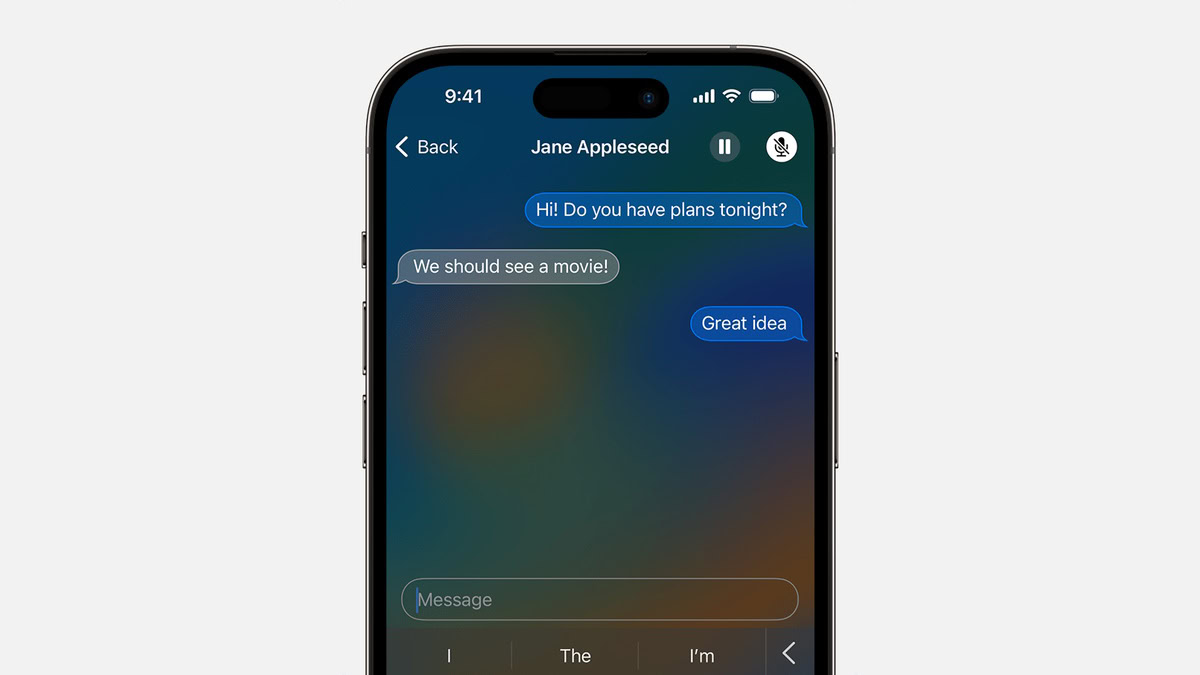
RTT represents a paradigm shift in how we communicate over telephone networks. Unlike traditional methods where messages are sent in discrete blocks after a pause in conversation (like TTY or SMS), RTT transmits characters as they are typed, in real-time, allowing for an immediate, interactive, and seamless communication experience.
The Evolution from TTY and SMS
To grasp the innovation of RTT, it’s essential to understand its predecessors. For decades, individuals with hearing or speech disabilities relied on Telecommunications Devices for the Deaf (TTY) devices. These devices allowed users to type messages that would be transmitted over phone lines. However, TTY communication was slow, asynchronous, and often lacked the fluidity of a live conversation. Messages were sent as complete packets, and responses would only appear after the sender finished typing. This could lead to misunderstandings and a disjointed communication experience.
SMS (Short Message Service), while ubiquitous, also operates on an asynchronous model. Messages are sent and received in separate chunks, and while faster than TTY, it doesn’t offer the real-time, back-and-forth interaction that RTT provides. The user experience is still one of sending and waiting for a reply, rather than a continuous exchange.
How RTT Works: Real-Time Data Transmission
At its heart, RTT leverages the capabilities of modern IP-based (Internet Protocol) telephony. Unlike the circuit-switched nature of older telephone networks, IP networks are designed for efficient, packetized data transmission. When you initiate an RTT call, the devices involved establish a connection that allows for the continuous streaming of text data.
- Character-by-Character Transmission: The defining feature of RTT is that each character you type is sent to the other party almost instantaneously. This means that as you type, the recipient sees your message appearing letter by letter, word by word, in real-time. This creates a sense of immediacy and allows for a more natural conversational flow.
- Simultaneous Voice and Text: A key differentiator of RTT compared to TTY is the ability to use both voice and text concurrently. This opens up a world of possibilities. For instance, a person who is hard of hearing might type a question while still being able to hear the audio from the other party. Conversely, someone who has difficulty speaking might use RTT to convey their thoughts while still being able to hear the responses. This simultaneous capability significantly enhances the flexibility and inclusivity of the communication.
- Protocol Support: RTT is typically implemented using standardized protocols. The most common protocol for RTT is the Session Initiation Protocol (SIP), which is widely used for establishing and managing real-time multimedia sessions, including voice and video calls. RTT functionality is often built into the underlying operating systems and communication applications on smartphones and other devices.
- Network Requirements: For RTT to function effectively, it requires a network that can support low-latency, high-bandwidth data transmission. This is where the transition to IP-based networks, like those used for Voice over IP (VoIP) and mobile data, becomes crucial. Older, analog telephone lines are not equipped to handle the real-time data streaming required for RTT.
Key Benefits and Use Cases of RTT Calls
The introduction of RTT calls has unlocked a wealth of benefits, particularly for users with disabilities, but also for a broader range of communication scenarios. The real-time, simultaneous nature of RTT makes it a powerful tool for enhanced understanding and efficiency.
Enhancing Accessibility for Individuals with Disabilities
RTT is a game-changer for individuals with hearing or speech impairments. It provides a more direct, efficient, and less frustrating way to communicate compared to older technologies.
- For Individuals with Hearing Loss: People who are deaf or hard of hearing can engage in conversations by typing and reading. The real-time aspect allows them to follow the conversation as it unfolds, much like a hearing person would, rather than waiting for complete messages. The ability to also hear the other person’s voice, even if only partially, can provide additional context and nuance.
- For Individuals with Speech Impairments: Those who have difficulty speaking can express themselves clearly and comprehensively through text. The real-time transmission ensures that their thoughts are conveyed immediately, fostering a more natural and less demanding conversational experience. This can be particularly empowering for individuals who may feel self-conscious about their speech.
- For Individuals with Cognitive Disabilities: RTT can also benefit individuals with certain cognitive disabilities who may struggle with the speed and flow of spoken conversation. The ability to read messages at their own pace and compose responses thoughtfully can lead to more effective communication.
- Co-occurring Disabilities: RTT is also highly beneficial for individuals with multiple disabilities. For example, someone who is deaf and has a speech impairment can use RTT as their primary communication method, benefiting from both the text-based interaction and the potential to hear any audible cues.
Beyond Accessibility: Broader Applications of RTT
While accessibility is a primary driver for RTT, its benefits extend to various other situations where real-time text can be advantageous.
- Noisy Environments: In environments with significant background noise, where voice calls can be difficult or impossible to understand, RTT provides a clear and reliable communication channel. Think of a construction site, a busy factory floor, or even a crowded public space.
- Quiet Environments: Conversely, in situations where speaking aloud is undesirable or disruptive, such as in a library, a meeting, or during a late-night call, RTT allows for discreet communication.
- Emergency Situations: In emergencies, when clear communication is paramount, RTT can be a lifeline. It allows individuals to convey critical information quickly and accurately, even if they are unable to speak due to injury, shock, or environmental conditions. For example, a person trapped in a dangerous situation might use RTT to provide their location and describe their predicament without drawing attention.
- International Communication: While not its primary purpose, RTT can also bridge language barriers to some extent, as text can be more easily translated using on-device or external translation tools compared to spoken language in real-time.
- Business and Professional Settings: In certain professional contexts, RTT can enhance efficiency. For instance, during a conference call where participants need to share brief, time-sensitive information without interrupting the main speaker, RTT can be an invaluable tool. This can improve collaboration and reduce miscommunication.
Implementing and Accessing RTT Calls
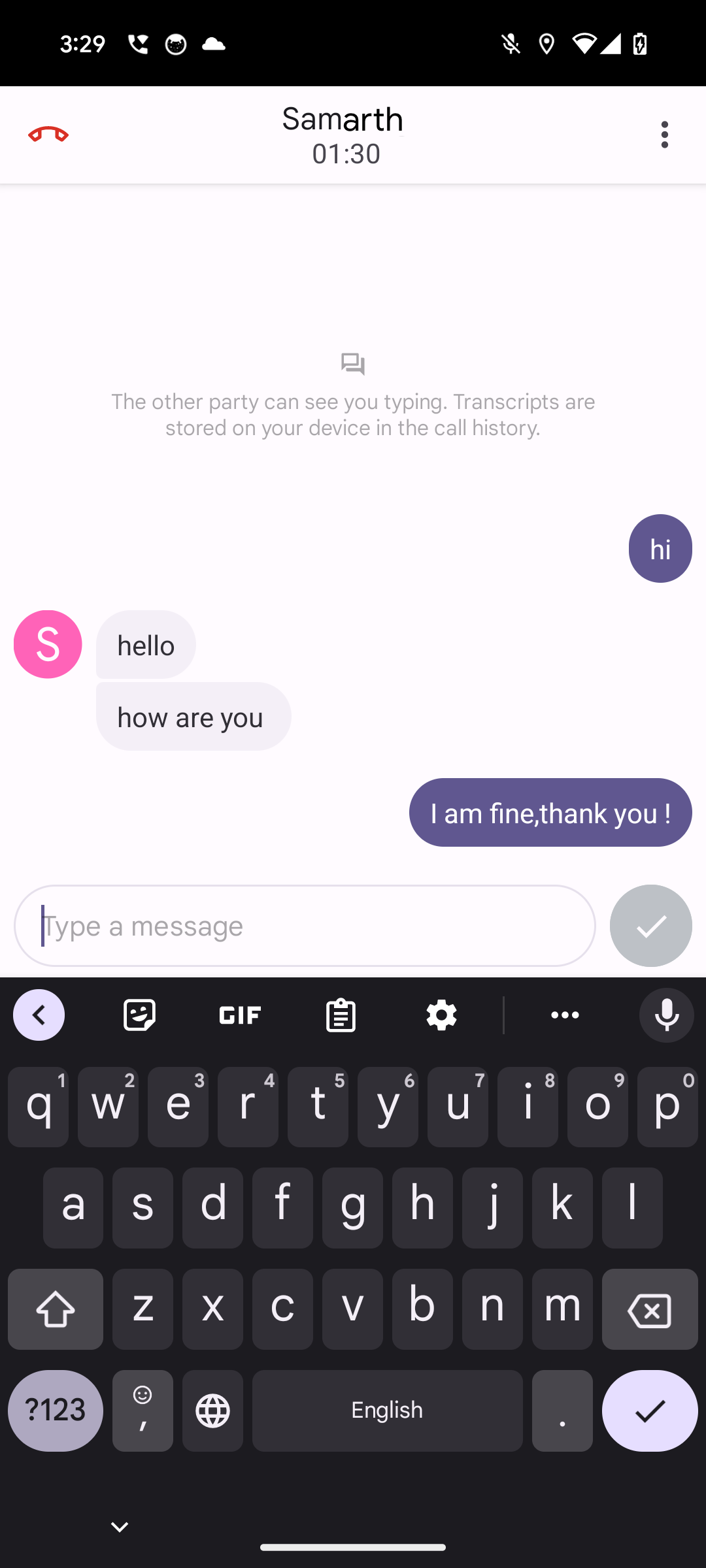
The adoption of RTT is growing, with major mobile carriers and device manufacturers increasingly integrating this technology into their offerings. Understanding how to access and use RTT is becoming increasingly important.
Device and Carrier Support
The availability of RTT is largely dependent on the support provided by both your mobile carrier and your device.
- Mobile Carrier Support: Major telecommunication providers have been rolling out RTT capabilities to their networks. This usually involves enabling the underlying network infrastructure to handle the real-time data packets required for RTT.
- Device Compatibility: Most modern smartphones, particularly those running recent versions of iOS and Android, are equipped with RTT functionality. This is often integrated directly into the native phone application. Manufacturers are increasingly making RTT a standard feature, recognizing its importance for accessibility and broader communication needs.
- Operating System Integration: On platforms like iOS and Android, RTT is typically a setting that can be enabled within the accessibility or phone settings. Once enabled, the RTT option usually appears within the dialer or call interface when initiating a call to another compatible user.
How to Initiate and Use an RTT Call
Initiating an RTT call is generally straightforward, though the exact steps may vary slightly depending on your device and operating system.
- Enable RTT: First, ensure that RTT is enabled in your device’s settings. For example, on an iPhone, you would go to Settings > Accessibility > Hearing Devices > RTT/TTY, and toggle RTT/TTY on. On Android, the path might be Settings > Accessibility > Hearing enhancements or similar, looking for RTT or TTY options.
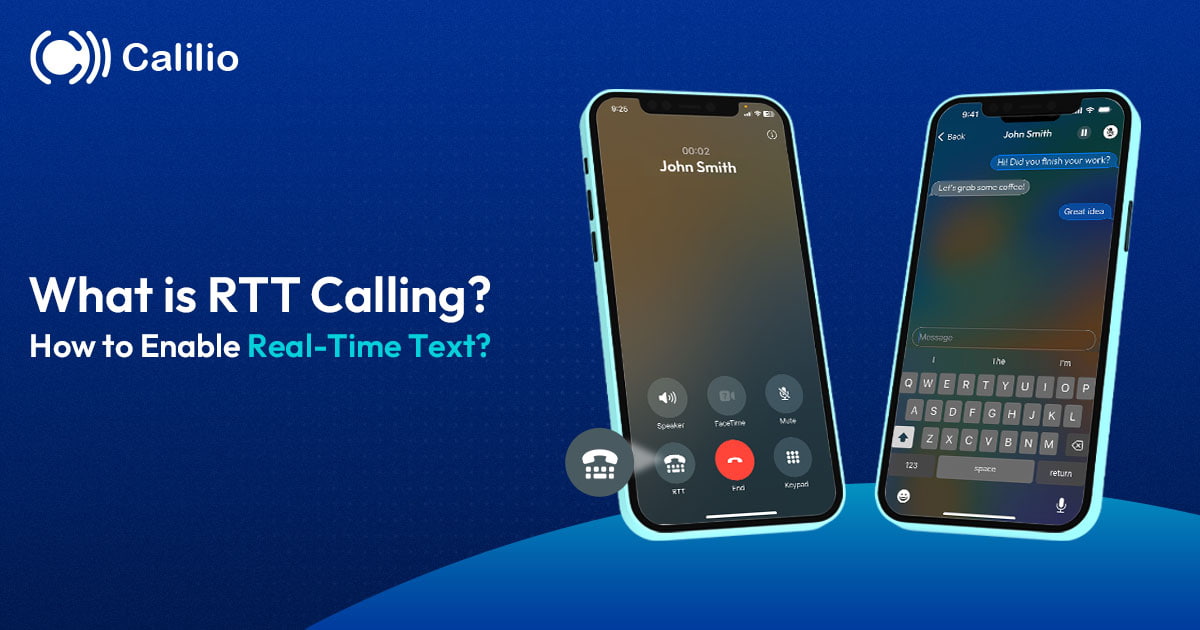
- Dial a Number: Once enabled, when you dial a number or select a contact, you will typically see an option to initiate an RTT call. This might be an “RTT” button that appears alongside or instead of the traditional “Call” button.
- During the Call: Upon establishing the RTT call, a text interface will appear on your screen. You can then begin typing your messages. As you type, the text will be transmitted in real-time to the other party, and their responses will appear on your screen.
- Switching Between Voice and Text: In many RTT implementations, you can choose to use voice and text simultaneously. You might have the option to toggle between speaking and typing, or to use both at once. This flexibility is a key advantage of RTT. For instance, if you are typing a response, you can still listen to the other person’s voice. If you want to speak, you can do so, and your voice will be transmitted audibly.
- Ending the Call: To end the RTT call, simply tap the “End Call” button, just as you would with a regular voice call.
Considerations for RTT Usage
While RTT offers significant advantages, there are a few considerations for users to be aware of:
- Network Dependency: As mentioned, RTT relies on a stable internet connection or modern cellular network. In areas with poor signal strength or unreliable network coverage, RTT performance may be degraded.
- Compatibility: Both parties in an RTT call must have devices and carrier services that support RTT for the feature to work. If one party does not have RTT enabled or their network doesn’t support it, the call may revert to a standard voice call or fail to establish as an RTT call.
- Data Usage: RTT, like other data-based communication, will consume a small amount of data. However, the data usage for text messages is generally very low, making it an efficient option.
- Learning Curve: While intuitive for most users, there might be a slight learning curve for those accustomed only to voice calls. However, the real-time nature of RTT makes it quick to adapt to.
The Future of RTT and Digital Inclusion
Real-Time Text communication is more than just a technological feature; it’s a vital tool for promoting digital inclusion and ensuring that everyone has equitable access to communication. As RTT technology matures and its adoption broadens, its impact on accessibility and communication will continue to grow.
Expanding Availability and Features
The future of RTT looks promising, with ongoing efforts to expand its availability and enhance its capabilities.
- Universal Support: The goal is to see RTT become a universally supported feature across all mobile carriers and device platforms. This will ensure that individuals can communicate with anyone, regardless of their device or carrier.
- Enhanced Features: Future iterations of RTT may include more advanced features, such as integrated translation services, richer text formatting, and even the ability to share multimedia content directly within the RTT interface. Imagine being able to share a photo or a link to a document while in a real-time text conversation.
- Integration with Other Communication Platforms: RTT could be integrated more seamlessly with other communication platforms, such as messaging apps and video conferencing tools, creating a more unified and versatile communication ecosystem.
- Improved User Experience: Ongoing development will likely focus on refining the user experience, making RTT even more intuitive and user-friendly for a wider audience.
RTT’s Role in Bridging the Digital Divide
The digital divide, which refers to the gap between those who have access to technology and those who do not, has many facets. Accessibility is a critical component of this divide. RTT plays a crucial role in bridging this gap by providing essential communication tools to individuals who have historically been underserved by traditional telecommunications.
By enabling seamless real-time text communication, RTT empowers individuals with disabilities to participate more fully in society, access education and employment opportunities, and maintain social connections. It fosters independence and reduces reliance on others for communication.
A More Connected and Inclusive World
Ultimately, the widespread adoption and effective implementation of RTT calls contribute to a more connected and inclusive world. It demonstrates a commitment to leveraging technology not just for innovation, but for social good. As we continue to navigate the evolving landscape of digital communication, RTT stands out as a testament to how technological advancements can be harnessed to ensure that everyone has a voice, and everyone can be heard. The humble RTT call is, in fact, a powerful engine for creating a truly accessible and equitable communication future for all.
aViewFromTheCave is a participant in the Amazon Services LLC Associates Program, an affiliate advertising program designed to provide a means for sites to earn advertising fees by advertising and linking to Amazon.com. Amazon, the Amazon logo, AmazonSupply, and the AmazonSupply logo are trademarks of Amazon.com, Inc. or its affiliates. As an Amazon Associate we earn affiliate commissions from qualifying purchases.