
Recruitment Process Outsourcing (RPO) has become a critical strategic pillar for modern enterprises looking to optimize their talent acquisition lifecycle. As businesses navigate an increasingly competitive global labor market, the traditional approach to hiring—relying solely on internal, generalist HR teams—often falls short. RPO represents a shift toward a managed, scalable, and data-driven approach to sourcing, screening, and onboarding top-tier talent. By externalizing the recruitment function to specialized providers, organizations can transform hiring from a cost center into a strategic competitive advantage.
The Core Concept of Recruitment Process Outsourcing
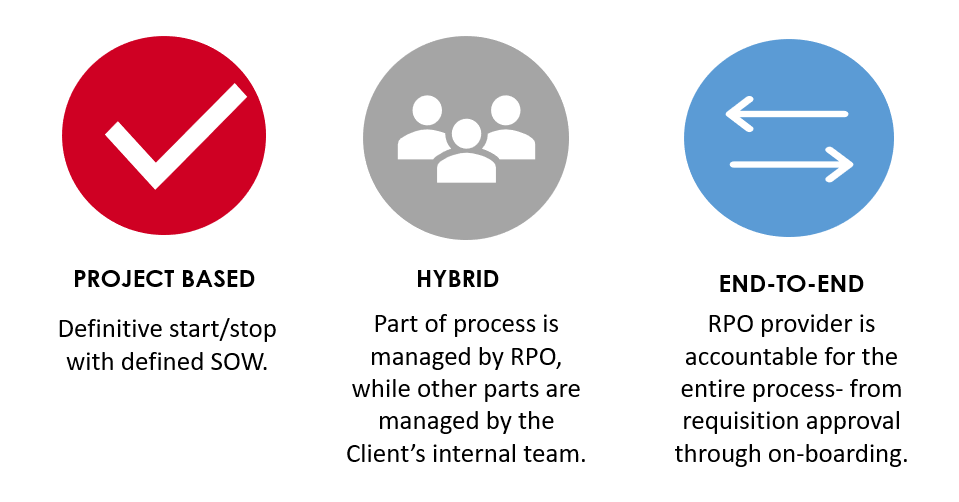
At its fundamental level, RPO is a form of business process outsourcing where an employer transfers all or part of its permanent recruitment process to an external provider. Unlike traditional recruitment agencies that operate on a transactional, contingency-fee basis, an RPO provider functions as an extension of the client’s brand. They embed themselves into the organization’s ecosystem, utilizing the company’s internal branding, processes, and technology stack.
Moving Beyond Transactional Hiring
In a standard contingency recruitment model, firms are incentivized by volume and speed, often focusing on “placing a body in a seat” to collect a commission. RPO is fundamentally different. It is a long-term partnership characterized by a service-level agreement (SLA) that emphasizes quality of hire, time-to-fill, cost-per-hire, and, most importantly, the candidate experience. An RPO provider takes ownership of the entire talent acquisition pipeline, from workforce planning and employer branding to offer negotiation and onboarding integration.
Strategic Scalability
One of the primary drivers for adopting an RPO model is the need for agility. Businesses rarely experience a static hiring volume. Through seasonal peaks, rapid expansion phases, or restructuring, an internal HR team may find itself overwhelmed or underutilized. An RPO solution provides the flexibility to scale the recruitment function up or down as business needs dictate, ensuring that talent acquisition capacity always aligns with the strategic objectives of the corporation.
How RPO Transforms the Talent Acquisition Ecosystem
The integration of an RPO provider creates a holistic environment where recruitment is treated with the same analytical rigor as finance or supply chain management. By leveraging specialized resources, the RPO model enhances several key components of the hiring process.
Advanced Sourcing and Talent Mapping
Internal HR teams often focus on inbound applications—those who see a job posting and apply. RPO providers, by contrast, excel at proactive talent mapping. They use sophisticated data analytics to identify where high-performing talent resides, even if those individuals are not actively looking for a new role. By maintaining robust talent communities and utilizing AI-driven sourcing tools, RPO providers can engage passive candidates, ensuring that the company has access to the best market talent, not just the best applicants.
Data-Driven Decision Making
RPO brings a level of reporting and analytics that many internal departments struggle to maintain. By tracking metrics such as quality-of-hire, source-of-hire, hiring manager satisfaction, and diversity and inclusion (D&I) targets, RPO providers provide leadership with actionable intelligence. This transparency allows for continuous improvement; if a particular channel or interview stage is causing candidates to drop out, the data highlights the bottleneck, allowing for immediate corrective action.
Harmonizing the Candidate Experience
In today’s digital age, the candidate experience is effectively a sub-segment of brand strategy. A disjointed or slow recruitment process can tarnish a company’s reputation. RPO providers bring consistency and standardization to the process. By ensuring that every touchpoint—from the initial outreach to the final offer—is professional, personalized, and efficient, the provider helps preserve and elevate the employer’s brand, increasing the likelihood of securing high-value talent who might otherwise have rejected an offer due to a poor interview process.
Strategic Benefits for the Modern Enterprise
Implementing an RPO model provides measurable ROI that extends beyond simple recruitment savings. It allows leadership to focus on core business competencies while ensuring the “human capital” component of the business is handled by experts.
Reducing Total Cost of Ownership
While there is a cost associated with the RPO management fee, organizations often realize significant savings in the “Total Cost of Ownership” (TCO) for hiring. By reducing time-to-fill, the company minimizes lost productivity associated with vacant roles. Furthermore, by improving the quality of hire, the organization reduces turnover and the subsequent costs of re-hiring, onboarding, and training. RPO providers also leverage economies of scale in job board subscriptions, background check services, and candidate assessment tools, costs that the client no longer needs to bear directly.
Enhancing Compliance and Risk Management
Managing recruitment compliance in a global or multi-state environment is a legal minefield. From data privacy regulations like GDPR to Equal Employment Opportunity (EEO) requirements and local labor laws, the risks of non-compliance are severe. RPO providers are experts in navigating these complexities. They embed compliance into the workflow, ensuring that screening processes, interview notes, and candidate data management meet all legal requirements. This provides a layer of institutional protection for the client company.
Unlocking the Power of Employer Branding
The modern job seeker is a consumer. They conduct research on prospective employers just as they would when purchasing a premium product. RPO providers work closely with the client’s marketing and communications teams to ensure that the employer value proposition (EVP) is consistent and compelling. Whether it is managing social media presence, creating engaging job descriptions, or organizing career events, the RPO provider acts as an architect of the employer brand, ensuring that the organization remains an “employer of choice” in a crowded market.
Challenges and Implementation Considerations
While the benefits are significant, transitioning to an RPO model requires careful planning. It is not a “set it and forget it” solution, but rather a strategic shift in operational philosophy.
Cultural Alignment
The biggest hurdle in RPO adoption is often cultural. An external provider must learn to “speak the language” of the organization. If the RPO team fails to understand the nuance of the company culture or the specific traits that lead to long-term success at the firm, the quality of hires may suffer. Successful RPO partnerships require deep integration, where the provider’s recruiters feel like true members of the client’s team, sharing in the company’s goals and values.
The Role of Technology Integration
For an RPO to be truly effective, the provider must be tightly integrated with the client’s existing technology stack, particularly the Applicant Tracking System (ATS) and Human Resources Information System (HRIS). Data silos prevent the visibility needed for proper reporting and performance management. When selecting an RPO partner, organizations must prioritize providers who have the technological capability to work within the client’s existing digital infrastructure, rather than forcing the client to adopt a new, cumbersome system.

Defining Success Through SLAs
The success of an RPO engagement is dictated by the strength of the Service Level Agreement. It is essential to define success metrics that prioritize business outcomes over vanity metrics. Instead of focusing solely on the number of interviews scheduled, effective SLAs focus on the diversity of the candidate slate, the retention rate of new hires after twelve months, and the agility with which the provider can fill niche or urgent roles. When the client and provider are aligned on these strategic goals, the RPO becomes a powerful engine for organizational growth.
Ultimately, RPO is not merely a method for outsourcing recruitment; it is a strategy for professionalizing the most important process in any business: identifying and acquiring the human talent necessary to innovate, operate, and succeed. By leveraging the expertise, technology, and analytical focus of an RPO partner, enterprises can gain the upper hand in the war for talent, creating a workforce that is not only qualified but perfectly aligned with the company’s long-term vision.
aViewFromTheCave is a participant in the Amazon Services LLC Associates Program, an affiliate advertising program designed to provide a means for sites to earn advertising fees by advertising and linking to Amazon.com. Amazon, the Amazon logo, AmazonSupply, and the AmazonSupply logo are trademarks of Amazon.com, Inc. or its affiliates. As an Amazon Associate we earn affiliate commissions from qualifying purchases.