
In the intricate world of personal finance, a routing number stands as a fundamental pillar, often overlooked yet indispensable for the smooth operation of your checking account. It’s more than just a sequence of digits; it’s a critical identifier that ensures your money goes to the right place, whether you’re receiving your paycheck, paying bills, or making electronic transfers. Understanding what a routing number is, where to find it, and how it functions is paramount for anyone managing their financial life effectively. Without this unassuming nine-digit code, the seamless electronic transactions we’ve come to rely on would simply grind to a halt. This deep dive will illuminate the essential role of routing numbers, equipping you with the knowledge to navigate your banking needs with confidence and security.
The Core Function of a Routing Number in Your Financial Ecosystem
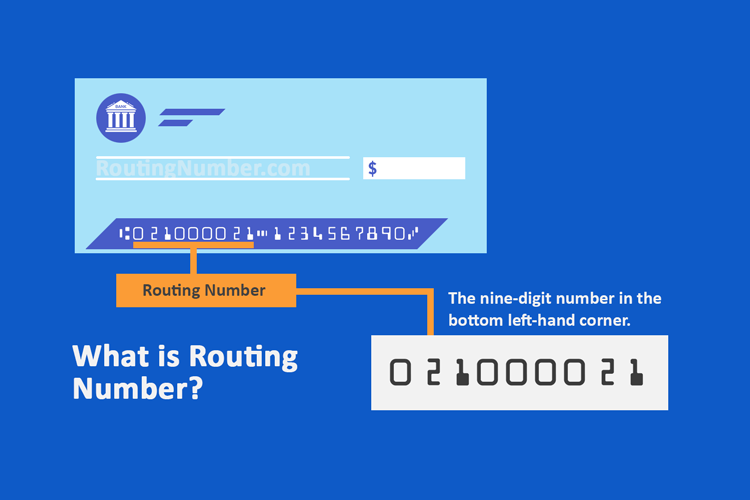
At its heart, a routing number, also known as an ABA (American Bankers Association) routing transit number, is a nine-digit code used to identify your specific financial institution in a transaction. Think of it as the bank’s unique address in the vast postal system of money transfers. When you initiate a transaction, this number tells other banks where to send the funds, ensuring they reach the correct financial entity before being directed to your specific account. This foundational role makes it a cornerstone of modern financial operations, enabling everything from direct deposits to electronic bill payments.
Identifying Financial Institutions with Precision
Every financial institution in the United States that handles transactions has at least one unique routing number assigned to it by the American Bankers Association. Larger banks, especially those operating nationwide or offering a variety of services, might have multiple routing numbers, sometimes based on the geographical region where the account was opened, the type of transaction (e.g., wire transfers versus ACH transfers), or even the specific branch. This system ensures precision. When a payment is sent, the routing number acts as the first filter, directing the funds to the correct bank before the account number then specifies the individual account within that bank. This two-tiered identification process is crucial for preventing misrouted funds and maintaining the integrity of the financial system. For individuals, knowing their bank’s specific routing number is the first step in ensuring their transactions are processed correctly.
Facilitating Electronic Transactions Seamlessly
The advent of electronic funds transfers (EFTs) revolutionized banking, and routing numbers are central to this revolution. They are essential for Automated Clearing House (ACH) transactions, which include most direct deposits, automatic bill payments, and person-to-person transfers like those facilitated by services like Zelle. When your employer sends your paycheck via direct deposit, your bank’s routing number ensures the funds are sent to the correct institution. Similarly, when you set up an automatic utility bill payment, your bank uses its routing number to send the money to the utility company’s bank. This automation, enabled by routing numbers, not only saves time but also significantly reduces the risk of errors associated with manual processing and paper checks, making personal finance management far more efficient and reliable.
Distinguishing from Your Account Number
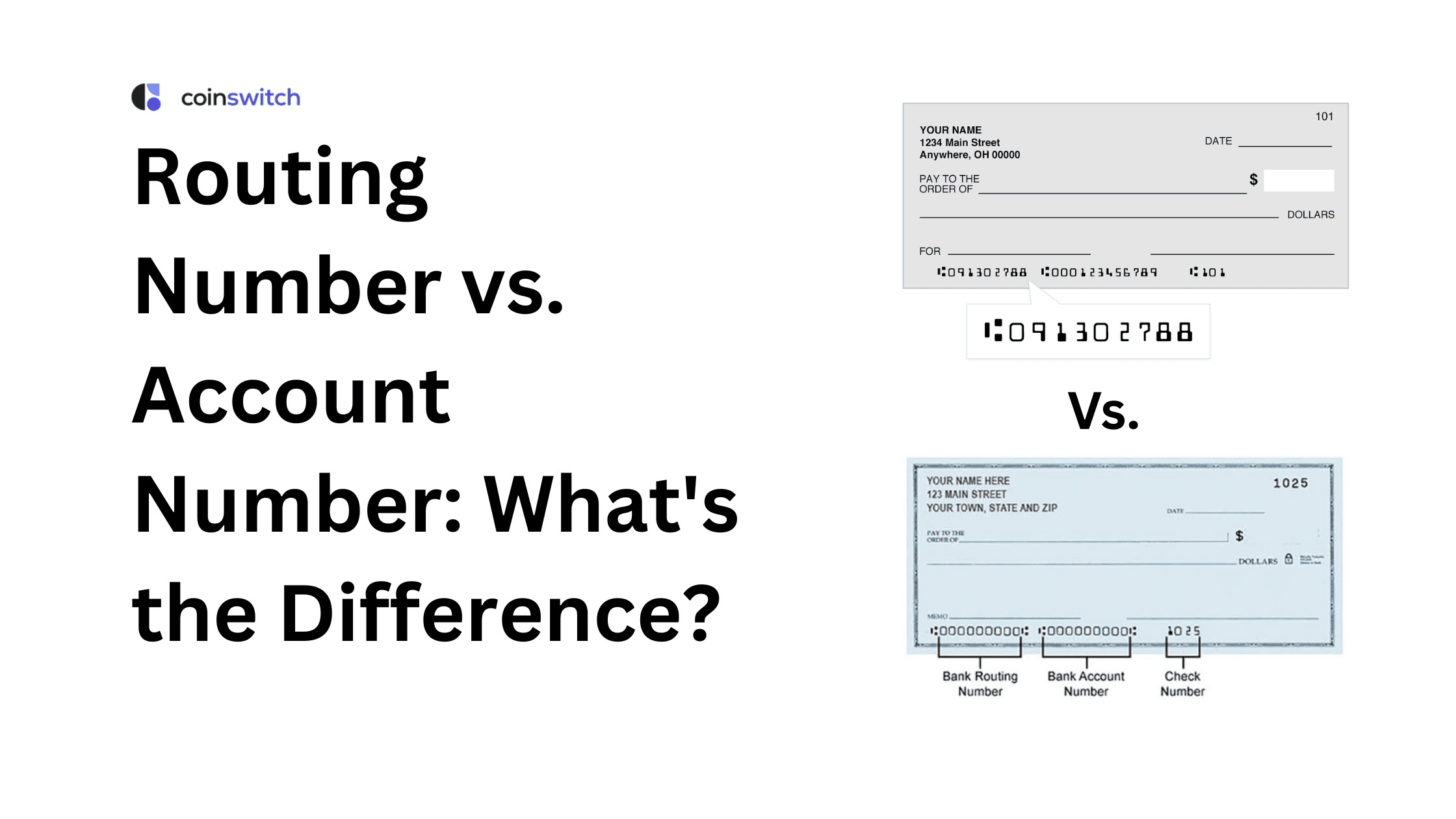
It’s a common point of confusion for many: what’s the difference between a routing number and an account number? While both are vital for financial transactions, they serve distinct purposes. The routing number identifies your bank; the account number identifies your specific account within that bank. Think of it this way: the routing number is the street address of a large apartment building, while your account number is your unique apartment number within that building. You need both to deliver mail to the correct recipient. Sharing one without the other for a transaction is like addressing a letter to “Apartment 5” without a street address – it won’t reach its destination. Never confuse the two, as providing the wrong one can lead to delayed or misdirected funds, requiring time-consuming corrections. Always double-check both when initiating or receiving payments.
Where to Locate Your Routing Number with Ease
Finding your routing number is usually straightforward, but the exact location can vary slightly depending on your bank and preferred method of access. Knowing these common locations will empower you to quickly retrieve the necessary information whenever a financial task demands it. Whether you prefer traditional methods or digital conveniences, your routing number is generally within easy reach.
On Your Checks: The Traditional Method
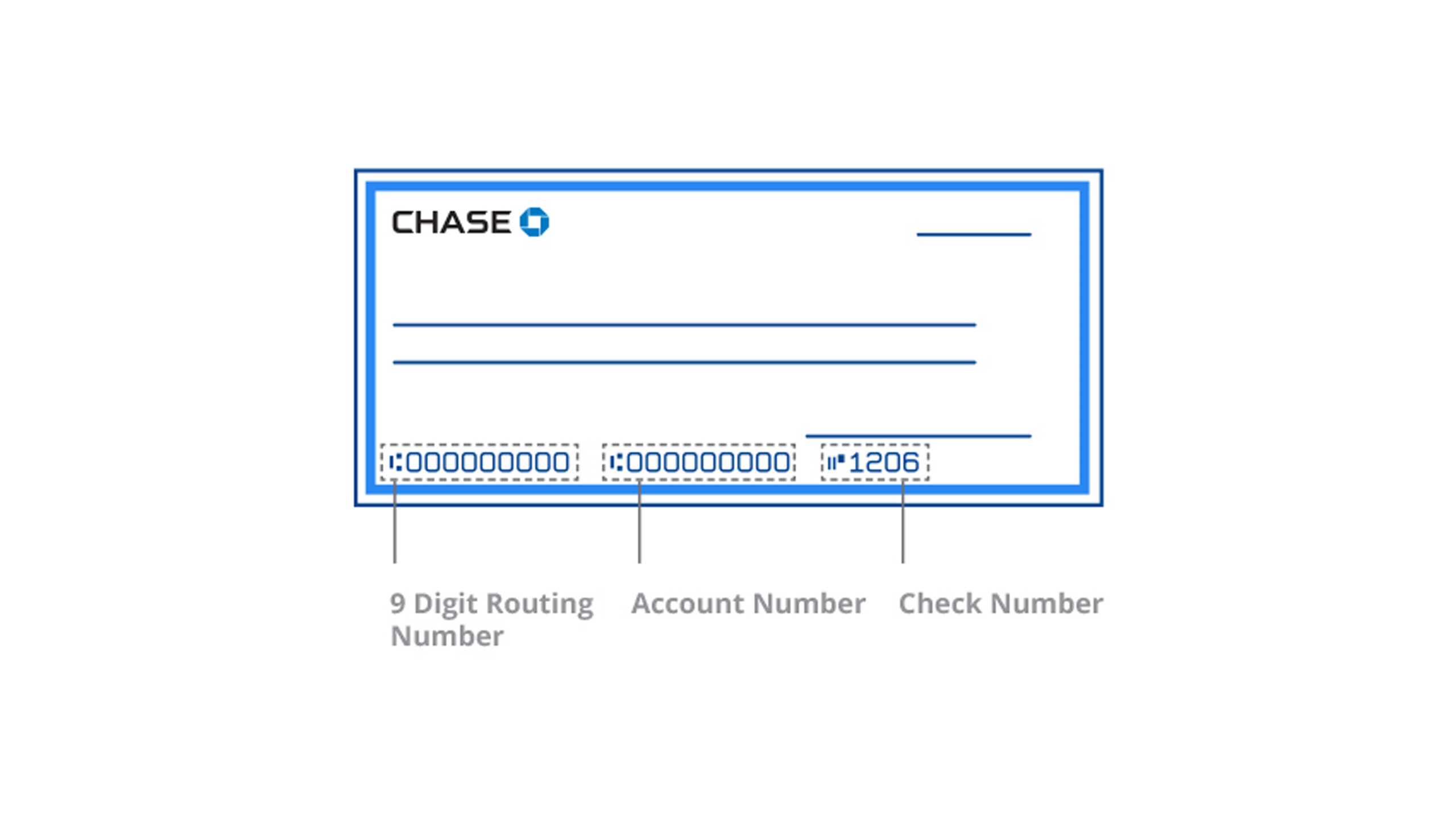
For many, the most familiar place to find a routing number is at the bottom of a physical check. Standard personal checks typically have three sets of numbers printed in magnetic ink (MICR line) along the bottom edge. From left to right, you will usually find:
- The nine-digit routing number: This is the first set of numbers.
- Your account number: This is the second set of numbers.
- The check number: This is the third set, matching the number printed in the top right corner of the check.
It’s important to use a personal check, not a deposit slip, as deposit slips sometimes use a different routing number for internal bank processing rather than standard electronic transactions. Always verify this number, especially if using a new checkbook or if your bank has recently merged.
Through Your Online Banking Portal or Mobile App
In our digital age, online banking has become the primary interface for many people to manage their finances. Most banks provide easy access to your routing number directly within your online banking portal or mobile app. After logging in, navigate to your account details or profile section for your checking account. You will often see the routing number prominently displayed alongside your account number. Some banks might require you to click on “Account Info,” “Details,” or “Statements.” This is often the quickest and most convenient way to find your routing number, especially if you don’t have a physical checkbook handy. Be sure to use official banking apps and secure websites to protect your information.
Contacting Your Bank Directly: When in Doubt
If you’re unable to locate your routing number online or on your checks, or if you simply prefer a direct confirmation, contacting your bank directly is always an option. You can call their customer service line, which is usually available on their website or the back of your debit card. Be prepared to verify your identity with personal information to ensure security. Alternatively, visiting a local branch in person is another reliable method. Bank tellers or customer service representatives can provide you with the correct routing number for your specific account. This method is particularly useful if you have a less common account type or if your bank has multiple routing numbers and you need clarification on which one to use for a specific transaction.
Utilizing the American Bankers Association (ABA) Website
For ultimate verification or if you need to look up a routing number for a financial institution that isn’t your own (e.g., for a payment to a company), the American Bankers Association (ABA) website can be a helpful resource. The ABA is responsible for assigning and managing these numbers. While direct public access to a comprehensive, searchable database might be limited or require specific professional tools, reputable financial websites often host routing number lookup tools that draw from official ABA data. When using third-party tools, always ensure they are from a trusted source to avoid misinformation. It’s important to remember that routing numbers are public information, distinguishing them from your private account number.
Key Uses and Applications in Personal Finance
Understanding where to find your routing number is one thing; knowing its practical applications in your daily financial life is another. This nine-digit code underpins many common transactions, facilitating the movement of money in and out of your checking account. From receiving your salary to paying bills automatically, the routing number is a silent workhorse behind the scenes of modern personal finance.
Direct Deposits: Receiving Your Income Reliably
One of the most common and crucial uses of a routing number is for direct deposits. Whether it’s your salary, government benefits, or tax refunds, direct deposit requires both your bank’s routing number and your specific checking account number. Providing these details to your employer’s HR or payroll department ensures that your funds are electronically transferred directly into your account on payday. This eliminates the need for physical checks, speeds up access to your money, and significantly reduces the risk of lost or stolen payments. It’s a cornerstone of reliable income receipt for millions, highlighting the routing number’s role in consistent personal cash flow.
Automatic Bill Payments and Transfers: Managing Expenses Effortlessly
The convenience of automatic bill payments relies heavily on routing numbers. When you set up recurring payments for utilities, loan installments, or subscriptions directly from your bank account (as opposed to using a debit or credit card), you’ll typically be asked for your bank’s routing number and your account number. This enables the biller to initiate an ACH debit from your account on the due date. Similarly, if you want to set up recurring transfers between your own accounts at different banks, or even transfers to another person’s account at a different institution, the routing number is indispensable for directing those funds. This automation streamlines expense management, helps avoid late fees, and contributes to better financial planning.
Wire Transfers: Expedited Funds Movement
For urgent or larger sum transfers, wire transfers are often used, and they too depend on routing numbers. While domestic wire transfers typically use a standard routing number, some banks might have a specific wire transfer routing number that differs from their general ACH routing number. It’s vital to confirm the correct routing number for wire transfers with your bank, as these transactions are often irreversible once processed. For international wire transfers, an additional identifier called a SWIFT/BIC code is typically required instead of or in addition to a routing number, as the ABA routing number system is specific to the United States. Understanding these nuances is crucial for ensuring funds reach their international destination safely and promptly.
Tax Refunds and Payments: Engaging with Government Finances
When you file your taxes, whether you’re expecting a refund or making a payment, the Internal Revenue Service (IRS) often utilizes routing and account numbers for electronic transactions. Providing your bank’s routing number for direct deposit of your tax refund ensures that your money arrives quickly and securely in your checking account, often much faster than waiting for a paper check. Conversely, if you’re making an electronic tax payment directly from your bank account, you’ll need to provide your routing number to authorize the withdrawal. This interaction highlights how routing numbers facilitate the efficient exchange of funds between individuals and governmental bodies, underpinning critical aspects of personal financial compliance.
Setting Up Payment Apps and Services: Modern Financial Connectivity
In today’s digital landscape, numerous payment apps and services (e.g., PayPal, Venmo, Cash App) integrate with your bank account to facilitate seamless transfers. When linking your checking account to these platforms for funding or withdrawing money, you will invariably be asked for your bank’s routing number and your account number. This connection allows these apps to initiate ACH transactions to move money between your bank account and your app balance. The routing number acts as the crucial bridge, enabling the functionality of these modern financial tools and extending the reach of your checking account into the evolving digital economy.
Safeguarding Your Financial Information
While routing numbers are publicly available and generally considered less sensitive than your account number, safeguarding all your financial information is paramount. Understanding when and how to share your routing number, along with awareness of potential risks, is key to preventing misuse and maintaining the security of your checking account. Responsible handling of this data is an integral part of savvy personal finance management.
When and How to Share Your Routing Number
You should only share your routing number with trusted entities and for legitimate financial purposes. Common scenarios include:
- Setting up direct deposit with your employer.
- Configuring automatic bill payments with utility companies or creditors.
- Initiating ACH transfers to friends, family, or other accounts.
- Linking your bank account to legitimate payment apps or financial services.
- Providing details for tax refunds or government benefits.
Always ensure you are providing this information through secure channels, such as encrypted online forms, official banking portals, or directly to a verified representative. Be wary of unsolicited requests for your routing number, especially via email or unverified phone calls, as these could be phishing attempts.
Risks of Misuse and Fraud Prevention
Although a routing number alone cannot typically grant direct access to your funds, its combination with your account number is powerful. If a malicious actor obtains both, they could potentially initiate unauthorized transactions, such as creating fraudulent checks or setting up unauthorized direct debits. While banks often have fraud detection systems in place, vigilance on your part is essential.
To mitigate risks:
- Monitor your bank statements regularly: Promptly review your checking account activity for any suspicious or unauthorized transactions.
- Be cautious with physical checks: Keep unused checks in a secure place and shred old ones. Avoid leaving them exposed where someone could easily photograph or copy the numbers.
- Use strong, unique passwords for online banking: Enable two-factor authentication whenever possible.
- Be skeptical of requests for information: Legitimate organizations rarely ask for sensitive financial details via unsecure email or unexpected phone calls.
Verifying the Correct Number: A Critical Step
Always double-check the routing number before submitting it for any transaction. A simple typo can lead to significant delays, misdirected funds, and the hassle of reversing transactions. If funds are sent to an incorrect but valid account at a different bank, retrieving them can be a complex and time-consuming process. For direct deposits and critical payments, it’s advisable to cross-reference the number from multiple sources—your check, online banking, and perhaps a quick call to your bank’s customer service if there’s any doubt. This small step of verification can save you immense frustration and potential financial losses, reinforcing the importance of meticulousness in personal finance.
Understanding Routing Number Variations and Specifics
The standard nine-digit routing number might seem universal, but there are subtle variations and specific contexts that can influence its usage. A deeper understanding of these nuances is beneficial for anyone engaging in diverse financial activities, from domestic transfers to more complex banking scenarios, ensuring you always use the correct identifier for your specific needs.
ACH vs. Wire Transfer Routing Numbers
While many banks use the same routing number for both ACH (Automated Clearing House) and domestic wire transfers, it’s not always the case. Some larger financial institutions, particularly those with vast networks or specialized departments, may maintain separate routing numbers: one specifically for ACH transactions and another for wire transfers. Wire transfers typically involve a higher fee and faster processing times, and are often irreversible, making the accuracy of the routing number even more critical. Always confirm with your bank which routing number to use for a wire transfer to avoid delays or misrouting of funds. Misusing an ACH routing number for a wire transfer could result in the transaction being rejected or, in some cases, significantly delayed.
Regional Differences and Bank Mergers
The routing number assigned to your account can sometimes depend on the geographical region where you opened the account, even if your bank operates nationwide. This is particularly true for older accounts or banks that have grown through mergers and acquisitions. When banks merge, their routing numbers may eventually consolidate, but for a transitional period, accounts originating from the acquired bank might retain their original routing numbers. This can lead to different routing numbers existing within the same overarching bank brand. If you’ve moved or your bank has undergone a merger, it’s always wise to verify the correct routing number for your specific account, as the routing number printed on a new checkbook might differ from an older one.
Temporary Checks and Routing Numbers
When you open a new checking account, you might receive temporary checks from the bank until your personalized checks arrive. These temporary checks usually have a routing number and account number printed on them. While these are generally accurate for immediate use, it’s always a good practice to verify these numbers with your online banking portal or a bank representative, especially before setting up crucial direct deposits or automatic payments. In rare instances, particularly with brand-new accounts, there could be a slight difference or a need for initial setup to fully activate all features associated with the routing number. Ensuring the accuracy of these temporary numbers can prevent early-stage financial hiccups.
Conclusion: The Unsung Hero of Your Financial Transactions
The routing number, a simple nine-digit code, is far more than just a sequence of digits; it is the unsung hero of your checking account and a cornerstone of modern personal finance. It is the precise geographical identifier for your financial institution, enabling everything from the direct deposit of your salary to the automated payment of your monthly bills and critical tax transactions. Understanding its function, knowing where to locate it reliably, and recognizing its diverse applications in daily financial life are indispensable skills for effective money management.
While it is a publicly available identifier, its role in combination with your private account number necessitates vigilance and responsible handling. Being aware of best practices for sharing, diligently monitoring your account for suspicious activity, and always verifying the correct number for each transaction are crucial steps in safeguarding your financial well-being.
In an increasingly digital financial world, where money moves with unprecedented speed and efficiency, the routing number remains a constant, ensuring that every electronic transfer reaches its intended destination securely and accurately. Embrace this fundamental piece of financial knowledge, and empower yourself to navigate the complexities of your checking account with confidence and peace of mind. Your financial stability, in many subtle ways, begins with understanding this vital number.
aViewFromTheCave is a participant in the Amazon Services LLC Associates Program, an affiliate advertising program designed to provide a means for sites to earn advertising fees by advertising and linking to Amazon.com. Amazon, the Amazon logo, AmazonSupply, and the AmazonSupply logo are trademarks of Amazon.com, Inc. or its affiliates. As an Amazon Associate we earn affiliate commissions from qualifying purchases.