
In the intricate world of travel, few concepts are as foundational yet misunderstood as the round trip plane ticket. More than just a pair of flights, a round trip ticket is a pivotal financial product, central to personal and business finance when planning travel. It represents a bundled transaction for air travel from an origin city to a destination city and back to the original origin city, typically on the same airline or partner carriers. For the financially savvy traveler, comprehending the nuances of a round trip ticket is not just about convenience; it’s about strategic financial planning, cost optimization, and risk management. This deep dive will explore the economic underpinnings, financial advantages, and strategic considerations that make the round trip ticket a cornerstone of prudent travel budgeting.
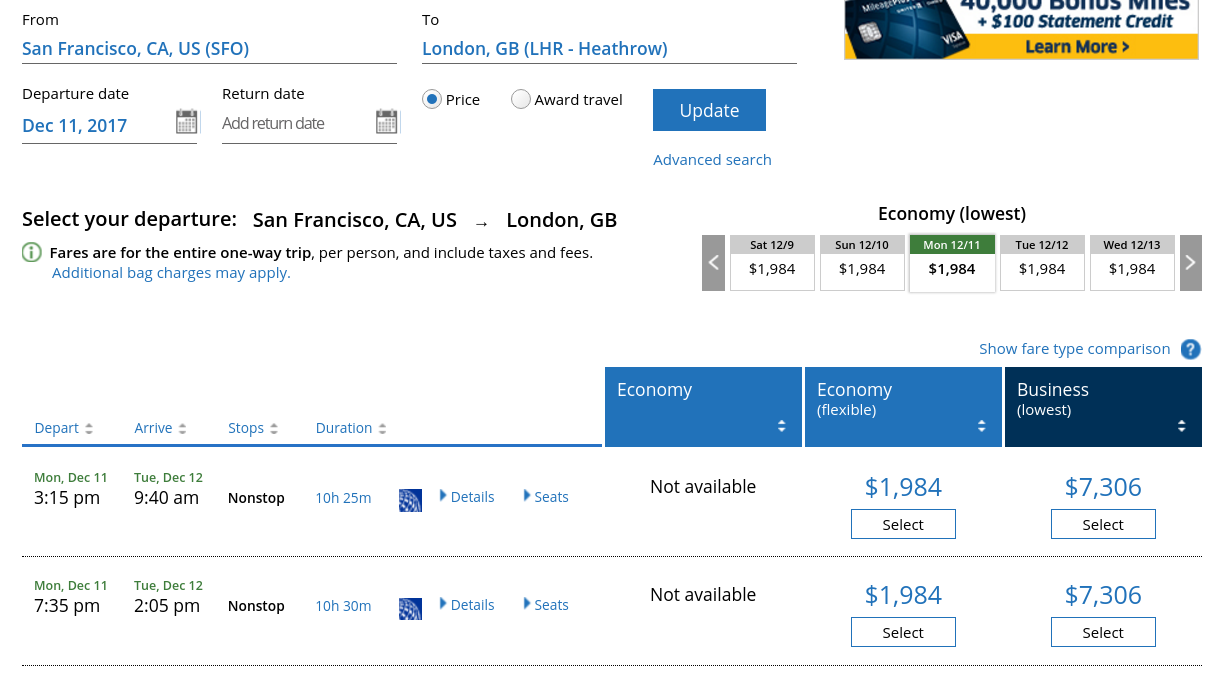
Decoding the Economics of Round Trip Airfare
At its core, a round trip plane ticket is a financial instrument designed to simplify and often reduce the cost of air travel for journeys with a defined start and end point in the same location. Its economic structure is a fascinating interplay of airline pricing strategies and traveler demand.
The Core Financial Definition
A round trip ticket is a single financial purchase that encompasses two distinct flight segments: an outbound journey from point A to point B, and a return journey from point B back to point A. While the physical travel occurs in two parts, the transaction is usually unified, reflecting a commitment from the traveler to utilize both legs of the journey. This bundling is often the key to its financial appeal, presenting itself as a cohesive package rather than two independent expenditures. From a financial perspective, it provides a clear, upfront cost for the entire transportation component of a trip, simplifying budgeting and expense tracking.
Pricing Mechanics: Why Round Trips Are Often Cheaper
The primary financial incentive for booking a round trip ticket is often the significant cost savings compared to purchasing two separate one-way tickets. This pricing disparity stems from sophisticated airline yield management strategies. Airlines employ complex algorithms to maximize revenue per seat, taking into account factors like demand, competition, booking patterns, and the perceived value of different itineraries.
When you book a round trip, you’re providing the airline with a more predictable revenue stream and occupying seats that they can manage more effectively within their network. This predictability allows airlines to offer a discount on the bundled fare, as it helps them forecast demand, optimize load factors, and reduce the financial risk of unsold seats on return legs. For the consumer, this translates into a tangible financial benefit: a lower overall expenditure for the complete journey than if each segment were priced individually. This economic model rewards certainty and commitment from the traveler.
Cost Comparison: Round Trip vs. One-Way Tickets
Understanding the financial rationale behind choosing a round trip versus one-way tickets is crucial for optimizing travel expenditure. While round trips are typically more cost-effective for a traditional out-and-back journey, there are specific scenarios where one-way tickets might be financially superior.
- Round Trip Advantage: For most leisure and business travelers returning to their origin, the round trip offers clear financial benefits. The bundled pricing usually results in a lower per-segment cost, making it the default economic choice. It also simplifies the financial transaction and budgeting process.
- One-Way Utility: One-way tickets can be financially advantageous in situations requiring extreme flexibility or unusual itineraries. For instance, if you’re uncertain about your return date, flying into one city and out of another (an “open-jaw” itinerary where you might travel between the two cities by ground), or relocating permanently, purchasing two one-way tickets might offer better financial flexibility, even if the individual segments appear more expensive upfront. Budget airlines, in particular, often price one-way fares more competitively, sometimes making two one-ways comparable or even cheaper than a traditional legacy carrier’s round trip, though this requires careful comparison. The key here is to assess the trade-off between the potential cost savings of a round trip and the financial value of flexibility provided by one-way tickets.
Financial Planning and Budgeting with Round Trip Tickets
Beyond the initial purchase price, a round trip ticket significantly impacts a traveler’s financial planning and overall budget. Its characteristics lend themselves to better predictability, but also necessitate a keen awareness of ancillary costs and international financial considerations.
Predictive Cost Control
One of the most significant financial advantages of a round trip ticket is the predictive cost control it offers. By securing both the outbound and return segments in a single transaction, travelers lock in the transportation cost upfront. This eliminates the uncertainty of fluctuating prices for a return leg purchased separately at a later date, which could be subject to last-minute price hikes due to demand surges or limited availability. For personal budgeting, this allows for a fixed, known expenditure for flights, making it easier to allocate funds for accommodation, activities, and other travel expenses without the looming worry of a costly return journey. For businesses, it aids in accurate expense forecasting and adherence to travel budgets, preventing unexpected overspending.
Hidden Costs and How They Impact Your Budget
While the base fare of a round trip ticket might seem appealing, it’s imperative for financial planning to account for “hidden” or ancillary costs that can significantly inflate the total expenditure. These are not typically included in the advertised ticket price but are essential for a complete understanding of your travel budget. Common examples include:
- Baggage Fees: Checked baggage fees are standard across most airlines, and they can add a substantial amount to your trip, especially if you have multiple bags or overweight luggage. Carry-on luggage may also incur fees on basic economy fares.
- Seat Selection Fees: Many airlines charge for advanced seat selection, particularly for desirable seats like those with extra legroom or aisle access.
- In-Flight Services: Meals, snacks, beverages, Wi-Fi, and entertainment options (beyond basic offerings) often come with an additional charge.
- Change/Cancellation Fees: As discussed later, altering a round trip ticket can incur significant penalties.
Failure to factor these into your initial budget can lead to financial surprises and exceed your planned expenditure. Astute travelers will research these costs beforehand, integrating them into the total financial outlay for the trip.
Currency Exchange and International Round Trips
For international round trips, an additional layer of financial consideration is currency exchange. When purchasing a ticket in a currency different from your home currency, exchange rates can impact the final cost. Moreover, while traveling, managing money in the local currency of your destination, and potential changes in exchange rates during your trip, can affect your overall financial well-being. Using credit cards with no foreign transaction fees, understanding dynamic currency conversion, and planning for cash needs are critical financial safeguards. Booking international round trips well in advance can also mitigate risks associated with sudden, unfavorable shifts in exchange rates, effectively locking in a rate at the time of purchase.
Optimizing Your Round Trip Investment: Strategies for Maximizing Value
Securing a round trip ticket is one thing; optimizing its value is another. This requires a strategic approach, leveraging market dynamics, fare structures, and financial tools to ensure you get the most out of your travel investment.
The Art of Timely Booking: Financial Sweet Spots
The timing of your round trip purchase is one of the most critical factors influencing its cost. Airlines operate on dynamic pricing models, meaning prices fluctuate constantly based on demand, capacity, and various other factors. There are widely recognized “sweet spots” for booking:
- Domestic Flights: Typically 1 to 3 months out.
- International Flights: Often 3 to 6 months out.
Booking too early might miss future sales, while booking too late almost guarantees higher prices due to limited availability. Travelers should also be aware of seasonality; peak travel periods (holidays, summer vacations) will inherently command higher prices. By understanding these financial patterns and aiming for off-peak travel when possible, travelers can significantly reduce their round trip expenditure. Financial analysis of past flight data and trends can provide valuable insights into optimal booking windows for specific routes.
Navigating Fare Classes and Their Monetary Value
Not all round trip tickets are created equal, even on the same flight. Airlines categorize tickets into various “fare classes” (e.g., Basic Economy, Economy, Premium Economy, Business, First Class), each with different price points and associated benefits or restrictions. Understanding these fare classes is vital for financial decision-making:
- Basic Economy: The lowest-priced option, often with significant restrictions like no seat selection, no changes, no refunds, and limited baggage allowance. While financially attractive upfront, these restrictions can lead to substantial additional costs if plans change.
- Standard Economy: Offers more flexibility, such as paid seat selection, and sometimes allows for changes with a fee. It’s a balance between cost and flexibility.
- Premium Economy/Business/First Class: These tiers command significantly higher prices but offer enhanced comfort, services, and flexibility (e.g., complimentary baggage, lounge access, free changes/cancellations). The financial decision here involves weighing the monetary cost against the value of comfort and amenities for a specific trip.
Financial prudence dictates selecting a fare class that aligns with both your budget and your expected travel needs, rather than simply opting for the cheapest upfront price.
Leveraging Financial Tools: Price Alerts and Aggregators
In the digital age, numerous financial tools exist to help travelers secure the best price for their round trip tickets.
- Flight Aggregators (e.g., Google Flights, Skyscanner, Kayak): These platforms allow you to compare prices across multiple airlines and online travel agencies (OTAs) simultaneously, providing a comprehensive financial overview of options.
- Price Alert Services: Many aggregators offer the ability to set price alerts for specific routes and dates. You receive notifications when the fare for your desired round trip drops, enabling you to act quickly to secure a better financial deal.
- Incognito Mode/VPNs: While debated, some travelers believe browsing in incognito mode or using a VPN can prevent dynamic pricing algorithms from raising prices based on repeated searches. While not a guaranteed financial saving, it’s a simple step some take.

These tools empower consumers to make financially informed decisions, ensuring they don’t overpay for their round trip airfare.
The Strategic Use of Loyalty Programs and Credit Card Rewards
For frequent travelers, loyalty programs and credit card rewards can transform round trip bookings from an expenditure into an investment, yielding future financial benefits.
- Airline Loyalty Programs: Earning miles or points on round trip flights can lead to free future flights, upgrades, or other travel perks, effectively reducing future travel costs. Strategic selection of airlines for loyalty can consolidate earnings.
- Travel Credit Cards: Many credit cards offer substantial sign-up bonuses and ongoing rewards for travel spending. Using these cards to book round trip tickets can accumulate points redeemable for flights, hotel stays, or statement credits, directly lowering future travel expenses. Some cards also offer benefits like free checked bags, travel insurance, or lounge access, providing significant monetary value.
Integrating these financial strategies into your travel planning can lead to substantial long-term savings and enhanced travel experiences.
Managing Financial Risk: Changes, Cancellations, and Insurance
Life is unpredictable, and travel plans can change unexpectedly. Understanding the financial implications of altering or canceling a round trip ticket, and how to mitigate those risks, is a critical component of responsible financial travel planning.
Understanding Airline Change/Cancellation Fee Structures
Round trip tickets, while offering financial savings upfront, often come with stringent change and cancellation policies that can have significant financial consequences. Most airlines charge a fee to change flight dates, times, or routes. These fees can range from modest to substantial, sometimes exceeding the value of the original ticket, especially for basic economy fares where changes may be prohibited entirely. Cancellation policies also vary: some tickets are non-refundable, while others may offer a partial refund or a travel credit (often with an expiry date) after deducting a cancellation fee. It’s paramount to review these policies carefully before purchasing, as the financial cost of flexibility (or lack thereof) is embedded in the ticket’s terms.
Travel Insurance: A Financial Safety Net?
For many, travel insurance represents a prudent financial investment, acting as a safety net against unforeseen circumstances that could disrupt their round trip plans. Policies can cover a range of events, including:
- Trip Cancellation/Interruption: Reimburses non-refundable costs (like your round trip ticket) if your trip is canceled or cut short due to covered reasons (illness, natural disaster, job loss).
- Medical Emergencies: Covers emergency medical treatment abroad, which can be an immense financial burden without insurance.
- Baggage Loss/Delay: Provides compensation for lost or delayed luggage.
The financial decision to purchase travel insurance hinges on assessing the monetary value of your trip versus the cost of the premium and your personal risk tolerance. For expensive round trip tickets or travel to destinations with high medical costs, the investment in insurance often outweighs the potential financial loss.
Securing Refunds and Credits
Navigating the process of securing refunds or credits for a canceled or changed round trip ticket can be complex and financially frustrating. If an airline cancels or significantly delays your flight, you are generally entitled to a full refund, regardless of the ticket’s original terms. However, if you initiate the change or cancellation, the outcome depends entirely on your fare class and the airline’s policy. For non-refundable tickets, you might receive a travel credit (minus fees), which ties your future travel spending to that specific airline. Understanding your consumer rights and airline contractual obligations is vital for maximizing financial recovery in these situations.
Credit Card Protections and Trip Interruption Benefits
Many premium credit cards offer built-in travel protections that can act as a secondary layer of financial security for your round trip ticket. These benefits often include:
- Trip Cancellation/Interruption Insurance: Similar to standalone policies, these can reimburse you for non-refundable expenses if your trip is affected by covered reasons, provided you paid for the trip with that card.
- Baggage Delay/Loss Insurance: Offers compensation if your luggage is delayed or lost.
- Rental Car Insurance: Provides primary or secondary coverage for damage or theft to rental vehicles.
Leveraging these existing credit card benefits can save you the cost of purchasing separate travel insurance, or provide additional coverage, further enhancing the financial security of your round trip investment. Review your credit card’s guide to benefits to understand what protections are available.
Advanced Financial Maneuvers in Round Trip Travel
For the financially astute and adventurous traveler, there are several advanced strategies that can further optimize the value of a round trip plane ticket, though some come with their own set of risks and complexities.
Open-Jaw and Multi-City Tickets: Balancing Flexibility and Cost
While a standard round trip goes A-B-A, an “open-jaw” ticket allows you to fly from A to B, but return from C back to A, or fly from A to B and return from B to C. A “multi-city” ticket allows for even more complex itineraries, stringing together multiple destinations. From a financial perspective, these can be incredibly valuable:
- Cost Savings: Instead of buying separate one-way tickets or backtracking, open-jaw and multi-city options can sometimes be cheaper than a standard round trip, especially when combined with ground travel between cities.
- Optimized Travel Time: Reduces redundant travel and saves money on transport between the “jaw” points.
These options require careful financial planning to compare against individual one-way tickets or standard round trips, ensuring the integrated itinerary provides the best overall monetary value and efficiency.
The “Hidden City” Tactic: Financial Gains vs. Risks
A controversial but sometimes financially advantageous tactic involves “hidden city” ticketing. This strategy involves booking a round trip (or one-way) flight to a destination beyond your actual desired city, with a layover in your true destination. The traveler then disembarks at the layover city and forfeits the remaining segment. The financial rationale is that flights with a layover might sometimes be cheaper than direct flights to the layover city itself due to airline pricing structures.
However, this tactic comes with significant financial and logistical risks:
- Baggage Issues: Checked bags will typically go to the final destination, making this tactic unsuitable for travelers with luggage.
- Airline Penalties: Airlines strongly discourage this practice and can penalize travelers, potentially by canceling future flights on the same ticket, revoking frequent flyer miles, or even banning them from the airline.
- No-Show Clauses: If you miss a segment of your flight, airlines typically cancel all subsequent segments without refund, potentially leading to financial loss for any return portions of a round trip.
While a tempting financial arbitrage, the risks generally outweigh the rewards for most travelers, particularly given the potential for significant financial loss and inconvenience.
Business Finance and Round Trip Bookings
For corporate entities, round trip plane tickets are a fundamental component of business finance and expense management. Companies often have strict travel policies dictating fare classes, booking channels, and approval processes to control costs.
- Expense Reporting: Round trip bookings simplify expense reporting as a single transaction covers the entire air travel component.
- Budget Adherence: Predictive pricing helps businesses stick to allocated travel budgets.
- Tax Implications: Business travel expenses, including round trip airfare, are often tax-deductible, requiring meticulous record-keeping.
- Corporate Travel Programs: Many businesses leverage corporate travel programs and direct airline contracts to secure negotiated rates, further optimizing the financial outlay for employee round trip travel.
Understanding the unique financial landscape of business travel is crucial for companies seeking to manage operational costs effectively.

Conclusion
A round trip plane ticket is far more than just a means of transport; it is a significant financial transaction demanding careful consideration, strategic planning, and a deep understanding of its economic implications. From the inherent cost savings often associated with bundled fares to the complexities of ancillary fees, fare classes, and cancellation policies, every aspect has a monetary dimension. By leveraging financial tools, understanding market dynamics, and proactively managing risks with insurance and credit card benefits, travelers can transform the seemingly simple act of booking a flight into an optimized financial investment. The financially savvy traveler doesn’t just buy a ticket; they invest in a journey, ensuring that every dollar spent maximizes value, minimizes risk, and ultimately contributes to a well-managed travel budget.
aViewFromTheCave is a participant in the Amazon Services LLC Associates Program, an affiliate advertising program designed to provide a means for sites to earn advertising fees by advertising and linking to Amazon.com. Amazon, the Amazon logo, AmazonSupply, and the AmazonSupply logo are trademarks of Amazon.com, Inc. or its affiliates. As an Amazon Associate we earn affiliate commissions from qualifying purchases.