
In an era defined by digital transformation, the landscape of personal finance and investing has undergone a profound metamorphosis. At the forefront of this revolution stands Robinhood, a fintech company that burst onto the scene with a disruptive proposition: commission-free stock trading. For many, a “Robinhood account” has become synonymous with democratized investing, offering unprecedented access to financial markets for a new generation of investors. More than just a brokerage account, it represents a paradigm shift, challenging the traditional fee structures and complex interfaces that once characterized the investment world. Understanding what a Robinhood account entails requires a deep dive into its core functionalities, the financial tools it provides, and its profound impact on personal finance strategies. This article will explore the intricacies of Robinhood accounts, from their foundational principles to the practicalities of their use, providing a comprehensive guide for anyone looking to navigate the modern investment landscape.

Understanding Robinhood’s Core Offering
At its heart, a Robinhood account is an investment brokerage account offered by Robinhood Markets, Inc. Its primary distinction when it launched was the elimination of commissions for trading stocks, exchange-traded funds (ETFs), and options. This single innovation reshaped the retail investment industry, forcing established players to follow suit and fundamentally altering how individuals approach their personal finance and investment goals.
The Genesis of Commission-Free Trading
Prior to Robinhood’s emergence in 2013 (with its app launching in 2015), the norm in the brokerage industry involved per-trade commissions, often ranging from $5 to $10 or more. While this might seem negligible for large, infrequent trades, it presented a significant barrier for smaller investors, those looking to trade more frequently, or individuals wanting to diversify with smaller sums across many assets. Robinhood’s founders recognized this friction point and leveraged technology to create a business model that could sustain commission-free trading. Their revenue generation shifted from direct trading fees to other sources, primarily payment for order flow (PFOF), interest on uninvested cash, and premium subscription services like Robinhood Gold. This strategic pivot opened the floodgates for millions of new investors, many of whom were previously priced out or intimidated by the traditional brokerage model. The platform’s commitment to accessibility, combined with an intuitive mobile-first design, made investing feel less like an exclusive club and more like an everyday activity, seamlessly integrated into one’s digital life.
Demystifying the Investment Account
A Robinhood account functions much like any other brokerage account, but with key differentiators in user experience and fee structure. When you open a Robinhood account, you’re essentially setting up a digital gateway to various financial markets. It allows you to hold a diverse portfolio of assets, execute trades, and manage your investment capital. The account is typically an individual taxable brokerage account, meaning profits (and losses) from your investments are subject to capital gains taxes. Robinhood also offers a cash management account feature, which provides a competitive interest rate on uninvested cash, akin to a high-yield savings account, offering an additional financial tool within the same ecosystem. Unlike some traditional brokerages that might offer a dizzying array of account types (e.g., various IRAs, 529 plans), Robinhood initially focused on simplifying the experience around a core, straightforward investment account, broadening its offerings over time to include more advanced features and asset classes, thus catering to a wider spectrum of personal finance needs.
Key Features and Investment Opportunities
Beyond its headline-grabbing commission-free model, a Robinhood account comes packed with features designed to simplify investing and appeal to a broad demographic, from novice investors to those seeking more advanced trading tools. Its emphasis remains firmly on providing accessible financial tools for managing personal finance and building wealth.
Diverse Asset Classes for Every Investor
One of the strengths of a Robinhood account lies in its breadth of investment options, catering to different risk appetites and investment strategies within the “Money” domain.
- Stocks and ETFs: The cornerstone of Robinhood’s offering, allowing users to buy and sell shares of individual companies and exchange-traded funds. The platform supports both full-share and fractional-share investing, a crucial feature for new investors or those with limited capital. Fractional shares enable investors to buy a portion of a high-priced stock, making expensive blue-chip companies accessible with as little as $1. This significantly lowers the barrier to entry for diversification.
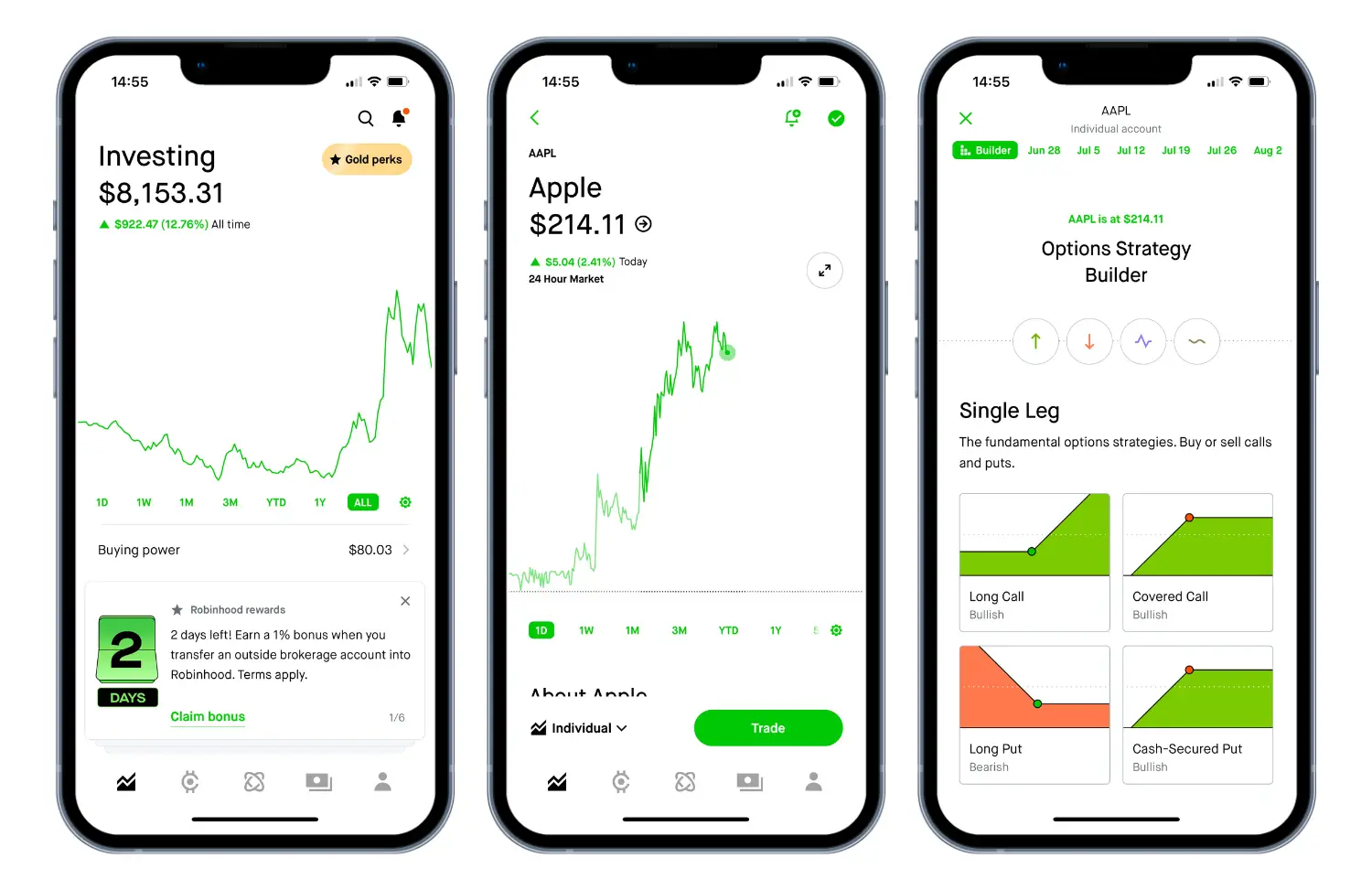
- Options Trading: For more experienced investors, Robinhood provides access to options contracts, which can be used for speculation or hedging. The platform offers various strategies, though it requires an application process and approval to ensure users understand the inherent risks associated with options trading.
- Cryptocurrency: Robinhood was one of the first mainstream investment platforms to offer commission-free trading of select cryptocurrencies, including popular ones like Bitcoin, Ethereum, and Dogecoin. This feature broadened its appeal to a younger, more tech-savvy demographic interested in digital assets as part of their investment portfolio.
- Gold and Silver (via ETFs): While direct commodity trading isn’t available, investors can gain exposure to precious metals through various ETFs listed on the platform, integrating traditional hedges into a modern portfolio.
Beyond Trading: Cash Management and Other Services
A Robinhood account is not solely about buying and selling; it’s also evolving into a more holistic financial management tool.
- Cash Management: This feature allows users to earn interest on their uninvested cash, often at competitive rates, while still having immediate access to those funds for trading or spending. It effectively bridges the gap between a checking account and a brokerage account, offering a convenient way to manage liquidity and earnings.
- Robinhood Gold: This premium subscription service offers additional benefits for a monthly fee. These often include higher interest rates on uninvested cash, instant deposits up to a larger amount, and access to Morningstar research reports, providing more in-depth insights for investment decisions. Crucially, Robinhood Gold also offers margin investing, allowing eligible users to borrow money against their portfolio to increase their purchasing power, a feature for experienced investors fully aware of the amplified risks.
- IRA Accounts: In a significant expansion aimed at long-term wealth building, Robinhood recently introduced Roth and Traditional IRA accounts. This move directly addresses a common criticism—that Robinhood primarily catered to short-term trading—and positions it as a more comprehensive platform for retirement planning and tax-advantaged investing within personal finance.
- Learning Resources: Recognizing its user base often includes new investors, Robinhood provides a wealth of educational content, including articles, guides, and market news, to help users understand investment concepts and make informed financial decisions.
Navigating the Robinhood Platform
The user experience (UX) of the Robinhood platform is central to its appeal. Designed with simplicity and intuitiveness in mind, it aims to demystify the investment process and make financial markets accessible to everyone, regardless of their prior experience with financial tools.
Account Opening and Funding Process
Opening a Robinhood account is designed to be a streamlined digital process, typically taking only a few minutes.
- Eligibility: Applicants must be at least 18 years old, have a valid Social Security number, and reside in the U.S.
- Application: The process involves providing personal details such as name, address, date of birth, and employment information. Identity verification is a crucial step, often requiring uploading a photo of a government-issued ID.
- Funding: Once the account is approved, users can link their bank account (via ACH transfer) or deposit funds via wire transfer. Robinhood offers instant deposit features for smaller amounts, allowing users to begin trading almost immediately while larger deposits are still pending bank verification. This speed significantly enhances the user experience, particularly for those eager to capitalize on market movements or fund their investment journey quickly. For Robinhood Gold members, instant deposit limits are substantially higher, providing greater flexibility.
Executing Trades and Managing Your Portfolio
The Robinhood app and web interface are renowned for their clean design and ease of use, making portfolio management and trade execution straightforward.
- Placing Orders: To buy or sell an asset, users simply search for the desired stock, ETF, or cryptocurrency. They can then choose between various order types:
- Market Order: Buys or sells at the best available current price.
- Limit Order: Buys or sells at a specific price or better.
- Stop Order: Triggers a market order when a specified stop price is reached.
- Stop Limit Order: Combines features of stop and limit orders for more precise control.
The process is typically a few taps or clicks, reinforcing the platform’s mobile-first philosophy.
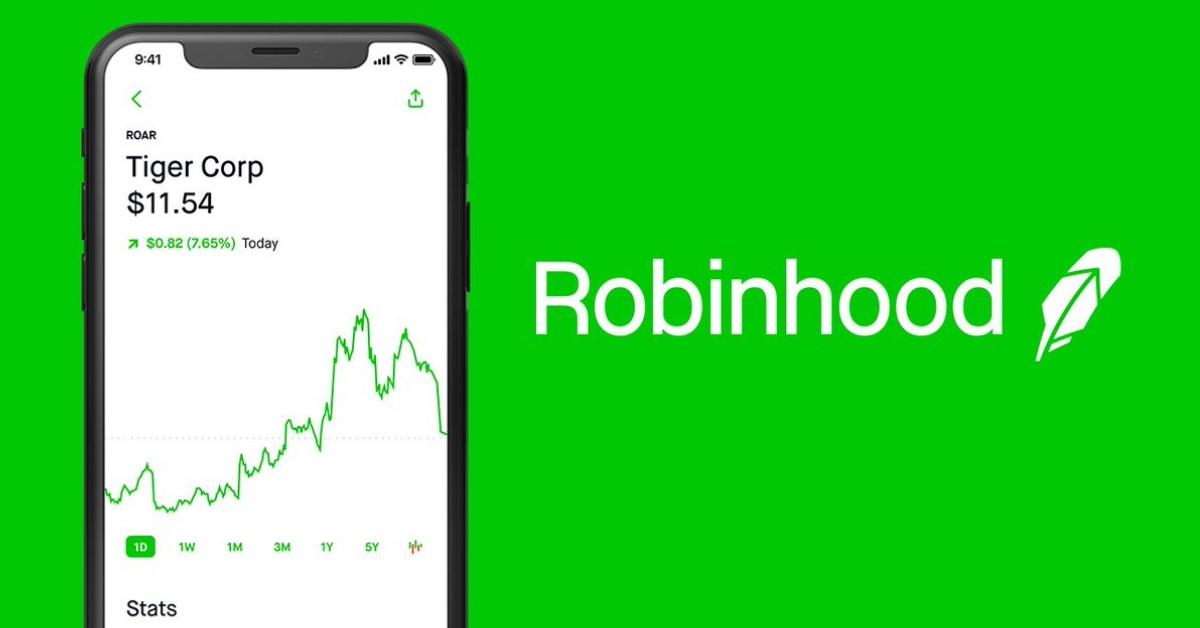
- Portfolio Tracking: The home screen of a Robinhood account provides a clear overview of the user’s portfolio performance, showing total value, daily gains/losses, and historical performance. Users can drill down into individual holdings to see specific details, news, and research.
- Watchlists and Alerts: Investors can create customized watchlists to monitor potential investments and set up price alerts to be notified when an asset reaches a certain threshold, aiding in timely decision-making. These features collectively empower individuals to manage their investment capital more effectively and react proactively to market changes.
Advantages and Considerations for Investors
While a Robinhood account offers compelling advantages, particularly for new investors and those seeking cost-effective financial tools, it also comes with its own set of considerations that potential users should understand before committing their investment capital.
The Allure of Accessibility and Simplicity
The primary draw of a Robinhood account lies in its unprecedented accessibility and user-friendly design.
- Commission-Free Trading: This remains the single most significant advantage, making investing more affordable for everyone, especially those with smaller portfolios or who wish to employ dollar-cost averaging strategies with frequent, small investments. It allows investors to keep more of their money working for them, rather than being eroded by trading fees.
- Low Barrier to Entry: With fractional shares and no minimum deposit requirements for opening an account (though minimums apply to certain features like margin), Robinhood has made financial markets accessible to individuals who might otherwise have felt excluded due to financial constraints.
- Intuitive User Interface: The app’s design is highly praised for its simplicity, making it easy for beginners to navigate. Educational resources further support new investors in understanding the basics of personal finance and investing.
- Mobile-First Experience: Catering to a digitally native generation, Robinhood’s mobile app offers a seamless and engaging experience, allowing investors to manage their portfolios anytime, anywhere.
Weighing the Risks and Understanding the Nuances
Despite its advantages, a Robinhood account also presents certain considerations that investors, particularly new ones, must be aware of.
- Limited Customer Service: While Robinhood has improved its customer support, it historically relied heavily on email support, which could be a point of frustration for users needing immediate assistance, especially during volatile market conditions. This contrasts with traditional brokers offering extensive phone support and in-person consultations.
- Payment for Order Flow (PFOF): Robinhood’s primary revenue model involves selling its customers’ orders to market makers, a practice known as payment for order flow. While legal and common in the industry, critics argue it can create a conflict of interest, potentially leading to less optimal execution prices for retail investors, though Robinhood maintains it routes orders to market makers who provide the best execution prices.
- Limited Research Tools: Compared to full-service brokerages, Robinhood’s in-app research tools can be less comprehensive, requiring more advanced investors to seek external resources for in-depth analysis. While Robinhood Gold offers some enhancements, it may still fall short for seasoned traders.
- Over-Simplification Risks: The platform’s ease of use, while an advantage, can also lead to over-simplification of investing, potentially encouraging speculative behavior or a lack of understanding of underlying risks, especially concerning complex instruments like options. The gamified feel, complete with confetti animations, has drawn criticism for potentially encouraging risky trading.
- Market Volatility and Outages: During periods of extreme market volatility or high trading volume, Robinhood has experienced technical glitches and outages, which can prevent users from executing trades, leading to potential losses or missed opportunities. These events underscore the importance of understanding the technological infrastructure of any financial tool.
Security, Regulation, and the Future of Fintech Investing
The financial world, by its nature, demands rigorous security and regulatory oversight. Robinhood accounts, as integral components of the modern financial ecosystem, are subject to stringent protections and evolving regulatory frameworks, ensuring the safety of user assets and promoting market integrity.
Protecting Your Assets: Security Measures and SIPC Insurance
Security is paramount for any financial institution, and Robinhood employs robust measures to protect its users’ accounts and personal data.
- SIPC Insurance: Robinhood Financial LLC is a member of the Securities Investor Protection Corporation (SIPC). This means that securities in your account are protected up to $500,000, including $250,000 for cash claims, in the event of the brokerage firm’s failure (not against market losses). This provides a critical layer of confidence for investors, assuring them that their investment capital is safeguarded against institutional insolvency.
- Data Encryption: All sensitive data transmitted to and from Robinhood’s servers is encrypted using industry-standard protocols, protecting personal and financial information from unauthorized access.
- Two-Factor Authentication (2FA): Robinhood strongly encourages and supports 2FA, adding an extra layer of security by requiring a second form of verification (e.g., a code from a mobile device) beyond just a password for account access.
- Cybersecurity Measures: The company continually invests in advanced cybersecurity infrastructure and practices to defend against phishing, hacking attempts, and other cyber threats, safeguarding the financial tools and data of its users.
Regulatory Oversight and Industry Evolution
Robinhood operates within a highly regulated environment, subject to oversight by various government bodies, ensuring compliance and investor protection.
- SEC and FINRA: As a registered broker-dealer, Robinhood Financial LLC is regulated by the U.S. Securities and Exchange Commission (SEC) and is a member of the Financial Industry Regulatory Authority (FINRA). These bodies establish rules and regulations governing brokers and the markets they operate in, covering everything from transparency to ethical conduct.
- State Regulators: Robinhood is also subject to regulation by state securities administrators, ensuring it adheres to local financial laws and consumer protection acts.
- Evolving Landscape: The rapid growth of fintech platforms like Robinhood has prompted regulators to adapt and expand their oversight. Discussions around payment for order flow, gamification of investing, and the role of social media in market movements are ongoing, leading to potential future changes in regulations that could impact how Robinhood and similar platforms operate. The introduction of IRA accounts and increased educational content also reflects a maturation of the platform, moving beyond its initial focus on pure trading to encompass broader personal finance and wealth management.
In conclusion, a Robinhood account serves as a modern conduit to financial markets, democratizing investing through its commission-free model and intuitive interface. While it offers unparalleled accessibility and a range of investment opportunities including stocks, ETFs, options, and cryptocurrencies, it also requires users to understand its unique business model, customer service approach, and the inherent risks of investing. As a powerful financial tool, it has undeniably reshaped the personal finance landscape, empowering millions to take control of their investment capital and participate in wealth creation, all while operating under the watchful eye of financial regulators. For both seasoned investors and those just beginning their financial journey, understanding the multifaceted nature of a Robinhood account is crucial for making informed decisions in today’s dynamic investment world.
aViewFromTheCave is a participant in the Amazon Services LLC Associates Program, an affiliate advertising program designed to provide a means for sites to earn advertising fees by advertising and linking to Amazon.com. Amazon, the Amazon logo, AmazonSupply, and the AmazonSupply logo are trademarks of Amazon.com, Inc. or its affiliates. As an Amazon Associate we earn affiliate commissions from qualifying purchases.