
In the complex ecosystem of corporate finance, companies often require additional capital to fund expansion, pay down debt, or pivot their business model. While there are various ways to raise these funds—such as issuing bonds or seeking private equity—publicly traded companies frequently turn to their existing shareholder base. One of the most common, yet often misunderstood, mechanisms for this is the rights offering.
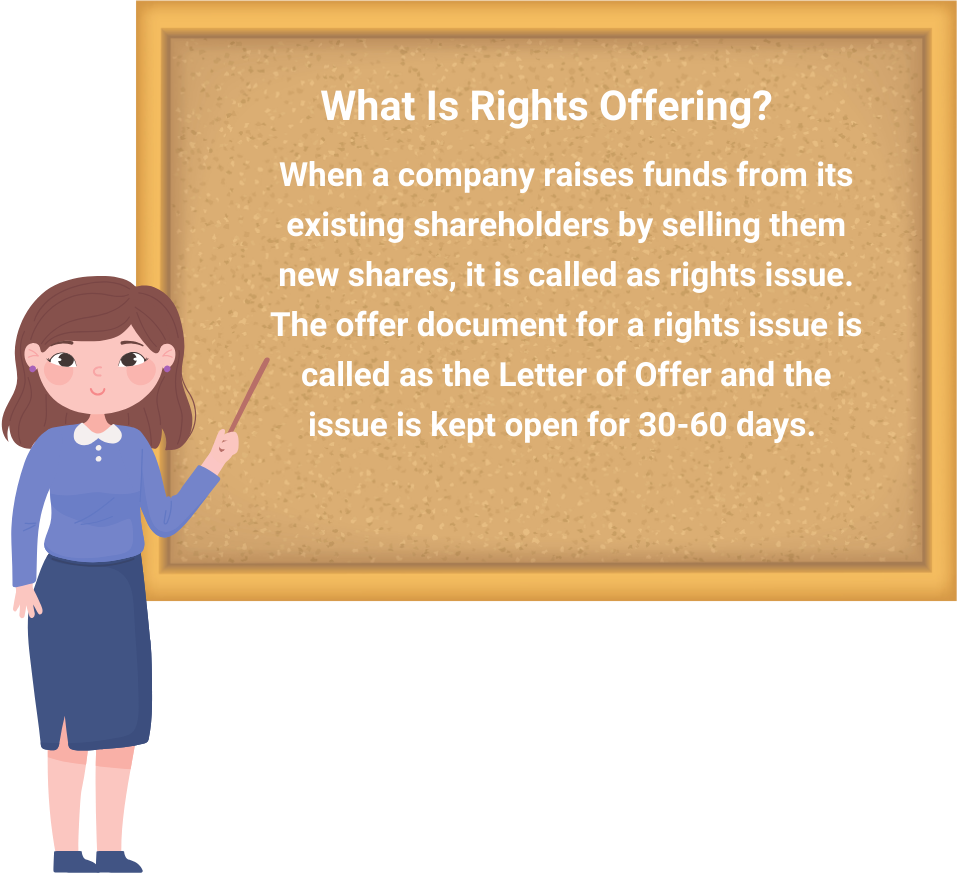
A rights offering, also known as a subscription offer or a rights issue, is an invitation to existing shareholders to purchase additional new shares in the company. Usually, these shares are offered at a discount to the current market price, providing shareholders with a strategic choice: exercise their rights to maintain their percentage of ownership, or allow the rights to lapse. Understanding this process is critical for any investor looking to navigate corporate capital maneuvers effectively.

The Mechanics of a Rights Offering
To understand how a rights offering functions, it is essential to view it as a corporate distribution of “options.” When a company decides to execute a rights offering, it issues a specific number of rights to its current shareholders based on the number of shares they already hold.
Understanding the Distribution Ratio
The “ratio” is the cornerstone of the offering. For example, a company might announce a “1-for-5” rights offering. This means that for every five shares an investor currently owns, they are granted the right to purchase one additional new share at a predetermined price. This subscription price is almost always set below the current market price of the stock to incentivize participation and ensure the offering is successful.
Subscription Period and Expiry
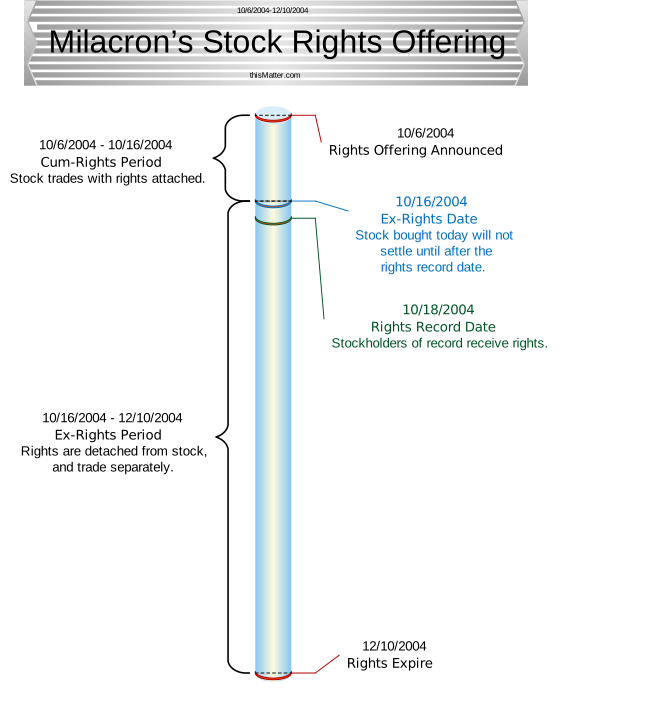
Once the rights are distributed, there is a defined “subscription period”—typically ranging from a few weeks to a month—during which the rights must be exercised. If an investor chooses to participate, they must formally subscribe for the new shares and provide the necessary capital before the deadline. If an investor ignores the offer or fails to act, the rights will expire. Depending on the company’s bylaws, these rights may sometimes be tradable on the open market, meaning an investor who does not want to buy more shares can sell their rights to another party for a small profit, effectively recouping some of the dilution cost.
Why Companies Use Rights Offerings
From the perspective of corporate finance, a rights offering is a deliberate strategic decision. Companies rarely choose this route without significant deliberation, as it can signal different things to the market depending on the company’s financial health.
Capital Acquisition Without Debt
Unlike taking out a loan or issuing corporate bonds, a rights offering does not add interest payments or principal repayment obligations to the company’s balance sheet. It is a way to raise equity capital directly from those who already believe in the company’s future. For firms struggling with high leverage, a rights offering can be a lifeline, allowing them to strengthen their capital structure without the pressure of debt service.
Maintaining Pro Rata Ownership
A primary benefit of the rights offering model is that it allows current shareholders to maintain their relative voting power and equity stake. If a large institutional investor owns 10% of a company, and they exercise their rights in a proportional offering, they can ensure that their 10% stake remains intact despite the influx of new shares. This protects shareholders from the immediate, negative impact of share dilution.
Signaling and Market Sentiment
The market’s reaction to a rights offering can be nuanced. If a company is using the funds to acquire a competitor or fund a high-growth research project, the market may view the offering as a sign of ambition. However, if a company is performing poorly and is issuing rights simply to stay solvent, the market may perceive the offering as a “desperation move.” Investors often scrutinize the purpose stated in the prospectus to determine whether the capital injection is for growth or survival.
Risks and Strategic Considerations for Investors
For the individual investor, a rights offering is not a “free lunch.” Participating requires a fresh infusion of cash, and not participating can lead to a erosion of your stake in the company.
The Problem of Dilution
Dilution is the most significant concern. When a company issues new shares, the total pool of shares increases. If you do not exercise your rights, your ownership percentage of the company decreases. Furthermore, because the new shares are issued at a discount, the market price of the stock often adjusts downward to reflect the new supply. This is known as the “ex-rights” price. If you do not participate, you essentially suffer the price drop without the benefit of acquiring new shares at the lower cost.
The Value of Rights
Not all rights are created equal. The intrinsic value of a right is calculated by comparing the subscription price to the market price. If the market price is significantly higher than the subscription price, the right has tangible value. Savvy investors perform the math to see if it is better to exercise, sell the rights, or sell the underlying stock altogether.
When to Decline
There are scenarios where declining a rights offering is the most rational move. If you believe the company’s business model is fundamentally broken, or if the funds from the rights offering are being used to cover recurring operational losses rather than strategic growth, adding more capital to the investment may be throwing “good money after bad.” An investor must weigh the company’s long-term prospects against the immediate requirement to commit more cash.
Navigating the Process as a Shareholder
If you hold stock in a company that announces a rights offering, you will typically receive a notification from your brokerage. This document, often called an “offering circular,” is the most important piece of literature you will receive during this event.
Due Diligence
Do not treat a rights offering notification as a simple administrative update. Read the circular to understand the “use of proceeds.” Does the company have a clear plan for the money? Has management committed to participating in the offering themselves? When insiders put their own capital into a rights offering, it is usually a strong signal of confidence that the company is on the right track.
Executing the Trade
If you decide to participate, you must contact your brokerage. Most modern trading platforms have an interface where you can “elect to exercise” your rights. Ensure you have the required cash balance in your account before the subscription deadline. Failure to have sufficient funds may result in your request being rejected, causing your rights to lapse.
The Broader Market Perspective
Ultimately, a rights offering is a standard tool in the corporate toolkit. It is neither inherently good nor inherently bad—it is a transformation of the company’s capital structure. By approaching a rights offering with a clear understanding of the dilution mechanics, the intended use of the funds, and your own investment thesis, you can turn a potentially confusing corporate action into a strategic decision that aligns with your personal finance goals. Whether you choose to double down on your position or step aside, the key is to make the decision based on data rather than the pressure of the deadline.
aViewFromTheCave is a participant in the Amazon Services LLC Associates Program, an affiliate advertising program designed to provide a means for sites to earn advertising fees by advertising and linking to Amazon.com. Amazon, the Amazon logo, AmazonSupply, and the AmazonSupply logo are trademarks of Amazon.com, Inc. or its affiliates. As an Amazon Associate we earn affiliate commissions from qualifying purchases.