
A retroactive payment is a financial disbursement that covers a period of time prior to the date on which the payment is actually made. Essentially, it’s a payment for services rendered, benefits earned, or obligations incurred in the past, but which for various reasons, were not paid out at the time they were due. This concept is fundamental across numerous financial domains, from personal finance and employment compensation to government benefits and legal settlements. Understanding the mechanics and implications of retroactive payments is crucial for both recipients and payers, as they can significantly impact an individual’s financial standing and a business’s budgetary health.

Understanding the Core Concept
At its heart, a retroactive payment addresses a past discrepancy or delay in compensation. Imagine a situation where an individual was entitled to a certain amount of money during a specific period, but due to an administrative oversight, a recalculation, a change in policy, or a delayed approval process, they did not receive the full, correct, or any amount then. A retroactive payment rectifies this by providing the owed funds for that historical period.
The defining characteristic is the “retroactive” nature—meaning “taking effect from a date in the past.” This differentiates it from a regular, forward-looking payment. While a standard paycheck covers work performed up to the payment date, a retroactive payment specifically accounts for a past period, often resulting in a lump sum that covers weeks, months, or even years of accumulated underpayment or unpaid entitlement. These payments are not bonuses or arbitrary handouts; they are corrections or fulfillments of pre-existing obligations that simply took time to process or acknowledge.
Common Scenarios Leading to Retroactive Payments
Retroactive payments manifest in various sectors, each with distinct triggers and implications.
Payroll and Wage Adjustments
One of the most frequent occurrences of retroactive payments is within the realm of employment and payroll.
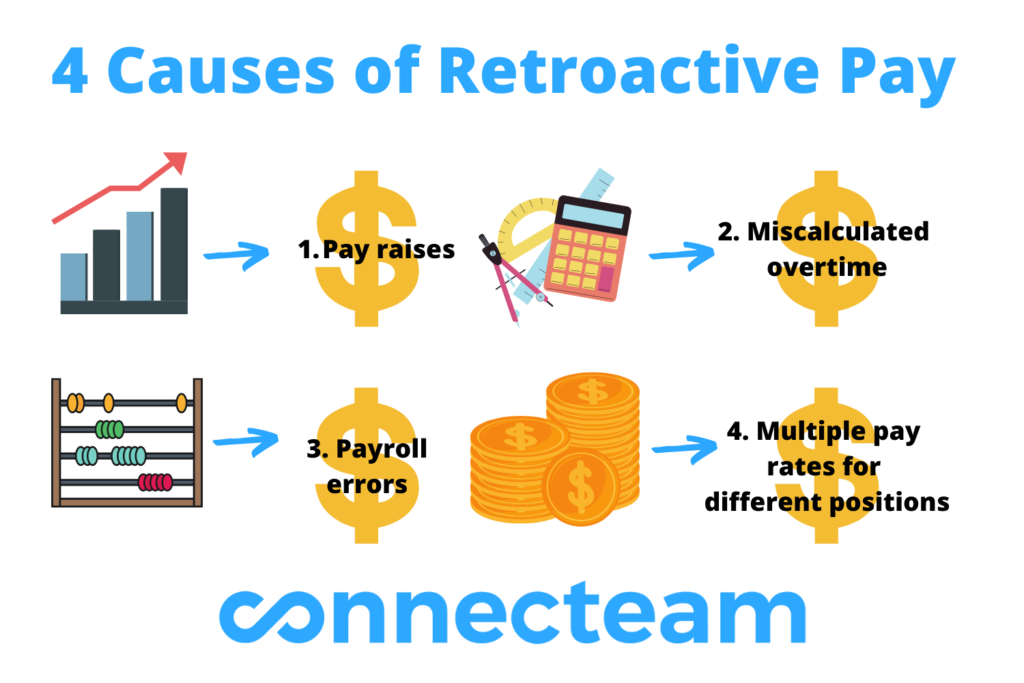
- Late Raises or Promotions: An employee might be informed of a raise or promotion effective January 1st, but the HR and payroll systems only process the change in March. The employee’s March paycheck would then include their new, higher salary rate going forward, plus the difference in pay for January and February, paid retroactively.
- Overtime Recalculations: Errors in calculating overtime hours or rates can lead to underpayment. Once identified, the employer is legally obligated to issue a retroactive payment to cover the shortfalls for the affected past pay periods.
- Union Contract Negotiations: When collective bargaining agreements are finalized, new wage scales or benefit structures are often applied retroactively to the date the previous contract expired. Employees then receive a lump sum covering the difference between the old and new rates for the interim period.
- Minimum Wage Changes: If a new minimum wage law takes effect on a certain date, but employers are slow to adjust, they may need to issue retroactive payments to employees who were paid below the new legal minimum for a period.
Social Security and Disability Benefits
Government-issued benefits, particularly those related to social security and disability, frequently involve retroactive payments due to the lengthy application and approval processes.
- Disability Benefit Approval: When an individual applies for Social Security Disability Insurance (SSDI) or Supplemental Security Income (SSI), the approval process can take months or even years. If approved, benefits are often backdated to the application date or, in some cases, the onset of the disability, resulting in a significant lump sum “back pay” payment covering the entire period from the entitlement date to the first regular payment.
- Cost-of-Living Adjustments (COLAs): Annual adjustments to benefit rates based on the cost of living may sometimes be processed with a delay. If the new rate takes effect on January 1st but is implemented later in the year, beneficiaries will receive retroactive payments for the months impacted.
Legal Settlements and Court Orders
Judicial processes often culminate in mandates for retroactive payments to compensate for past wrongs or unfulfilled obligations.
- Alimony and Child Support: Court orders for alimony or child support can be made effective from a date preceding the order itself, such as the date of separation or the filing of a petition. Any payments due from that earlier date up to the present are considered retroactive.
- Lawsuit Settlements: In cases of wage theft, wrongful termination, or other financial disputes, court settlements or judgments frequently include retroactive compensation for damages incurred over a past period.
- Workers’ Compensation: If a worker’s compensation claim is delayed or initially denied and later approved, the claimant may receive retroactive payments for lost wages and medical expenses incurred since the injury date.
Insurance Claims
While less common than in other areas, insurance claims can also result in retroactive payments.
- Delayed Coverage Approval: If an insurance company retroactively approves coverage for medical treatment or services that occurred in the past (e.g., after an appeal), they will make a retroactive payment to the healthcare provider or reimburse the insured.
- Premium Adjustments: In some commercial insurance policies, if an audit reveals that the initial premium was based on inaccurate historical data (e.g., lower sales or fewer employees than actual), the insurer might issue a retroactive credit or bill for additional premium.
Government Programs and Subsidies
Various government initiatives can also lead to retroactive disbursements.
- Tax Credits and Rebates: Occasionally, changes in tax law or the belated processing of certain tax credits can lead to retroactive payments to taxpayers.
- Agricultural Subsidies: Farmers might receive retroactive payments for programs that compensate them for specific land use practices or crop yields from previous seasons.
The Financial Impact and Implications
Retroactive payments carry significant financial implications for both recipients and the entities making the payments.
For Recipients
- Lump Sum Advantage: A sudden influx of funds can be a substantial financial boost, enabling recipients to pay off debts, build an emergency fund, make a down payment, or invest. This can dramatically alter an individual’s short-term financial trajectory.
- Tax Implications: One of the most critical considerations is taxation. Retroactive payments are generally taxable in the year they are received, not in the years they were originally earned. A large lump sum could potentially push an individual into a higher tax bracket for that year, leading to a larger tax liability than if the income had been distributed over time. Careful tax planning, often with the help of a financial advisor or tax professional, is essential to mitigate this impact.
- Budgeting Challenges: Managing a large, unexpected sum requires discipline. Without a clear plan, recipients might be tempted to spend the money impulsively, negating the long-term financial benefits.
- Benefit Eligibility: For individuals receiving means-tested benefits (like SSI or certain housing assistance), a large retroactive payment could temporarily impact their eligibility or reduce future benefits until the funds are strategically allocated (e.g., into exempt accounts).
For Payers (Businesses, Governments)
- Financial Planning and Budgeting: Businesses and government agencies must account for potential retroactive liabilities in their financial planning. Failure to do so can lead to unexpected budget shortfalls or cash flow crises when large payments become due.
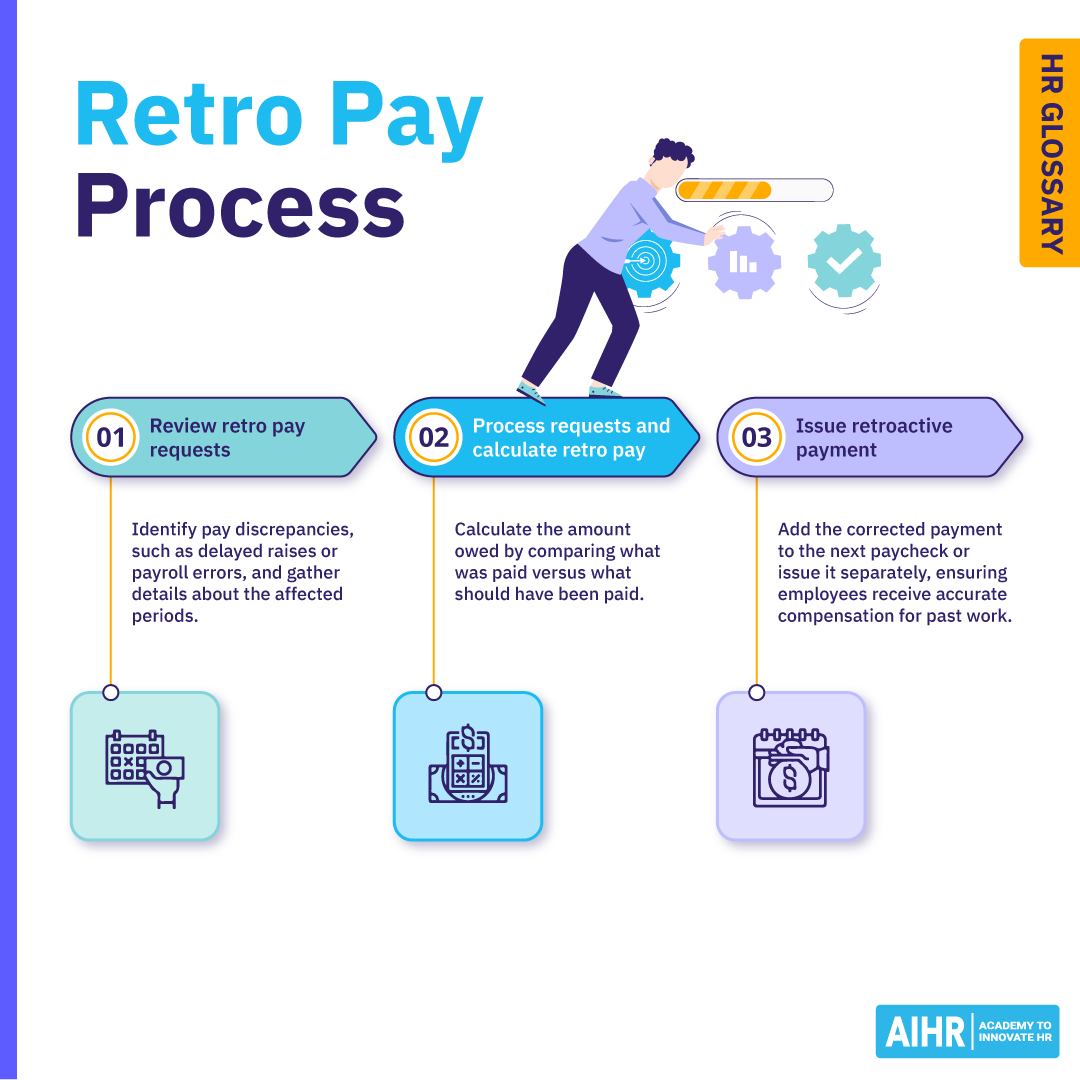
- Administrative Burden: Calculating and processing retroactive payments can be complex, especially when they span multiple years, involve varying rates, or require intricate tax withholdings. This demands robust accounting and payroll systems and skilled personnel.
- Reputational Risk: Frequent or large retroactive payments due to errors, non-compliance, or systemic delays can damage an organization’s reputation, signaling inefficiency, poor management, or a lack of commitment to timely compensation.
- Interest Accrual: In some legal or contractual contexts, organizations may be liable for interest on overdue retroactive payments, further increasing the financial burden.
Navigating Retroactive Payments: Best Practices
Both individuals and organizations can adopt best practices to effectively manage retroactive payments.
For Individuals
- Verify Calculations Thoroughly: Always meticulously review the calculation of any retroactive payment. Ensure the period covered is correct, the rates applied are accurate, and all components of the payment (e.g., base pay, overtime, benefits) have been accounted for. Do not hesitate to ask for a detailed breakdown.
- Understand Tax Implications: Consult with a tax professional immediately upon receiving notification of a significant retroactive payment. Explore options like spreading the income for tax purposes (if applicable under specific circumstances or legislation) or strategically using tax-advantaged accounts.
- Plan Strategic Use of Funds: Before spending, create a clear financial plan for the lump sum. Prioritize high-interest debt repayment, building an emergency fund, investing for retirement, or addressing other long-term financial goals. Avoid impulsive spending.
- Maintain Meticulous Records: Keep copies of all documentation related to the retroactive payment, including official notifications, calculation breakdowns, correspondence, and bank statements. This is crucial for tax purposes and any future inquiries.
For Businesses and Organizations
- Implement Robust Systems: Invest in sophisticated payroll, HR, and accounting systems that minimize errors, track changes effectively, and facilitate accurate, timely payments. Regular audits of these systems can prevent future retroactive liabilities.
- Proactive Compliance and Legal Monitoring: Stay abreast of all relevant labor laws, benefit regulations, contractual obligations, and industry standards. Proactive legal review of policies and practices can identify potential non-compliance before it escalates into significant retroactive liabilities.
- Clear and Transparent Communication: When a retroactive payment is necessary, communicate openly and clearly with the recipient. Explain the reason for the payment, the period it covers, and provide a detailed calculation. Transparency builds trust and reduces disputes.
- Accrual Accounting for Liabilities: For known or reasonably estimable retroactive liabilities (e.g., pending union contracts or ongoing legal cases), businesses should accrue for these potential expenses in their financial statements. This provides a more accurate picture of financial health and prevents sudden budget shocks.
- Timely Processing: Once a retroactive payment is approved or mandated, process it as quickly and accurately as possible to avoid further delays, potential interest accrual, and erosion of trust.
In conclusion, retroactive payments are a common feature of the financial landscape, serving as corrective mechanisms for past financial obligations. While they can provide significant financial relief to recipients, they also demand careful management and foresight from both individuals and organizations to navigate their complexities effectively and leverage their financial impact positively.
aViewFromTheCave is a participant in the Amazon Services LLC Associates Program, an affiliate advertising program designed to provide a means for sites to earn advertising fees by advertising and linking to Amazon.com. Amazon, the Amazon logo, AmazonSupply, and the AmazonSupply logo are trademarks of Amazon.com, Inc. or its affiliates. As an Amazon Associate we earn affiliate commissions from qualifying purchases.