
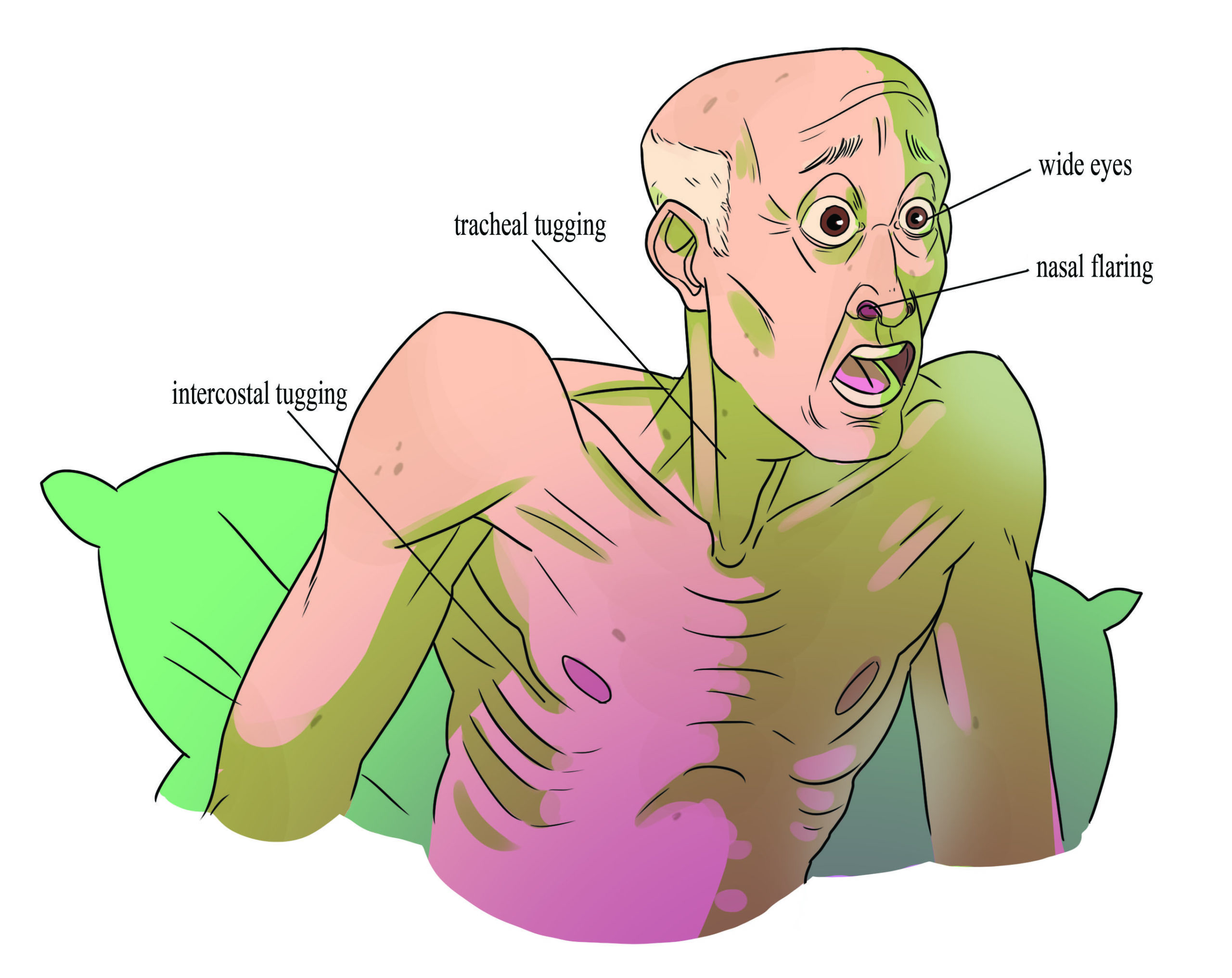
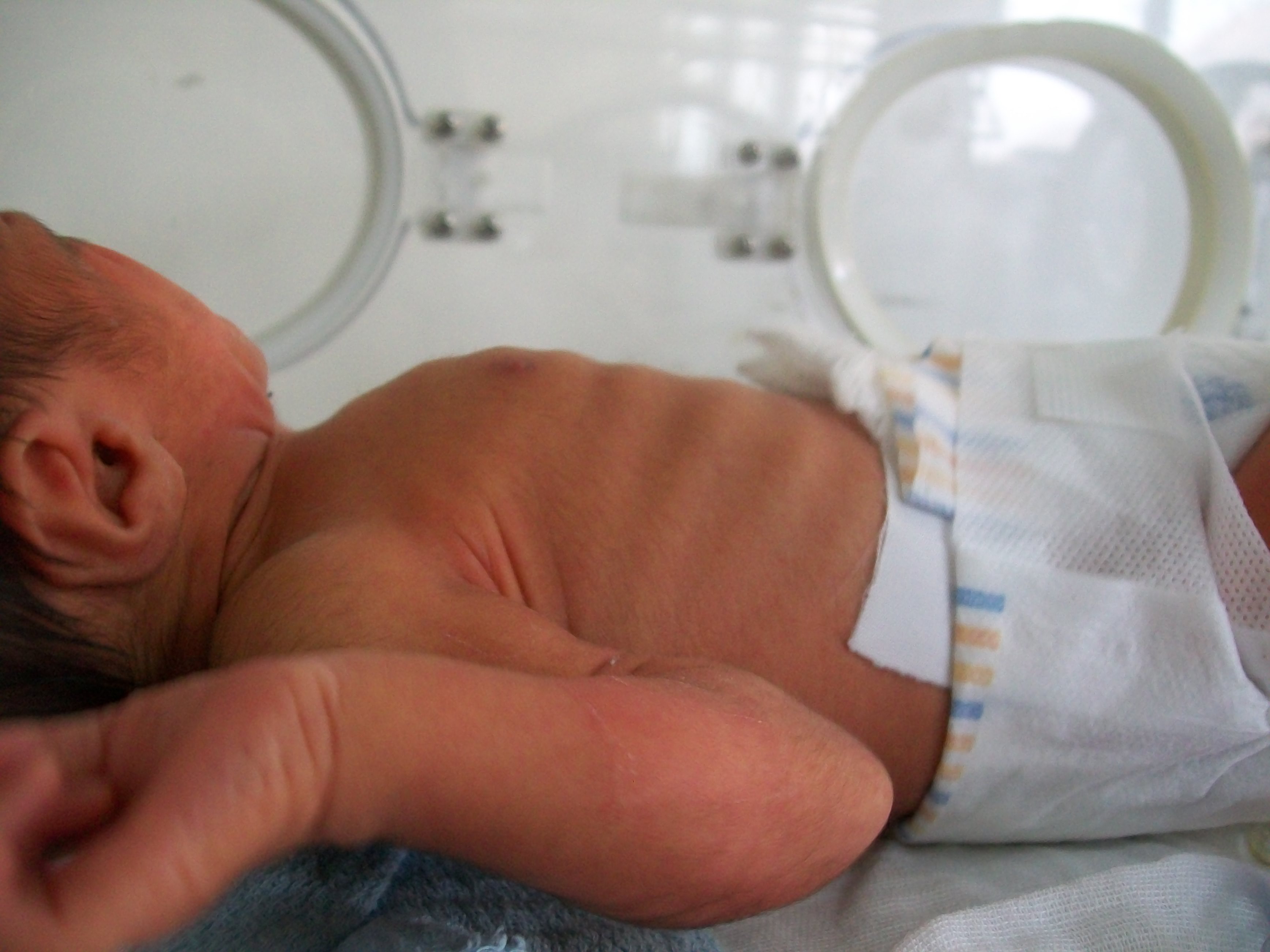
Breathing, an automatic and fundamental process, is often taken for granted until it becomes visibly labored. One such critical sign of labored breathing is a “retraction.” Medically, a retraction refers to the visible pulling in of the skin and soft tissues between the ribs, above the collarbones, or below the rib cage during inhalation. This phenomenon occurs when a person has to use accessory muscles to breathe, indicating increased respiratory effort due to an obstruction in the airway or severe lung disease. It’s a clear signal that the body is struggling to get enough air, requiring immediate attention.
While the physiological definition of a retraction is straightforward, its significance extends far beyond a clinical observation. In today’s interconnected world, the ability to accurately detect, monitor, and analyze such vital signs is increasingly augmented by technology. This article will delve into the critical aspects of breathing retractions, not just from a medical standpoint, but primarily through the lens of technological innovation. We will explore how advanced tech — from wearable sensors and AI diagnostics to software platforms and digital security protocols — is revolutionizing the way we understand, track, and manage respiratory health, transforming a visual symptom into quantifiable data points that drive proactive care and informed interventions.
The Critical Role of Early Detection: Understanding Respiratory Distress
Before diving into the technological solutions, it’s essential to grasp why signs like breathing retractions are so crucial. They are not merely symptoms but urgent indicators of underlying respiratory distress that can quickly escalate into life-threatening situations, particularly in vulnerable populations such as infants and the elderly.
Defining Breathing Retractions: A Clinical Perspective
Clinically, retractions are categorized by their location: intercostal (between the ribs), subcostal (below the rib cage), suprasternal (above the sternum), supraclavicular (above the collarbones), and sternal (pulling in of the sternum itself). The presence and severity of these retractions signify the degree of respiratory effort. Mild retractions might indicate moderate distress, while widespread and deep retractions point to severe respiratory compromise, demanding immediate medical intervention. Conditions such as asthma attacks, bronchiolitis, pneumonia, croup, and foreign body aspiration are common causes, each requiring a tailored approach to treatment. The challenge for healthcare providers has always been consistent, accurate, and timely identification, especially outside of controlled clinical environments.
Why Early Detection Matters: Health Implications
The implications of delayed detection are severe. Insufficient oxygenation can lead to hypoxia, damaging vital organs, especially the brain and heart. For children, respiratory distress is the leading cause of cardiopulmonary arrest. For adults, conditions like COPD exacerbations or acute respiratory distress syndrome (ARDS) can rapidly deteriorate. Traditional monitoring relies on visual assessment by trained professionals, which is subjective and limited to direct observation. This gap highlights a profound need for objective, continuous, and remote monitoring solutions that can alert caregivers or medical staff at the earliest sign of trouble, thereby improving patient outcomes and reducing the burden on emergency services. This is precisely where modern technology steps in, transforming reactive care into proactive vigilance.
Technological Advancements in Monitoring Respiratory Health
The past decade has seen an explosion of technological innovations aimed at enhancing health monitoring. For respiratory health, these advancements are particularly transformative, moving beyond simple pulse oximetry to sophisticated systems capable of detecting nuanced changes in breathing patterns, potentially signaling impending crises.
Wearable Devices: Smartwatches and Chest Straps for Real-time Data
Wearable technology has emerged as a cornerstone of personal health monitoring. Smartwatches, fitness trackers, and specialized chest straps are no longer just counting steps; they are becoming sophisticated health hubs. While most consumer-grade wearables don’t directly detect “retractions” in the precise clinical sense (which requires visual assessment of tissue deformation), they can capture critical proxy data points related to respiratory effort. This includes respiratory rate, heart rate variability (which can be affected by respiratory distress), oxygen saturation (SpO2) via pulse oximetry, and even subtle changes in body movement or sleep patterns that might indicate disturbed breathing.
Advanced wearable sensors are integrating accelerometers and gyroscopes capable of detecting subtle chest wall movements or vibrational changes associated with labored breathing. Combined with sophisticated algorithms, these devices can establish a baseline for an individual’s normal breathing pattern and flag deviations that suggest increased effort or distress. For example, a significant increase in respiratory rate or a drop in SpO2, especially during sleep, can trigger an alert, prompting the user or caregiver to seek medical advice. This real-time data collection empowers individuals and provides valuable longitudinal information for healthcare providers, making personalized health insights more accessible than ever.
Smart Home Devices and Environmental Sensors: Beyond the Body
The smart home ecosystem is also playing an increasing role in ambient health monitoring. Beyond personal wearables, passive sensors integrated into the living environment can offer insights into respiratory health without requiring direct contact with the individual. Smart mattresses, for instance, can monitor breathing patterns, heart rate, and sleep quality by detecting micromovements and pressure changes. Devices with integrated microphones can analyze acoustic patterns to detect coughing, wheezing, or even subtle changes in breathing sounds that might indicate congestion or distress.
Furthermore, environmental sensors can monitor air quality, detecting pollutants, allergens, or changes in temperature and humidity that might exacerbate respiratory conditions. For individuals with chronic conditions like asthma or COPD, integrating these environmental data points with personal physiological data provides a holistic view. If a patient experiences increased respiratory effort (as indicated by their wearable) coinciding with a spike in indoor particulate matter (detected by a smart air quality monitor), this multi-source data offers a more complete picture for intervention and lifestyle adjustments, moving toward a truly predictive and preventive approach to respiratory health management.
AI and Machine Learning in Diagnostic Support: Pattern Recognition
The sheer volume of data generated by wearables and smart home sensors would be overwhelming without intelligent processing. This is where Artificial Intelligence (AI) and Machine Learning (ML) become indispensable. AI algorithms are trained on vast datasets of physiological parameters, clinical observations, and medical outcomes to identify subtle patterns and correlations that human eyes might miss. For respiratory health, AI can analyze continuous streams of data from multiple sensors to:
-
Detect Anomalies: Identify deviations from an individual’s baseline breathing patterns, recognizing increased effort, pauses, or irregular rhythms that could precede visible retractions.
-
Predict Deterioration: Use predictive analytics to forecast the likelihood of a respiratory event or exacerbation based on trending data, allowing for proactive intervention before a crisis ensues.
-
Assist Diagnosis: While AI cannot diagnose retractions visually, it can flag data combinations (e.g., elevated respiratory rate, decreased SpO2, specific sound patterns) that strongly correlate with conditions where retractions are present. This provides valuable decision support for clinicians.
-
Personalize Care: By learning an individual’s unique physiological responses, AI can help tailor treatment plans and provide personalized alerts, making monitoring more effective and less prone to false positives.
These AI-driven insights transform raw sensor data into actionable intelligence, bridging the gap between subtle physiological changes and timely medical response. The goal is to move beyond simply observing a retraction to understanding the conditions that lead to it and preventing its severity.

Software Solutions and Applications for Respiratory Management
Beyond hardware, the software ecosystem plays a vital role in making health technology accessible, useful, and secure. From patient-facing apps to sophisticated backend platforms for clinicians, software solutions orchestrate the flow of data and facilitate effective respiratory health management.
Mobile Health Apps for Symptom Tracking and Telemedicine Integration
Mobile health (mHealth) apps are at the forefront of patient engagement. For respiratory health, these apps serve multiple functions:
-
Symptom Tracking: Users can log their symptoms (cough, shortness of breath, perceived breathing effort), medication intake, and trigger exposures. Some apps integrate directly with wearable devices to automatically pull in respiratory rate or SpO2 data.
-
Educational Resources: Provide personalized information about their condition, medication adherence reminders, and breathing exercises.
-
Telemedicine Integration: Facilitate virtual consultations with healthcare providers, allowing patients to share their tracked data, video of their breathing (where clinicians might visually assess for retractions), and discuss symptoms from the comfort of their home. This is particularly valuable for rural populations or those with limited access to specialists.
The convenience and accessibility of mHealth apps significantly improve patient self-management and provide clinicians with a richer, more continuous dataset than episodic clinic visits.
Cloud-Based Platforms for Data Aggregation and Analysis
For healthcare providers, the challenge lies in managing and interpreting data from numerous patients and diverse sources. Cloud-based platforms are the backbone of modern health tech, offering secure environments for:
-
Data Aggregation: Centralizing data from wearables, smart home devices, mHealth apps, and electronic health records (EHRs). This creates a comprehensive view of a patient’s respiratory health journey.
-
Advanced Analytics: Applying sophisticated algorithms (including AI/ML) to identify trends, flag high-risk patients, and generate insights that inform clinical decisions.
-
Remote Patient Monitoring (RPM): Enabling clinicians to monitor patients at home, receiving alerts for concerning changes in respiratory parameters. This allows for proactive intervention, reducing hospital readmissions and improving chronic disease management.
-
Interoperability: Facilitating seamless data exchange between different healthcare systems, ensuring that patient information is accessible to all relevant care team members.
These platforms are essential for transforming raw data into actionable clinical intelligence, supporting efficient, evidence-based care delivery, and improving coordination among care teams.
Digital Security and Privacy in Health Data Management
The proliferation of health data necessitates stringent security and privacy measures. Respiratory health data, like all personal health information (PHI), is highly sensitive. Robust digital security protocols are paramount to:
-
Protect Patient Confidentiality: Complying with regulations such as HIPAA (USA), GDPR (EU), and other regional data protection laws that mandate the secure handling of PHI.
-
Prevent Data Breaches: Implementing advanced encryption, multi-factor authentication, and intrusion detection systems to safeguard against cyber threats.
-
Maintain Data Integrity: Ensuring that health data is accurate, uncompromised, and reliable for clinical decision-making.
-
Build Trust: Patients must trust that their sensitive health information is secure for them to adopt and consistently use health technologies.
Without unwavering commitment to digital security and privacy, the immense benefits of health technology cannot be fully realized. This forms the ethical and foundational bedrock of the entire health tech ecosystem.
The Future Landscape: AI, Robotics, and Personalized Respiratory Care
The trajectory of health technology suggests an even more integrated and predictive future, where the distinction between observation and intervention blurs, leading to truly personalized respiratory care.
Predictive Analytics and Proactive Intervention: Moving Beyond Reactive Care
The future of respiratory health monitoring will heavily lean on predictive analytics. Imagine a system that, based on your historical health data, genetic predispositions, current environmental factors, and real-time physiological signals, can predict a high likelihood of a severe asthma attack or COPD exacerbation hours or even days before it happens. This foresight would allow for pre-emptive actions: adjusting medication dosages, avoiding triggers, or scheduling a virtual consultation before symptoms become severe. AI will move from identifying current distress to forecasting future events, enabling a paradigm shift from reactive treatment to proactive prevention. This level of personalized risk assessment, driven by advanced machine learning, will fundamentally change how chronic respiratory conditions are managed.
Robotics in Assistive Breathing Devices and Remote Monitoring
Robotics is poised to make significant contributions to respiratory care. Smart ventilators, for instance, are becoming more autonomous, using AI to dynamically adjust ventilation settings based on patient needs, reducing the workload on clinicians and optimizing patient comfort and outcomes. In the home setting, assistive robots could help with medication reminders, monitor breathing patterns with advanced sensors, and even facilitate communication with caregivers or emergency services in critical situations. While humanoid robots providing direct respiratory therapy are still in development, specialized robotic devices could aid in physiotherapy, chest percussion, or even perform precise nebulization, offering consistent and accurate care, especially for patients with complex needs or in remote areas.
Virtual Reality and Gamification in Respiratory Therapy
Beyond monitoring and diagnosis, technology is also transforming therapeutic approaches. Virtual Reality (VR) and gamification are emerging as powerful tools for respiratory rehabilitation. VR environments can transport patients to calming digital spaces, reducing anxiety and pain during painful procedures or exercises. For respiratory physiotherapy, gamified VR applications can make lung expansion exercises more engaging and motivating, encouraging consistent adherence. By making therapy interactive and enjoyable, these technologies can improve patient compliance, leading to better long-term respiratory health outcomes, especially for children or individuals who struggle with traditional therapy methods.
Conclusion
What began as a simple inquiry into “what is a retraction in breathing” quickly unveils a profound intersection of human physiology and cutting-edge technology. While a retraction remains a crucial medical sign of respiratory distress, its detection, understanding, and management are being revolutionized by an array of technological advancements. From wearables providing real-time physiological data and smart home sensors offering ambient environmental insights, to sophisticated AI platforms processing vast datasets for diagnostic support and predictive analytics, technology is making respiratory care more precise, personalized, and proactive.
The integration of mobile health apps, secure cloud-based systems, and future innovations in robotics and virtual reality promises a future where respiratory health is monitored continuously, risks are anticipated, and interventions are delivered with unprecedented accuracy and timeliness. This technological ecosystem is not just about detecting symptoms; it’s about empowering individuals, enhancing clinical decision-making, and ultimately fostering a healthier, more resilient global population capable of breathing easier. The journey from observing a retraction to leveraging technology for its comprehensive management underscores a pivotal shift in healthcare – one where technology is not just an aid, but an integral partner in safeguarding one of life’s most fundamental processes.
aViewFromTheCave is a participant in the Amazon Services LLC Associates Program, an affiliate advertising program designed to provide a means for sites to earn advertising fees by advertising and linking to Amazon.com. Amazon, the Amazon logo, AmazonSupply, and the AmazonSupply logo are trademarks of Amazon.com, Inc. or its affiliates. As an Amazon Associate we earn affiliate commissions from qualifying purchases.