
Rental income is fundamentally defined as any payment received for the use or occupation of property. While it is most commonly associated with residential houses or apartments, it encompasses a wide spectrum of assets including commercial buildings, industrial warehouses, vacation rentals, and even land. In the realm of personal finance and investing, rental income is often hailed as the “holy grail” of cash flow because of its potential to provide a steady, predictable stream of revenue that can outpace inflation and offer significant tax advantages.
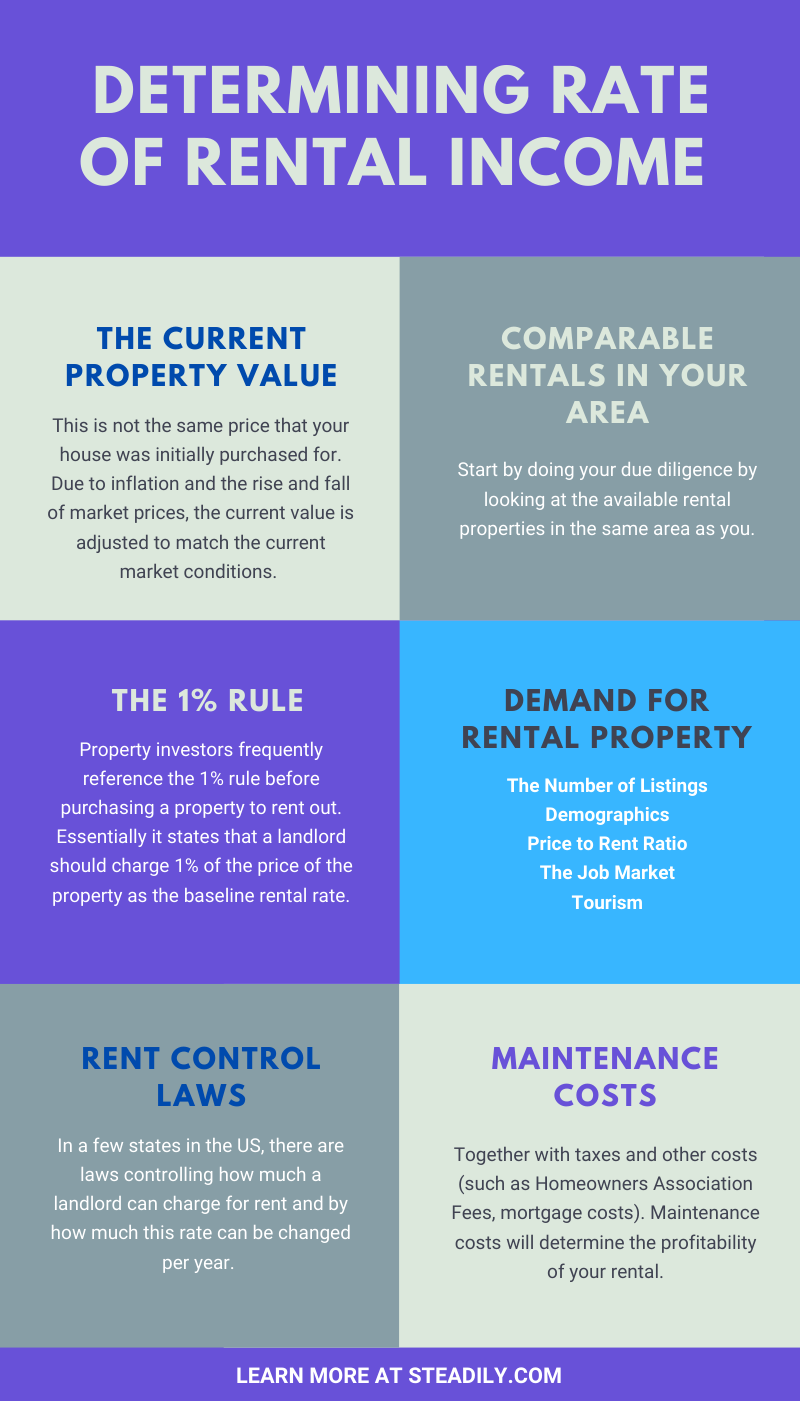
To understand rental income, one must look beyond the simple monthly check from a tenant. It represents a sophisticated financial ecosystem involving asset management, tax strategy, and market analysis. When managed correctly, rental income transitions from a simple side hustle into a powerful engine for long-term wealth accumulation and financial independence.
The Fundamentals of Rental Income and Asset Classes
At its core, rental income is categorized by the IRS and most global tax authorities as “passive income.” This classification is crucial because it dictates how the income is taxed and how losses can be used to offset other gains. However, the term “passive” can be a misnomer; while the income is generated without the investor needing to “clock in” for a 40-hour work week, the initial acquisition and ongoing management of the asset require significant due diligence.
Residential Rental Income
Residential properties are the most common entry point for investors. This includes single-family homes, condominiums, townhouses, and multi-family units like duplexes or apartment complexes. The primary driver of residential rental income is the basic human need for housing. Because housing is a necessity, this form of income tends to be more resilient during economic downturns compared to luxury goods or certain stock market sectors.
Commercial and Industrial Income
Commercial rental income is derived from properties used for business purposes. This includes office spaces, retail storefronts, and shopping centers. These leases are typically much longer than residential leases—often spanning five to ten years—and frequently include “triple net” (NNN) clauses where the tenant covers property taxes, insurance, and maintenance. Industrial rental income, involving warehouses and distribution centers, has seen a massive surge in relevance due to the growth of e-commerce and the need for logistics hubs.
Short-Term and Vacation Rentals
The rise of platforms like Airbnb and VRBO has revolutionized rental income by allowing owners to lease their properties on a nightly or weekly basis. While the management intensity is significantly higher—approximating the hospitality industry more than the real estate industry—the income potential per night is often three to four times higher than a traditional long-term lease.
Calculating Your Potential Returns: The Math Behind the Money
To determine whether a rental property is a sound investment, savvy investors rely on specific financial metrics. Understanding “What is a rental income” requires understanding how to measure its efficiency. Simply having more money coming in than going out is not enough; the income must be measured against the capital deployed.
Gross vs. Net Rental Income
Gross rental income is the total amount of money collected before any expenses are subtracted. This includes rent, pet fees, parking fees, and laundry income. Net rental income, or Net Operating Income (NOI), is what remains after paying all operating expenses—property management fees, insurance, taxes, repairs, and utilities—but before paying the mortgage (debt service).
The Cap Rate and Cash-on-Cash Return
The Capitalization Rate (Cap Rate) is calculated by dividing the NOI by the property’s purchase price. It provides a snapshot of the property’s natural rate of return without the influence of financing. For example, a property purchased for $500,000 that generates $30,000 in NOI has a 6% cap rate.
Conversely, the Cash-on-Cash (CoC) return measures the annual pre-tax cash flow relative to the amount of actual cash invested. If you used a mortgage and only put down $100,000 in cash, and your cash flow after the mortgage is $10,000, your CoC return is 10%. This metric is often more important to personal finance investors who are focused on the velocity of their capital.
The 1% Rule
A common rule of thumb in the industry is the 1% Rule, which suggests that a property should gross at least 1% of its purchase price in monthly rent. While this has become harder to achieve in high-priced “appreciation markets,” it remains a gold standard for “cash flow markets” where the primary goal is immediate monthly income.
Tax Treatment and the Power of Depreciation

One of the primary reasons rental income is a preferred vehicle for wealth is its favorable tax treatment. In many jurisdictions, rental income is not subject to self-employment taxes, which can immediately save an investor 15% or more compared to earned income from a job or a traditional business.
Deductible Expenses
Almost every cost associated with earning rental income is tax-deductible. This includes interest on the mortgage, property insurance, local taxes, advertising, property management fees, and even the travel expenses incurred to visit the property. These deductions are subtracted from the gross income, reducing the taxable “profit” while leaving the actual cash in the owner’s pocket.
The “Magic” of Depreciation
Depreciation is perhaps the most powerful tool in the rental income arsenal. The IRS allows residential property owners to write off the value of the building (not the land) over 27.5 years. This is a non-cash expense. You aren’t actually writing a check for depreciation, but you get to deduct a portion of the building’s value from your income every year.
It is entirely possible, and quite common, for a rental property to produce $10,000 in actual cash flow for the year while showing a “loss” on paper after depreciation is applied. This allows investors to legally earn income while paying zero or near-zero income taxes on that specific stream.
Strategies for Maximizing Rental Cash Flow
Generating rental income is not a “set it and forget it” endeavor. To maximize the yield and ensure the longevity of the income stream, investors must employ strategic management techniques.
House Hacking
For those just starting their journey in personal finance, “house hacking” is a premier strategy. This involves buying a multi-family property (like a duplex or fourplex), living in one unit, and renting out the others. The rental income from the other units often covers the entire mortgage and expenses, allowing the owner to live for free while building equity and learning the ropes of landlording.
Value-Add Investing
The most successful rental income investors look for properties that are underperforming. By making cosmetic renovations—new flooring, updated kitchens, or improved landscaping—an investor can “force appreciation” and justify higher rent. A $200 increase in monthly rent doesn’t just add $2,400 to the annual income; it significantly increases the total value of the asset based on the prevailing cap rates in the area.
Professional Property Management
As a portfolio grows, the “passive” nature of the income is maintained through professional management. A property manager handles the “Three Ts”: Tenants, Toilets, and Trash. While they typically charge 8% to 12% of the monthly rent, their expertise in tenant screening and vendor relationships often pays for itself by reducing vacancy rates and maintenance costs.
Risk Management in Rental Income
While the rewards are substantial, rental income is not without risk. Understanding these risks is essential for any serious investor looking to protect their capital.
Vacancy Risk
The greatest enemy of rental income is the “zero.” A vacant property produces no income but still incurs taxes, insurance, and mortgage payments. Successful investors mitigate this by maintaining a “vacancy reserve”—usually 5% to 10% of the gross income—and by conducting thorough market research to ensure they are buying in high-demand areas with growing employment bases.
Credit and Liability Risk
Bad tenants can destroy the profitability of a rental asset through non-payment or property damage. Rigorous tenant screening—checking credit scores, criminal backgrounds, and prior eviction records—is the first line of defense. Furthermore, rental income should always be protected through robust landlord insurance policies and, often, by holding the assets within a Limited Liability Company (LLC) to shield personal assets from legal claims.

Interest Rate and Market Volatility
While rental income is generally more stable than the stock market, real estate is sensitive to interest rates. As rates rise, the cost of debt increases, which can squeeze margins on new acquisitions. However, inflation often leads to rising rents, which acts as a natural hedge. By locking in long-term, fixed-rate financing, investors can stabilize their largest expense (the mortgage) while their income (the rent) continues to climb with the market.
Rental income remains one of the most effective paths to building a lasting financial legacy. By combining the immediate gratification of monthly cash flow with the long-term benefits of debt paydown, appreciation, and tax advantages, it offers a multi-dimensional return on investment that few other asset classes can match. Whether through a single condo or a massive commercial portfolio, the mastery of rental income is a cornerstone of modern wealth management.
aViewFromTheCave is a participant in the Amazon Services LLC Associates Program, an affiliate advertising program designed to provide a means for sites to earn advertising fees by advertising and linking to Amazon.com. Amazon, the Amazon logo, AmazonSupply, and the AmazonSupply logo are trademarks of Amazon.com, Inc. or its affiliates. As an Amazon Associate we earn affiliate commissions from qualifying purchases.