
When navigating the complexities of business finance and commercial litigation, understanding the mechanisms for addressing contractual breaches or legal wrongs is essential. In the realm of business law, a “remedy” refers to the means by which a court or legal system enforces a right, imposes a penalty, or makes another court order to impose its will. For entrepreneurs, investors, and corporate stakeholders, recognizing the available remedies is not merely a legal exercise; it is a critical component of risk management and asset protection.
The Nature of Legal Remedies in a Commercial Context
At its core, a legal remedy is the solution provided by the law to resolve a dispute. When a party fails to uphold a contractual obligation—such as a failure to deliver goods, a breach of a non-compete clause, or a default on a loan—the aggrieved party seeks a remedy to restore their financial position.
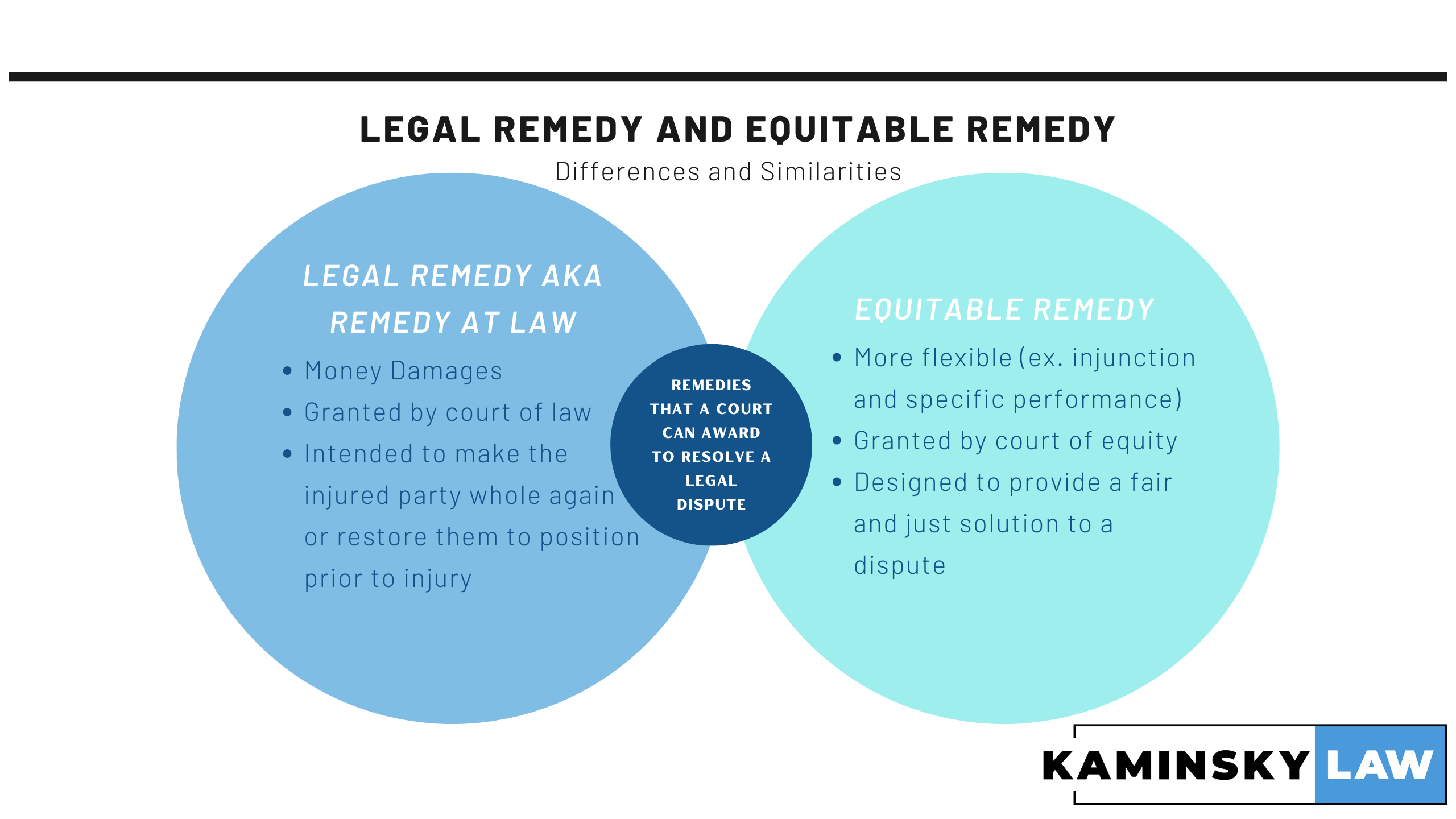
In the financial sector, remedies are categorized primarily into two buckets: legal remedies (typically monetary damages) and equitable remedies (non-monetary court orders). Understanding the distinction is vital for businesses when calculating potential losses and deciding whether to pursue litigation.
Compensatory Damages: Making the Plaintiff Whole
The most common remedy in contract disputes is compensatory damages. These are designed to put the non-breaching party in the position they would have occupied had the contract been fulfilled. For a business, this involves calculating “expectation damages”—the profit the business would have realized had the deal gone through. Quantifying these damages requires meticulous record-keeping and financial modeling, as courts will generally not award speculative profits.
Liquidated Damages Clauses
To avoid the uncertainty of litigation, many business contracts include liquidated damages provisions. These are pre-negotiated amounts that parties agree will be paid if a specific breach occurs. From a financial planning perspective, these clauses provide a predictable outcome, effectively capping the potential liability or securing a guaranteed payout, provided the amount is reasonable and not deemed a “penalty” by the court.
Equitable Remedies: Beyond Monetary Compensation
While monetary damages are the default, they are not always sufficient to address the harm caused by a breach. When money cannot adequately fix a problem, courts turn to equitable remedies. These are discretionary powers granted to judges to ensure fairness.
Specific Performance
Specific performance is a remedy where the court compels the breaching party to fulfill their contractual duties. This is most common in real estate or the sale of unique assets—such as rare intellectual property or specialized manufacturing machinery—where monetary damages would not allow the aggrieved party to source a replacement. For investors, this is a powerful tool to ensure the delivery of a unique asset rather than settling for a cash settlement that may not reflect the asset’s long-term growth potential.
Injunctions and Restraining Orders
Injunctions are court orders requiring a party to do, or refrain from doing, specific acts. In a business context, this is frequently used in cases of intellectual property theft or breaches of confidentiality agreements. If a former executive attempts to leak trade secrets, a company might seek an immediate injunction to stop the dissemination of that information. Financially, this protects the “intangible” value of a company, which often far outweighs the liquid cash on its balance sheet.
Rescission and Restitution
Rescission effectively cancels the contract. This remedy is often pursued when there has been fraud, misrepresentation, or a fundamental error in the formation of an agreement. When a contract is rescinded, the goal is restitution—returning each party to the position they were in before the contract existed. This is an essential “reset button” for businesses that find themselves trapped in bad deals due to deceptive practices.

Mitigating Risk: The Role of Remedies in Financial Strategy
A sophisticated approach to business finance requires that every major contract be drafted with the end in mind. If a breach occurs, what remedies are available? Are they sufficient to recover the investment? By assessing the “remedy profile” of a potential partnership or transaction, businesses can significantly reduce their risk exposure.
The Duty to Mitigate Damages
One of the most important principles in contract law is the duty to mitigate. An aggrieved party cannot simply sit back and let their losses grow, expecting the breaching party to pay for everything. They have an affirmative obligation to take reasonable steps to reduce their losses. For a business, this means if a supplier defaults, you must make a good-faith effort to source materials from an alternative vendor. Failure to mitigate can result in a court denying a significant portion of the damages claimed, making the financial loss entirely the responsibility of the aggrieved party.
Cost-Benefit Analysis of Litigation
Pursuing a remedy is expensive. Between legal fees, expert witness costs, and the time diverted from core business operations, litigation can often cost more than the remedy is worth. Smart financial managers perform a cost-benefit analysis before initiating a claim.
- Probability of Success: What is the likelihood of a favorable judgment?
- Collectability: If the court rules in your favor, does the defendant actually have the funds or assets to pay? A victory on paper is meaningless if the defendant is insolvent.
- Operational Impact: How much time and focus will this dispute steal from revenue-generating activities?
Sometimes, the most “remedial” action is a negotiated settlement. By leveraging the threat of legal remedies, companies can often secure a structured payment plan or an amendment to the contract that achieves their financial goals without the unpredictability of a trial.
Contractual Provisions That Define Remedies
Because courts have significant discretion, businesses should avoid leaving remedies up to chance. Well-drafted contracts define the “remedy landscape” explicitly.
- Choice of Law and Venue Clauses: These dictate which state’s laws govern the contract and where disputes will be heard. Since different jurisdictions have different approaches to remedies—particularly regarding punitive damages—the choice of venue can impact the total financial outcome of a case.
- Arbitration vs. Litigation: Many businesses prefer arbitration over court litigation to keep disputes private and often faster. However, arbitration awards are generally more difficult to appeal. Financial professionals must weigh the benefit of efficiency against the potential loss of traditional legal protections.
- Limitation of Liability: It is standard practice to include clauses that limit the types of damages a party can claim. For example, a contract might state that neither party is liable for “consequential damages” (lost profits). While this limits the scope of a potential remedy, it also prevents “bet the company” litigation scenarios that could bankrupt a business over a single contract dispute.
Final Considerations for Business Owners
A remedy in law is more than just a mechanism for punishment; it is a tool for economic stability. By understanding the distinction between compensatory damages, specific performance, and injunctions, businesses can build a defensive strategy that protects their balance sheets and ensures the viability of their investments.
Legal expertise should be treated as a pillar of financial planning rather than an afterthought. When businesses invest in comprehensive contracts that clearly define expectations and remedies, they are not just preparing for the worst—they are creating a framework for predictable, sustainable growth. In the volatile world of commerce, the ability to enforce one’s rights through the correct legal remedy is the difference between a minor setback and a permanent closure. Always consult with legal counsel to tailor these concepts to your specific industry, as local statutes and regulatory environments can alter the application of these remedies significantly.
aViewFromTheCave is a participant in the Amazon Services LLC Associates Program, an affiliate advertising program designed to provide a means for sites to earn advertising fees by advertising and linking to Amazon.com. Amazon, the Amazon logo, AmazonSupply, and the AmazonSupply logo are trademarks of Amazon.com, Inc. or its affiliates. As an Amazon Associate we earn affiliate commissions from qualifying purchases.