
For many vehicle owners and fleet managers, the term “remanufactured transmission” often conjures questions about its true value proposition. In an economy where every dollar counts, understanding the financial nuances of vehicle maintenance and repair is paramount. A remanufactured transmission represents a unique financial solution, positioned strategically between a brand-new unit and a salvaged or rebuilt one. It’s a choice driven by a complex interplay of upfront costs, long-term reliability, warranty considerations, and overall operational efficiency. This financial deep dive explores precisely what a remanufactured transmission entails and why it frequently emerges as a financially astute decision for both personal and business finance.
The Financial Spectrum: New vs. Remanufactured vs. Used
When a vehicle’s transmission fails, the decision on how to replace it carries significant financial weight. The options available each present a distinct cost-benefit profile, demanding careful financial analysis.
New Transmissions: The Premium Investment
A brand-new transmission comes directly from the original equipment manufacturer (OEM) or an approved supplier.
- Initial Cost: This is invariably the most expensive option. The price reflects manufacturing costs, brand new components, and often a premium for being an untouched OEM part.
- Financial Benefits: Comes with a full factory warranty, guaranteeing performance and offering peace of mind. It eliminates any concerns about previous wear or unknown history.
- Financial Drawbacks: The high upfront cost can significantly strain personal budgets or impact business cash flow, especially for older vehicles where the transmission cost might approach or exceed the vehicle’s market value.
Used Transmissions: The Budget Bet
A used transmission is typically sourced from a salvage yard or a parted-out vehicle.
- Initial Cost: This is usually the cheapest option. It offers an immediate cost saving, appealing to those with very limited budgets.
- Financial Benefits: Minimal upfront expenditure.
- Financial Drawbacks: Comes with significant financial risk. The history of the used unit is often unknown, and it could have undisclosed wear, damage, or impending failure. Warranties, if offered at all, are typically very limited (e.g., 30-90 days) and often only cover the part itself, not the labor to install or remove it if it fails. The potential for a quick repeat failure means additional labor costs and vehicle downtime, turning an initial saving into a long-term financial drain.
Remanufactured Transmissions: The Value-Driven Choice
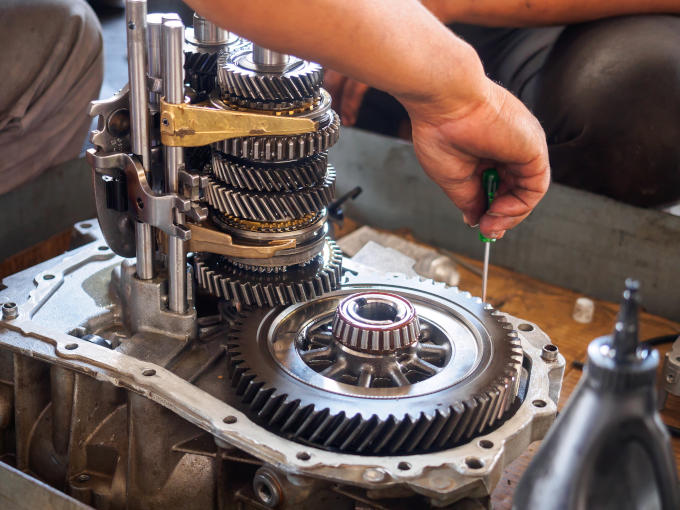
A remanufactured transmission undergoes a rigorous, standardized process where it is completely disassembled, inspected, cleaned, and all wear-prone or damaged components are replaced with new or re-machined parts that meet or exceed OEM specifications.
- Initial Cost: Generally falls between a new and a used transmission. It’s a mid-range investment that balances cost with quality.
- Financial Benefits: Offers substantial savings compared to a new unit, typically 25-50% less. Crucially, it comes with a comprehensive warranty (often 1-3 years or more, with unlimited mileage, covering both parts and labor) that far surpasses those offered with used parts. The standardized remanufacturing process ensures consistent quality and reliability, mitigating the high financial risk associated with used units. This reduces the likelihood of repeat repair costs and vehicle downtime, offering a much better return on investment over the long term.
- Financial Drawbacks: More expensive than a used unit, which may be a barrier for those seeking the absolute lowest immediate cost, despite the long-term financial prudence.
The Economics of Quality: Why Remanufacturing Matters
The process of remanufacturing is not merely a repair; it’s an industrial restoration to like-new or better-than-new condition. From a financial perspective, this commitment to quality translates directly into tangible economic advantages.
Superior Component Upgrades
Unlike a simple rebuild, which often only replaces obviously broken parts, remanufacturing mandates the replacement of all common wear items (seals, gaskets, clutches, bands, bearings, solenoids) regardless of their current condition. Furthermore, many remanufacturers implement engineering updates or design enhancements to address known original equipment flaws.
- Financial Impact: These upgrades increase the durability and longevity of the transmission, reducing the probability of premature failure. This minimizes future repair expenditures and extends the useful life of the vehicle, delaying the need for costly vehicle replacement or further significant repair outlays. The investment in superior components upfront translates into fewer unexpected maintenance costs down the line.
Rigorous Testing and Quality Assurance
Every remanufactured transmission undergoes extensive testing on specialized dynamometers that simulate real-world driving conditions. This ensures that the unit meets or exceeds OEM performance standards before it leaves the factory.
- Financial Impact: This rigorous quality control minimizes the financial risk of receiving a faulty part. A properly functioning remanufactured transmission reduces installation time, prevents costly diagnostic hours, and most importantly, avoids the financial burden of a “redo” – where a faulty part leads to additional labor costs for removal and re-installation, and prolonged vehicle downtime. For a business, this translates into consistent operational uptime and predictable maintenance costs.
Environmental Stewardship with Economic Returns
Remanufacturing is a core component of the circular economy, extending the life cycle of existing materials.
- Financial Impact: While not a direct monetary saving to the consumer at the point of purchase, it contributes to overall economic sustainability by reducing demand for new raw materials and energy-intensive manufacturing processes. This practice can also align with corporate social responsibility (CSR) initiatives, potentially offering indirect financial benefits through enhanced brand perception and compliance with sustainability mandates. For individuals, it represents a financially responsible choice that contributes to a broader ecological good without compromising personal financial security.
Long-Term Value and Warranty: A Financial Safeguard

One of the most compelling financial arguments for a remanufactured transmission lies in its robust warranty and the long-term value it imparts to the vehicle.
Comprehensive Warranty Coverage
Reputable remanufacturers offer warranties that often rival or exceed those for new transmissions. These typically range from 1 to 3 years, with unlimited mileage, and crucially, often cover both parts and labor.
- Financial Security: This extensive coverage acts as a critical financial safeguard, protecting your investment. If an issue arises within the warranty period, the remanufacturer bears the cost of diagnostics, removal, repair or replacement, and re-installation. This eliminates the uncertainty and potential for catastrophic out-of-pocket expenses that come with used parts or inadequately rebuilt units. It provides a predictable cost of ownership and peace of mind.
Impact on Vehicle Resale Value
The presence of a high-quality remanufactured transmission with a transferable warranty can positively influence a vehicle’s resale value.
- Financial Appreciation: A prospective buyer is more likely to pay a higher price for a vehicle with a relatively new, reliable, and warrantied transmission, rather than one with an aging or questionable original unit. This mitigates depreciation and helps recover a larger portion of the initial repair investment when the time comes to sell. For sellers, it’s a verifiable asset that can be leveraged during price negotiation.
Business Finance: Fleet Management and Cost Control
For businesses operating vehicle fleets, the choice of transmission replacement has direct implications for operational budgets, efficiency, and profitability. Remanufactured transmissions offer distinct advantages in this context.
Predictive Maintenance and Budgeting
The consistent quality and reliability of remanufactured units allow fleet managers to better predict maintenance cycles and allocate budget resources more effectively.
- Operational Efficiency: Reduced variability in component performance translates to fewer unscheduled repairs. This aids in preventive maintenance planning, allowing for more efficient scheduling of vehicle downtime and better utilization of mechanic labor. Predictable costs help prevent budget overruns and contribute to more accurate financial forecasting.
Minimizing Downtime and Lost Revenue
For any business relying on its fleet, vehicle downtime is synonymous with lost revenue. A vehicle that isn’t operating isn’t generating income.
- Revenue Protection: Remanufactured transmissions, with their high reliability and strong warranties, significantly reduce the incidence of unexpected failures and prolonged service bay occupancy. This ensures vehicles are back on the road quicker, maximizing their revenue-generating potential and minimizing the financial impact of service interruptions. The total cost of ownership is drastically reduced when factoring in the cost of lost productivity.
Inventory Management and Labor Savings
Some larger fleet operations or repair centers may keep an inventory of common remanufactured transmissions.
- Supply Chain Optimization: This allows for rapid replacement, further cutting downtime. For repair shops, installing a fully tested, ready-to-go remanufactured unit typically involves less diagnostic time and fewer potential complications than rebuilding a unit in-house, leading to labor cost savings and increased technician productivity.

Making the Smart Financial Decision
Choosing a remanufactured transmission is a financially prudent decision for a broad spectrum of vehicle owners. It represents a sweet spot, providing significant cost savings over new OEM parts while offering a level of reliability and warranty protection that far surpasses that of used components.
For individuals, it’s about making a financially responsible choice that extends the life of their vehicle without overspending or exposing themselves to unnecessary risk. It safeguards their budget against unexpected future repairs and helps maintain their vehicle’s value.
For businesses, it’s a strategic decision rooted in operational efficiency, cost control, and risk mitigation. It ensures fleet uptime, predictable maintenance costs, and a better return on their vehicle assets.
Before making any decision, always seek quotes for new, remanufactured, and if available and viable, rebuilt or used options. Critically compare not just the upfront price, but the comprehensive warranty, the reputation of the supplier, and the projected long-term costs of ownership. In most scenarios, the remanufactured transmission stands out as the financially insightful choice, balancing cost-effectiveness with unwavering performance and reliable security.
aViewFromTheCave is a participant in the Amazon Services LLC Associates Program, an affiliate advertising program designed to provide a means for sites to earn advertising fees by advertising and linking to Amazon.com. Amazon, the Amazon logo, AmazonSupply, and the AmazonSupply logo are trademarks of Amazon.com, Inc. or its affiliates. As an Amazon Associate we earn affiliate commissions from qualifying purchases.