
In the world of billiards, the term “regulation size” is far more than a simple measurement; it’s a declaration of authenticity, a benchmark of quality, and a cornerstone of brand identity. For manufacturers, retailers, and even professional leagues, understanding and adhering to these precise specifications is fundamental to establishing credibility and building a reputable brand. A regulation size pool table doesn’t just promise a consistent playing experience; it assures players that they are engaging with the sport as intended, a promise that resonates deeply with discerning consumers and underpins a brand’s commitment to excellence.

This article delves into the precise definitions of what constitutes a regulation size pool table, exploring how these standards are set, the intricate design considerations involved, and, critically, how this adherence shapes brand perception, marketing strategies, and ultimately, a company’s standing in the competitive billiards industry.
The Foundation of Brand Credibility: Understanding Regulation Standards
At its core, a regulation size pool table adheres to a universally accepted set of dimensions and construction guidelines established by recognized governing bodies. This standardization is not arbitrary; it’s the result of decades of professional play, meticulous design, and a collective desire to ensure fair competition and a consistent experience across the globe. For any brand operating in the billiards space, aligning with these standards is the first step toward building trust and a credible identity.
Defining the “Regulation”: Beyond Just Dimensions
While dimensions are paramount, the concept of “regulation” extends beyond mere length and width. It encompasses a holistic view of the table’s characteristics, including its height, the material and thickness of the slate, the responsiveness of the cushions, the size and shape of the pockets, and even the type of cloth used. Each element is meticulously specified to ensure predictable ball movement, consistent rebounds, and a challenging yet fair game.
For a brand, this means that merely getting the external measurements right isn’t enough. True “regulation” status, and the brand prestige that comes with it, requires a deep understanding and precise execution of every component. It speaks to a manufacturer’s engineering prowess, their material sourcing, and their commitment to quality control—all critical elements of a strong corporate identity.
The Role of Governing Bodies (e.g., WPA, BCA) in Setting Standards
The global authority for cue sports, the World Pool-Billiard Association (WPA), along with national organizations like the Billiard Congress of America (BCA) in the U.S., play a pivotal role in defining and enforcing these regulation standards. These bodies conduct extensive research, consult with professional players and manufacturers, and continually refine the guidelines to adapt to advancements in materials and play.
A brand that proudly states its tables meet WPA or BCA specifications isn’t just listing a technical detail; it’s leveraging the credibility and authority of these esteemed organizations. This affiliation acts as a powerful marketing tool, instantly signaling to consumers that the product is built to professional standards, suitable for serious play, and endorsed by the highest authorities in the sport. It’s a strategic alliance that significantly bolsters a brand’s perception of quality and authenticity.
Why Adherence to Standards Matters for Manufacturers
For pool table manufacturers, adherence to regulation standards is not optional; it’s foundational to their business model and brand longevity. First, it ensures market acceptance; professional leagues, tournament organizers, and serious players will exclusively consider tables that meet these specifications. Second, it simplifies product development by providing clear design parameters, allowing engineers to focus on innovative construction techniques rather than reinventing core dimensions.
Crucially, it fosters a reputation for reliability and fairness. A brand known for producing regulation tables becomes synonymous with a consistent, unbiased playing experience, which is invaluable in a sport where precision is everything. Deviating from these standards risks alienating a significant portion of the market, damaging brand trust, and positioning a company as a purveyor of amateur or non-serious equipment.
Crafting the Brand Experience: Design, Engineering, and Playability
The journey from technical specifications to a tangible “regulation size” pool table is an intricate dance of design and engineering. Every curve, angle, and material choice is meticulously considered to not only meet the standards but also to deliver an unparalleled playing experience that reinforces the brand’s commitment to excellence. This synergy between precise construction and superior playability is where a brand truly shines, transforming a set of rules into a premium product.
The Precision of Design: Table Dimensions and Playing Surface
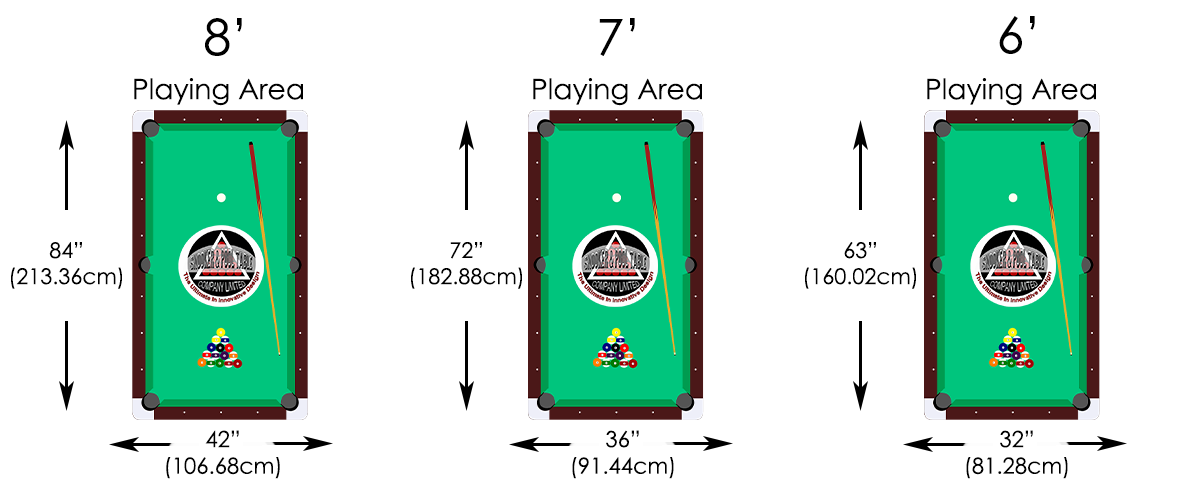
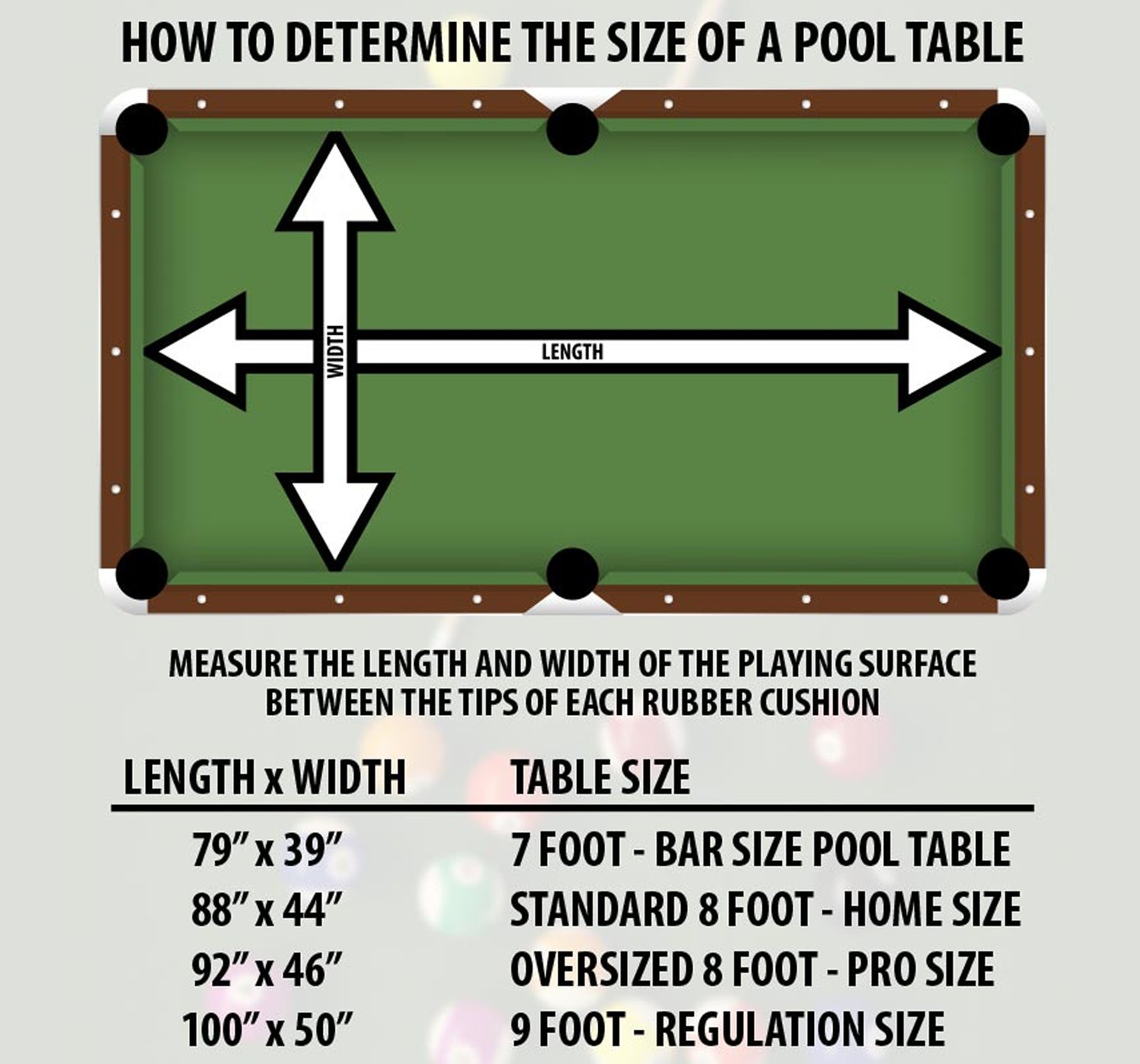
The most recognized aspect of a regulation table is its dimensions. The playing surface, measured from cushion rubber to cushion rubber, is the critical area. While tables come in various sizes, the “regulation” standard typically refers to the 9-foot table, often called a “tournament size,” with a playing surface of 100 inches by 50 inches. Other common regulation sizes include 8.5-foot (pro 8-foot) and 8-foot, but the 9-foot is the gold standard for professional play. The ratio of length to width must always be exactly 2:1.
This precise 2:1 ratio is fundamental to the geometry of pool shots, influencing everything from banking angles to positional play. A brand that consistently delivers this exact ratio across its regulation line demonstrates a deep understanding of the game’s mechanics and a commitment to preserving its integrity. Their design team isn’t just building furniture; they’re crafting a finely tuned instrument for sport.
Beyond Size: Critical Components for a “Regulation” Build (Slate, Rails, Pockets)
Beyond the playing surface dimensions, several other components are critical to achieving regulation status and contributing to a superior brand experience:
- Slate: The playing bed must be made of precisely cut and matched slate, typically 1-inch thick, comprising three interlocking pieces to prevent warping and ensure a perfectly level surface. The quality and flatness of the slate are non-negotiable for a premium brand.
- Rails and Cushions: The rails, supporting the rubber cushions, must be firm and consistent. The cushions themselves are made of specific types of rubber (e.g., K-66 profile) designed for consistent and lively rebound. A brand’s reputation for accurate and durable cushion performance is a significant differentiator.
- Pockets: Pockets have specific opening dimensions and depths. For example, standard corner pockets are typically between 4.5 and 4.625 inches wide, and side pockets between 5 and 5.125 inches. The shape and approach angle of the pocket openings are also regulated to ensure consistent ball entry.
Each of these elements contributes to the overall playability and feel of the table. A brand that invests in high-grade materials and precision engineering for these components reinforces its image as a provider of top-tier products, justifying a premium price point and fostering customer loyalty.
Impact on Player Experience and Brand Perception
The sum of these regulated design and engineering choices culminates in the player experience. A truly regulation table offers predictable ball behavior, consistent responsiveness, and a level of challenge that allows skill to be the primary determinant of success. This consistency builds confidence in players, allowing them to focus on strategy and execution rather than compensating for table imperfections.
For a brand, this directly translates into a strong positive perception. When players consistently experience fair and engaging games on a manufacturer’s table, they associate that brand with quality, professionalism, and an authentic billiards experience. This positive association is invaluable, leading to repeat purchases, strong word-of-mouth recommendations, and a powerful brand narrative centered on performance and reliability.
“Regulation Size” as a Marketing and Brand Differentiator
In a crowded market, simply stating a product’s features is often insufficient. For pool table manufacturers, leveraging “regulation size” as a core brand differentiator is a powerful marketing strategy. It moves the discussion beyond aesthetics or price and grounds it in the undeniable attributes of performance and authenticity, appealing directly to the aspirations of serious players and institutions.
Communicating Quality: Using Standards in Branding
Brands effectively use their adherence to regulation standards to communicate an inherent level of quality and professionalism. Phrases like “WPA-Approved,” “Tournament Grade,” or “Built to BCA Specifications” are not just technical footnotes; they are potent marketing messages. These statements instantly convey that the table is designed for serious play, built with precision, and capable of meeting the demands of competitive environments.
This strategy helps brands establish a premium position in the market. Consumers, especially those investing significantly in a pool table, seek assurances of quality and longevity. Tying the brand to established industry standards provides this assurance, reducing perceived risk and enhancing the brand’s image as a trustworthy and expert provider. It shifts the conversation from merely selling a product to offering an authentic piece of the sport itself.
Target Audiences: From Casual Players to Professional Leagues
The “regulation size” differentiator allows brands to segment and target their market effectively. For professional leagues, tournament organizers, and high-end pool halls, regulation tables are a mandatory investment. Brands that specialize in this segment meticulously highlight their compliance, durability, and performance under rigorous conditions. Their marketing might feature endorsements from professional players or showcase their tables in televised tournaments.
Conversely, even for casual players or home buyers, the appeal of a “regulation size” table is strong. While they might opt for slightly smaller (but still regulation-ratio) tables like the 8-foot or 8.5-foot, the underlying desire for an authentic playing experience remains. Brands can market these tables as “bringing the professional experience home,” tapping into the aspirational desires of consumers who want the best possible game, even if they’re not competing professionally. This dual appeal widens a brand’s market reach while maintaining a consistent message of quality.
The Premium Market: Positioning “Regulation” for Value and Authenticity
Operating in the premium segment requires more than just high prices; it demands a compelling value proposition. “Regulation size” tables inherently occupy this premium space because their construction demands superior materials, precision craftsmanship, and often higher manufacturing costs. Brands in this segment position their “regulation” tables not just as purchases but as investments—investments in an authentic playing experience, in the integrity of the game, and in a durable product that will hold its value.
Their marketing emphasizes the legacy, the craftsmanship, and the unparalleled playability that comes with adhering to the strictest standards. This approach appeals to discerning buyers who prioritize quality, performance, and the prestige associated with owning a “true” pool table. For these brands, “regulation” is synonymous with authenticity, luxury, and a commitment to the sport that transcends mere commerce.
Maintaining Brand Integrity: Challenges and Future Trends
Even with established standards, the journey for a brand committed to regulation size tables is not without its challenges. Balancing tradition with innovation, managing costs, and navigating a global marketplace all test a brand’s integrity and strategic foresight. However, these challenges also present opportunities for brands to further cement their leadership and adapt for future success.
The Cost of Compliance vs. Market Accessibility
Producing regulation size pool tables involves significant investment in high-quality materials (e.g., precise slate, premium hardwoods, advanced cushion rubber) and skilled labor for meticulous construction. This translates into higher manufacturing costs, which are then passed on to the consumer. For brands, the challenge lies in justifying this premium price point to a broader market while still maintaining accessibility.
Successful brands navigate this by clearly articulating the long-term value: durability, consistent play, and an authentic experience that budget alternatives simply cannot match. They might also offer a range of regulation-compliant tables at different price points, using varying aesthetic finishes or wood types, but never compromising on the core playability components. This strategy allows them to capture a wider segment of the market without diluting their brand’s commitment to regulation standards.
Innovation within Regulation: Balancing Tradition and Progress
While regulation standards provide a rigid framework, there is still room for innovation within these confines. Brands can differentiate themselves through advancements in material science, manufacturing processes, and even subtle improvements in cushion design or pocket liners—all while strictly adhering to the fundamental parameters. For instance, developing more durable cloth materials that maintain speed, or perfecting slate leveling systems, are innovations that enhance the playing experience without breaking from regulation.
A brand that successfully balances respect for tradition with a drive for innovation can position itself as a forward-thinking leader in the industry. It demonstrates a commitment to improving the sport while upholding its core values, attracting both purists and those who appreciate modern advancements. This agility in innovation within a regulated environment showcases a strong and adaptive corporate identity.
Global Standards vs. Regional Preferences: A Brand’s Navigational Challenge
While the WPA sets global standards, regional variations in play (e.g., American pool vs. British pool) and historical preferences can create a complex landscape for international brands. A brand looking to succeed globally must understand these nuances and adapt its product lines and marketing messages accordingly. For instance, while American pool predominantly uses 9-foot regulation tables, British pool often favors 7-foot tables with different pocket designs.
For a global brand, this means carefully managing its product portfolio, ensuring that its “regulation” offerings cater to the specific demands of each market while maintaining a consistent brand message of quality and authenticity. It’s a challenge of localization that requires strategic market analysis and flexible product development, reinforcing the brand’s ability to serve a diverse customer base with precision and respect for local traditions.
Conclusion
The question “what is a regulation size pool table?” reveals much more than a set of measurements; it uncovers the intricate relationship between technical specifications and brand identity. For any company in the billiards industry, understanding and embodying these standards is paramount. It’s the bedrock upon which brand credibility is built, the canvas for design and engineering excellence, and a powerful tool for marketing and differentiation.
Adhering to regulation standards ensures market acceptance, fosters trust, and communicates a profound commitment to the sport itself. Brands that consistently deliver tables meeting these exacting requirements establish themselves as leaders, synonymous with quality, authenticity, and an unparalleled playing experience. In a world where precision and performance are highly valued, the “regulation size” pool table stands as a testament to a brand’s unwavering dedication to the art and science of billiards.
aViewFromTheCave is a participant in the Amazon Services LLC Associates Program, an affiliate advertising program designed to provide a means for sites to earn advertising fees by advertising and linking to Amazon.com. Amazon, the Amazon logo, AmazonSupply, and the AmazonSupply logo are trademarks of Amazon.com, Inc. or its affiliates. As an Amazon Associate we earn affiliate commissions from qualifying purchases.