
In the intricate world of vehicle ownership and finance, understanding the nuances of different title types is crucial, especially when making significant purchasing decisions. In Florida, one such designation that often prompts questions and requires careful consideration is a “rebuilt title.” Far from being a mere administrative detail, a rebuilt title carries substantial financial implications for buyers, sellers, and insurance providers alike. It signifies a vehicle’s journey from being deemed a total loss to being restored to operational condition, a process that inherently alters its market value, insurability, and long-term financial viability.
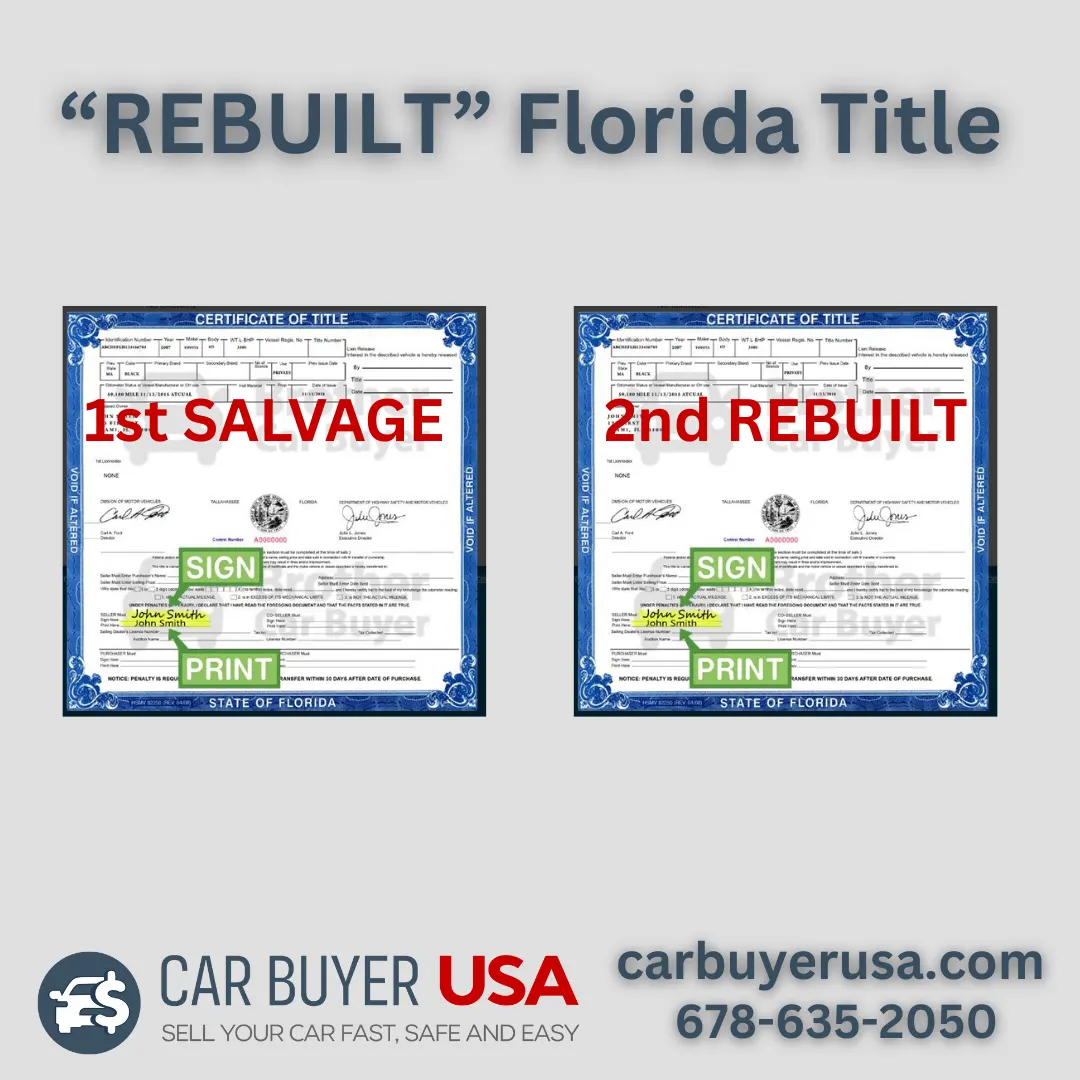
Understanding the Journey from Salvage to Rebuilt
To fully grasp the financial implications of a rebuilt title, it’s essential to understand the sequence of events that leads to this designation in Florida. The process begins with a severe incident and culminates in a state-issued certification, each step influencing the vehicle’s financial standing.
The Initial Salvage Designation
A vehicle typically receives a “salvage title” when an insurance company declares it a “total loss.” This determination is made when the cost of repairing the damaged vehicle exceeds a certain percentage of its actual cash value (ACV), often around 75-80% in Florida, depending on the insurer and specific circumstances. Damage leading to a salvage title can range from severe accidents, floods, fire, or even vandalism. From a financial perspective, a salvage title renders a vehicle essentially uninsurable for collision coverage and makes it illegal to drive on public roads. Its market value plummets dramatically, often making it attractive only to dismantlers for parts or individuals looking for a low-cost restoration project.
The Repair and Inspection Process
Once a vehicle has a salvage title, its owner or a subsequent buyer can choose to repair it. This is where significant financial outlay begins. All repairs must adhere to safety and operational standards. In Florida, after repairs are completed, the vehicle must undergo a thorough inspection by a state-certified inspector or Florida Highway Safety and Motor Vehicles (FLHSMV) personnel. This inspection is not merely a formality; it verifies that the vehicle is roadworthy, that all major components are in safe working order, and that the repairs were conducted properly. Crucially, the inspection also aims to deter chop shop operations and ensure that the vehicle’s identity has not been compromised with stolen parts. The cost of these repairs and the inspection fee directly contribute to the ultimate financial investment in the vehicle.
The Rebuilt Title Issuance
Upon successful completion of the state inspection, the FLHSMV will issue a “rebuilt title.” This new title replaces the salvage title and signifies that the vehicle has been repaired and inspected, making it legal to register, drive, and insure in Florida. However, it’s vital to understand that a rebuilt title is a permanent branding on the vehicle’s history. It acts as a perpetual flag, indicating its past total loss status. While it allows the vehicle to re-enter the consumer market, it fundamentally alters its financial standing compared to a clean-titled vehicle, affecting everything from valuation to resale potential.
Financial Implications for Buyers and Owners
The presence of a rebuilt title introduces a unique set of financial considerations that prospective buyers and current owners must meticulously evaluate. These implications span the entire lifecycle of vehicle ownership, from initial purchase to eventual resale.
Vehicle Valuation and Depreciation
Perhaps the most immediate financial impact of a rebuilt title is on the vehicle’s market value. A rebuilt title automatically devalues a vehicle significantly, often by 20% to 50% or even more, compared to an identical model with a clean title. This steep discount reflects the inherent risk and perceived uncertainty associated with a previously totaled vehicle. For a buyer, this can translate into a lower purchase price. However, it also means that the vehicle will likely depreciate at a different rate, and its future resale value will always be tethered to this branded title. The “bargain” price upfront might simply reflect a permanent markdown in asset value.
Insurance Coverage Challenges
Insuring a vehicle with a rebuilt title can be more challenging and expensive. While Florida law requires minimum liability coverage, securing comprehensive and collision insurance might prove difficult or cost-prohibitive. Some insurance companies may refuse to offer full coverage, or if they do, the premiums could be significantly higher due to the vehicle’s prior extensive damage history. Furthermore, in the event of a future accident, the payout for a rebuilt-titled vehicle is often based on its already diminished market value, which means the owner could face a larger financial loss if the vehicle is totaled again. Buyers must factor in potentially higher ongoing insurance costs or the risk of inadequate coverage.
Financing Difficulties
Securing a loan for a vehicle with a rebuilt title can be a formidable obstacle. Many lenders are reluctant to finance these vehicles due to their reduced collateral value and higher perceived risk of mechanical issues or future depreciation. If financing is available, it often comes with higher interest rates, shorter terms, or requires a larger down payment, significantly increasing the total cost of ownership over time. For individuals relying on financing, this aspect alone can make a rebuilt-titled vehicle financially impractical.
Resale Value and Market Perceptions
The long-term financial impact is most evident at resale. Even if a rebuilt-titled vehicle has been meticulously maintained and performs flawlessly, its permanent branding will severely limit its appeal to future buyers. The pool of interested purchasers shrinks considerably, often limited to those specifically seeking a deeply discounted vehicle and willing to accept the associated risks. As a result, sellers of rebuilt-titled vehicles typically face longer sales cycles and must accept a significantly lower price than they would for a comparable clean-title vehicle. This makes it a less liquid asset and a potentially challenging investment from a financial return perspective.
Navigating the Purchase of a Rebuilt Title Vehicle
While financially challenging, purchasing a rebuilt title vehicle can present an opportunity for significant savings for the savvy and cautious buyer. However, it necessitates rigorous due diligence to mitigate the inherent financial risks.

Due Diligence: What to Look For
Before considering a purchase, obtain a comprehensive vehicle history report (e.g., CarFax or AutoCheck). This report will confirm the salvage branding, detail the nature of the original damage, and often list subsequent repair records if reported. Beyond the report, scrutinize all available repair documentation. Insist on seeing receipts, photos of the repair process, and any warranty information on parts or labor. Look for consistency and thoroughness in the repairs. Buyers should specifically inquire about the type of damage sustained (e.g., structural, flood, fire) as some types of damage carry higher long-term risks.
The Importance of a Pre-Purchase Inspection
A pre-purchase inspection (PPI) by an independent, certified mechanic who specializes in body and mechanical work is non-negotiable for a rebuilt-titled vehicle in Florida. This is arguably the single most critical financial safeguard. The mechanic should be informed that the vehicle has a rebuilt title so they can pay particular attention to areas commonly affected by severe damage, such as the frame, suspension, electrical systems, and engine components. A thorough PPI can uncover hidden damage, substandard repairs, or lingering issues that could lead to substantial future expenses, effectively turning an apparent bargain into a financial burden. This small upfront investment can save thousands down the line.
Understanding Florida-Specific Regulations
Florida has specific regulations regarding rebuilt titles. Buyers should ensure that the rebuilt title has been properly issued by the FLHSMV and that all procedures were followed. This includes verification that the required inspections were completed. Knowledge of these regulations protects buyers from purchasing improperly titled or potentially unsafe vehicles, which could lead to legal complications and significant financial losses. The FLHSMV website is an invaluable resource for understanding the exact requirements.
The Pros and Cons from a Financial Standpoint
Deciding whether to buy a vehicle with a rebuilt title involves weighing potential financial advantages against significant disadvantages.
Potential Cost Savings
The primary financial appeal of a rebuilt title vehicle is its lower purchase price. For buyers operating on a strict budget, this can be the only way to afford a newer model or a vehicle with more features than they could otherwise obtain with a clean title. If the repairs were performed expertly and the vehicle proves reliable, the initial savings can be substantial, representing a direct financial benefit.
Hidden Risks and Long-Term Costs
Conversely, the long-term financial risks are considerable. Hidden damage, even after inspection, can manifest as unexpected repair costs down the line. Structural integrity issues, while less common after a proper inspection, could lead to safety compromises. Electrical system damage from flood or fire can cause intermittent and notoriously expensive problems. These unforeseen expenditures can quickly erode any initial savings, potentially making the rebuilt vehicle more expensive to own over its lifespan than a clean-title counterpart. Moreover, as discussed, higher insurance premiums and limited resale value are ongoing financial drains.
Impact on Your Personal Financial Portfolio
From a personal finance perspective, a rebuilt title vehicle represents a less liquid and potentially more volatile asset. It requires a more substantial emergency fund to cover potential unexpected repairs. While the initial cash outlay might be lower, the overall financial picture involves managing increased risk and accepting a depreciating asset with limited market appeal. It’s crucial to assess if such an investment aligns with your personal financial risk tolerance and long-term financial goals.
Expert Advice for Florida Car Shoppers
For those considering a rebuilt title vehicle in Florida, an informed and cautious approach is paramount to protecting your financial interests.
Consulting with Financial Advisors or Auto Experts
Before committing to a purchase, consider speaking with a financial advisor, particularly one with experience in asset valuation or risk assessment. They can help you understand the long-term implications for your personal balance sheet. Additionally, consulting with auto experts, beyond just the pre-purchase inspection, can provide valuable insights into the common issues associated with specific types of damage and vehicle models. Their expertise can help you make a more informed financial decision.
Budgeting for Unexpected Expenses
Any buyer of a rebuilt title vehicle should proactively budget for potential unexpected repairs. Set aside a dedicated fund specifically for this purpose. This financial cushion can help absorb the shock of future mechanical or electrical issues without derailing your overall budget. Think of it as a mandatory contingency fund for an asset with higher inherent risk.
Protecting Your Investment
If you do proceed with buying a rebuilt title vehicle, protect your investment by keeping meticulous records of all maintenance and repairs performed during your ownership. These detailed records, coupled with a history of responsible ownership, can slightly improve its standing when you eventually sell it, though the rebuilt title branding will always remain. Understand that this type of vehicle requires a different mindset regarding ownership and financial management, demanding proactive maintenance and a realistic expectation of its market value.
aViewFromTheCave is a participant in the Amazon Services LLC Associates Program, an affiliate advertising program designed to provide a means for sites to earn advertising fees by advertising and linking to Amazon.com. Amazon, the Amazon logo, AmazonSupply, and the AmazonSupply logo are trademarks of Amazon.com, Inc. or its affiliates. As an Amazon Associate we earn affiliate commissions from qualifying purchases.