
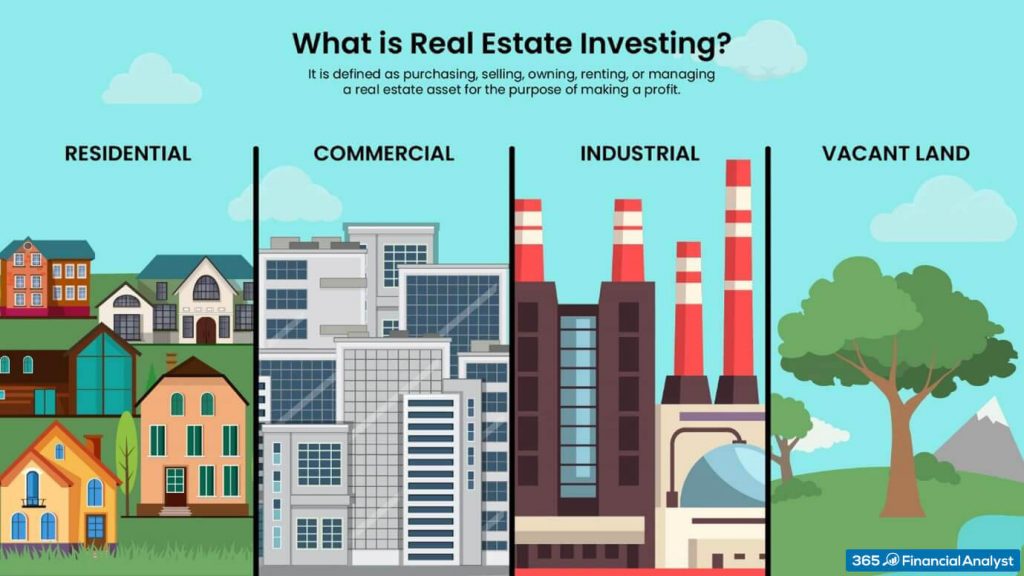
A real estate investor is an individual or entity that purchases, manages, and sells properties with the primary goal of generating a return on investment. Unlike a homeowner who buys property primarily for personal use, an investor’s motivation is profit, whether through rental income, property appreciation, or a combination of both. This pursuit of financial gain positions real estate investing firmly within the broader landscape of wealth creation strategies, making it a cornerstone for many seeking financial independence and diversification of assets.
The Core Pursuit of Profit: Defining the Investor’s Objective
At its heart, real estate investing is an economic endeavor focused on capital deployment for financial gain. The objective extends beyond mere ownership to active participation in the property market, leveraging assets to create wealth. This can manifest in several ways, each driven by specific financial goals and risk tolerances.
Distinguishing Investment from Consumption
The fundamental difference between a real estate investor and a typical homeowner lies in intent. A homeowner consumes the utility of their property, paying for shelter and personal space. An investor, however, views property as a productive asset. They analyze properties based on their potential to generate cash flow, appreciate in value, or provide tax advantages. Every decision, from acquisition to disposition, is filtered through a financial lens, calculating return on investment (ROI), capitalization rates, cash-on-cash returns, and internal rate of return (IRR). This analytical approach underscores the investor’s commitment to optimizing financial outcomes from their real estate portfolio.
Active vs. Passive Investment Strategies
Real estate investing offers a spectrum of engagement levels, from highly active to relatively passive. An active investor might be involved in every stage: identifying distressed properties, financing, overseeing renovations, managing tenants, and ultimately selling for profit. This approach demands significant time, skill, and capital, but often yields higher direct returns due to the value added by the investor’s efforts.
Conversely, passive real estate investors seek returns with minimal direct involvement. This can include investing in Real Estate Investment Trusts (REITs), real estate crowdfunding platforms, or partnering with experienced developers. While the potential for direct control and outsized returns might be lower, passive strategies offer diversification and liquidity benefits, appealing to those who wish to allocate capital without the operational burdens of property management. Understanding the distinction is crucial for aligning investment strategies with personal financial capacity and lifestyle preferences.
Diverse Avenues of Real Estate Investment
The realm of real estate investing is vast, encompassing numerous strategies and property types, each with its own financial characteristics and risk profiles. Investors typically choose paths that align with their capital availability, market knowledge, and investment objectives.
Residential Real Estate Ventures
Residential real estate remains a popular entry point for many investors. This category includes single-family homes, duplexes, triplexes, and larger multi-family apartment complexes. Strategies here often revolve around generating consistent rental income and benefiting from long-term property appreciation.
- Buy-and-Hold for Rental Income: Investors purchase properties with the intent of renting them out, generating recurring cash flow. Success in this strategy hinges on thorough market analysis of rental demand, property management efficiency, and prudent expense control to ensure positive cash flow after mortgage payments, taxes, insurance, and maintenance.
- Fix-and-Flip: This strategy involves purchasing undervalued properties, renovating them to increase their market value, and then selling them quickly for a profit. It requires a keen eye for potential, accurate cost estimation for repairs, efficient project management, and a strong understanding of local market resale values. While potentially lucrative, it carries higher risks associated with renovation overruns, market timing, and unexpected property issues.
- House Hacking: A strategy where an investor buys a multi-unit property (e.g., a duplex) or a single-family home with extra rooms, lives in one unit or room, and rents out the others. This allows the rental income to offset or even cover the investor’s mortgage, significantly reducing living expenses and building equity.
Commercial Real Estate Opportunities
Commercial real estate (CRE) involves properties used specifically for business activities, such as office buildings, retail spaces, industrial warehouses, and hospitality venues. CRE often demands higher capital investment and possesses a different risk/reward profile compared to residential properties.
- Office Buildings: Investors acquire properties to lease to businesses for their operations. Lease terms are typically longer than residential, providing stable income, but market downturns can lead to higher vacancy rates.
- Retail Spaces: Shopping centers, strip malls, and individual retail units generate income from leases with retail businesses. Performance is highly dependent on consumer spending trends and location viability.
- Industrial Properties: Warehouses, manufacturing facilities, and distribution centers are leased to industrial tenants. The growth of e-commerce has fueled demand in this sector, making it an attractive option for some investors.
Indirect and Alternative Investment Methods
For investors who prefer a more hands-off approach or seek diversification without direct property ownership, several indirect methods exist.
- Real Estate Investment Trusts (REITs): REITs are companies that own, operate, or finance income-producing real estate. They are publicly traded on stock exchanges, offering investors a way to own a piece of large-scale real estate portfolios without direct property management. REITs are legally required to distribute a significant portion of their taxable income to shareholders annually, making them attractive for dividend income.
- Real Estate Crowdfunding: Platforms that allow multiple investors to pool capital to fund specific real estate projects or properties. This democratizes access to larger, more sophisticated investments that might otherwise be out of reach for individual investors, often requiring lower minimum investments than direct ownership.
The Investor’s Financial Acumen and Mindset
Successful real estate investing is not merely about buying property; it requires a blend of financial literacy, strategic thinking, and a disciplined mindset. Investors must cultivate specific skills to navigate the complexities of the market effectively.
Mastering Financial Analysis and Projections
At the core of a real estate investor’s toolkit is a strong command of financial analysis. This involves:

- Understanding Cash Flow: Projecting income (rent, fees) against expenses (mortgage, taxes, insurance, maintenance, vacancies) to determine a property’s net operating income (NOI) and ultimately, its cash flow. Positive cash flow is often a primary indicator of a healthy investment.
- Return on Investment (ROI) Calculation: Evaluating the profitability of an investment relative to its cost. Investors use metrics like cash-on-cash return (annual pre-tax cash flow divided by total cash invested) and capitalization rate (NOI divided by property value) to compare different opportunities.
- Leverage and Debt Management: Real estate is unique in its ability to be leveraged, allowing investors to control a significant asset with a relatively small amount of their own capital (e.g., through mortgages). Understanding different financing options, interest rates, and debt-to-equity ratios is crucial for optimizing returns while managing risk.
- Tax Implications: Savvy investors understand the tax advantages associated with real estate, such as depreciation, property tax deductions, and the potential for 1031 exchanges (deferring capital gains taxes when reinvesting proceeds from a sale into a new property).
Strategic Market Research and Risk Mitigation
Beyond individual property analysis, investors must possess the ability to assess broader market conditions and mitigate potential risks.
- Market Cycle Awareness: Recognizing where the local, regional, or national real estate market is in its cycle (boom, bust, recovery) helps in timing acquisitions and dispositions.
- Demographic and Economic Trends: Analyzing population growth, job creation, income levels, and local development plans to identify areas with strong investment potential.
- Due Diligence: Thoroughly investigating a property’s physical condition, legal status, zoning regulations, and environmental factors before purchase to uncover potential liabilities.
- Contingency Planning: Anticipating potential challenges like vacancies, unexpected repairs, or market downturns and building financial reserves or exit strategies to address them.
The Financial Benefits and Inherent Challenges
Real estate investing offers a compelling path to wealth accumulation, yet it is not without its complexities and risks. A balanced understanding of both aspects is crucial for any aspiring investor.
Pathways to Wealth Creation
The allure of real estate investment stems from several powerful financial mechanisms:
- Appreciation: Over the long term, real estate values tend to increase due to inflation, population growth, and economic development, allowing investors to sell properties for more than they paid.
- Cash Flow: Rental income provides a consistent stream of revenue, which can be used to cover expenses, pay down debt, or generate passive income for the investor.
- Leverage: The ability to use borrowed money (mortgages) to finance a significant portion of a property’s purchase price amplifies returns on the investor’s equity, creating wealth faster than if only personal capital were used.
- Tax Advantages: Depreciation write-offs, deductions for expenses like mortgage interest and property taxes, and the ability to defer capital gains through 1031 exchanges can significantly reduce an investor’s tax burden, effectively increasing net returns.
- Inflation Hedge: Real estate often acts as a hedge against inflation, as property values and rental income tend to rise with the cost of living, preserving purchasing power.
Understanding the Downsides and Risks
Despite its benefits, real estate investing carries inherent challenges that demand careful consideration:
- Illiquidity: Real estate is not as liquid as stocks or bonds; selling a property can take months, making it difficult to access capital quickly in an emergency.
- Capital Intensity: Acquiring properties often requires substantial upfront capital for down payments, closing costs, and renovations, making entry challenging for some.
- Management Demands: Direct property ownership, especially for rental units, can be time-consuming due to tenant management, maintenance issues, and administrative tasks. While property managers can alleviate this, their fees impact cash flow.
- Market Volatility: Property values are subject to market cycles and economic downturns, which can lead to periods of stagnation or depreciation, affecting an investor’s equity.
- Unforeseen Expenses: Unexpected repairs, natural disasters, or changes in regulatory requirements can lead to significant unbudgeted costs, eroding profitability.
Embarking on the Investment Journey
For those aspiring to become real estate investors, a structured approach focused on education, financial preparedness, and strategic action is paramount.
Education and Continuous Learning
The foundation of successful real estate investing is knowledge. This involves:
- Self-Study: Devouring books, articles, podcasts, and online courses focused on real estate finance, market analysis, legal aspects, and property management.
- Mentorship: Seeking guidance from experienced investors who can provide invaluable insights, practical advice, and help navigate common pitfalls.
- Networking: Connecting with other investors, real estate agents, lenders, contractors, and legal professionals to build a supportive ecosystem and uncover opportunities.
Financial Readiness and Strategic Planning
Before making the first investment, solid financial groundwork is essential:
- Building Capital: Accumulating savings for down payments, closing costs, and a robust emergency fund to cover unexpected expenses or vacancies.
- Credit Health: Maintaining a strong credit score is crucial for securing favorable loan terms, which directly impacts profitability.
- Defining Investment Goals: Clearly outlining objectives (e.g., specific cash flow targets, appreciation goals, timeline) helps in formulating a tailored investment strategy.
- Risk Assessment: Understanding one’s personal risk tolerance and structuring investments accordingly, perhaps starting with lower-risk options like REITs or small-scale residential properties.

Assembling a Professional Team
No real estate investor operates in a vacuum. A reliable team of professionals is indispensable:
- Real Estate Agent: A skilled agent with investor experience can identify suitable properties and assist with negotiations.
- Mortgage Broker/Lender: Essential for securing financing with competitive rates and terms.
- Real Estate Attorney: Provides legal guidance, reviews contracts, and ensures smooth transactions.
- Accountant/CPA: Advises on tax strategies, deductions, and financial structuring to optimize returns.
- Contractors/Property Managers: For those pursuing active strategies like fix-and-flip or rental properties, reliable service providers are critical for maintenance and operations.
Becoming a real estate investor is a journey of continuous learning, strategic decision-making, and disciplined financial management. By understanding the core principles, exploring diverse avenues, cultivating essential skills, and managing risks effectively, individuals can leverage real estate to build substantial and sustainable wealth.
aViewFromTheCave is a participant in the Amazon Services LLC Associates Program, an affiliate advertising program designed to provide a means for sites to earn advertising fees by advertising and linking to Amazon.com. Amazon, the Amazon logo, AmazonSupply, and the AmazonSupply logo are trademarks of Amazon.com, Inc. or its affiliates. As an Amazon Associate we earn affiliate commissions from qualifying purchases.