
In an increasingly interconnected and digital world, the way we share, use, and build upon creative and technical works has profound implications for innovation, collaboration, and commerce. At the heart of this dynamic lies the concept of a public license – a fundamental legal instrument that dictates the terms under which intellectual property, particularly software, data, and creative content, can be freely accessed, used, modified, and distributed by the public. Far from being a niche legal detail, public licenses are the unseen architects shaping the landscape of technology development, brand strategy, and even financial models across countless industries.
A public license essentially serves as a universal permission slip. It’s a set of legally binding terms and conditions established by the copyright holder, granting broad permissions to anyone who wishes to use their work, typically without requiring individual negotiation or payment. Unlike traditional proprietary licenses that often restrict usage or demand fees, public licenses embody a philosophy of openness and sharing, designed to foster community, accelerate progress, and democratize access to valuable resources. From the operating system powering billions of devices to the AI algorithms driving cutting-edge research, and even the creative works enriching our daily lives, public licenses are the bedrock upon which much of our modern digital ecosystem is built. Understanding them is not just a matter of legal compliance; it’s key to grasping the opportunities and challenges in tech, branding, and finance in the 21st century.
The Foundation: Understanding the Core Concepts of Public Licensing
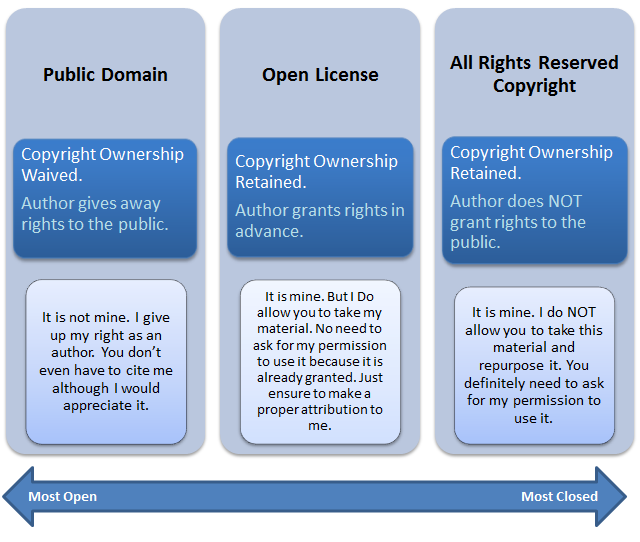
To truly appreciate the pervasive influence of public licenses, one must first grasp their foundational principles. They represent a paradigm shift from the traditional “all rights reserved” model of copyright to an “some rights reserved” or “all rights granted with conditions” approach, fostering an environment where innovation can flourish through collective effort.
Defining Public Licenses: More Than Just “Free”
The term “public license” often conjures images of “free software” or “free content.” While many works under public licenses are indeed available at no monetary cost, the “free” in this context primarily refers to freedom – the liberty to use, study, modify, and distribute the work. It signifies freedom from restrictive proprietary constraints, enabling users to adapt the work to their specific needs and share those adaptations with others. This philosophical underpinning is crucial: public licenses aren’t just about zero-cost access; they’re about empowering users and fostering an open ecosystem where knowledge and tools can evolve collaboratively. They leverage existing copyright law to grant specific permissions that would otherwise be reserved exclusively for the copyright holder.
Key Characteristics and Legal Frameworks
Every public license, regardless of its specific terms, shares several core characteristics. They are typically non-exclusive, meaning the licensor can grant the same rights to multiple parties simultaneously. They are usually irrevocable, ensuring that once rights are granted, they cannot be arbitrarily revoked (though violations of terms can lead to termination of the license for the violator). Crucially, they are often worldwide and royalty-free, eliminating geographical boundaries and financial barriers to entry.
The legal basis for public licenses stems directly from existing copyright law. Instead of asserting all rights, the copyright holder proactively grants a specific set of permissions. These permissions are contingent upon adherence to the license’s terms, which often include requirements for attribution, sharing modifications under the same license, or providing specific disclaimers. Failure to comply with these terms typically results in the automatic termination of the license for the infringing party, reverting their usage rights to the default “all rights reserved” stance of copyright law. This ingenious mechanism allows copyright holders to maintain control while simultaneously promoting broad usage and collaboration.
Types of Public Licenses: Permissive vs. Copyleft
Public licenses broadly fall into two main categories, each with distinct philosophies and implications for how derivatives can be managed:
-
Permissive Licenses: These are the most accommodating licenses, placing minimal restrictions on how the licensed work can be used, modified, and redistributed. They typically require little more than attribution to the original author. Examples include the MIT License, Apache License 2.0, and the BSD Licenses. Their primary goal is to maximize freedom and adoption, allowing developers and companies to integrate the licensed code into proprietary projects without mandating that their modifications also be open source. This flexibility makes them popular for libraries, frameworks, and components intended for widespread commercial use.
-
Copyleft Licenses: In contrast, copyleft licenses are designed to ensure that derivative works retain the same “free” status as the original. The most prominent example is the GNU General Public License (GPL). The core principle of copyleft, often described as “share-alike,” is that if you distribute a modified version of a copyleft-licensed work, your modifications must also be released under the same or a compatible copyleft license. This “viral” nature ensures that the freedoms granted by the original license are propagated through the ecosystem, preventing the privatization of open-source contributions. Copyleft aims to protect the commons of free software, guaranteeing that future users will always have the same freedoms as the original users.
Beyond software, similar principles apply to creative works through Creative Commons (CC) licenses. These offer a spectrum of options, from highly permissive (CC BY, requiring only attribution) to more restrictive copyleft variants (CC BY-SA, requiring ShareAlike), and even options that prohibit commercial use (CC BY-NC) or modifications (CC BY-ND). The choice of license profoundly impacts the trajectory of a project, influencing its community, adoption, and commercial viability.
The Technical Backbone: How Public Licenses Drive Innovation in Software and AI
The technology sector is arguably where public licenses have had their most transformative impact. They are not merely legal documents but foundational elements that enable the rapid pace of innovation, foster collaborative development models, and enhance crucial aspects like digital security.
Powering Open Source Software and Collaborative Development
Public licenses are synonymous with open source software (OSS), a movement that has reshaped the entire software industry. From operating systems like Linux, web servers like Apache, and databases like MySQL, to programming languages like Python and development tools like Git, the infrastructure of the internet and modern computing is largely built on OSS governed by public licenses. These licenses enable:
- Rapid Development Cycles: Developers worldwide can contribute to projects simultaneously, identifying bugs, adding features, and refining code far more quickly than proprietary models.
- Massive Collaboration: Geographically dispersed teams and individuals can pool their expertise, leading to robust and well-tested solutions. The ability to inspect, modify, and distribute the source code without fear of legal repercussions is a powerful incentive for collective improvement.
- Accessibility and Customization: Businesses and individuals can access powerful software without initial licensing costs, tailoring it to their specific needs. This dramatically lowers the barrier to entry for startups and individual developers.
- Interoperability: Publicly licensed standards and software components foster greater compatibility across diverse systems, preventing vendor lock-in and promoting a more cohesive technological landscape.
For example, the widespread adoption of cloud computing, a cornerstone of modern tech, heavily relies on open-source technologies like Kubernetes and Docker, all operating under public licenses. These tools allow companies to deploy and manage applications at scale with unprecedented flexibility and efficiency, a feat that would be far more challenging and costly in a purely proprietary ecosystem.
AI/ML Datasets and Model Sharing: Accelerating Progress
The burgeoning fields of Artificial Intelligence and Machine Learning are increasingly leveraging public licenses, not just for the underlying software frameworks (like TensorFlow or PyTorch), but critically for datasets and pre-trained models. The sheer volume and diversity of data required to train effective AI models, coupled with the computational intensity of training, make open sharing indispensable.
- Democratizing AI Development: Publicly available datasets (e.g., ImageNet, Open Images) and pre-trained models (e.g., BERT, GPT variants often with certain usage restrictions) allow researchers and developers to build sophisticated AI applications without having to collect and label vast amounts of data from scratch. This democratizes AI development, enabling smaller teams, academic institutions, and even hobbyists to contribute to and benefit from AI advancements.
- Benchmarking and Reproducibility: Sharing models and datasets under public licenses facilitates rigorous benchmarking and ensures research reproducibility, critical for validating findings and building cumulative knowledge in a rapidly evolving field. Researchers can compare their work against established baselines, accelerating the pace of discovery.
- Ethical AI and Transparency: Publicly licensed AI components can also foster greater transparency and accountability. By allowing inspection of model architectures and training data, the community can scrutinize for biases, security vulnerabilities, or unintended consequences, contributing to the development of more ethical and robust AI systems. Licenses specifically for data, like the Open Data Commons licenses, are becoming vital here.
Enhancing Digital Security and Transparency
In an era rife with cyber threats and data breaches, digital security and transparency are paramount. Public licenses, particularly for open-source software, play a significant role in strengthening these aspects:
- “Many Eyes” Principle: The core benefit for security is the “many eyes” principle. When source code is publicly accessible, a vast community of developers, security researchers, and users can review it for vulnerabilities. This collective scrutiny often leads to faster identification and patching of bugs and security flaws compared to proprietary software, where code is a black box.
- Trust and Auditability: For critical infrastructure, governments, and regulated industries, the ability to audit the source code is invaluable. Public licenses allow for independent security audits, ensuring that there are no hidden backdoors, malicious code, or unintentional vulnerabilities. This transparency builds trust in the software that powers essential services.
- Faster Patching and Updates: The open-source community’s decentralized nature often means that security patches and updates can be developed and distributed rapidly once a vulnerability is discovered, mitigating risks more quickly than traditional release cycles.
- Resilience: The diverse contributions and distributed nature of OSS development can lead to more resilient software. Dependencies on a single vendor are reduced, and the community can often maintain projects even if the original developers move on.
The security of operating systems, encryption tools, and network protocols is frequently bolstered by their open-source nature, directly enabled by public licenses. This makes them a cornerstone of modern cybersecurity strategies.
Branding and Beyond: The Strategic Impact on Reputation and Marketing
While often viewed through a technical or legal lens, public licenses hold significant strategic implications for branding, marketing, and corporate identity. Engaging with the open ecosystem can profoundly shape how a company, product, or even an individual is perceived.
Building Trust and Reputation through Openness
In today’s market, transparency is a highly valued commodity. Companies that embrace public licenses and contribute to open-source projects can significantly enhance their brand reputation:
- Demonstrating Transparency: By making their code or content publicly available, companies signal a commitment to transparency and openness. This builds trust with customers, partners, and the developer community, who appreciate the ability to inspect, understand, and even contribute to the tools they use.
- Establishing Credibility and Expertise: Actively participating in open-source communities, particularly by developing and maintaining widely used projects, positions a brand as a thought leader and expert in its field. It showcases engineering prowess and a commitment to advancing the industry as a whole.
- Community Engagement: Sponsoring or contributing to open-source projects demonstrates a company’s commitment to community and collaboration. This can foster strong relationships with developers, who often act as influencers and early adopters, creating a loyal following.
- Recruitment Advantage: For tech companies, a strong commitment to open source can be a powerful recruitment tool. Developers are often drawn to organizations that allow them to work on and contribute to publicly available projects, seeing it as an opportunity for growth and impact. This enhances the employer brand, attracting top talent.
Brands like Google, Microsoft, and IBM have strategically invested heavily in open source, not just for technical benefits, but also to cultivate an image of innovation, community leadership, and trustworthiness.
Marketing Innovation: Leveraging Open Source for Competitive Advantage
Public licenses can be a powerful differentiator in a crowded market, providing unique avenues for marketing and competitive advantage:
- “Open Source” as a Marketing Differentiator: For many products and services, being “open source” is a significant selling point. It implies flexibility, auditability, community support, and freedom from vendor lock-in. Marketing campaigns can highlight these benefits, appealing to a customer base that values control and transparency.
- Ecosystem Development and Network Effects: By releasing core components under public licenses, companies can foster a vibrant ecosystem around their products. Third-party developers build extensions, integrations, and complementary services, which in turn enhance the value proposition of the original product. This creates powerful network effects that can be difficult for competitors to replicate.
- Rapid Adoption and Market Penetration: The low barrier to entry offered by public licenses (often no initial cost) allows products to gain rapid adoption. Once users are familiar with and invested in the open-source core, they are more likely to consider premium or supported versions offered by the original developer.
- Content Marketing and Thought Leadership: Contributions to open-source projects, whether code, documentation, or tutorials, inherently generate valuable content. This content can be leveraged for blog posts, webinars, and case studies, positioning the brand as a leader and generating organic traffic and interest.
Consider WordPress: its open-source nature, enabled by the GPL, allowed it to become the most popular content management system in the world. Its widespread adoption then fueled a massive ecosystem of themes, plugins, and hosting providers, cementing its dominant market position.
Personal Branding for Developers and Innovators
Public licenses are not just for corporations; they are critical for individual developers, designers, and innovators in building their personal brands:
- Showcasing Skills and Portfolio: Contributing to publicly licensed projects on platforms like GitHub provides an invaluable, verifiable portfolio for developers. Recruiters can directly assess their coding style, problem-solving abilities, and collaboration skills. This is often more impactful than a traditional resume.
- Establishing Expertise and Thought Leadership: By actively participating in open-source communities, individuals can establish themselves as experts in specific technologies or domains. Their contributions, forum discussions, and bug fixes contribute to their reputation as knowledgeable and capable professionals.
- Networking and Opportunities: Engagement with open-source projects fosters connections with peers, mentors, and potential employers. This networking can lead to job offers, collaborations, speaking engagements, and increased visibility within the tech community.
- Impact and Contribution: For many, the ability to contribute to projects used by millions worldwide is a significant motivator and a powerful boost to personal satisfaction and brand. Being associated with successful, widely adopted open-source tools enhances one’s professional standing.
A strong GitHub profile adorned with contributions to influential open-source projects can be a developer’s most valuable asset, directly enhancing their personal brand and opening doors to new career opportunities.
The Financial Dimension: Unlocking Value and Revenue in the Open Ecosystem
While public licenses often imply “free” access, they paradoxically enable robust and diverse financial models. They fundamentally alter how value is created, distributed, and monetized in the digital economy, impacting everything from startup funding to individual income generation.
Diverse Business Models Built on Public Licenses
The notion that “you can’t make money from free software” is a pervasive myth. Public licenses have spawned a multitude of successful business models:
- Support and Services: Companies build profitable businesses by offering commercial support, consulting, training, and custom development services for open-source software. Red Hat, a billion-dollar company, is a prime example, providing enterprise-grade Linux distributions and support.
- Open Core Model: This strategy involves releasing a core version of a product under a public license and offering proprietary, premium features, integrations, or advanced functionalities under a commercial license. GitLab and MongoDB effectively utilize this model, providing a free entry point while monetizing enhanced capabilities for enterprise clients.
- Hybrid Solutions and Dual Licensing: Some projects offer their software under a public license for non-commercial or specific use cases, and simultaneously under a commercial license for those who cannot or do not wish to comply with the public license’s terms (e.g., to avoid copyleft obligations).
- Hosting and Managed Services: Companies can offer cloud-hosted versions of open-source software, managing deployment, scaling, and maintenance for their customers. This allows users to leverage powerful open-source tools without the operational overhead.
- Hardware and Integration: Open-source software often drives demand for specific hardware or integrates into proprietary hardware solutions. Companies can sell the hardware or the integrated solution itself.
These models demonstrate that public licenses are not anti-profit; rather, they enable different ways of capturing value, often by shifting focus from licensing fees to value-added services, convenience, and specialized features.
Cost Efficiency, Resource Allocation, and Investment Opportunities
Public licenses offer tangible financial benefits for organizations of all sizes:
- Significant Cost Savings: By utilizing publicly licensed software, businesses can drastically reduce or eliminate initial software licensing fees, reallocating those funds to innovation, talent acquisition, or other strategic investments. This is particularly impactful for startups and small businesses with limited budgets.
- Reduced Vendor Lock-in: The freedom to inspect, modify, and distribute open-source software means companies are not beholden to a single vendor. This fosters competition, keeps costs down, and provides greater control over their technological stack, reducing long-term financial risk.
- Faster Time to Market: Leveraging existing open-source components and frameworks accelerates development, allowing products and services to reach the market more quickly and cost-effectively.
- Investment Appeal: Companies that effectively build businesses around public licenses can be attractive investments. Their models often benefit from strong community support, rapid innovation, and a lower cost basis for core technology, potentially leading to higher profit margins and sustainable growth. Investors increasingly recognize the strategic value of open-source adoption and contribution.
- Risk Mitigation: The “many eyes” principle for security and the community-driven development model can reduce the financial risk associated with software vulnerabilities and development bottlenecks.
Financial tools themselves often rely on public licenses, from blockchain platforms like Ethereum to data analysis libraries in Python (e.g., Pandas, NumPy). These open tools democratize complex financial operations and analysis, enabling smaller firms and individual investors to compete more effectively.
Public Licenses as a Catalyst for Online Income and Side Hustles
For individuals, public licenses open up numerous avenues for generating online income and developing side hustles:
- Freelance Development and Consulting: Expertise in popular open-source technologies (e.g., Python, JavaScript frameworks, Linux, Kubernetes) is highly sought after. Developers can offer freelance services, custom development, or consulting to businesses leveraging these tools.
- Creating and Selling Complementary Products: Individuals can develop themes, plugins, extensions, or integrations for popular open-source platforms (like WordPress, Shopify’s app store, etc.) and sell them. The large user base of these open-source systems creates a ready market.
- Bounties and Grants: Many open-source projects offer bounties for bug fixes, feature development, or documentation. Organizations and foundations also provide grants to support open-source contributors, offering a direct financial reward for contributions.
- Education and Training: Creating courses, tutorials, or workshops around publicly licensed software is a viable income stream. The demand for learning these widely used technologies is immense.
- Donations and Sponsorships: For popular open-source projects or individual contributors, platforms like GitHub Sponsors or Patreon allow users and companies to directly support their work through donations or recurring sponsorships.
- Monetizing Data and AI Models: As the AI ecosystem matures, individuals and small teams can develop and release specialized datasets or pre-trained models under public licenses, potentially offering premium versions or consultation services for their use.
In essence, public licenses create an “open market” for skills, services, and niche products, empowering individuals to leverage their expertise and contribute to a global digital commons while simultaneously building sustainable income streams.
Navigating the Landscape: Best Practices and Future Trends
The world of public licenses is dynamic, with new licenses emerging and existing ones evolving. For individuals and organizations alike, navigating this landscape effectively is crucial for maximizing benefits and ensuring compliance.
Choosing the Right License: A Strategic Decision
Selecting the appropriate public license for a project is one of the most critical strategic decisions an author or organization can make. It directly impacts:
- Project Goals: Does the project aim for maximum adoption and flexibility (permissive license) or to ensure all derivatives remain open (copyleft license)?
- Community Engagement: Different licenses attract different types of contributors and users. Permissive licenses might appeal to corporations, while strong copyleft licenses attract activists and open-source purists.
- Commercial Viability: The license choice influences how a project can be monetized. Companies building proprietary products might prefer to use permissive libraries, while those building open-source businesses might contribute to copyleft projects.
- Interoperability: Compatibility between licenses is crucial. A project licensed under GPL cannot easily incorporate code from a project under the Apache license without careful consideration of compatibility rules.
- Intellectual Property Strategy: The license reflects the overall IP strategy – whether to foster a truly open commons or to use openness as a stepping stone to proprietary offerings.
Consulting with legal experts specializing in open-source licensing is often advisable for complex projects, ensuring that the chosen license aligns perfectly with long-term objectives and avoids potential legal pitfalls.
Compliance and Contribution: Practical Considerations
Once a license is chosen (or when using software under a public license), compliance becomes paramount. This involves:
- Understanding License Obligations: Carefully reading and understanding the specific terms of any public license is essential. This includes requirements for attribution, notice retention, providing source code, or sharing modifications.
- Maintaining License Notices: When distributing software or content, ensuring all original license notices, copyright statements, and disclaimers are preserved is a common requirement.
- Due Diligence for Dependencies: Most modern software relies on numerous third-party libraries and components, each potentially under a different public license. Organizations must perform due diligence to track all dependencies and ensure aggregate compliance. Tools exist to help automate this process.
- Contributing Responsibly: When contributing to an open-source project, developers implicitly agree to the project’s license. Understanding these terms before contributing helps ensure that one’s contributions align with the project’s goals and legal framework.
- Internal Policies: Organizations should establish clear internal policies for using, contributing to, and releasing open-source software, educating employees on licensing best practices.
Looking ahead, the landscape of public licenses will continue to evolve, especially with the rise of AI, blockchain, and new forms of digital assets. We may see more specialized licenses for AI models, datasets, or even decentralized autonomous organizations (DAOs). The principles of transparency, collaboration, and freedom, however, will likely remain at the core of what defines a public license, continuing to shape our technological, brand, and financial futures.
Conclusion
Public licenses are far more than mere legal documents; they are powerful enablers that have fundamentally reshaped the digital world. By providing a clear, pre-defined framework for sharing intellectual property, they have become the technical backbone of the open-source movement, fueling unprecedented innovation in software and AI. Beyond their technical utility, these licenses serve as strategic tools for branding, allowing companies and individuals to build trust, foster community, and establish credibility through transparency and collaboration. Financially, public licenses have debunked the myth that “free” means “without value,” instead giving rise to diverse, robust business models that leverage community, services, and hybrid offerings, while also democratizing access to powerful tools and creating new avenues for individual income.
From the complex infrastructure that powers our internet to the personal branding of a developer and the financial strategies of tech giants, public licenses are woven into the fabric of modern life. Understanding their nuances, from the permissive freedoms of MIT to the protective “share-alike” philosophy of the GPL, is essential for anyone navigating the interconnected worlds of technology, branding, and finance. As digital innovation continues its relentless march forward, public licenses will remain a cornerstone, ensuring that the benefits of collective intelligence and creativity can continue to be shared, adapted, and built upon, empowering the next generation of digital breakthroughs.
aViewFromTheCave is a participant in the Amazon Services LLC Associates Program, an affiliate advertising program designed to provide a means for sites to earn advertising fees by advertising and linking to Amazon.com. Amazon, the Amazon logo, AmazonSupply, and the AmazonSupply logo are trademarks of Amazon.com, Inc. or its affiliates. As an Amazon Associate we earn affiliate commissions from qualifying purchases.