
In the dynamic and ever-evolving landscape of healthcare, a multitude of roles work in concert to provide comprehensive patient care. Among these vital professionals, the Personal Support Worker (PSW) stands out as a cornerstone of direct patient assistance, offering hands-on care and emotional support that significantly enhances the quality of life for individuals facing various health challenges. While often operating behind the scenes, the impact of a PSW is profound, touching the lives of patients and their families in deeply meaningful ways. Understanding the scope of their responsibilities, the qualifications required, and their integral role within the broader healthcare ecosystem is crucial for appreciating their indispensable contribution.
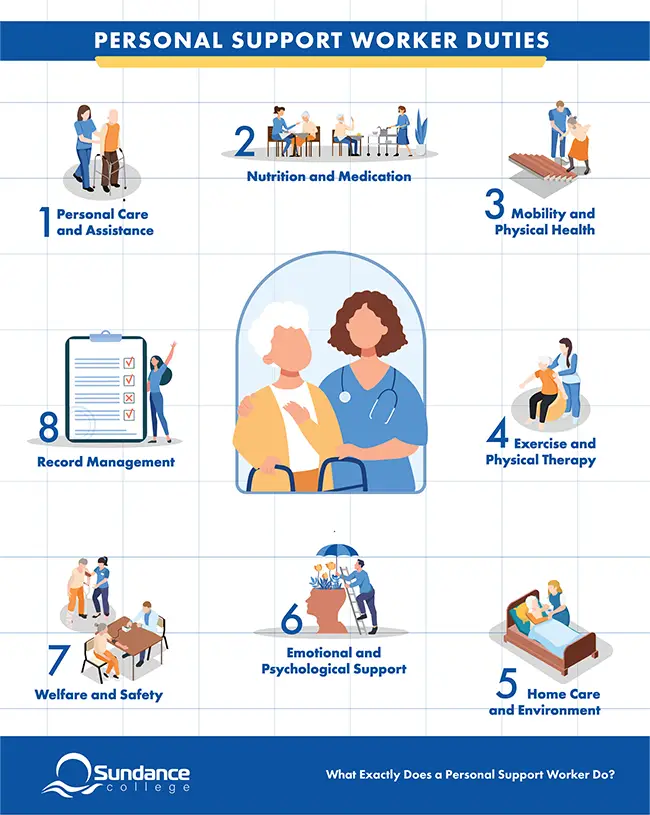
The term PSW, or Personal Support Worker, refers to a healthcare professional trained to provide personal care services to individuals who require assistance with activities of daily living (ADLs). These individuals may include the elderly, those with chronic illnesses, disabilities, cognitive impairments, or those recovering from surgery or injury. PSWs are instrumental in enabling individuals to maintain their independence and dignity, often allowing them to remain in their own homes rather than requiring institutional care. Their work spans a wide spectrum, encompassing physical, emotional, and social support, all delivered with a person-centered approach.
The Multifaceted Role of a Personal Support Worker
The responsibilities of a PSW are diverse and highly individualized, tailored to the specific needs of each client. This adaptability is a hallmark of their profession, requiring a keen ability to assess situations, communicate effectively with clients and their families, and collaborate with other healthcare professionals. Their day-to-day tasks can range from basic hygiene and mobility assistance to more complex support related to medication reminders and meal preparation.
Assisting with Activities of Daily Living (ADLs)
One of the primary functions of a PSW is to assist clients with ADLs, which are the fundamental tasks individuals need to perform to live independently. This includes:
Personal Hygiene and Grooming
PSWs help clients with tasks such as bathing, showering, oral care, hair care, and nail care. This not only ensures physical cleanliness but also contributes significantly to a client’s self-esteem and overall well-being. They must be sensitive to the personal nature of these tasks and approach them with respect and dignity.
Mobility and Transfers
For clients who have difficulty moving on their own, PSWs provide essential support. This can involve assisting with walking, using mobility aids such as walkers or wheelchairs, and safely transferring clients from their bed to a chair, or to and from the bathroom. Proper body mechanics and understanding of safe transfer techniques are paramount to prevent injury to both the client and the PSW.
Toileting and Incontinence Care
PSWs assist clients with using the toilet, managing incontinence briefs or other assistive devices, and maintaining personal hygiene after toileting. This requires a high degree of compassion, discretion, and efficiency.
Dressing and Undressing
Helping clients choose appropriate clothing and assisting them with the process of dressing and undressing is another key responsibility. PSWs ensure clients are dressed comfortably and suitably for the weather and their activities.
Supporting Instrumental Activities of Daily Living (IADLs)
Beyond basic ADLs, PSWs also often assist with Instrumental Activities of Daily Living (IADLs), which are more complex tasks necessary for independent living within a community.
Meal Preparation and Feeding
PSWs are responsible for planning, preparing, and serving nutritious meals. This includes considering dietary restrictions, allergies, and preferences. In cases where clients have difficulty eating independently, PSWs provide assistance with feeding.
Light Housekeeping and Laundry
Maintaining a safe and clean living environment is crucial for clients. PSWs often perform light housekeeping duties such as tidying rooms, washing dishes, and doing laundry. These tasks are focused on the client’s immediate living space.
Medication Reminders and Monitoring
While PSWs do not administer medication, they play a vital role in reminding clients to take their prescribed medications at the correct times. They may also observe and report any side effects or changes in the client’s condition related to their medication.
Companionship and Emotional Support
A significant and often overlooked aspect of the PSW role is providing emotional support and companionship. They engage in conversation, listen to concerns, and offer a reassuring presence. This social interaction can combat loneliness and isolation, which are particularly prevalent among the elderly or those with chronic conditions.
Errands and Transportation Assistance
In some capacities, PSWs may assist clients with running errands, such as grocery shopping or picking up prescriptions. They might also provide transportation to medical appointments or social outings, ensuring clients can maintain their connection to the community.
Qualifications and Training for PSWs
Becoming a PSW requires specific training and adherence to certain standards to ensure clients receive safe and effective care. The educational pathways and certification requirements can vary by region, but a common thread is the emphasis on practical skills and foundational knowledge in healthcare.
Formal Education and Certification
Most jurisdictions require PSWs to complete a formal training program offered by accredited colleges, vocational schools, or training centers. These programs typically range from a few months to a year in length and cover a comprehensive curriculum. Key areas of study often include:
- Human Anatomy and Physiology: Understanding the basic structure and function of the human body.
- Common Health Conditions: Learning about prevalent illnesses and conditions affecting the elderly and those with disabilities.
- Personal Care Skills: Hands-on training in all aspects of ADL assistance.
- Communication and Interpersonal Skills: Developing effective strategies for interacting with clients, families, and other healthcare providers.
- Safety and Infection Control: Implementing measures to prevent the spread of infection and ensure a safe environment.
- Mental Health and Cognitive Impairments: Understanding conditions like dementia, Alzheimer’s disease, and depression, and how to provide appropriate support.
- First Aid and CPR: Essential training for emergency situations.
Upon successful completion of a program, graduates are often eligible for certification or registration with a provincial or territorial body, which may be mandatory for employment.
Essential Skills and Personal Attributes
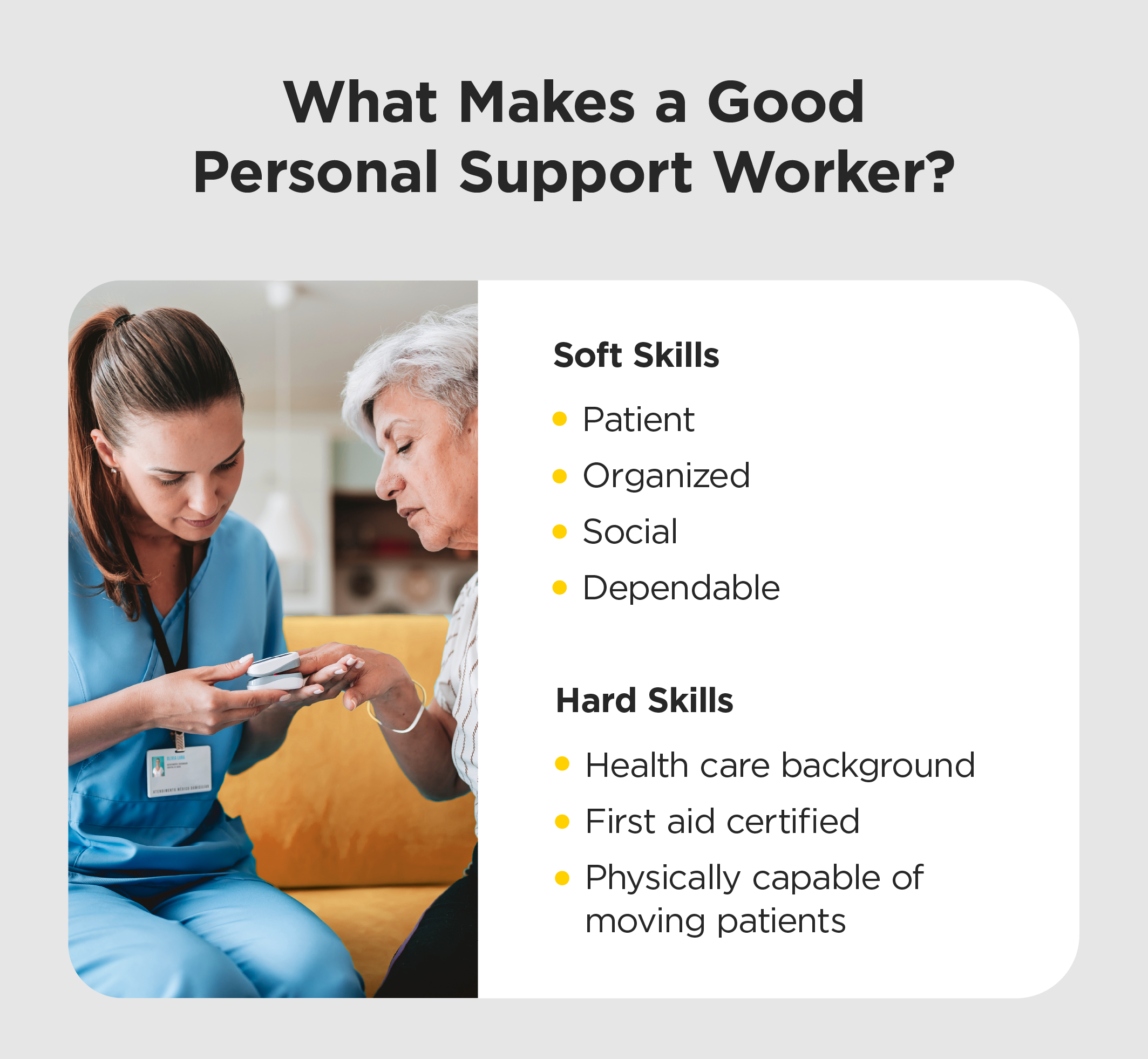
Beyond formal qualifications, certain inherent personal qualities are crucial for a successful PSW. These attributes enable them to navigate the emotional and physical demands of the role with professionalism and empathy.
- Empathy and Compassion: The ability to understand and share the feelings of others is fundamental to providing caring and respectful support.
- Patience and Understanding: Working with individuals who may have cognitive or physical limitations requires a great deal of patience.
- Reliability and Dependability: Clients rely on PSWs to be present and provide care as scheduled. Punctuality and commitment are vital.
- Strong Communication Skills: PSWs must be able to listen attentively, communicate clearly and respectfully, and adapt their communication style to suit the client’s needs.
- Observational Skills: The ability to notice subtle changes in a client’s condition, behavior, or environment is critical for early detection of issues.
- Problem-Solving Abilities: PSWs often need to think on their feet and find practical solutions to challenges that may arise.
- Physical Stamina: The role can be physically demanding, requiring the ability to assist with transfers and mobility.
- Respect for Privacy and Confidentiality: Upholding the dignity and privacy of clients is paramount.
The Integral Role of PSWs within the Healthcare Continuum
Personal Support Workers are not isolated in their practice; they are an integral part of a larger healthcare team. Their work bridges the gap between acute care settings and home-based living, offering a vital layer of support that prevents unnecessary hospitalizations and promotes recovery in familiar surroundings.
Collaboration with Healthcare Professionals
PSWs work closely with a variety of healthcare professionals, including nurses, doctors, physiotherapists, occupational therapists, and social workers. They act as the “eyes and ears” on the ground, providing valuable real-time information about a client’s condition, progress, and any concerns. This communication is essential for developing and adjusting care plans effectively. For example, a PSW might observe a change in a client’s appetite, mobility, or mood, which they then report to the supervising nurse, enabling timely intervention.
Preventing Hospitalizations and Facilitating Discharge
By providing consistent, high-quality personal care in the home, PSWs play a significant role in preventing unnecessary hospital admissions. For individuals with chronic conditions, their support can manage symptoms and maintain stability, allowing them to remain at home. Furthermore, after a hospital stay, PSWs are crucial in facilitating a smooth and safe transition back home. They help clients regain independence, adhere to post-discharge instructions, and adapt to their home environment, thereby reducing the risk of readmission.

Addressing the Growing Demand for Home Care
The global population is aging, leading to an increasing demand for home care services. PSWs are at the forefront of meeting this demand, providing essential support that allows seniors to age in place with dignity and comfort. Their services extend beyond the elderly to individuals of all ages who require assistance due to illness, injury, or disability, making them indispensable in a healthcare system striving for patient-centered, community-based care. The ability to deliver care in a familiar and comfortable setting is invaluable, and PSWs make this possible.
In conclusion, Personal Support Workers are indispensable members of the healthcare team. Their dedication, skill, and compassionate approach to care directly impact the well-being and independence of countless individuals. From assisting with the most intimate daily tasks to providing emotional solace and acting as a crucial link in the healthcare continuum, PSWs embody the spirit of care and support that is fundamental to a healthy society. Recognizing and valuing their contribution is essential as the healthcare landscape continues to evolve.
aViewFromTheCave is a participant in the Amazon Services LLC Associates Program, an affiliate advertising program designed to provide a means for sites to earn advertising fees by advertising and linking to Amazon.com. Amazon, the Amazon logo, AmazonSupply, and the AmazonSupply logo are trademarks of Amazon.com, Inc. or its affiliates. As an Amazon Associate we earn affiliate commissions from qualifying purchases.