
In the traditional landscape of commerce, a product was often viewed as a static object—a tool, a piece of clothing, or a software package manufactured, sold, and eventually replaced. However, as the digital and physical marketplaces become increasingly interconnected and complex, a new paradigm has emerged for brand strategists and corporate leaders: Product Biology.
Product Biology is the strategic study and application of a brand’s “living” characteristics. It treats a product not as an inert commodity, but as a dynamic organism that possesses its own DNA, interacts with its environment (the market), undergoes evolutionary shifts, and maintains symbiotic relationships with its “host” (the consumer). By understanding the biology of a product, brands can move beyond transactional marketing and build ecosystems that are resilient, adaptive, and deeply integrated into the lives of their customers.
The Genetic Foundation: Defining the Core Brand DNA
At the heart of Product Biology lies the concept of Brand DNA. Just as a biological organism is governed by a genetic code that determines its physical traits and behavioral instincts, a product is governed by a set of core principles established during its inception. This DNA is the invisible blueprint that dictates every decision regarding the product’s design, messaging, and utility.
The Core Genetic Code: Purpose and Mission
The “genotype” of a product is its fundamental purpose. This is not what the product does, but why it exists. In brand strategy, this is often identified as the mission statement or the core value proposition. For instance, a luxury watch manufacturer doesn’t just sell a time-telling device; its genetic code is rooted in “heritage,” “precision,” and “status.”
When the genetic code is strong and consistent, the product remains recognizable even as it evolves. If a brand loses sight of its genetic core—for example, if a high-end brand suddenly shifts to low-quality mass production—it suffers from a form of strategic “genetic mutation” that can lead to brand rejection by its loyal consumer base.
Phenotypes and Expressed Traits: Features and UX
In biology, a phenotype is the observable physical characteristic of an organism. In the context of a product, these are the tangible features: the user interface, the packaging, the industrial design, and the customer service experience. These traits are the outward expressions of the brand’s DNA.
A brand like Apple provides a perfect example of phenotypic consistency. Whether it is an iPhone, a MacBook, or a pair of AirPods, the “expressed traits” of minimalism, intuitive navigation, and sleek aesthetics are immediately identifiable. These traits are not accidental; they are the direct result of a specific genetic blueprint that prioritizes design-centric innovation.
The Product Ecosystem: Symbiosis and Environmental Adaptation
No organism exists in a vacuum. Every product lives within an ecosystem composed of competitors, cultural trends, economic shifts, and consumer behaviors. Understanding a product’s biology means analyzing how it interacts with these external factors to ensure its long-term survival.
Symbiotic Consumerism: The Brand-User Relationship
In nature, symbiosis describes a relationship where two different species interact, often to their mutual benefit. In brand strategy, Product Biology focuses on creating a “mutualistic” relationship between the brand and the consumer. The consumer provides the brand with data, revenue, and loyalty, while the product provides the consumer with utility, identity, and emotional fulfillment.
When a brand masters this biological link, the product becomes an extension of the user’s own identity. This is seen in “lifestyle brands” where the product is so deeply embedded in the consumer’s daily routine that the cost of switching to a competitor becomes a “biological” stressor for the consumer. The goal of Product Biology is to move from being a parasite (extracting value without giving back) to a vital symbiont in the user’s life.
Niche Adaptation and Competitive Evolution
The Darwinian principle of “survival of the fittest” applies heavily to brand strategy. A product must adapt to its specific market niche or face extinction. Product Biology involves monitoring the “market climate” to determine when a product needs to evolve.
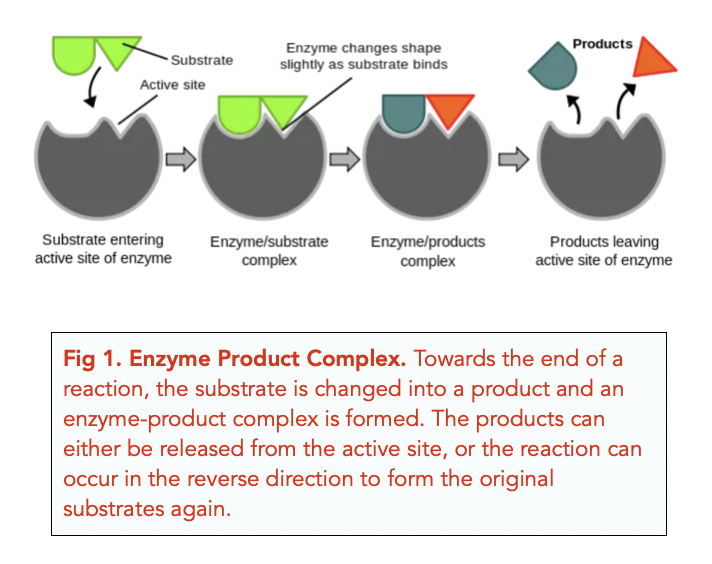
This adaptation can be incremental—such as a software update that addresses new user needs—or radical, such as a complete brand pivot. Brands that fail to observe their environmental biology often find themselves “out-evolved” by more agile competitors. For example, the decline of traditional film photography was not just a failure of technology, but a failure of those brands to adapt their “biological” purpose to the new digital environment.
The Evolution of the Product Lifecycle: From Germination to Maturity
Every living thing has a lifecycle, and products are no different. However, in Product Biology, the goal is to manage this lifecycle to prevent the “death” of the brand, instead fostering a cycle of regeneration and rebirth.
Rapid Mutation and Innovation
In a fast-paced market, a product that remains static is vulnerable. “Mutation” in branding isn’t a negative term; it refers to the necessary innovations that allow a product to meet new challenges. This is the “R&D” (Research and Development) aspect of the brand’s biology.
Successful brands utilize “controlled mutations”—experimental features or sub-brands—to test the waters of a new market segment without risking the health of the parent organism. If the mutation proves successful, it becomes a permanent part of the brand’s genetic makeup. This is how a brand like Netflix evolved from a DVD-by-mail service (its original form) into a global streaming and production powerhouse (its evolved form).
Homeostasis in Brand Management
Homeostasis is the process by which a biological system maintains stability while adjusting to conditions that are optimal for survival. For a brand, homeostasis means maintaining a consistent identity even during periods of high growth or market volatility.
A brand experiencing rapid scaling often faces “biological” strain. It might lose its quality control, its customer service might suffer, or its original mission might become diluted. Strategic Product Biology requires the implementation of feedback loops—much like the nervous system—that alert the brand leadership when the product is drifting too far from its core values, allowing for immediate corrective action.
Implementing Product Biology in Modern Brand Strategy
Moving from a traditional product mindset to a Product Biology mindset requires a structural shift in how companies approach marketing and design. It requires looking at the brand as a holistic, breathing entity rather than a series of quarterly targets.
Mapping the Brand Genome
The first step in implementing this strategy is “genome mapping.” Organizations must conduct a deep audit of their brand’s core values, historical successes, and foundational promises. What are the “dominant genes” that have made the brand successful? What are the “recessive genes” that hold it back? By mapping the brand genome, companies can ensure that future product developments are “genetically compatible” with the existing brand identity, reducing the risk of product failure.
Scaling Through Organic Growth
While aggressive marketing can provide a temporary boost, Product Biology emphasizes organic growth. This is growth that stems from the product’s inherent health and its natural fit within its ecosystem. When a product is biologically sound—meaning it solves a real problem, fits the user’s lifestyle, and evolves with their needs—growth happens through word-of-mouth and high retention rates. This “organic” approach is often more sustainable and cost-effective than the “synthetic” growth spurred by heavy ad spending alone.

The Future of Brand Strategy: The Sentient Product
As we look toward the future, the concept of Product Biology will only become more relevant. With the integration of AI and real-time data analytics, products are becoming more “sentient.” They can sense user frustration, predict needs, and adapt their behavior in real-time. This represents the ultimate expression of Product Biology: a product that is not just a tool, but a responsive, evolving partner.
By embracing the principles of Product Biology, brands can build products that do more than just occupy space on a shelf or a screen. They can create brands that possess the resilience of an apex predator, the adaptability of a chameleon, and the longevity of an ancient redwood. In the modern marketplace, the brands that survive are not necessarily the largest or the most funded—they are the ones most capable of managing their own biological evolution in an ever-changing world.
aViewFromTheCave is a participant in the Amazon Services LLC Associates Program, an affiliate advertising program designed to provide a means for sites to earn advertising fees by advertising and linking to Amazon.com. Amazon, the Amazon logo, AmazonSupply, and the AmazonSupply logo are trademarks of Amazon.com, Inc. or its affiliates. As an Amazon Associate we earn affiliate commissions from qualifying purchases.